
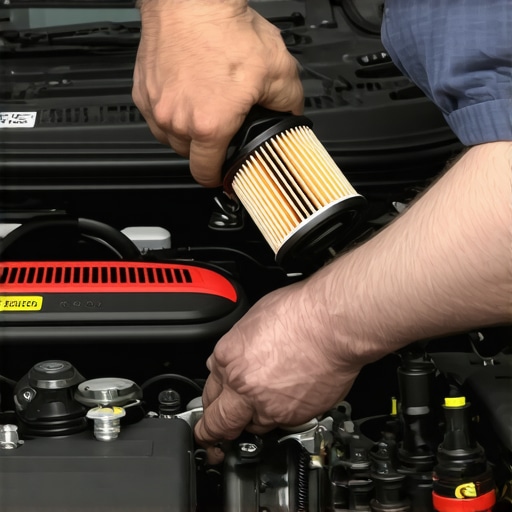
It was a morning like any other, car warmed up, ready to tackle the day. But as I stepped on the accelerator, my vehicle hesitated, sputtered, and lost that snappy responsiveness it used to have. You know that feeling of your car no longer feeling like a trusted partner, but more like a sluggish, overworked mule? That familiar sense of frustration hit me hard—and I realized I’d ignored a simple but vital maintenance step for too long.
Why Your Engine’s Power Might Be Slipping Away
From my own experience, I can tell you that small problems often hide in plain sight. One common culprit? A clogged air filter. It sounds too simple, maybe even trivial, but ignoring it can sap your engine’s performance faster than you’d expect. Dirty filters restrict airflow, making your engine work harder while delivering less power. The good news? Replacing this tiny component can make a world of difference, unlocking that lost power and giving your vehicle new life.
Early in my repair adventures, I made the mistake of overlooking the importance of regular filter checks. I thought those little filters were expendable or easily forgotten. But skipping this step resulted in sluggish acceleration, poor fuel economy, and even increased emissions. As a pro tip, I now always include a quick inspection of the air filter during routine maintenance—trust me, it’s worth your time. If you’re curious about other critical checks, I recommend reviewing [essential car service checks to extend your vehicle’s life](https://collisionrenew.com/essential-car-service-checks-to-extend-your-vehicles-life).
Is the Filter Change Really That Important?
That’s a fair question—after all, cars have so many parts, why emphasize a simple filter? Well, according to automotive experts, neglecting this small part can lead to significant issues, including engine damage and reduced performance. Contrary to popular belief, replacing your air filter is an affordable, straightforward fix that yields impressive results. If you’re skeptical, I understand—trust me, I’ve been there. Early on, I underestimated the power of routine changes, and it cost me dearly. But once I committed to regular maintenance, my engine ran smoother, and I regained that exhilarating responsiveness.
Start with Safety and Preparation
Before you dive into replacing your air filter, ensure your vehicle is off and cooled down. Gather the necessary tools: a new air filter compatible with your car model, gloves, and a screwdriver if needed. Wearing gloves protects your hands from dirt and debris.
Locate the Air Filter Housing
Consult your vehicle’s owner manual or look for a black plastic box typically situated near the engine’s top or side. It often has clips or screws securing the cover.  ‘ alt=’Diagram of a typical car air filter housing’ title=’Car air filter housing location’/>
Remove the Old Filter Carefully
Unsnap or unscrew the cover, taking care not to damage any clips. Gently lift out the old filter, noting how it sits inside the housing. Check for accumulated dirt, debris, or oil, which may indicate other issues needing attention.
Clean the Air Filter Housing
Use a clean cloth or a vacuum to remove dust and debris from the housing interior. This step prevents dirt from entering the engine with the new filter, preserving optimal airflow and performance.
Insert the New Filter Correctly
Place the new filter into the housing, ensuring it fits snugly and orient it as the old filter was positioned. Improper placement can lead to unfiltered air entering the engine, risking damage.
Reassemble and Test
Secure the housing cover back in place, ensuring clips or screws are tight. Start your vehicle and check for smooth operation. Listen for abnormal sounds or check engine lights, which might indicate a misfit or additional issues.
During my own experience, I once forgot to properly seat a new filter, causing a sudden drop in engine power. After rechecking and correctly installing it, the vehicle responded instantly, restoring responsiveness and fuel efficiency. Regularly changing your air filter can prevent such issues and keep your car running smoothly—this simple step saves money and prolongs engine health. For more tips on maintaining your vehicle’s performance, explore our essential service checks.
Many car owners operate under assumptions about their vehicle maintenance that, while widespread, are often misleading. Let’s dig deeper into some of these nuanced beliefs and reveal the realities behind them. For instance, a common myth is that all transmission fluids are lifetime and never need changing. In reality, according to automotive experts, regular transmission fluid swaps are essential for optimal performance and longevity. Ignoring this can lead to costly repairs or even transmission failure, which is something I learned the hard way. For expert guidance, check out top transmission repair tips.
Traps in auto repair also abound, especially with brake services. Many assume that disc brakes don’t need attention until they squeal or seize, but this wait-and-see approach can damage rotors or calipers prematurely. Regular inspection and maintenance, including brake fluid checks, improve safety and prevent expensive surprises. Interestingly, some believe that synthetic brake fluids never degrade, but over time, moisture absorption can reduce their efficacy—so routine replacement is still recommended, as detailed in brake service insights.
Now, what about collision repair? A widespread misconception is that minor impacts don’t compromise structural integrity. Conversely, even small dents or fender benders can hide frame damage or sensor misalignments that affect safety systems. This highlights the importance of comprehensive inspections after accidents, not just cosmetic fixes.
For advanced enthusiasts, understanding the nuances of auto repair can be game-changing. For instance, many overlook the significance of correctly bleeding brake lines to remove air pockets, which can cause spongy pedal feel and compromise braking performance. As a tip, proper bleeding protocols are backed by studies showing that air in brake lines reduces efficiency—so don’t cut corners here.
Have you ever fallen into this trap? Let me know in the comments. Knowing the truth about these misconceptions helps you make smarter decisions and maintains your vehicle in top shape, saving money and ensuring safety.
Maintaining your vehicle’s optimal performance requires more than just the basics; it demands the right tools and methodologies to diagnose, repair, and prevent issues effectively. Over the years, I’ve honed a collection of specialized equipment that helps me ensure every car I work on runs smoothly for the long haul. In this post, I’ll share some of my top tools and techniques, along with insights into where I see automotive maintenance heading in the future.
How do I maintain transmission health over time?
One of the most critical aspects of vehicle longevity is proper transmission maintenance. I personally swear by a high-quality scan tool like the Autel MaxiSys MS909. This device allows me to perform comprehensive diagnostics, clear error codes, and monitor real-time data streams from the vehicle’s transmission system. Regularly connecting to the OBD-II port helps me catch early signs of transmission slipping or fluid degradation, enabling preemptive action before costly repairs are needed. For long-term reliability, I also recommend scheduled transmission fluid changes, which I track diligently using this tool along with manufacturer guidelines.
Invest in precision diagnostic equipment
If you aim for precision, avoid generic scan devices. Instead, choose units like the Autel MaxiSys line or the BlueDriver Bluetooth scanner, which provide deep insights into engine and transmission systems. These tools can diagnose issues such as misfires, sensor failures, or fluid problems at a glance, saving you time and money. Personally, I pair my scanner with manufacturer-specific software when possible, as it provides more accurate data and repair tips. As vehicle electronics become more complex, such diagnostic tools will only grow in importance.
Why future-proof your vehicle maintenance?
With the rise of electric vehicles and advanced driver-assistance systems, maintenance trends are shifting rapidly. Staying ahead means investing in software updates, telematics-enabled diagnostic tools, and training on new systems. I predict that telemetric data sharing between vehicles and service centers will become standard, allowing proactive maintenance alerts and remote diagnostics. Embracing these advancements now will keep your skill set relevant and your vehicle operating at peak efficiency for years to come.
Mastering calibration techniques improves long-term results
One often overlooked aspect is the importance of recalibrating sensors after collision repairs or component replacements. For example, after replacing a windshield or bumpers, recalibration of cameras and sensors is crucial. I use a dedicated calibration panel and follow OEM procedures grounded in technical documentation like the manufacturer’s service guides. Proper calibration ensures safety systems work correctly and prevents future mishaps. To try this tip, I recommend scheduling periodic sensor checks, especially after any collision or repair, to maintain accuracy and reliability.
In our ever-evolving automotive landscape, tools and techniques are your best allies. Investing in advanced diagnostic equipment not only speeds up repairs but also helps prevent future breakdowns. Whether you’re working on transmissions, brakes, or collision sensors, staying updated on latest technology trends will pay dividends in the longevity and safety of your vehicles. Ready to elevate your maintenance game? Start by mastering sensor recalibration—it’s a game-changer in long-term vehicle health. For detailed steps and best practices, explore our comprehensive guide.
The Hardest Lesson I Learned About Transmission and Brakes
Early in my repair career, I underestimated the importance of routine transmission fluid changes and brake inspections. A minor oversight led to costly repairs and a lot of frustration—those small mistakes taught me the value of proactive maintenance. Now, I always prioritize the small details because they often hold the key to avoiding major problems down the line.
How I Discovered the Power of Regular Maintenance
One day, a simple transmission fluid flush prevented a complete transmission failure. That moment changed my approach forever. Regularly checking and exchanging vital fluids isn’t just about keeping the car running—it’s about empowering your vehicle to perform at its best and prolonging its life. I trust these repair tips to guide my maintenance routines.
What They Don’t Tell You About Brake Health
Many assume brake pads are everything, but I’ve learned that brake fluid quality and caliper inspection matter just as much. Neglecting these can lead to uneven wear, reduced stopping power, or even complete brake failure. Properly bleeding and replacing brake fluid regularly ensures safety and smooth deceleration. My experience shows that investing in quality tools like the best brake service advice makes a huge difference.
Why Skipping Routine Checks Could Hurt Your Car More Than You Think
Overconfidence in the durability of transmission and brake components often leads drivers to ignore routine maintenance. That’s a mistake I regret deeply. Small, seemingly insignificant tasks like sensor recalibration or fluid analysis can prevent serious damage. Being meticulous with these details not only saves money but also keeps my clients safe and satisfied.
The Unexpected Benefits of Paying Attention to the Little Things
Performing regular maintenance, especially on critical systems like transmission and brakes, has improved my workflow and customer trust. Clear communication about these small, impactful steps builds confidence and prevents breakdowns before they occur. Remember, knowledge about these hidden aspects makes you a better driver and a smarter car owner.