
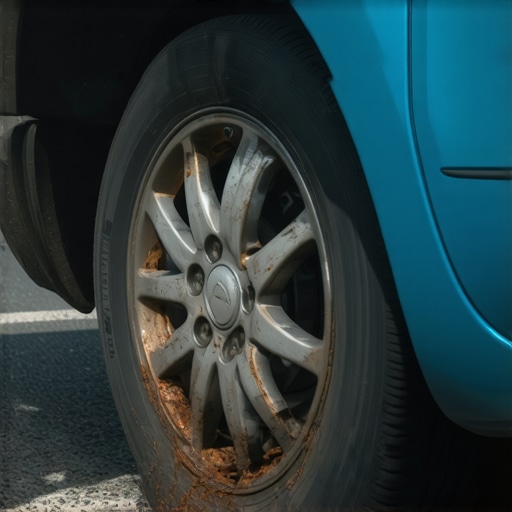
It was a chilly morning when I first noticed it—the unmistakable gulp of extra fuel burning through my tank, even though I wasn’t driving more than usual. A quick peek under my car revealed a mangled wheel arch that had seen better days. That moment was my lightbulb moment—realizing that even small body damage can silently sabotage your fuel economy. Have you ever faced a sudden drop in miles per gallon, only to find some superficial dent or scrape hiding the real culprit?
The Hidden Impact of a Damaged Wheel Arch on Fuel Consumption
When your wheel arch is compromised—be it from a minor collision, road debris, or rust—it can create unnecessary drag and airflow turbulence. These factors force your car’s engine to work harder, consuming more fuel to maintain speed. Over time, this added resistance can significantly decrease your vehicle’s efficiency, pummeling your pocketbook without obvious signs. Interestingly, according to a study by the Department of Energy, aerodynamics play a crucial role in fuel economy, especially at highway speeds—meaning even tiny body imperfections matter.
Is Damaged Bodywork Really Worth the Hype?
Early on, I made the mistake of ignoring that small tear in my wheel arch, thinking it was purely cosmetic. That oversight cost me more in the long run, with increased fuel bills and mounting repair costs. If you’re skeptical, I get it—it’s tempting to brush off superficial damage. But trust me, neglecting minor issues can lead to bigger problems, like corrosion or suspension misalignment, which further erode your efficiency and safety. So, let’s explore how to spot and fix these sneaky troublemakers before they drain your wallet and your fuel tank. Ready? Let’s dive into practical steps that can save you money and extend your car’s longevity.
Assess the Damage Carefully
Start by visually inspecting your vehicle for dents, scrapes, or rust in the wheel arch area. Use a flashlight for better visibility and compare the damaged side with the undamaged one for a clear understanding of the extent. Take detailed photos to document the damage, which can be useful if you decide to seek professional help or file an insurance claim. I once faced minor rust in my wheel well that was barely noticeable until I cleaned the area and saw the corrosion; addressing it early prevented further deterioration.
Gather the Necessary Tools and Parts
For small repairs, you’ll need a body filler kit, sandpaper, primer, matching paint, and possibly a new wheel arch liner or plastic clip if parts are broken. For more extensive damage, consider renting or borrowing a slide hammer, panel stretcher, or even consulting a professional. In my recent repair, I used a basic dent puller and filler, which worked well enough, but I recommend consulting a specialist for crucial structural damages to avoid future issues that waste money and fuel. Learn about the best auto repair practices for sustained vehicle performance at CollisionRenew.
Remove Damaged Components Carefully
Begin by disconnecting the battery to prevent any electrical issues. Use appropriate tools to remove loose or broken parts, such as rivets, clips, or bolts. Be gentle to avoid further damage or misalignment, which can impact aerodynamics and fuel efficiency. Remember, a loose or rubbing wheel arch can create turbulence, increasing drag. During my repair, I carefully pried off the damaged liner, avoiding scratches on the paint, and set aside all fasteners for reinstallation.
Apply Body Filler and Reshape the Panel
Mix the body filler according to the manufacturer’s instructions. Apply it evenly across the dent or scrape, filling any gaps or rust holes. Use a plastic spreader to sculpt the surface to match the original shape, paying close attention to contours. Once dried, sand the area smoothly, gradually progressing from coarse to fine grit to ensure an even finish. This meticulous step prevents uneven surfaces that can impact airflow and drag, which directly affects fuel economy. I once over-sanded a small area, causing a slight dip that increased turbulence; precision here pays off.
Prime and Paint for a Seamless Finish
Priming protects the repair from moisture and prepares the surface for painting. Apply a thin, even coat and let it dry. Match the paint color precisely to the vehicle’s original hue—using a color code or professional mixing for best results. Finish with clear coat to seal the repair and add gloss continuity. Properly painted surfaces reduce aerodynamic drag and prevent rust, which can cause further damage and efficiency loss. I learned that patience during painting, even in small repairs, makes a significant difference—rushing can leave imperfections that may cause airflow disturbances.
Reinstall Components and Test Drive
Reattach any removed parts securely, ensuring all fasteners are tightened to manufacturer specifications. Check for clearance issues, such as rubbing tires or suspension components, to prevent additional drag or damage. After completing the repair, take a test drive in various conditions: highway, city, and windy areas. Listen for unusual noises, vibrations, or misalignment signs that could indicate further issues. Regular maintenance, including essential car checks, helps sustain aerodynamic efficiency and fuel economy.
Seek Professional Assistance When Necessary
If the damage is extensive, affects structural components, or you’re unsure about your repair skills, consult a professional auto body shop. They have specialized tools and expertise to restore your vehicle’s integrity, saving you money and preventing future inefficiencies. Remember, neglecting serious repairs can lead to increased drag, rust, and reduced fuel mileage over time. For ongoing vehicle maintenance and repairs, visit Contact Us at CollisionRenew and get expert advice.
 Many car owners assume that all auto repair services, especially collision repairs and routine maintenance like brake or transmission work, are straightforward tasks. However, even seasoned enthusiasts often overlook the nuanced pitfalls that can compromise vehicle longevity and safety. One widespread myth is that choosing the cheapest repair shop guarantees savings; in reality, cutting corners may lead to improperly fixed components, increased wear, or safety hazards. For instance, improper calibration after collision repairs can affect sensor alignment, leading to malfunctioning safety features—something many overlook but is critical for vehicle integrity. According to a study published in the Journal of Automotive Safety, precise calibration and quality parts are essential for optimal safety and performance, emphasizing the importance of expert handling over cost savings alone.
Deep inside the realm of auto repair, an often unnoticed nuance is the importance of understanding the specific causes behind transmission shuddering or slipping. Many drivers dismiss these signs as minor issues, yet ignoring them can lead to more severe transmission failures. For example, shifting problems only when the engine is cold, as discussed in a CollisionRenew article, highlight the importance of timely diagnostics and proper fluid checks which many tend to ignore. Another advanced mistake is neglecting to verify wheel alignment after any collision—misalignment doesn’t just cause uneven tire wear but also impacts steering precision and fuel efficiency. A subtle misalignment can increase aerodynamic drag, subtly draining your fuel tank over time.
For those seeking an edge in vehicle maintenance, consider how complex sensor systems influence modern auto repairs. Calibrating blind spot sensors or ADAS features isn’t just about resetting the electronic components; it demands precise measurement and understanding of vehicle dynamics. Falling into the trap of assuming these systems are ‘self-adjusting’ can compromise safety and performance. Expert shops utilize specialized tools to ensure these sensors function optimally, as detailed in expert guides on collision repair strategies.
Have you ever fallen into this trap of underestimating the intricacies of auto repairs? Let me know in the comments below. Ensuring that your servicing provider is thorough and well-equipped can make the difference between a car that just runs and one that performs at its best for years to come. For comprehensive guidance, visit CollisionRenew’s restoration strategies, or for specific concerns like brake safety, check out how to pick the best brake service.
Keeping Your Car in Top Shape with the Right Tools
Maintaining your vehicle over the long term isn’t just about routine oil changes—it’s about having the right tools and knowledge to address issues promptly and efficiently. Personally, I’ve found that investing in quality diagnostic equipment and specialized hand tools has saved me hundreds of dollars and countless hours. For instance, a high-quality torque wrench ensures that fasteners are tightened to manufacturer specifications, preventing parts from coming loose or causing misalignment, which can impact fuel efficiency and safety.
Another indispensable tool is an automotive scan tool. I personally use the Ancel HD600 because it provides comprehensive ECU diagnostics, allows me to clear fault codes, and even monitor real-time data streams, which are invaluable for troubleshooting intermittent problems like transmission shudders or ABS warnings. As vehicle systems become increasingly complex, having an advanced scanner helps in diagnosing issues early, avoiding costly repairs down the line. Proper calibration and repair strategies are essential for long-term reliability, especially after collision repairs or sensor replacements.
How do I maintain my tools over time?
Keeping your tools in excellent condition ensures they perform accurately and last longer. Regularly cleaning your tools after use, lubricating moving parts, and storing them properly in a dedicated toolbox or cabinet prevents rust and damage. For precision instruments like torque wrenches and scan tools, I recommend periodic calibration—many manufacturers offer maintenance kits or calibration services. This practice ensures your tools remain reliable, preventing misdiagnoses that can lead to unnecessary or improperly performed repairs.
Looking ahead, I believe the trend towards integrated diagnostic systems and AI-assisted repairs will become standard. Future tools may offer predictive maintenance capabilities, alerting you to impending failures before symptoms even appear. Staying updated with the latest technology ensures you’re always prepared to keep your vehicle running smoothly.
One advanced tip I urge you to try is investing in a quality diagnostic scan tool with bi-directional capabilities. This allows not only reading fault codes but also active testing of components, like actuating solenoids in transmissions or cycling ABS modulators. It’s a game-changer for pinpointing issues without unnecessary part replacements. To learn more about protecting your investment, explore essential maintenance practices that preserve your car’s longevity.
Remember, maintaining your vehicle isn’t just about immediate fixes—it’s about developing a comprehensive, proactive strategy. By equipping yourself with the right tools and following disciplined maintenance routines, you can ensure your car remains dependable and efficient for years to come. Keep learning, stay curious, and don’t hesitate to seek professional help when needed, especially for complex systems like transmissions and brakes. For personalized advice or professional assistance, reach out through CollisionRenew’s contact page.
Throughout my years working on vehicles, I’ve learned that even minor exterior issues can have significant repercussions beneath the hood. An unsightly dent or a scratched wheel arch isn’t just cosmetic—it’s often the tip of the iceberg when it comes to your car’s performance and efficiency. Recognizing these subtle signs early can save you money, improve safety, and keep your vehicle running smoothly.
The Surprising Lessons Hidden in Small Scrapes
One of the most valuable insights I’ve gained is that body damage can alter your car’s aerodynamics, creating unnecessary drag that forces the engine to consume more fuel. I recall a client who dismissed a small dent in their wheel arch—only to see their fuel bills steadily rise over the subsequent months. Addressing such issues promptly not only restores appearance but also maintains optimal fuel economy, preventing minor flaws from turning into costly repairs.
How to Spot and Fix Damage Before It Drains Your Wallet
My approach begins with careful inspection—looking for rust, cracks, or loose components that might disrupt airflow. Gathering the right tools, like body filler, paint, and fasteners, enables a DIY fix for smaller issues, while more extensive damage should be handled by professionals. Once repairs are complete, ensuring proper reinstallation and alignment preserves your vehicle’s performance. For those hesitant about tackling repairs alone, expert help can make a world of difference; information about trustworthy collision renewal strategies can be found here.
Lessons I Didn’t Expect to Learn from Body Repairs
- Every scratch has a story: realizing that visible damage often signifies underlying issues helped me prioritize repairs more effectively.
- A small fix can prevent big problems: addressing rust or cracks early extends your car’s lifespan and efficiency.
- Proper calibration is vital: after bodywork, codes and sensors must be correctly reset to maintain safety systems and aerodynamics.
- Patience pays off: meticulous sanding, priming, and painting create smooth surfaces that reduce airflow disruptions and fuel loss.
- Tools matter more than I thought: investing in quality repair kits and diagnostic equipment has empowered me to serve vehicles better and faster.
Expand Your Auto-Repair Knowledge with Trusted Resources
One tool I swear by is the ultimate guide to auto repair, which offers comprehensive tips on maintaining vehicle health. For diagnostics, I rely on a top-tier scan tool that helps me identify issues early. When it comes to choosing collision repair services, reading client stories and reviews has been invaluable. Remember, continuous learning and investing in the right resources make all the difference in keeping your vehicle in prime condition.
Take Charge of Your Car’s Future Today
Now that you understand how minor body issues can silently impact your vehicle’s fuel efficiency, it’s time to act. Regular inspections, prompt repairs, and leveraging trusted tools and resources will empower you to maintain a car that performs reliably and efficiently for years to come. Don’t wait for small problems to become big expenses—your proactive effort is the key to a smoother, more cost-effective driving experience. How do you prioritize minor repairs, and what tools have helped you along the way? Share your tips below!