
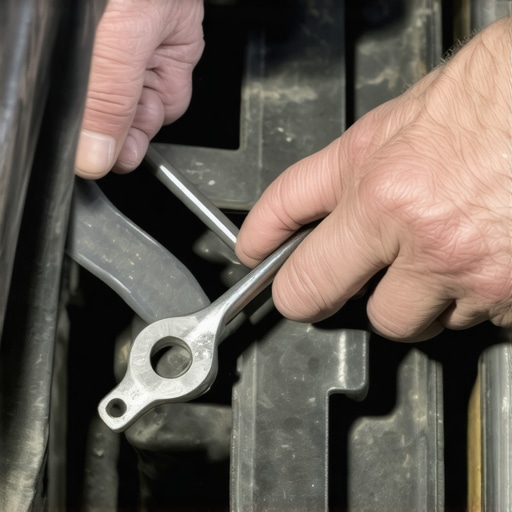
Ever been in that gut-tightening moment when you’re trying to open your car’s hood, only to feel that dreaded, unforgiving tension and realize the cable might snap? I remember one winter morning, desperately yanking on the hood release, hearing that telltale rip, and knowing I was about to face a costly repair. It’s a frustrating experience that many car owners dread, especially when it seems like there’s no easy way out.
But here’s the thing—opening a stuck hood without damaging the cable isn’t just a lucky shot of luck or a secret handshake among mechanics. It’s a skill rooted in understanding your vehicle’s design and applying some practical techniques. Today, I’ll show you how I learned this the hard way and what you can do to avoid ripping your cable or worse.
Why a Stuck Hood Sends Ripples Through Your Day
Your car’s hood is more than just a cover; it’s the gateway to vital components like your engine, coolant, and oil systems. When the hood refuses to budge, it hampers your ability to check these crucial fluids, diagnose starting issues, or even perform emergency repairs. Imagine needing to add coolant on a sweltering day, but you can’t access the reservoir because the latch is frozen or tangled. It’s not just an inconvenience—it can turn into a safety hazard.
According to automotive experts, a jammed or stuck hood latch can be caused by a variety of factors including rust, debris, or misaligned components. Ignoring the problem can lead to further damage or even cause the cable to snap, leaving you stranded.
Are you often finding yourself battling hood latches that just won’t cooperate? Or maybe you’ve been scared stiff at the thought of forcing it and breaking something even more expensive? Trust me, I’ve been there, and early on I made a critical mistake—using excessive force, which only worsened the situation. That’s why I want to share the effective methods I discovered, which are gentle but effective.
If you’re curious about keeping all your car’s systems in top shape, you might want to check out some essential [car service checks to extend your vehicle’s life](https://collisionrenew.com/essential-car-service-checks-to-extend-your-vehicles-life). Now, let’s dive into how you can get that stubborn hood open without risking damage, saving you both time and money.
Locate the Hood Release Latch
Start by finding the hood latch mechanism inside your vehicle, usually near the driver’s side footwell. Pulling the release lever here is the first step. I remember once, I struggled with a stubborn latch, but gently pulling and then manually inspecting the area helped clear debris that was causing the sticky behavior.
Inspect the External Latch
Use a Flashlight and Penetrating Oil
Look for corrosion or debris around the latch on the front grille. Spray a light coating of penetrating oil, such as WD-40, onto the latch components. Let it sit for 10-15 minutes to loosen rust. During a cold morning, I applied this to my older car’s latch, which was frozen solid, and after a gentle jiggle, the hood released smoothly.

Apply Gentle Pressure and Vibrations
If the latch remains tight, apply gentle, steady pressure on the hood’s edges while attempting to release the latch again. Sometimes, vibrations can free jammed parts—think of it like shaking a stuck jar lid. I once used a rubber mallet lightly tapped against the hood’s edge to jar loose debris, avoiding any impact on the metal.
Use a Coat Hanger or Hook
If the interior release cable isn’t working, carefully insert a straightened wire coat hanger through the grille to manually manipulate the latch. This technique needs patience. For my vehicle, I carefully maneuvered the hook to engage the latch mechanism, avoiding any damage to the paint or plastic grille.
Check for External Obstructions
Remove debris like leaves or ice that might be preventing the latch from releasing. Regular cleaning can prevent future issues. I recommend doing this during seasons with heavy snowfall or rain, as accumulation often leads to sticking. Clear the area and try the release again.
Seek Professional Assistance If Needed
If none of these steps work, don’t force it. Forcing can cause the cable to snap or damage the latch. Contact a professional mechanic at CollisionRenew for expert help. Remember, patience and gentle techniques save you money and prevent unnecessary repairs. These methods, learned through experience, can help you open a jammed hood safely and efficiently, maintaining your vehicle’s integrity.When it comes to car maintenance, many car owners harbor misconceptions that can cost them time, money, and safety. Let’s dig deeper into what most people get wrong about brake service, transmission care, and auto repair in general, and uncover some advanced nuances that even seasoned DIYers often overlook.
Setting the Record Straight: Myths That Persist
One common misconception is that all brakes are created equal, leading many to believe that cheap or generic brake parts are just as good as premium ones. In reality, the quality of brake components directly affects stopping power and safety. According to experts at CollisionRenew, opting for subpar brakes can cause premature wear and even partial failure, which is why professional brake service tailored to your vehicle’s needs is essential. Don’t fall into the trap of sacrificing quality for savings, especially when safety is on the line.
The Trap of One-Size-Fits-All Transmission Repairs
Many assume that transmission issues are always mechanical failures needing full rebuilds. However, a nuanced understanding reveals that many transmission problems stem from simple causes like clogged filters, low fluid levels, or faulty solenoids. For example, a contaminated transmission fluid can cause shifting irregularities that are easily fixed with a proper flush or filter replacement. This is detailed in CollisionRenew’s comprehensive guide on best transmission repair practices. The crucial mistake is ignoring early warning signs or applying generic solutions without diagnostics, which often leads to unnecessary overhaul expenses.
Advanced Mistakes and How to Avoid Them
One advanced mistake many car owners and even some mechanics make involves neglecting the underlying causes behind common symptoms. For instance, brake pedal vibration isn’t just about warped rotors; it can also be caused by uneven pad deposition or issues with the suspension components. Similarly, transmission shuddering during shifts might be blamed solely on the gearbox, but could actually result from sensor malfunctions or low fluid pressure. To avoid these pitfalls, insist on thorough diagnostics and be cautious of quick fixes that don’t address root causes. Understanding these nuances ensures your repairs are effective and long-lasting.
Why Better Diagnostics Matter
In fact, modern vehicles come equipped with an array of sensors and control modules that, if properly interpreted, can save you from costly repairs. Advanced diagnostic tools allow mechanics to pinpoint problems precisely, but many rely on outdated or superficial assessments. As detailed by CollisionRenew, investing in comprehensive diagnostics can reveal hidden issues like transmission solenoid failures or brake booster leaks before they escalate. This proactive approach not only extends the life of your vehicle but also ensures safety and reliability.
Have you ever fallen into this trap of misunderstanding auto repair nuances? Let me know in the comments. Remember, a little knowledge combined with expert diagnostics can save you a lot of trouble down the road. For regular checkups and expert guidance, consider visiting CollisionRenew to keep your vehicle running smoothly.Maintaining your vehicle’s health over time requires the right combination of tools, smart methods, and a proactive mindset. Personally, I depend on high-quality diagnostic equipment like the Autel MaxiSys MS909, which provides comprehensive scanning and coding capabilities. Its touchscreen interface and vast vehicle coverage make it my go-to for quick fault detection and live data analysis, saving me hours on troubleshooting. Additionally, I swear by a borrowable, adjustable creeper from Harbor Freight; it’s invaluable for sliding under your car comfortably, especially during transmission or brake fluid checks. Using specialized LED inspection flashlights like the GadgetsPro X100 ensures I can spot corrosion or leaks with clarity, even in tight engine bays. For software, I turn to manufacturer-specific forensic diagnostic tools—like Ford’s IDS or GM’s Techline—they allow deep insights into vehicle systems, which generic scanners often miss. When it comes to long-term results, I recommend setting up a maintenance schedule aligned with your car’s mileage and based on comprehensive checklists, such as the ones outlined in CollisionRenew’s guide on extended vehicle care. As vehicles evolve with advanced driver-assist systems and electrification, staying ahead with diagnostic firmware updates becomes vital. Looking into the future, predictive maintenance tools incorporating AI, like service scheduling apps integrated with vehicle telematics, will revolutionize how we manage repairs and scaling efforts. To truly benefit from these innovations, I advise regularly calibrating your tools and maintaining a record of diagnostics, repairs, and replacements—they form the backbone of scalable, efficient vehicle care. How do I maintain these tools over time? I ensure to clean and recalibrate them periodically, keep firmware up to date, and store manual records digitally for easy access. Implementing a disciplined maintenance routine for your tools ensures sustained accuracy and avoids unexpected breakdowns, allowing you to scale your repair efforts confidently. I highly recommend trying out a diagnostic scanner like the Autel MaxiSys MS909 and integrating a digital repair log system. This approach streamlines troubleshooting and helps track long-term improvements, making car care less of a chore and more of a strategic asset for your vehicle’s longevity.
Lessons Behind the Curtain of Auto Repair Realities
One of the most eye-opening lessons I’ve learned is that many auto repair myths linger because people resist diving deep into how their vehicles truly work. I used to believe that more expensive parts always meant better performance, but I found that understanding specific needs and diagnostics is far more valuable. Recognizing that a simple transmission fluid flush could prevent a costly rebuild changed my approach entirely. This awareness empowers you to make smarter decisions and avoid unnecessary expenses, turning car maintenance from a dreaded chore into an informed practice.
The second lesson revolves around the importance of routine preventive checks. For example, regularly inspecting brake pads and rotors not only extends their lifespan but also enhances safety. It’s tempting to ignore warning signs until it’s too late, but catching issues early—thanks to good diagnostics—can save hundreds of dollars. As I’ve experienced firsthand, proactive care often uncovers hidden problems before they escalate, maintaining your vehicle’s health in the long run.
The third insight is realizing that DIY isn’t just about saving money—it’s about cultivating a relationship with your vehicle. Learning how to gently open a stuck hood or replace a worn component gives you confidence and appreciation for your car’s engineering. Personal experience has shown me that small hands-on skills foster patience and a better understanding of what professionals do, making trips to a mechanic more precise and less intimidating.
Tools and Resources That Changed My Approach
Over time, I discovered that investing in quality diagnostic tools, such as the Autel MaxiSys MS909, revolutionized my maintenance routine. Its comprehensive scanning abilities have allowed me to diagnose engine and transmission issues early, preventing breakdowns. Pairing this with a good set of LED inspection flashlights like the GadgetsPro X100 ensures that I can spot corrosion or leaks in tight engine bays—saving me both time and guesswork.
Additionally, I turn to authoritative guides and manuals, especially those from CollisionRenew, which provide in-depth insights into specific repairs and preventive strategies. Their [comprehensive guides on auto repair](https://collisionrenew.com/the-ultimate-guide-to-auto-repair-keep-your-car-running-smoothly) have helped me understand complex systems like braking and transmission with clarity and confidence. A tradition of continuous learning, supported by reliable resources, helps me stay ahead and keeps my vehicle in peak condition.
Keep Moving Forward With Confidence
The world of auto repair is always evolving, filled with new technologies and smarter solutions. Embracing this change requires a proactive mindset and a willingness to learn. Whether you’re tackling a stuck hood or planning an upgrade to your transmission system, remember that knowledge combined with the right tools can make all the difference. Your journey toward mastering vehicle maintenance isn’t just about fixing things; it’s about gaining control and confidence in your vehicle’s health.
Are you ready to take your auto care skills to the next level? Share your experiences or questions below—your insights might spark someone else’s breakthrough in maintaining their car efficiently and safely!