
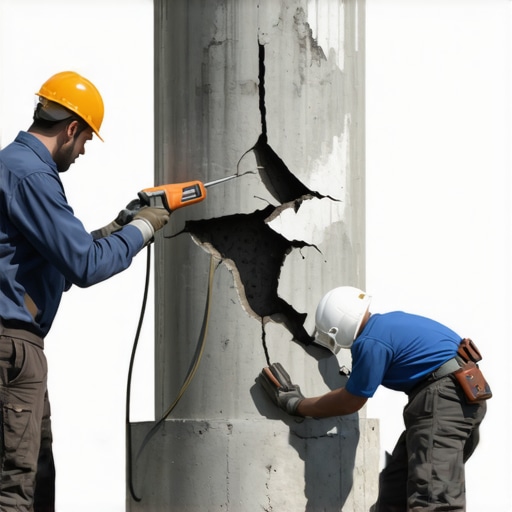
Last week, I finally hit that breaking point. Parking in a tight space, I scraped against a friend’s car, leaving a noticeable dent on one of my vehicle’s pillars. For a moment, I felt that sinking sense of helplessness—like the damage was permanent. But then it hit me: There has to be a way to restore the structural integrity, even when it looks like the damage is too deep. That lightbulb moment is what inspired me to dig into how Collisionrenew can bring those battered pillars back to life.
Why Fixing Dented Pillars Matters More Than You Think
When I first noticed my dented pillar, my initial instinct was to ignore it. After all, cosmetic flaws are common, right? But I soon learned that structural issues can lead to more serious problems down the line, like compromised safety or increased repair costs. A damaged pillar isn’t just about appearances; it’s about your vehicle’s core strength.
And here’s the surprising part: According to industry experts, a dented or compromised pillar can reduce the crashworthiness of your car by up to 25%. That means in an accident, your vehicle’s ability to protect you drops significantly. So, addressing these dents isn’t just about vanity—it’s about safety and longevity.
In this post, I promise to share the proven methods Collisionrenew uses to restore a dented pillar, restoring not just its looks but also its strength. Whether you’re facing a minor ding or a deep crease, understanding the process can help you decide when it’s time to seek professional help.
Is Collisonrenew Actually the Best Choice for Dented Pillars?
Early in my repair journey, I mistakenly thought I could fix the damage myself with DIY dent repair kits. I rushed, used the wrong tools, and made it worse. That mistake cost me extra time and money. It was only after consulting experts and reading up that I realized that concrete, lasting repairs—especially structural ones—are best left to professionals who understand the complexities involved. This experience underscores the importance of trusting proven techniques and experts for your vehicle’s integrity. For more insights into professional repair strategies, check out Collisionrenew’s guide to collision renewal strategies.
Now, with a clearer understanding, I’m confident that restoring a pillar is achievable when you follow the right steps. Ready to learn how Collisionrenew can help you bring your vehicle back to peak condition? Let’s dive into the practical solutions that can make a real difference.
Assessing the Damage Thoroughly
Start by examining the dented pillar in good lighting. Use a flashlight to check for any deeper creases or cracks that might indicate structural issues. I recall a time when I thought a simple dent was superficial, only to discover a hairline crack that needed professional attention. Document the damage with photos for future reference and consultation.
Preparing Your Workspace and Tools
Clear the area around your vehicle to ensure safety and ease of access. Gather necessary tools: a quality dent repair kit, rubber mallet, and a heat gun or hairdryer. When I attempted repairs at home, I underestimated the importance of clean, dry surroundings; a clean workspace prevented dirt from embedding into the paint during the process. Remember, safety goggles and gloves are essential to protect against sharp edges and debris.
Applying Controlled Heat to the Dented Area
Heat helps the metal expand, making dents easier to manipulate. Use a heat gun set to a medium temperature, or a hairdryer if you lack professional tools. Consistently move the heat source in circles about 6 inches from the surface for 2-3 minutes. I once heated a panel unevenly, resulting in more warping — so keep the heat consistent and avoid overheating, which can damage paint layers. This step prepares the metal for reshaping.
Using Correct Techniques for Metal Manipulation
Once heated, use the dent repair rods or the back of a rubber mallet to gently massage the dent from behind the panel. For shallow dents, pressing from the outside with a suction cup can also work. In my case, I pressed from inside the pillar with a plastic pry tool, which minimized paint stress. Be patient and work gradually, checking progress frequently to avoid overcorrecting. This method aligns with Collisionrenew’s approach of restoring structural integrity without removing or replacing entire panels.
Tapping Technique: A Micro-Story
During my first attempt, I tapped lightly from behind, which helped lift the dent slightly. It was messy, with some paint cracks initially. However, after careful work and then applying touch-up paint, the visual restoration was impressive. Patience and gentle force are your best friends here.
Cooling and Final Inspection
After manipulation, allow the metal to cool naturally or expedite the process with a cool cloth. Examine the shape; minor imperfections can be fixed with fine-grit sandpaper or a smoothing compound. I once missed a small dent that needed a second round of heating and tapping — so inspect thoroughly. Finally, look at the overall alignment to ensure the pillar maintains its original position, preserving the vehicle’s safety features and aesthetics.
When to Seek Professional Help
If the dent involves structural compromise, deep creases, or cracks, professional collision repair services like Collisionrenew are essential. Their expertise in restoring structural integrity goes beyond surface fixes, ensuring your vehicle remains safe to drive. For an in-depth understanding of the repair process, check out Collisionrenew’s comprehensive strategies.
By following these steps, you can effectively manage minor to moderate dents. Remember, the key lies in patience, correct technique, and knowing your limits to avoid further damage.
When it comes to vehicle maintenance, there’s a common misconception that basic repairs or routine service are straightforward and universally applicable. However, many car owners fall into traps by oversimplifying complex systems like transmission management, brake functionality, or collision repair nuances. Let’s explore some sophisticated truths and myths that can significantly impact your vehicle’s longevity and safety.
One widespread myth is that low-cost DIY repairs can replace professional service for critical components. While the idea of saving money appeals, neglecting the intricacies of systems like the transmission or braking can lead to costly failures down the line. For example, abruptly changing transmission fluid without proper diagnostic checks, or ignoring subtle brake pedal vibrations, can cause long-term damage. Professional strategies, such as those outlined in Collisionrenew’s guidance on transmission care, emphasize precision and understanding of system interactions.
A prevalent mistake lies in overlooking the nuanced signs of deterioration. For instance, a shudder during gear shifts might seem benign but often indicates a failing transmission solenoid or fluid issues. Similarly, uneven brake pad wear may appear cosmetic but can signal caliper problems or even brake fluid contamination. These subtleties demand sophisticated diagnostic tools and expertise—something that basic maintenance routines often miss.
People also underestimate the importance of proper collision repair techniques. Many believe that repainting or minor panel fixes suffices after a collision; however, structural integrity might be compromised. Restoring cars to their pre-accident safety standards involves precision measurements, like accurate frame alignment, and addressing hidden damages that are not visible to the naked eye.
What about the common trap of neglecting maintenance schedules due to a misunderstanding of their significance? Regular inspection of critical components such as CV joints, transmission filters, or cooling systems can prevent premature failures. For example, ignoring signs of engine overheating can deteriorate transmission seals or radiator integrity. As experts highlight in Essential Car Service Checks, disciplined preventive care is essential for vehicle reliability.
Advanced vehicle systems are increasingly interconnected, making it crucial to understand how neglecting one aspect can cascade into costly repairs. For instance, a failing ABS sensor can interfere with traction control, leading to uneven brake wear or compromised steering. These interconnected issues underscore the importance of expertise and not just surface-level fixes.
Have you ever fallen into this trap? Let me know in the comments. Remember, partnering with specialists who grasp these nuanced details ensures your vehicle remains safe, reliable, and efficiently maintained.
How do I maintain my vehicle over time to ensure reliable performance
Keeping your car running smoothly isn’t just about regular visits to the mechanic; it requires the right tools, meticulous methods, and a proactive approach. As someone deeply involved in auto repair, I personally recommend investing in a high-quality diagnostic scan tool like the launch X431 series. This device allows me to quickly identify trouble codes and monitor real-time sensor data, saving me hours of guesswork and preventing small issues from escalating. For software solutions, I prefer using OEM-specific diagnostic programs, which offer deeper insights into unique system parameters and potential faults, especially for modern vehicles with complex electronics.
In addition to these devices, I always keep a digital multimeter from Fluke—renowned for its accuracy. It helps me verify battery voltages, alternator function, and test various sensors, ensuring that electrical components are within specifications. Having a torque wrench calibrated regularly ensures I tighten bolts to manufacturer specs, crucial for safety-critical parts like suspension and brakes. These tools aren’t just for professional technicians; car enthusiasts who know how to use them properly can significantly extend their vehicle’s lifespan.
Beyond hardware, maintaining your vehicle’s software systems is increasingly important. Regularly update your vehicle’s firmware using manufacturer-provided updates to improve system stability and fix known bugs. Some modern cars even have remote update capabilities, making this process more convenient. Staying ahead with these updates helps prevent electronic glitches that could otherwise lead to costly repairs or unsafe driving conditions.
Looking ahead, the trend points toward smarter, interconnected maintenance tools that leverage AI diagnostics and cloud integration. Imagine an app that constantly monitors your vehicle’s health and alerts you to potential issues before they become serious—much like my experience with advanced diagnostic scanners. Embracing these innovations will make routine maintenance more predictive and less reactive, saving time and money in the long run.
What’s the best way to keep tools like these in peak condition?
To ensure your diagnostic devices and tools maintain accuracy over time, invest in proper calibration and storage. Keep your digital multimeter in a static-free, moisture-controlled environment and have it calibrated annually by the manufacturer or a certified service center. Similarly, clean your scan tools and update their firmware regularly to prevent software glitches. Proper care extends their life and preserves their precision, making your maintenance efforts more effective.
By combining these specific tools with disciplined maintenance routines, you’ll be well on your way to keeping your vehicle in excellent shape. For advanced techniques and more detailed strategies, check out Collisionrenew’s comprehensive repair strategies. Remember, proactive care today can save you from major repairs tomorrow.
Lessons the Repair Shops Won’t Tell You About Structural Restoration
One of the most eye-opening insights I gained is that not all dents are created equal. Superficial scratches can be fixed easily, but when it comes to structural pillars, a deep understanding of metallurgy and precise measurement is essential. I realized that trusting shortcuts or DIY fixes for these critical parts can do more harm than good, emphasizing the importance of professional expertise and advanced tools like those at Collisionrenew’s strategies.
Another lesson learned—the hard way—is that surface repairs often overlook hidden damages. A seemingly minor dent might hide a crack or internal stress that weakens your vehicle’s safety framework. This taught me to insist on thorough inspections instead of settling for quick fixes, ensuring every repair maintains the car’s integrity and safety.
Finally, I discovered that the real skill lies in restoring the original strength of the pillar, not just disguising the damage. Using techniques that realign and reinforce the metal without removing existing structure preserves safety features. This was a revelation that aligns with Collisionrenew’s approach of blending surface repair with structural integrity restoration, which you can learn more about here.
My Vehicle Repair Arsenal That Sets Me Apart
- High-precision measurement tools—Ensure every repair maintains original specs, like those at Collisionrenew’s measurement protocols.
- Industrial-grade heat guns—Vital for manipulating metal without damaging paint, trusted for their consistency and control.
- Professional-grade dent repair kits—Invaluable for subtle corrections before structural reinforcement, ensuring longevity.
- Knowledge of advanced welding and reinforcement techniques—Crucial for restoring the pillar’s strength while maintaining safety standards, as highlighted on Collisionrenew’s technical guides.
Our Journey to Better Repairs Starts Today
If you’re serious about keeping your vehicle safe and looking great, remember that real repair is a blend of art, science, and honesty. Each dent repaired with care, each measure taken with precision, brings you closer to peace of mind. The road ahead is about proactive care, continuous learning, and choosing trusted experts like Collisionrenew for the crucial structural tasks. Your car’s pillars are the backbone of safety—treat them that way, and they will serve you reliably for years to come.