

I vividly remember the moment I realized my car had developed a strange, relentless musty smell, especially after it rained. It was a sunny Saturday, and I was eager to hit the road, only to be met with water pooling inside my vehicle in unexpected places. That lightbulb moment hit hard — and it all traced back to a tiny, overlooked spot: the drainage system clogged with leaves. Who would’ve thought such a little thing could cause such a headache?
Beware the Leaf Build-Up Under Your Car
Every fall, I used to shrug off the pile of leaves in my driveway, thinking little of it. But what I didn’t realize was that those fallen leaves can sneak into your car’s drainage channels—those tiny pathways designed to channel water away. When these channels get blocked, water has nowhere to go, leading to leaks, mold, and even damaging your vehicle’s interior and cabin filters. It’s a sneaky issue, often hidden beneath the surface, but one that can turn into a costly repair if neglected.
Will Ignoring This Tiny Clog Lead to Big Problems?
Early on, I made the mistake of ignoring the initial water stains on my car’s carpets, assuming I’d deal with it eventually. That was a mistake. Those small signs are like red flags warning of deeper issues brewing beneath. When the drainage system is clogged, water can seep into critical areas, causing rust and deterioration over time. Noticing those leaves and debris early can save you quite a headache — and a surprisingly hefty bill.
Studies show that regular maintenance of your vehicle’s drainage system can significantly extend its lifespan. According to The Ultimate Guide to Auto Repair, small preventive steps can keep your car running smoothly for years. So, let’s get into how to spot and clear these hidden clogs, ensuring they don’t turn into your next costly repair.
Detecting and Clearing Your Car’s Hidden Drainage Blockages
Access the Drainage Channels
Start by opening your vehicle’s hood and locating the drainage points near the windshield and sunroof if applicable. These are small, often overlooked grates or rubber tubing that direct water away from your car’s interior. Use a screwdriver or trim tool to gently pry off any covers securing these channels. I once struggled with a stubborn cover on my vehicle, which required patience and careful prying to avoid damaging the plastic, but once removed, I could easily inspect and clean the areas.
Identify Blockages
Pour a small amount of water into the drainage openings. If water doesn’t flow freely through the channels or if it pools on the surface, there’s likely a clog. Use a flashlight to look inside the tubes or channels for leaves, dirt, or debris. I once found a dense ball of dried leaves and dirt clogging my drainage tube, which caused water to spill into the cabin, confirming the importance of early detection.
Clean the Clogs
Attach a flexible pipe cleaner or use compressed air to dislodge debris. A thin wire or pipe cleaner can be inserted gently into the tubing to loosen and pull out blockages. Be cautious not to puncture or damage the tubing. When I cleaned mine, I used a soft wire to push accumulated debris out, which restored proper water flow and prevented future leaks. Regular cleaning like this is key to maintaining your vehicle’s health and can be part of your routine preventive maintenance.
Test Water Flow
Pour water once more into the drain points and observe whether it flows freely through the channels and exits underneath the vehicle. Ensure there are no remaining obstructions. If water still pools or leaks inside, repeat the cleaning process or consider professional inspection. This step ensures you’ve completely cleared any blockages, which can otherwise silently damage your car’s interior over time.
Seal and Secure the Covers
After confirming clear flow, replace any covers or seals you removed. Tighten screws or clips securely to prevent dirt from re-entering the channels. I made the mistake once of leaving a cover loose, which led to debris accumulation again, highlighting the importance of proper sealing. Ensuring a tight fit maintains the integrity of your drainage system and extends the life of your vehicle’s interior.
Regular Maintenance Checks
Make inspecting your drainage channels part of your routine car care. During oil changes or tire rotations, take a few minutes to check these hidden pathways. Regular upkeep can prevent water damage, mold, and costly repairs down the line. Proper maintenance is the cornerstone of long-term vehicle reliability.
Many drivers operate under misconceptions about essential vehicle services, often leading to costly repairs down the line. One prevalent myth is that regular oil changes are enough to keep the transmission healthy. In reality, transmission fluid degrades over time and can become contaminated, making it critical to follow comprehensive transmission maintenance strategies. Neglecting this can cause shifting issues and even complete transmission failure, which many mistake for minor glitches.
Why do so many get brake service wrong?”
Contrary to popular belief, frequent brake pad replacements alone won’t guarantee safe stopping. The true secret lies in also inspecting and maintaining components like brake rotors, calipers, and the master cylinder. Failing to do this can result in uneven brake pad wear, vibration, or pedal pulsation, all of which compromise safety. Regular brake system checks are vital for long-term safety and performance, yet many overlook them, thinking brake pads are the root cause of all issues.
Another misconception revolves around collision repair: many assume once a car looks good after a repair, the job is complete. But this overlooks the importance of collision renewal strategies that restore structural integrity and safety. Skipping proper diagnostics can leave hidden frame issues, which pose dangers in future collisions or uneven tire wear.
Are advanced maintenance mistakes lurking beneath surface repairs?
Absolutely. Modern vehicles rely heavily on sensor data for systems like traction control and adaptive cruise. This makes calibration and software updates more critical than ever. For instance, a misaligned wheel or a neglected sensor can trigger false warning lights or impair vehicle control, often mistaken for sensor failures or wiring issues. Studies show that excessive reliance on DIY fixes without professional diagnostics increases repair costs and safety risks. Regularly consulting preventive maintenance guides is essential for staying ahead of these nuanced pitfalls.
By understanding these hidden nuances and debunking common myths, drivers can make smarter decisions, extend their vehicle’s lifespan, and ensure safety. Have you ever fallen into this trap? Let me know in the comments.
How do I keep my car running smoothly over time?
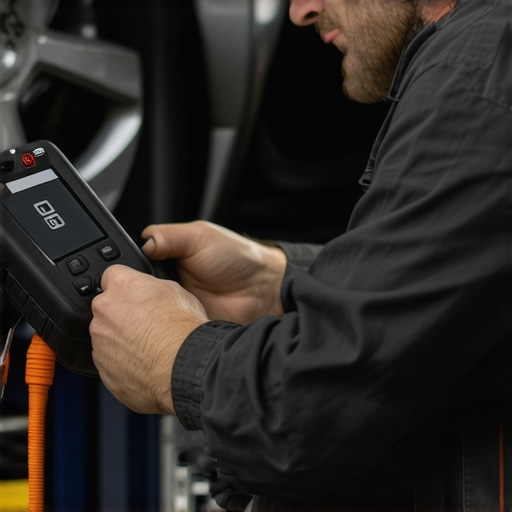
Maintaining your vehicle’s performance requires precision tools and consistent routines. I rely heavily on a high-quality digital scan tool such as the Autel MaxiSys, which allows me to access detailed ECU data, recognize fault codes instantly, and perform advanced diagnostics that go beyond basic checks. Unlike generic code readers, this device provides bi-directional control, essential when testing components like ABS sensors or transmission solenoids, making diagnostics both accurate and efficient.
Additionally, I swear by a professional-grade CV axle puller for any suspension work. It saves time, reduces damage risk, and ensures that axle replacements or inspections are precise. For fluid maintenance, I use a full-flow transmission flush machine, which removes contaminated fluid thoroughly and replaces it with OEM specifications. This method almost eliminates the guesswork from transmission maintenance, extending service intervals and preventing costly failures.
On the software side, regular software updates and calibrations are critical, especially for modern vehicles with advanced driver-assist systems. These updates fix bugs, improve system accuracy, and ensure sensors like adaptive cruise control and traction control operate seamlessly. Many DIY enthusiasts overlook software but fail to realize it’s vital for safety and efficiency, making professional diagnostics indispensable.
Future trends point toward smarter, more integrated diagnostic tools that use AI and machine learning to predict failures before they happen. As vehicle systems grow increasingly complex, staying ahead with cutting-edge equipment becomes essential. I predict that in the future, semi-autonomous diagnostic platforms will become commonplace, diagnosing issues from a simple app, thus empowering car owners to prevent breakdowns proactively.
How do I keep my car’s transmission performing its best?
Consistent maintenance is key. Changing transmission fluid at manufacturer-recommended intervals using high-quality OEM or aftermarket fluids can prevent wear and overheating. I recommend performing a full transmission fluid exchange every 40,000 to 60,000 miles, depending on driving conditions. Use a flushing machine for a thorough clean, which cleans out sludge and old fluid, restoring smooth shifting and prolonging the transmission’s life. Coupling this with regular diagnostic scans helps catch slipping or clunking early, avoiding expensive rebuilds.
Preventive diagnostics might reveal the early signs of sensor failures or solenoid issues, allowing timely interventions. For instance, if the TCM (Transmission Control Module) shows irregular data, a software update or replacement of specific sensors can be the difference between a quick fix and a costly overhaul. As automotive tech evolves, staying proactive with diagnostics and proper maintenance protocols becomes our best strategy against unexpected breakdowns.
Don’t wait until symptoms become severe — invest in quality tools like a scan tool and adhere to a scheduled maintenance plan. Doing so not only preserves your vehicle’s value but also ensures safety on every trip. For comprehensive maintenance guidance, refer to the detailed strategies outlined in this guide.
Start by testing your transmission fluid regularly and schedule a flush if it’s showing signs of contamination or discoloration. Implementing these proactive steps now will save you headaches down the road. Remember, a well-maintained vehicle is a reliable partner on the road — so, gear up with the right tools and a solid maintenance routine.
What Potholes Taught Me About Hidden Damage
Hitting a pothole might seem minor, but I learned it’s a red flag for unseen suspension and alignment issues. Recognizing the subtle vibrations and pulling is my secret weapon to nip problems in the bud, saving big bucks on repairs. This lesson reminded me that paying attention to tiny signs can prevent major headaches down the line.
My Go-To Tools for Maintaining a Reliable Ride
I’ve found that a professional-grade diagnostic scan tool is invaluable for early detection of problems, especially with modern vehicles packed with sensors. Coupled with a quality transmission flush machine, these tools keep my car running like new. They’ve transformed my approach from reactive to proactive, ensuring peace of mind on the road.
Trustworthy Guides That Changed My Approach to Auto Repair
Books and websites like expert-maintenance guides have been game-changers. They demystify the complex systems inside modern vehicles and empower me to make informed decisions. When combined with trusted professional advice, they’ve helped me extend my car’s lifespan and avoid unnecessary repairs.
Your Next Move to Keep Your Vehicle at Its Best
Take it from someone who’s been through the ups and downs of auto maintenance—start by inspecting your drainage systems and maintaining proper fluid levels consistently. Incorporate regular structural and cosmetic checks into your routine, and don’t be afraid to leverage technological tools for diagnostics. Your car will thank you, and your wallet will too.
What is the smallest sign you’ve ignored that turned into a costly fix? Share your experience below and let’s learn together!