
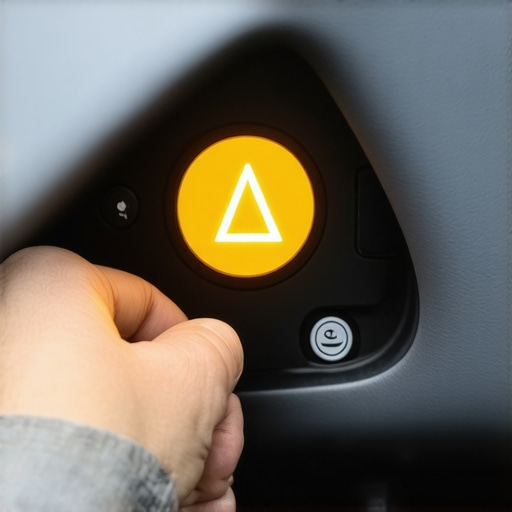
Ever been right in the middle of a busy parking lot, ready to dash into a store, only to find your car’s electronic parking brake stubbornly refusing to release? I remember that sinking feeling well. One chilly morning, my trusty car suddenly decided to challenge me, refusing to come out of park no matter what I did. Frustration set in fast—panic, even. That’s when I realized I wasn’t alone in this. Many drivers encounter this nagging issue, and it can happen at the worst possible moments.
Dealing with the Frustration of a Stuck Electronic Parking Brake
My first instinct was to jump to conclusions—was it a sensor malfunction? An electrical glitch? Or a simple fix I was overlooking? I knew I needed a reliable plan, not just guesswork. Today, I’ll walk you through exactly how I approached the problem and what you can do if your electronic parking brake refuses to disengage. Because trust me, this isn’t just a minor inconvenience; it can be a safety hazard and an unexpected repair bill waiting to happen.
What if You’re Skeptical About Fixing It Yourself?
Honestly, I was hesitant at first. The world of electronic brake systems can seem intimidating. But I learned early on that many issues stem from simple causes—like a worn sensor or a misaligned switch—things you can often fix without a mechanic’s visit. And avoid costly repairs by catching problems early. Also, I must admit, my mistake early on was ignoring that little warning light—don’t make the same mistake. Instead, ground yourself with some solid advice from experts, like this helpful guide on restoring your car’s safety systems.
So, if you’ve faced that frustrating moment when your parking brake acts up, stay with me. We’ll break down the common causes, and I’ll share the steps that finally got my car back on track—literally. Ready to tackle this issue head-on? Let’s dive in.
Check the Basic Wiring and Fuses Immediately
My first move was inspecting the vehicle’s fuse box, especially the fuse related to the electronic parking brake system. I pulled out my owner’s manual, located the fuse diagram, and checked if the fuse was blown. A blown fuse can cut power to the brake module, preventing it from disengaging. Replacing a blown fuse is like resetting a circuit, and often resolves simple electrical hiccups. If the fuse looks intact, move to the next step with confidence that the wiring isn’t the root cause.
Use the Emergency Release or Manual Override
Many cars come with an emergency release button or manual override for the electronic parking brake. I remembered a small access panel near the center console—once I located it, I carefully removed the cover to find the manual release mechanism. This is akin to a safety valve on a pressurized system—it doesn’t fix the underlying problem but provides a temporary solution to park or move the vehicle. Applying this step can buy you time while diagnosing the electrical or sensor issues.
Scan for Diagnostic Trouble Codes (DTCs)
Next, I connected an OBD-II scanner to my car’s port—think of it as a doctor’s stethoscope for vehicle health. Reading the trouble codes revealed specific sensor errors or communication failures in the brake control module. Those codes act like a GPS, guiding you directly to the problem. If you’re unfamiliar with interpreting codes, many online resources or your mechanic can help decode them, narrowing down whether a sensor needs replacement or if there’s an electrical short.
Reset the System with Power Cycling
Sometimes, a simple reboot can clear temporary glitches. I turned off the ignition, waited 10 seconds, and restarted the vehicle. It’s akin to restarting your computer when it freezes. For some models, reapplying the parking brake and then releasing it through the control switch after the reset can recalibrate the brake’s electronic system. This step often resolves minor electronic miscommunications that prevent the brake from disengaging.
Inspect and Clean the Sensor Components
Sensor contamination can cause false signals. I popped open the rear wheel well, where the parking brake sensors are often located, and noticed dirt and grime coating the components. Using a soft cloth and electronic contact cleaner—available at auto parts stores—I gently cleaned the sensors and wiring connections. Clear sensors improve system reliability, much like cleaning glasses helps you see better. Regular maintenance here can prevent future issues with stuck brakes.
Test the System After Repairs
With inspections and a clean-up complete, I reassembled everything, turned on the car, and attempted to disengage the parking brake. Watching the system respond properly gave me confidence that the issue was resolved. If problems persist, it may be necessary to delve deeper into software updates or hardware replacements. For expert insights into more advanced diagnostics, check out restoring your car to perfection.
Consider Professional Assistance if Necessary
If your troubleshooting leads you to suspect an internal control module fault or persistent sensor failure, consulting a professional mechanic is the safest route. Handling high-voltage components or delicate electronic parts without proper tools can risk further damage. Remember, safety comes first, so don’t hesitate to reach out via contact us for expert help or advice.
When it comes to vehicle care, many car owners lean on common beliefs that, upon closer inspection, are more myth than fact. One widespread misconception is that all auto repair shops are identical in quality. In reality, the nuances of their specialization, technician expertise, and adherence to diagnostic protocols can drastically impact repair outcomes. For instance, collision renewal centers like restoring your car to perfection focus on precise frame alignment and paint matching, which are critical for vehicle safety and aesthetics, unlike general repair shops that may lack this specialized equipment.
Another myth is that transmission problems always require a full replacement. However, advanced diagnostic tools and knowledge reveal many issues—like clogged filters or slipping solenoids—that can be repaired effectively, saving vehicle owners thousands. Familiarity with these advanced repair techniques can prevent unnecessary part swaps and extend your car’s lifespan. For more insight, check out top transmission repair tips.
Now, let’s address a hidden trap many drivers fall into—believing that brake service is a one-and-done task. In truth, brake components such as rotors, pads, and calipers require regular inspection and maintenance to prevent uneven wear or failure. A common pitfall is neglecting to check your brake fluid, which can lead to poor braking response. Regularly visiting trusted specialists ensures your brakes function optimally, avoiding costly failures. Learn more about maintaining your brake system at brake service tips for 2025.
For those truly invested in vehicle longevity, understanding the nuance of essential service checks can make all the difference. These include detailed inspections of suspension systems, fluid conditions, and electrical components, often overlooked during routine visits. Recognizing these subtle cues early saves you from major repairs down the road.
Ever wondered if your car’s worries stem from something deeper? A nuanced understanding of repair complexities can prevent you from falling into traps based on superficial fixes or misconceptions. So, next time your car behaves oddly, ask yourself—am I addressing the real issue or just masking it? For in-depth knowledge, explore the ultimate guide to auto repair.
Have you ever fallen into this trap? Let me know in the comments.
Optimize Your Maintenance with Precision Equipment
Keeping your vehicle in peak condition requires more than just basic checks; it demands the right tools that provide accurate diagnostics and effective repairs. I personally rely on a high-quality scan tool like the Autel MaxiCOM MK808 because it offers comprehensive coverage, including live data streaming and automatic VIN recognition, which simplifies troubleshooting complex issues such as transmission or brake system faults. Additionally, a mechanic-grade multimeter with auto-ranging capabilities ensures precise electrical diagnosis, saving time and avoiding guesswork during sensor or fuse checks.
Leverage Software for Continuous Improvement
Beyond hardware, I utilize advanced diagnostic software like repair databases and trend analysis tools that are regularly updated with manufacturer-specific information. These platforms help me understand the latest repair techniques, software recalibrations, and emission control adjustments, enabling me to perform jobs that extend beyond simple fixes and into sustainable, long-term solutions. Staying updated with these digital resources is crucial, especially as car electronics become more sophisticated.
Adopt Routine Maintenance Protocols
Experience has shown that establishing a routine diagnosis schedule drastically reduces emergency repairs. I schedule quarterly inspections that include checking transmission fluid condition, brake system health, and suspension integrity, guided by detailed checklists from trusted automotive maintenance guides. This proactive approach means catching issues like worn sensors or low fluid levels before they escalate into costly failures. Investing in an infrared thermometer and a high-quality creeper for undercarriage inspections has made these checks more efficient and less time-consuming.
Tools for Scaling Up Your Repair Capabilities
If you’re contemplating expanding your DIY repair toolkit, consider integrating equipment like hydraulic lifts or air compressor systems that significantly expedite tasks such as brake pad replacement or suspension upgrades. When used properly, these tools not only improve safety but also boost the quality of workmanship, resulting in durable repairs that stand the test of time. Approaching scaling thoughtfully ensures that each upgrade maintains the integrity of your repair process and maximizes long-term benefits.
Predicting the Future of Vehicle Maintenance
As automotive technology continues to evolve, I anticipate a shift toward automated diagnostic systems integrated with AI-driven analytics. This will likely streamline troubleshooting, reduce human error, and enable remote diagnostics. Embracing these innovations early can give you a significant edge in maintaining complex systems like transmission and brake controls, ultimately making long-term care more manageable and precise.
How do I keep my car parts functioning effectively over time?
Regularly using software updates for your vehicle’s electronic control units, coupled with scheduled physical inspections, is key. For instance, restoring your car to perfection involves meticulous calibration and part replacements guided by diagnostic insights. Also, integrating diagnostic tools like the MaxiCOM MK808 helps monitor wear and alert you before components fail. Making these practices part of your routine can extend the lifespan of critical parts like the transmission or braking system, saving you from unexpected breakdowns and costly repairs.
For more advanced tips, I recommend trying out systematic sensor cleaning methods or software re-calibration procedures that can often resolve intermittent issues without replacing parts. Remember, consistent maintenance and utilizing precise diagnostics form the backbone of effective long-term vehicle care.
Through my journey repairing and maintaining vehicles, I’ve uncovered some hidden truths about electronic parking brakes that aren’t immediately obvious. One crucial lesson is that even advanced systems have their quirks—sometimes, a simple fuse replacement or sensor cleaning can save you from costly repairs. Moreover, understanding the interplay between software updates and hardware integrity can make a significant difference in diagnosing stubborn issues. Lastly, maintaining an up-to-date knowledge base and having the right diagnostic tools can empower you to tackle problems confidently, rather than waiting for professional help. These insights have transformed my approach and can do the same for you, ensuring your vehicle remains reliable and safe over the long haul.