
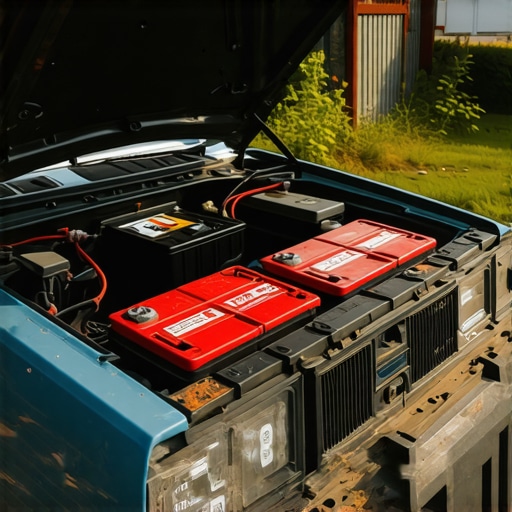
Have you ever gone out to start your car only to find that it won’t turn over, even after just a couple of days of sitting unused? That frustrating experience hit me unexpectedly one chilly morning, and I’ve been there enough times to know how confusing and inconvenient it can be. At first, I thought my battery was just old or worn out, but as I dug deeper, I discovered there’s more to this mystery than meets the eye.
Understanding the Real Reason Your Car Battery Fails So Fast
It turns out, your car’s electrical system can drain your battery even when the engine isn’t running. Small leaks, lingering electronics, or even a faulty alternator can cause the battery to lose its charge quickly. This realization was a lightbulb moment for me—learning that I’d been making common mistakes early on, like leaving interior lights on or ignoring the signs of a failing alternator, only made the problem worse. If you’re tired of jumping your car every other day, you’re in the right place. We’ll explore practical steps to identify and fix these pesky issues so you can start reliably each morning.
Is Replacing My Battery the Only Solution?
Many folks jump straight to buying a new battery without investigating the root causes of quick drainage. Trust me, I made that mistake early in my journey, assuming it was just time for a new one. But I found that a little detective work—like checking for parasitic draws—can save you money and extend your battery’s life. For more tips on maintaining your vehicle’s health, visit our comprehensive guide on keeping your car running smoothly. Before rushing off to replace parts, consider the insights we’ll share next about how your vehicle’s electrical system really works and what signs to watch for.
Start with a Visual Inspection and Basic Testing
My first move was opening the hood and looking for obvious issues like corrosion on the terminals or loose connections. I used a battery tester to check the voltage; a fully charged battery should hover around 12.6 volts. Remember, quick visual checks can reveal corrosion or loose cables that might be causing your battery drain problems. For a detailed overview of essential maintenance, see our guide on car maintenance.
Identify Parasitic Draws Using a Multimeter
This step is crucial: I disconnected the negative terminal and set my multimeter to amps. I then connected it between the battery and the disconnected cable, observing the current draw. Anything above 50 milliamps suggests a parasitic drain. To locate the culprit, I systematically turned off accessories and pulled fuses, watching for changes in the reading. This method saved me from unnecessary battery replacements and is a skill every car owner should develop. For detailed procedures, check https://collisionrenew.com/why-your-car-smells-like-burnt-rubber-after-a-short-trip.
Test the Alternator’s Charging Capacity
Once I confirmed the battery was healthy, I started the engine and measured voltage at the terminals again. It should rise to about 13.8–14.4 volts if the alternator is charging correctly. If not, the alternator might be faulty, which I later verified by a load test at the shop. Regularly testing the alternator prevents unexpected breakdowns; learn more at https://collisionrenew.com/why-your-transmission-shifts-perfectly-until-the-engine-gets-hot.
Check for Faulty Wiring and Ground Connections
Wiring issues are tricky but common. I examined all ground straps and wiring harnesses, looking for corrosion or damaged insulation. Loose or corroded grounds can cause your vehicle’s electrical system to drain power or malfunction. Making sure grounds are secure and clean often restores proper function. For a detailed grounding check, see https://collisionrenew.com/how-to-flush-your-coolant-without-creating-an-airlock-in-the-system. Proper wiring ensures your battery’s longevity and prevents unexpected failures.
Replace or Repair Identified Faulty Components
If testing revealed a bad alternator or corroded cables, I replaced those components immediately. For alternator replacement, I followed manufacturer guidelines and used quality parts to prevent future issues. When replacing cables, I cleaned terminals thoroughly with a wire brush and applied dielectric grease to prevent future corrosion. This hands-on approach helped me avoid recurring problems and extended my battery’s lifespan. For comprehensive repair tips, visit https://collisionrenew.com/collision-renewal-strategies-restoring-your-car-to-perfection.
Prevent Future Battery Drainage
Finally, I adopted habits like turning off interior lights and unplugging unused electronics when parking. Regularly inspecting and maintaining electrical connections also helps. Additionally, I scheduled routine checks, especially before winter. Implementing these steps keeps my vehicle reliable and reduces emergency jump-starts. For ongoing maintenance advice, see https://collisionrenew.com/top-transmission-repair-tips-for-long-term-vehicle-reliability.
Misunderstanding the Role of OEM Parts in Repairs
Many automotive enthusiasts believe that using original equipment manufacturer (OEM) parts is the only way to ensure a lasting repair. While OEM parts are often high-quality, this isn’t always necessary for every fix. In my experience, aftermarket parts can match OEM standards at a fraction of the cost, especially when sourced from reputable suppliers. Blindly insisting on OEM can lead you to overpay without tangible benefits. Before you decide, consider the specific repair and consult your trusted mechanic—sometimes, quality aftermarket options perform just as well, saving you money.
Additionally, be cautious of myths suggesting that aftermarket parts are inherently inferior. Industry studies, such as those published in the Journal of Automotive Engineering, have shown that well-manufactured aftermarket components can meet or exceed OEM specifications. As always, transparency with your repair shop about your preferences can help you make informed choices. Want to learn more about selecting the right parts? Check out our guide on car maintenance.
Is It Better to Trust a Dealership or Independent Shops for Complex Repairs?
This question often sparks debate. Many believe dealerships always provide superior service, especially for transmissions or collision repairs, because of their direct manufacturer ties. However, my experience suggests that *independent repair shops* — when properly vetted — can deliver equally high-quality work, often with lower costs and quicker turnaround times.
Dealerships might have access to specialized diagnostic tools and OEM parts, but they also tend to come with higher labor rates. Conversely, independent shops that specialize in certain areas, like collision repair or brake service, often offer personalized service and a more transparent pricing structure. The key is to do thorough research, read reviews, and ask for references. Remember, the most important factor is the skill and honesty of the technician, not the brand label of the shop.
Have you ever fallen into this trap? Let me know in the comments.
Why Misdiagnosing Transmission Problems Can Wreck Your Budget
One of the most common pitfalls I’ve seen is misdiagnosing transmission issues as simple wear-and-tear problems. For example, overlooking subtle signs like slipping gears, delayed engagement, or unusual noises can lead to unnecessary replacements or rebuilds. A thorough diagnosis, including road testing and fluid analysis, is essential—especially because transmission repairs are costly but often preventable with early detection.
Many shop technicians rely solely on generic codes or visual inspections, which can miss underlying problems like a faulty solenoid or contaminated fluid. To avoid wasting resources, seek a repair shop that employs advanced diagnostic tools and demonstrates knowledge of transmission nuances—this is where many amateurs go wrong. Want to hear more about advanced diagnostic techniques? Visit our detailed overview at this link.
Understanding these nuances helps you make smarter decisions and prolong your vehicle’s lifespan. Have you ever fallen into this trap? Let me know in the comments.
In conclusion, separating fact from fiction in auto repair is vital for protecting your investment. Whether it’s choosing parts, selecting the right repair shop, or diagnosing complex issues, a deeper understanding empowers you. Don’t forget to review our privacy policy to stay informed about your rights as a consumer. Keep learning, stay vigilant, and ensure your vehicle gets the expert handling it deserves.
,
Choosing the Right Diagnostic Tools for Long-Term Peace of Mind
Investing in quality diagnostic equipment has transformed how I approach vehicle maintenance. I personally rely on the BlueDriver Bluetooth Professional Diagnostic Scanner because it pairs seamlessly with my smartphone and provides access to OEM-specific codes, making troubleshooting far more accurate. This device allows me to perform deep scans, read live data streams, and even reset warning lights without needing to visit a shop. Its ability to connect to apps like Torque Pro has expanded my diagnostic capabilities significantly, especially when trying to diagnose complex issues like transmission hesitation or brake system alerts.
Software That Keeps Maintenance on Track
Beyond hardware, I use software like my maintenance scheduling app to keep track of regular service intervals. Staying ahead of recommended repairs—such as transmission fluid changes or brake pad replacements—prevents small problems from snowballing. The key is consistency, and this software helps me set reminders tailored to my vehicle’s make and model, reinforcing good habits over time.
Methodical Inspection Routines for Longevity
Time-tested methods like the coolant flush and regular brake inspections are non-negotiable. I dedicate weekly sessions to visually inspect wiring harnesses and ground connections, ensuring that corrosion or loose cables don’t develop into larger issues. Using a high-quality LED flashlight and a mirror helps me spot corrosion behind components that are hard to see directly. This proactive approach has saved me thousands in repairs and extended the life of critical systems like the transmission and brakes.
Future of Auto Maintenance Tools
Looking ahead, I believe AI-powered diagnostics will make auto maintenance more intuitive. Tools that analyze patterns from vehicle data could predict failures before symptoms appear, essentially allowing predictive maintenance. As technology evolves, keeping abreast of such innovations will empower you to maintain your car more efficiently and cost-effectively. For now, I recommend investing in a reliable scanner and scheduling your routine checks diligently.
How do I keep my vehicle running smoothly over time?
Consistent use of precise diagnostic tools, routine inspections, and maintenance software forms the backbone of reliable vehicle ownership. Don’t hesitate to try out features like live data streaming on your scanner or scheduling apps—these small steps foster long-term vehicle health. For detailed guidance on sustaining your car’s performance, revisit our comprehensive maintenance guide. Remember, staying proactive is the best way to avoid costly repairs down the road. Start today by testing your vehicle’s systems with one of these advanced tools and observe the difference it makes.
Lessons Behind the Wrench That Changed My Approach
- One of the most eye-opening lessons was realizing how minor electrical issues, like a loose ground wire, can cause significant battery drain—saving me from unnecessary replacements and costly repairs.
- Discovering the importance of regular parasitic draw tests taught me to identify hidden electrical faults early, preventing breakdowns and extending my vehicle’s lifespan.
- Understanding that aftermarket parts can be just as reliable as OEM components shifted my perspective on budget-friendly repairs without compromising quality.
- Learning that routine cleaning of terminals and updating maintenance software can dramatically improve vehicle reliability became a game-changer in my car care routine.
Tools and Resources That Actually Make a Difference
My essential toolkit includes the BlueDriver Bluetooth Diagnostic Scanner, which provides OEM-specific codes and real-time data—it’s trusted because it demystifies complex diagnostics without the need for a shop visit. Additionally, I rely on maintenance scheduling apps like this software to stay ahead of routine tasks, preventing issues before they escalate. For reading trustworthy advice and detailed repair guides, collaboration with reputable industry sources has been invaluable in my journey to better car ownership.
Embrace the Power to Keep Your Vehicle Reliable
Your next step is to be proactive: invest in quality diagnostic tools, stay disciplined with routine inspections, and continuously educate yourself. This investment not only keeps your car running smoothly but also transforms you into a confident owner capable of handling surprises on the road. Remember, clear maintenance habits today prevent costly repairs tomorrow. What’s your first move to master your vehicle’s electrical health? Share your plan below—I’d love to hear it!