
Late one evening, I was cruising home when suddenly, my car shifted into a strange, hesitating gear. A quick peek underneath revealed a small puddle of reddish fluid—my transmission fluid, slowly leaking out. That lightbulb moment made me realize how easy it is to overlook the signs of a transmission leak until it’s too late, leaving you stranded on the side of the road.
Why catching a transmission leak early can save your day—and your wallet
Transmission leaks are sneaky pests. They don’t always cause immediate failure, but they steadily degrade your vehicle’s performance and can lead to costly repairs. Just like any other vital system in your car, your transmission needs to stay sealed and topped up to function smoothly. Ignoring even a small leak can result in your car slipping into neutral, not shifting at all, or worse—total transmission failure. Recognizing the early warning signs means fewer surprises and fewer dollars spent on repairs.
What makes transmission leaks so tricky to detect early?
I used to think that a tiny drip was no big deal—until one day I found my driveway soaked with fluid. I overlooked the first signs and paid the price. Early on, transmission fluid leaks can be subtle—perhaps noticing a small puddle or a change in shifting feel. My mistake? I waited too long to check things out. It’s a common rookie error, one that many auto enthusiasts and everyday drivers make. To build trust, I’ve learned that frequent inspections and vigilance are key. And here’s a helpful hint: transmission fluid often has a distinctive reddish hue and a slightly sweet smell, which makes it easier to identify than you might think.
Understanding what to look for can make all the difference. If you suspect a leak, don’t ignore it. Regularly inspecting your undercarriage, especially after long drives or harsh weather, is a good habit. For more comprehensive tips on keeping your vehicle in top shape, check out this ultimate guide to auto repair. Catching and addressing transmission leaks early can keep your car running reliably and save you from being stranded when you least expect it.
And now, let’s dive into how you can actually spot these leaks before they become a roadside emergency.
Inspect Under Your Car Regularly
Start by making it a habit to check underneath your vehicle at least once a month, especially after long drives. Use a flashlight to look for fresh fluid spots, focusing on areas beneath the transmission. During my own experience, I caught a small leak by noticing a faint reddish stain on my driveway. Clearing away dirt around suspected spots helps identify fresh leaks quickly.
Identify Transmission Fluid
Transmission fluid has a distinctive bright red color and a slightly sweet smell. When inspecting, look for shiny, oily puddles that are not typical for other fluids. Remember, brake fluid or engine oil can look similar, but transmission fluid tends to be more translucent and less viscous. I once misidentified a brake fluid leak for transmission fluid, leading me to check the transmission seals more thoroughly, which ultimately saved me money.
Check Transmission Level and Condition
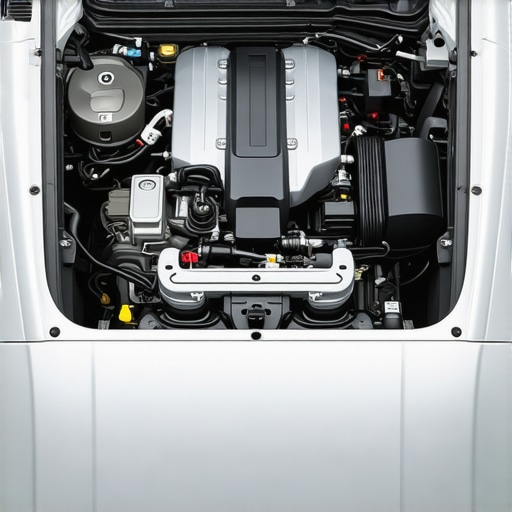
Use your vehicle’s dipstick to assess fluid levels—usually located near the back of the engine bay. With the engine warm and running, pull out the dipstick and check for proper level and clean, pinkish fluid. If it appears dark, burnt, or has debris, it’s a sign to have the transmission serviced promptly. Regularly monitoring the fluid level helps catch leaks early before they lead to shifting issues.
Monitor Vehicle Performance
Pay attention to how your car shifts. Slipping gears, delayed engagement, or a burning smell can indicate low transmission fluid caused by a leak. I once noticed my car reluctance to shift into overdrive, prompting me to examine the transmission seals. Addressing these signs promptly can prevent costly repairs, as detailed in top transmission repair tips.
Work with Professionals for Accurate Diagnosis
If you detect any signs of a leak, avoid the temptation to ignore it. Schedule a check with a qualified mechanic who can perform a pressure test and detailed inspection. They will look for leaks around seals, cooler lines, and gaskets. Remember, catching leaks early isn’t just about avoiding breakdowns; it’s also about maintaining optimal transmission health, as outlined in various repair strategies on restoring your vehicle.
Maintain Proper Fluid Levels for Longevity
Consistently keeping your transmission fluid at the recommended level extends its lifespan and keeps your gears shifting smoothly. Use the owner’s manual or service guide to determine the proper procedure for your specific vehicle. Regularly scheduled services, including fluid replacements, can prevent leaks from developing or worsening, with guidance available at essential vehicle checks.
 Many automotive enthusiasts and everyday drivers alike believe they understand the essentials of car maintenance, but there are often nuanced truths and pitfalls that are overlooked. Contrary to popular belief, not all auto repair advice is universally applicable, and some widespread myths can lead to costly mistakes. Let’s explore some of these misconceptions and shed light on the hidden nuances that can make a significant difference in your vehicle’s longevity.
One common myth is that “using generic or low-quality parts won’t affect your car’s performance.” In reality, the quality of replacement components, especially for critical systems like your transmission or brakes, directly impacts reliability and safety. Opting for subpar parts may save money upfront but can cause frequent failures or even lead to complete system breakdowns. Advanced repair strategies, such as those discussed on restoring your vehicle, emphasize the importance of high-quality replacements for long-term durability.
Another widespread misconception is that “once a system seems to work fine after a repair, there’s no need for further inspection.” This can be a costly oversight. Many vehicle issues, especially within transmission or brake systems, have underlying causes that aren’t immediately apparent. Early signs like abnormal noises or shifting delays might resolve temporarily but can re-emerge as serious problems if ignored. Regular diagnostic checks, as recommended in auto repair guides, help detect these hidden issues before they escalate.
A particularly tricky trap involves the belief that DIY repairs are always sufficient. While basic maintenance like oil changes or replacing air filters can be manageable, complex elements such as transmission rebuilds or brake system overhauls require professional expertise. Incorrect repairs can lead to misalignment or damage, compromising safety. As highlighted in expert studies, proper calibration and professional tools are essential for ensuring repair accuracy and safety.
**Why do so many fall for these myths despite the risks?** The answer lies in the subtle nuances of vehicle systems. For example, transmission leaks can be deceptively easy to overlook because they initially manifest with minor symptoms. However, advanced diagnostics reveal that these leaks often stem from worn seals or gaskets that require expert intervention. Recognizing these signs early, rather than waiting for obvious failure, is key to saving money and maintaining safety.
Have you ever fallen into this trap? Let me know in the comments. Remember, a well-informed approach to car care includes understanding these hidden nuances and avoiding the pitfalls that trap many drivers. For comprehensive tips on managing transmission and other critical systems, explore the detailed strategies at top transmission repair tips. Staying ahead of these issues ensures your vehicle remains dependable and safe on the road.
How Do I Keep My Transmission and Brake Systems Running Smoothly Over Time?
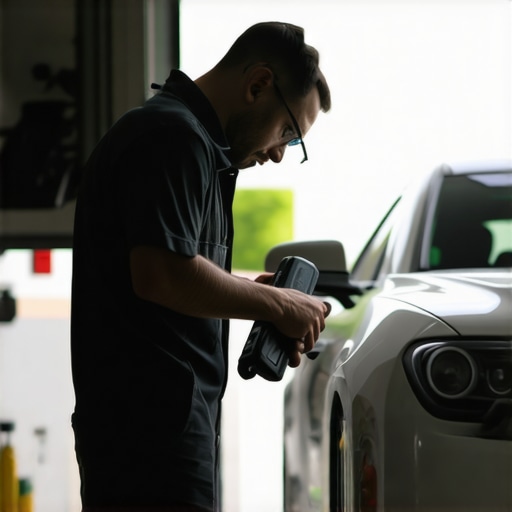
Maintaining your vehicle’s critical systems requires the right tools combined with a disciplined approach. I personally rely on a high-quality automotive scan tool like the Autel MaxiCOM MK808 because it allows me to perform comprehensive diagnostics, including reading and clearing transmission and brake fault codes. Its intuitive interface and extensive vehicle coverage save me significant time and help catch issues early, preventing costly repairs down the line. Regularly updating its software ensures that I stay ahead of the latest diagnostic procedures, critical as vehicle electronics become more complex.
For physical inspections, I swear by a good mechanic-grade flashlight with adjustable brightness, which helps me spot leaks and corrosion beneath the car without hassle. Paired with a digital multimeter like the Fluke 117, I can verify electrical system health, ensuring that sensors and modules communicate correctly. These tools allow me to perform routine checks, like testing the resistance of brake sensors or reading voltage drops, which are vital for long-term reliability.
When it comes to fluid maintenance, I recommend a precision fluid extractor that minimizes spillage and allows you to check fluid quality without disassembling components. This way, you can promptly identify contamination or degradation that might signal pending leaks or system fatigue. Incorporating regular fluid testing—either visually or with dedicated testers—can extend transmission and brake system lifespan considerably.
Looking ahead, the trend is moving toward integrated diagnostics with advanced telematics, enabling remote monitoring of vital systems. Imagine receiving real-time alerts on your smartphone if a leak or sensor fault is detected, saving you from roadside surprises. As vehicle electronics evolve, having a robust diagnostic toolkit and proactive maintenance habits will be crucial.
What’s the Best Way to Ensure Durable Car Maintenance Practices?
Developing a consistent maintenance routine based on manufacturer recommendations is key. I schedule detailed inspections every 6,000 to 12,000 miles, using tools like the aforementioned scanner and manual checks of fluid levels and physical components. Documenting each inspection helps identify patterns and sets a baseline for diagnosing future issues. Regular visits to a trusted mechanic, especially for transmission fluid flushes and brake system evaluations, complement DIY checks and ensure your systems are maintained optimally.
Another tip I follow is to keep a detailed maintenance log—this helps me track replacement dates and component wear, making it easier to plan repairs proactively. As service professionals often recommend, sticking to a regular schedule prevents minor issues from escalating into major failures. For specialized guidance tailored to your car model, visiting detailed expert resources such as auto repair guides is invaluable.
Practice diligent maintenance and leverage modern diagnostic tools, and your vehicle’s transmission and braking systems will reward you with longer service life and fewer emergencies. I challenge you to try integrating a professional-grade scanner into your routine—you might be surprised at the issues you can catch early, saving yourself hundreds of dollars and stress.
< >
>
Stay tuned for more expert-backed tips on maintaining your vehicle for decades of reliable service. Remember, proactive care today prevents costly repair bills tomorrow.
3 Lessons That Changed My Approach to CollisionRenew and Auto Repair
One of the most valuable insights I’ve gained is that early detection of transmission issues isn’t just a technical task; it’s a mindset shift. Recognizing subtle signs like a faint puddle or slight shift hesitation can save you hundreds and protect your journey. Another key lesson is that relying solely on visual cues can be misleading—investing in a quality diagnostic scanner has transformed how I maintain my vehicle, catching problems before they escalate. Lastly, I’ve learned that patience and ongoing education empower you to make smarter decisions, turning routine checks into a proactive shield against roadside surprises.
Tools and Resources That Elevate My Car Maintenance Routine
I trust the ultimate auto repair guide for in-depth insights and planning. For diagnostics, the Autel MaxiCOM MK808 has been a game-changer, enabling me to pinpoint issues early and avoid costly repairs. When inspecting physically, a high-quality mechanic-grade flashlight and a digital multimeter like the Fluke 117 help me ensure my systems are in top shape. These tools have become essential in my effort to extend my transmission and brake systems’ lifespan, and I recommend others embrace them too.
Embrace the Power of Preventive Action Today
Your vehicle’s transmission isn’t just a mechanical component; it’s the heart of your drive. By applying these lessons and leveraging trusted tools, you make a powerful investment in your safety and peace of mind. Don’t wait for a roadside emergency—take control of your car’s health now. Start small, stay consistent, and celebrate the difference it makes in your everyday drive. Ready to transform your approach to auto care? Let me know if you’ve faced a situation where early signs saved your trip or wallet. Share your story below—I’d love to hear from you.