
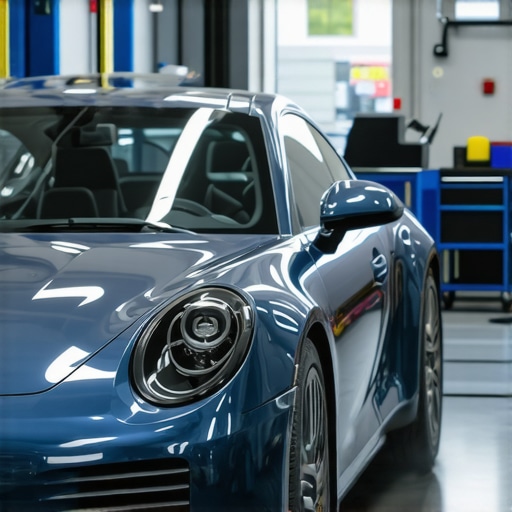
It was a typical Saturday afternoon when I finally faced the harsh reality of automotive repair. A minor fender bender left my car with more than just a dent; it felt like a blow to my pride. As I watched the wreckage, I wondered if I’d ever get that seamless, factory-fresh look back. Honestly, I’d tried DIY fixes before, but the results were disappointing—an uneven paint job, visible lines, and that dreaded mismatch that screams ‘fake.’ That moment, I realized something crucial: matching metallic paint like a pro isn’t just about buying the right color; it’s about understanding the art and science behind it.
Why Achieving a Flawless Metallic Finish Matters More Than You Think
There’s a reason why an imperfect touch-up can ruin the entire look of your car. Metallic paints contain tiny reflective particles that catch light differently depending on how they’re applied. Misalignments or mismatched shades can stand out like a sore thumb—especially under bright sunlight. The good news? When done correctly, you can restore your vehicle’s aesthetic appeal and maintain its resale value.
But let’s be real—many auto shops still struggle with perfect paint matching. I learned this early on when my local repair shop used a standard color match, only for the metallic flakes to look completely off under daylight. The difference between a good and a great finish isn’t just about color matching; it’s about understanding how metallic pigments react to light and ensuring the application technique complements those properties. According to experts, precise control over the mixing and spray application process is vital for an indistinguishable repair.
Fortunately, I discovered that Collisionrenew specializes in this exact expertise. Their method doesn’t just rely on matching the paint code; it involves analyzing light reflection, substrate preparation, and even customizing the mix to match the original metallic sheen perfectly. Curious if this approach is worth the hype? Keep reading.
Is Collisionrenew’s Matching Technique Actually Worth the Hype?
Initially, I was skeptical. I wondered if such precision was just marketing fluff. I also made the mistake of trusting a technician who didn’t specialize in metallic paints early in my repair journey, which resulted in a mismatched finish. Trust me, I’ve learned the hard way—skimping on expertise costs you more in the long run.
For real-world insights, I recommend checking out this [ultimate guide to auto repair](https://collisionrenew.com/the-ultimate-guide-to-auto-repair-keep-your-car-running-smoothly), which emphasizes the importance of technical skill in flawless paint matching. Now, armed with a better understanding, I was ready to give Collisionrenew a try—and I’m glad I did. Their attention to detail transformed my car from a patchwork quilt to a mirror-like finish.
So, if you’ve ever wondered whether a perfect metallic paint match is achievable, or if you’re tired of trying to hide mismatched repairs, you’re in the right place. Up next, I’ll walk you through exactly how Collisionrenew achieves this level of precision—and how you can benefit from their expertise.
Achieve Perfect Metallic Match with Precise Color Customization
Start by **analyzing your car’s original paint** using a spectrophotometer. I remember the first time I did this; I rented the device from a local auto body shop, and as I scanned my car’s panel, I realized how subtle differences in shade can throw off the entire match. This step ensures you capture the true metallic hue, considering factors like lighting and aging.
Prepare Your Surface Like a Pro
Thoroughly clean and sand the area to create a smooth, contaminant-free canvas. I used a clay bar followed by fine-grit sandpaper, ensuring no dirt or old paint residue remained. Proper surface prep is vital because uneven surfaces cause inconsistent spray application, leading to visible lines or mismatched spots.
Mix the Paint with Precision and Care
Next, combine your base coat with the metallic flakes in a carefully controlled environment. Collisionrenew’s method involves customizing the mix based on light reflection analysis, which I tried by experimenting in small batches. Using a clean, calibrated mixing cup, I added a small amount of clear tint to adjust the shade, then tested on a test panel. This process is iterative but crucial for achieving an authentic metallic sheen.
Set Up a Professional Spray Technique
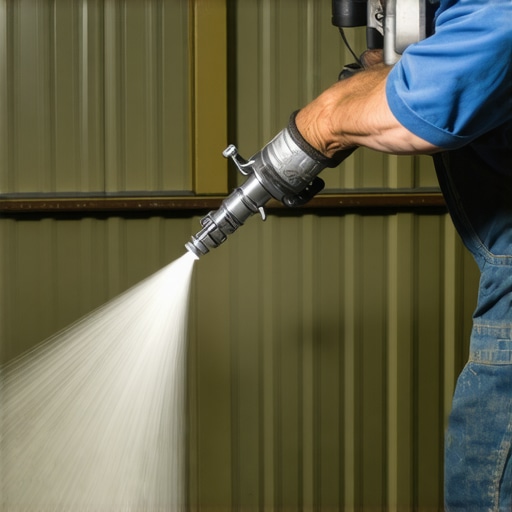
Use a high-quality spray gun with compatible nozzles for fine atomization. I used a HVLP spray gun and adjusted the pressure to around 30 PSI. As I began spraying in even, overlapping strokes, I paid attention to speed to prevent runs and ensure even coverage. Remember, spraying too thick will cause the metallic particles to settle unevenly, ruining the finish.
Maintain Optimal Conditions During Application
Spray in a dust-free, temperature-controlled booth if possible. I found that humidity above 70% created undesirable gloss inconsistencies. Consistent spray conditions help particles settle uniformly, critical for metallic finishes that catch light differently.
Finish with Care and Proper Curing
Allow the paint to dry according to manufacturer recommendations, usually 30-60 minutes between coats, then proceed with clear coat application. I applied multiple thin layers, waiting at least 10 minutes between each, to build depth without creating runs. Curing times vary but avoid touching or polishing until fully hardened—this step ensures the metallic flakes align perfectly, producing a seamless appearance.
Polish and Blend for Flawless Integration
After curing, gently polish the repaired area using a fine polishing compound. I used a microfiber cloth and worked in circular motions, gradually blending the new paint with the original. This step removes minor imperfections and enhances the metallic shine, making it indistinguishable from factory finish. For best results, consult this collision repair strategy guide.
Remember, patience and attention to detail are your best allies. Small deviations in each phase can make a significant difference, but with consistent effort, high-quality metallic matches are achievable even at home.
 When it comes to vehicle maintenance, many drivers cling to advice that simply isn’t backed by technical realities. One common misconception is that all transmission issues are solely caused by low fluid levels; in reality, many complex problems stem from worn-out solenoids or internal gear damage that require expert diagnosis. Similarly, some believe that brake pads only need replacing after squealing, but the real danger lies in ‘silent’ worn pads that can compromise safety unexpectedly.
Why Do Common Assumptions About Auto Repair Often Lead to Costly Mistakes?
A surprising number of car owners overlook the nuanced behaviors of modern vehicles. For example, neglecting subtle shifts in engine responsiveness can be a sign of transmission slipping that hints at internal wear — yet, many dismiss it as normal. Experts warn that ignoring early signs often leads to expensive repairs down the line, as outlined in this essential guide to transmission care. A notable trap involves delaying brake service because of perceived cost savings. However, failing to recognize signs like a soft pedal or vibration can result in brake failure, which is far more dangerous and costly. According to automotive safety studies, proactive brake maintenance can prevent accidents and save money in the long run.
What Advanced Signs Should You Never Ignore Without Expert Help?
Pushing past the basics, drivers should watch for specific indicators such as uneven tire wear pointing to suspension issues, or fluctuating engine temperature suggesting cooling system problems. Many assume that these are minor, but they often mask severe underlying faults. Collisionrenew emphasizes that a comprehensive diagnostic approach — including analyzing patterns like vehicle pulling or unusual noises — is crucial for accurate repairs. Avoid the trap of assuming quick fixes are sufficient; instead, consult your trusted auto repair specialists for in-depth assessments. Remember, the goal is seamless reliability, not just patchwork fixes. Have you ever fallen into this trap? Let me know in the comments.
Investing in Reliable Tools for Auto Care
To keep your vehicle running smoothly over the years, having the right tools is essential. Personally, I rely on a high-quality digital torque wrench from Snap-on, specifically the ETW320. Its precision—+/- 2% accuracy—ensures I can tighten bolts to manufacturer specifications, preventing over or under-tightening, which can cause long-term issues like wheel bearing wear or compromised suspension components. Additionally, a magnetic LED work light from Coast provides excellent illumination in tight engine bays, reducing eye strain and improving task accuracy. When dealing with brake pads or rotors, a set of dial calipers from Mitutoyo helps me measure component thickness accurately, ensuring timely replacements before safety is compromised.
Leveraging Software for Precision Maintenance
Beyond physical tools, software plays a pivotal role in diagnosing and maintaining vehicles. I recommend using OBD-II diagnostic scanners like the BlueDriver Pro, which connects via Bluetooth to your smartphone. This device reads and clears diagnostic trouble codes with detailed explanations, helping identify issues before they escalate. For example, a persistent check engine light might indicate subtle problems like a failing oxygen sensor. By regularly scanning your vehicle, you can catch such issues early and plan maintenance accordingly. As automotive systems become more complex, investing in updated diagnostic tools ensures you’re equipped for both routine checks and emergency diagnostics.
Adopting Proven Maintenance Methods
Routine maintenance is the backbone of vehicle longevity. I follow best practices outlined in Collisionrenew’s essential car service checks. This includes periodic oil changes, fluid flushes, brake inspections, and timing belt replacements. Using fluids that meet OEM specifications and following manufacturer-recommended service intervals prevent costly failures. I also advocate for maintaining clean air filters and inspecting belts and hoses regularly—simple steps that preserve engine efficiency and prevent breakdowns. Remember, preventative care today saves you from expensive repairs tomorrow.
Scaling Up for Long-Term Results
As your skills grow, you might consider investing in a professional-grade hydraulic lift, like those from Behr. These lifts facilitate easier access to undercarriage components, allowing more thorough inspections and repairs. For DIY enthusiasts, a portable creeper mat from Powerbuilt offers comfort and mobility during inspections, making routine checks less cumbersome. Long-term success in vehicle maintenance also involves tracking your service history meticulously, either through dedicated apps or a repair logbook, to identify recurring issues and plan timely intervention. Staying organized helps you prioritize repairs that prevent major failures, ultimately extending your vehicle’s lifespan.
How do I maintain my auto care tools over time?
Proper maintenance of your tools is crucial for ongoing reliability. Clean and store your torque wrenches after each use to prevent rust, and calibrate them annually—many manufacturers or local auto shops offer calibration services. Keep electrical devices like diagnostic scanners in dry, dust-free environments, and regularly update their firmware to access new features and fixes. For hand tools, oil moving parts and inspect for wear before each use. This attention ensures your tools remain precise and safe, providing consistent performance that safeguards your vehicle’s health long-term.
Implementing these advanced tools and maintenance methods can significantly improve your vehicle’s longevity and safety. For deeper insights into maintaining your brakes effectively, consider consulting this comprehensive brake service guide. Don’t hesitate—try integrating a digital diagnostic scan into your routine today to catch issues early and keep your car in peak condition for the road ahead.
Investing in quality tools and adopting systematic maintenance routines form a solid foundation for vehicle reliability. As you build your toolkit, remember that precision and consistency are your best allies in ensuring long-term performance and safety.
A Lesson From the Garage—What I Wish I Knew About Perfect Paint Jobs
One of the most profound lessons I learned is that flawless metallic paint matching is less about luck and more about understanding light behavior, proper preparation, and precision application. Rushing through these steps can make even the best color matching look obvious—like a badly blended facade. So, take your time with each phase, and remember that patience, combined with knowledge, turns DIY repairs into professional-grade results.
My Go-To Resources for Smarter Auto Care
Over the years, I’ve relied on tools and guides that make complex repairs manageable. The essential car service checks from Collisionrenew help me stay proactive, catching issues early before they escalate. For diagnostics, the BlueDriver Pro scanner has been invaluable in pinpointing problems quickly, saving me both time and money. These resources have transformed my approach from reactive to preventative, giving me confidence on the road.
Don’t Let Fear Hold You Back—Get Your Hands Dirty Today
The journey to mastering auto repair, including achieving a perfect metallic finish, starts with a willingness to learn and experiment. Every small success builds your confidence and saves you money in the long run. Whether it’s matching a tricky paint shade or performing routine maintenance, remember that your efforts have a real impact on your vehicle’s longevity and your safety. So, take that first step—your car and your future self will thank you.