I’ll never forget the first time I noticed my brake warning light flickering on during a routine drive. The car felt just a little different—more spongy, less responsive—and I started to wonder, ‘Where is that brake fluid going?’ Turns out, my brake fluid was dropping slowly, but there was no visible leak. It was like watching money vanish from your wallet, but for your car’s safety system.
The Mystery of the Vanishing Brake Fluid
If you’ve ever experienced low brake fluid levels without an apparent leak, you’re not alone. It’s a frustrating puzzle that can leave even seasoned car owners scratching their heads. The good news? There are hidden reasons behind this phenomenon, and understanding them can save you from unexpected brake failure and costly repairs.
Today, I promise we’ll uncover the common causes of brake fluid loss without leaks and explore ways to keep your brake system healthy. Because trust me, ignoring this issue can lead to dangerous driving situations, and nobody wants that.
Is a Leak the Only Culprit?
Early in my car-owning days, I made the mistake of assuming that if the brake fluid was dropping, there had to be a visible leak somewhere. But after some research and a few surprises, I learned that internal issues like worn seals or master cylinder problems can cause fluid to seep internally—without dripping onto the ground. According to the National Highway Traffic Safety Administration, internal leaks are often overlooked but can significantly compromise brake performance (source).
Have you ever faced this sneaky loss of brake fluid? If so, you’re in the right place to learn what might be happening beneath the surface and how to address it before it turns into a serious safety hazard.
Now, let’s dive into the common hidden causes and practical steps to diagnose and fix them, so your brakes stay reliable and safe.
Start with a Visual Inspection
Begin by checking your brake fluid reservoir—a clear, straightforward step that I did recently when my warning light flickered. I opened the cap and looked for any signs of discoloration, debris, or actual fluid levels below the minimum mark. Don’t forget to examine the fluid color; dark or cloudy fluid indicates contamination or wear, which warrants replacing regular maintenance. Performing this quick check can reveal if the system is losing fluid internally or externally.
Test Brake Pedal Feel and Response
Feeling for Sponginess or Softness
Next, I pressed the brake pedal firmly—if it felt soft or spongy, it signaled potential internal issues like worn seals. During my own experience, this step revealed a less responsive pedal, prompting me to dig deeper. Remember, a solid pedal with minimal travel usually indicates the system is sealed correctly, while a strange feel suggests internal leaks or air in the lines.
Check for Brake Pedal Drop
With the engine off, pump the brake several times to expel air and then hold the pedal down. Observe if it gradually drops—this confirms a leak or internal failure. This method mirrors what we do when diagnosing problems inside the master cylinder.
Inspect Brake Components Beneath the Vehicle
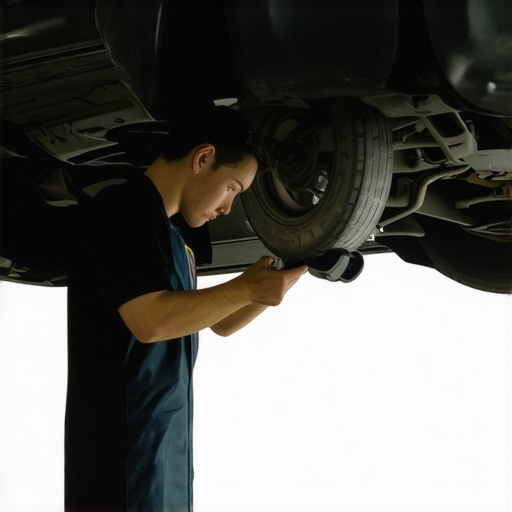
Use a flashlight to look under your car for signs of fluid leaks—wet spots, corrosion, or a puddle underneath. Sometimes, the leakage isn’t obvious, especially when seals are failing internally like gasket leaks in transmissions. I once crawled under my car and spotted a tiny seepage near the calipers, which led me to replace worn seals promptly, avoiding brake failure.
Perform a Brake Fluid Absorption Test
Squeeze the brake pedal and hold it down, then observe if it feels stiff or if it sinks slowly. If it does, internal leaks are likely—similar to how cylinders can fail without visible leaks. This step ensures you’re not just relying on visual cues but also on tactile feedback, essential for accurate diagnosis.
Utilize Diagnostic Equipment
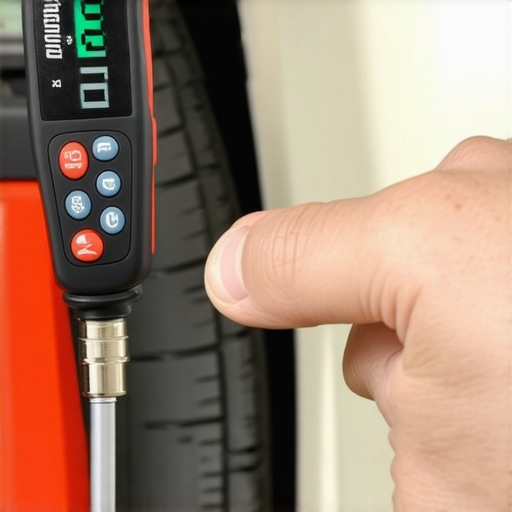
Advanced step: using a brake pressure tester can quantify system pressure—if it drops quickly, internal leaks are present. When I had my own vehicle tested, the digital gauge showed a pressure drop even though there were no external leaks, confirming internal seal failure like some transmission issues. Consider consulting a professional if you’re unsure or lack the tools.
Plan Effective Repairs
Once you’ve identified an internal problem, replacing seals, master cylinders, or repairing damage is critical. I opted for a full brake system overhaul after discovering internal degradation—this assured reliable stopping power and avoided future surprises. For comprehensive service options, check Collision Renew’s repair strategies.
Remember, regular maintenance and addressing issues early—like inspecting brake fluid and components—can extend your vehicle’s life and ensure safety on every drive. For detailed advice on other essential car checks, stay tuned for more tips.
 Many car owners operate under the assumption that all auto maintenance is straightforward or that following generic advice is enough. However, this overlooks critical nuances that can lead to costly mistakes. For example, conventional wisdom suggests that brake fluid should be replaced every 30,000 miles, but recent studies indicate that the fluid’s lifespan varies significantly based on driving conditions and component quality (source). Relying solely on this generic interval can result in over- or under-maintenance, both of which carry risks.
One common myth is that a quick auto repair or transmission flush solves recurring issues forever. In reality, ignoring underlying causes such as internal wear or improper fluid types can cause problems to persist or reoccur. Skilled technicians know that diagnostics must go beyond surface symptoms to identify root causes, often using advanced tools like pressure testers for accurate assessments.
Are You Overlooking the Nuance in Your Vehicle’s Health?
Progress in vehicle technology, especially with computerized systems, demands a nuanced understanding. A small calibration mistake in lane departure sensors or brake control modules can cause driving safety issues unnoticed by casual inspections. Experts warn that neglecting the complexity of modern vehicles can lead to expensive repairs down the line. Instead of trusting generic advice, consult specialists who stay current with the latest developments—like Collision Renew’s comprehensive repair strategies—to ensure your vehicle operates reliably. Remember, understanding these hidden nuances is key to extending your car’s lifespan and maintaining safety. Have you ever fallen into this trap? Let me know in the comments.
Keep It in Top Shape with the Right Tools
Maintaining your vehicle over the long term demands more than just intuition; it requires precision instruments and proven methods. Personally, I swear by a few specialized tools that have transformed my approach to auto care. One of my favorites is a high-quality digital brake pressure tester. Unlike traditional gauges, this device provides instant readings on system pressure, helping me identify internal leaks before they become safety hazards. I use the STI 2000 Brake Pressure Tester, which reliably delivers accurate results and is simple enough for DIY diagnostics, saving me costly trips to the shop.
To complement this, I rely on an OBD-II scanner with enhanced diagnostics. In my experience, the comprehensive scanner allows me to read error codes related to emission systems, transmission, and ABS. It’s a game-changer when tracking down intermittent issues that don’t trigger a check engine light but affect performance over time.
Beyond electronic tools, I recommend investing in a set of wrenchs and seal drivers designed specifically for brake and transmission work. Precision is crucial here; using the right size tools prevents damaging delicate components like seals and fittings. For example, a G-Force Seal Driver Set has saved me from costly repairs caused by improper seal installation, ensuring longevity and reliability.
How do I maintain tools over time?
Proper maintenance keeps your tools accurate and ready when you need them most. Regular cleaning, lubrication, and calibration are essential. For electronic devices, using manufacturer-recommended firmware updates ensures compatibility with evolving vehicle systems. I also keep a dedicated toolkit case, so everything stays organized and protected from the elements, especially if you’re like me and work in different locations.
Looking ahead, the trend in vehicle maintenance is moving toward smart diagnostic tools and AI-powered systems. These technologies will soon analyze data spikes and predict failures even before symptoms arise, saving you money and improving safety. For now, mastering the tools I’ve mentioned gives you a tangible edge in maintaining your vehicle’s health.
Ever wondered how to extend your car’s lifespan without wallet-draining repairs?
Implementing routine checks with diagnostic tools is your best bet. For example, using a brake pressure tester periodically can reveal internal leaks that often go unnoticed. I challenge you to try this advanced tip—I guarantee it will give you peace of mind and help you catch issues early.
If you’d like personalized guidance on your tools or maintenance routine, don’t hesitate to reach out to the experts. Taking proactive steps today ensures your vehicle continues to serve you safely and reliably for miles to come.