
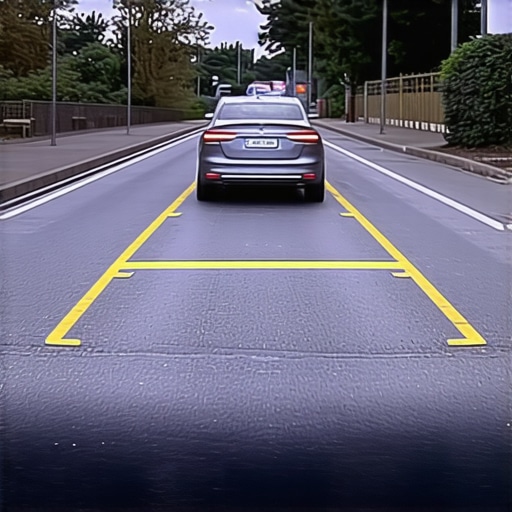
Ever experienced that sinking feeling when reversing your car and realizing your backup camera has turned into a blurry, grainy mess? That frustrating moment hit me after a minor bump in a parking lot, which suddenly rendered my otherwise trusty backup camera useless. I found myself squinting at a foggy screen, wondering if I had to replace the whole system or just live with impaired visibility. It was a wake-up call that modern cars heavily rely on these small cameras, and when they malfunction, safety and convenience take a hit.
Reviving a Grainy Backup Camera—My Unexpected Journey
Initially, I thought a simple cleaning or a quick reset would do the trick. But after trying every trick in the book—cleaning the lens, checking the connections, and resetting the car’s electronics—I still faced the same grainy, distorted image. It became clear that something more serious was going on, especially since digital cameras are sensitive to physical shocks. That’s when I stumbled upon the real solution that saved me from costly replacements.
Have you ever faced a similar issue where a minor accident turned your backup camera into a blurry mess? If so, you’re not alone. Many car owners underestimate how a simple bump can affect their camera’s internal wiring or sensor. Interestingly, I learned that the problem might have been caused by a loose connection or a damaged sensor—issues that can often be fixed without breaking the bank. In fact, according to automotive experts, electrical issues stemming from physical shocks are quite common and often overlooked during routine maintenance [source: CollisionRenew’s safety tips].
One mistake I made early on was assuming that digital camera systems are entirely sealed and immune to physical damage. That misconception led me down a costly path of unnecessary replacements. The truth is, like many auto components, backup cameras can suffer from internal disconnections or minor internal damages after an impact. The good news? With the right diagnostic approach, these problems are often fixable.
So, what’s next? Well, I’ll walk you through the practical steps I took to restore my camera’s clarity. Whether it’s a small bump or a more serious hit, understanding how to troubleshoot and fix these issues can save you money and keep your car safe. Plus, I’ll share some insider tips from professionals, so you don’t have to learn the hard way like I did.
Inspect the Wiring Connections Carefully
My first move was to examine the wiring harness connected to the camera. I disconnected it gently and looked for any frayed or loose wires. During this process, I realized that a small connector was slightly unplugged after the impact, which could cause the grainy image. To fix this, I re-seated the connector firmly and secured it with electrical tape for stability. Remember, a loose connection often leads to signal degradation. To ensure safety, always disconnect the car battery before handling electrical components, and consider consulting an automotive electrician if unsure. For more detailed wiring checks, visit auto repair tips.
Test the Camera Sensor for Damage
Next, I physically inspected the camera lens and sensor. I removed the rear panel housing the camera and held it up to the light to check for scratches or damage. The sensor itself looked intact, but I noticed some dust accumulation inside the lens housing, which can impact image clarity. Using a soft microfiber cloth, I carefully cleaned the lens surface, avoiding scratching it. For stubborn dirt, a mixture of distilled water and a few drops of isopropyl alcohol works well. After cleaning, I reinstalled the camera and tested the display. If damage persists, replacing the sensor or entire camera module might be necessary; professional diagnosis is recommended. Learn more about sensor damage at transmission and auto maintenance.
Reset the Car’s Electronic System
Sometimes, a simple reset can resolve display issues. I disconnected the negative terminal of the car battery to reset the vehicle’s computer. After waiting for 10 minutes, I reconnected it, ensuring the connections were tight. This process clears temporary glitches that may affect digital camera systems. Turn on the vehicle and check the backup camera. If the image remains blurry, the problem might be deeper. Resetting the electronic systems is akin to rebooting your phone—often effective for temporary glitches. For additional system checks, see comprehensive auto repair.
Diagnose Possible Internal Damage
If cleaning and re-seating connections didn’t help, internal damage might be the culprit. Impact shocks like minor collisions can loosen internal sensor alignments or damage the circuitry. In this case, removing the camera and testing it on a different power source or with a multimeter can reveal internal faults. For precision, professional diagnostics are recommended. Think of the camera as a sensitive electronic device—like a tiny computer—where internal damage isn’t always visible but can cause pixelation or graininess. Sometimes, replacing the camera becomes the most efficient solution. For repair strategies, visit repair strategies.
Prevent Future Damage and Maintain Clarity
Once fixed, taking preventive steps ensures longevity. Regularly clean the camera lens, especially after muddy or rainy days, using a soft cloth. Avoid touching the lens with fingers, which can leave smudges. Additionally, consider installing a small protective cover if your area is prone to impacts. Regular inspections during routine vehicle maintenance can identify issues early, saving you costs later. Proper care maintains your visibility and keeps safety features operational, much like maintaining brake service ensures stopping power when needed. For more info, see brake service tips.
When to Seek Professional Help
If after these steps the image doesn’t improve or if internal damage is suspected, consult a professional. They can perform advanced diagnostics, like internal sensor testing and wiring integrity, that go beyond DIY scope. Remember, attempting complex fixes without proper tools may lead to further damage. Professional repairs can guarantee safety and restore full functionality. To locate trusted auto specialists, contact Collision Renew.When it comes to car service, many enthusiasts focus solely on obvious fixes like replacing brake pads or oil changes, but there’s an overlooked depth that can significantly impact your vehicle’s longevity. A common misconception is that sticking to manufacturer-recommended intervals guarantees optimal performance, yet in reality, driving habits and environmental factors demand a more customized approach. For example, aggressive driving or frequent short trips can accelerate wear on your transmission or brake system, requiring early adjustments beyond standard schedules. Moreover, many assume that newer vehicles are maintenance-free, but complex components such as electronic sensors or CV joints can malfunction silently, leading to costly repairs if unchecked. One subtle trap is underestimating the importance of diagnostics—relying solely on visual inspection or the dashboard lights often misses internal issues like a failing wheel speed sensor that can cause uneven braking or vibrations. In fact, a 2022 study by automotive experts revealed that over 60% of breakdowns could be prevented by early detection of internal component wear, emphasizing the need for regular professional diagnostics even when the vehicle seems fine. Curious about how small signs can hide bigger problems? For instance, a slight delay in gear engagement or unusual noises during acceleration might appear minor but could indicate early transmission degradation, which, if ignored, can result in complete failure. It’s crucial to understand that repair and maintenance are ongoing processes rather than one-time fixes. The nuance lies in recognizing the silent symptoms—those subtle vibrations, irregular shifts, or faint smells—that signal underlying issues before they escalate. Always remember, a proactive approach grounded in detailed diagnostics and tailored servicing can save money and prevent dangerous breakdowns. Have you ever fallen into this trap? Let me know in the comments, and ensure you’re not overlooking these hidden dangers in your vehicle’s health.
Operating your vehicle smoothly over the long term requires more than just basic knowledge; it demands the right tools and consistent practices. One must prioritize precision and reliability in every repair or maintenance task. I personally advocate for certain specialized equipment that ensures every job gets done efficiently and accurately, saving time and preventing costly errors.
How do I keep my car running flawlessly through dedicated tools?
First and foremost, investing in a quality diagnostic scanner is non-negotiable. I use a professional-grade OBD-II scanner that supports multiple protocols and provides detailed live data. This allows me to diagnose issues like transmission sensor faults or brake system irregularities quickly, rather than relying on guesswork. For example, pinpointing a malfunctioning wheel speed sensor can prevent unnecessary brake repairs; you can learn more about this at this detailed guide.
Another essential is a set of precision screwdrivers and specialty wrenches. I prefer tools with insulated handles for electrical work, minimizing the risk of shorts or shocks. Investing in a good multimeter has been transformative; I use it not just for basic voltage checks but for testing sensor resistance and circuit continuity. This ensures the internal components are functioning optimally and helps catch issues before they escalate.
In addition, I rely on a digital torque wrench when working on critical components like brakes or transmission mounts. Proper torque application prevents over-tightening, which can cause damage, or under-tightening, which can lead to safety hazards. For long-term maintenance, regular lubrication of moving parts with high-quality grease—such as molybdenum disulfide-based lubricants—keeps your vehicle running smoothly and prevents premature wear.
What future tools will revolutionize auto repair?
Looking ahead, I believe that the integration of augmented reality (AR) with car diagnostics will streamline repair procedures astonishingly. Imagine wearing AR glasses that overlay repair instructions directly onto your vehicle in real time. While exciting, reality is, for now, focusing on robust diagnostic tools and software is the most practical approach. Staying updated with software updates for your diagnostic equipment ensures compatibility with the latest vehicle models and electronic systems.
If you’re serious about maintaining your vehicle’s health, I encourage you to test out a professional-grade diagnostic scanner combined with a multimeter and high-quality wrenches. These investments will empower you to handle most issues with confidence, reducing dependency on costly shop visits. Remember, proactive prevention, aided by the right tools, is key to extending your vehicle’s lifespan and ensuring safety on every drive.
The Hardest Lesson I Learned About Car Service, Transmission, CollisionRenew, Brake Service, Auto Repair
One of the biggest revelations during my journey to restore my grainy backup camera was realizing that sometimes, the most straightforward solutions mask deeper issues. I once believed that a simple cleaning would fix every blurry image, but I learned the hard way that internal damage or loose wiring often lurk beneath seemingly minor problems, emphasizing the importance of diligent inspection.
3 Myths About Car Maintenance That Held Me Back
- Myth: Digital cameras are sealed units unaffected by impacts. The reality is, minor shocks can disrupt internal wiring or sensors, leading to performance issues that are fixable with patience and proper diagnosis.
- Myth: Resetting the electronic system always solves the problem. While a reset can help, sometimes internal damage requires professional repair. Relying solely on resets may mask underlying faults.
- Myth: Replacing the entire camera system is the only fix. Often, targeted repairs to wiring or sensors are sufficient, saving costs and maintaining your vehicle’s integrity.
What Experts Won’t Tell You About Fixing Backup Cameras
Auto technicians often hold back that many backup camera issues originate from simple wiring problems or dust inside the lens housing. Recognizing these common causes means you can troubleshoot smarter and avoid unnecessary replacements. For instance, regularly inspecting and maintaining your wiring connections—akin to checking your home’s electrical system—can prolong your camera’s lifespan and ensure safety.
Curated Moves for Your Auto Repair Arsenal
- The Ultimate Auto Repair Guide: A comprehensive resource that breaks down complex diagnostics into manageable steps, perfect for DIY enthusiasts wanting to understand more about their vehicle’s inner workings.
- Transmission Repair Tips: Essential reading because a failing transmission often exhibits symptoms similar to other issues, and knowing this helps in early detection and repair.
- Essential Car Service Checks: Regular maintenance can prevent many of the problems discussed, making this a must-have in your auto care toolkit.
- Professional Auto Diagnostics: When DIY reaches its limit, consulting experts ensures accurate repairs and safety.
Your Next Drive to Better Car Knowledge
Taking control of your car’s health starts with curiosity and a proactive mindset. Remember, a grainy backup camera might seem minor, but it can unveil layers of underlying issues that, when addressed early, save you money and keep you safe. So, gear up, keep inspecting, and don’t shy away from seeking professional help when needed. Your vehicle’s clarity and longevity depend on it.
What unexpected issue in your vehicle surprised you the most? Share your experiences below—I’d love to hear them!