

I was cruising down the highway when suddenly, my steering wheel started to vibrate slightly—a tiny shimmy that I initially shrugged off as highway debris or uneven pavement. But as days went by, that subtle wobble became a persistent annoyance, whispering that something was amiss with my car. It wasn’t a dramatic crash or a noticeable pull; no, it was the quiet, insidious sign that my wheel alignment was way off. And let me tell you, ignoring it could have led to bigger, more expensive problems.
Why Your Car’s Handling Might Be Tricking You
Most drivers don’t realize how critical proper wheel alignment is until they start experiencing noticeable issues. Small misalignments can cause uneven tire wear, compromised safety, and even decreased fuel efficiency. The tricky part? These signs often sneak in subtly, manifesting as minor pulling, vibrations, or uneven tire tread. Recognizing these early warning signs can save you hundreds of dollars on premature tire replacements and major repairs.
Skeptical About Small Changes? Just Remember This
Early on, I made a mistake I hear many others do—I dismissed the slight pull to the right as a tire pressure issue. It wasn’t. According to automotive experts, misalignment is often responsible for uneven tire wear and handling problems before the driver even notices a difference in driving comfort. Relying solely on visual cues like tire tread can be misleading. Instead, pay attention to how your car responds—subtle vibrations, wandering steering, or the way it feels on a straight road.
If you’re unsure whether your wheel alignment is compromised, don’t ignore these signs. Regular checks and maintenance not only extend the life of your tires but also keep your vehicle operating safely and smoothly. For a comprehensive overview of essential car maintenance tips, visit this guide. Soon, we’ll dive into specific ways to identify the signs that your alignment needs immediate attention—and how to address them effectively. Have you noticed a subtle change in your vehicle’s handling lately? Let’s explore how to catch these signs before they turn into costly repairs.
Inspect Your Tires Regularly for Uneven Wear
Start by visually examining all four tires for signs of uneven tread wear, which is a classic indicator of misalignment. Use a tire tread depth gauge to measure wear patterns, focusing on inner and outer tread differences. I remember one time I noticed more wear on the inside edge of my front tires; this prompted me to perform further checks and ultimately visit a mechanic for an alignment. Identifying uneven wear early prevents costly tire replacements.
Test Drive to Detect Handling Anomalies
Take your car on a straight, flat road and observe how it responds. If the vehicle drifts or pulls to one side despite steering corrections, this hints at alignment issues. A simple trick is to loosen your grip on the steering wheel and see if the car stays aligned or pulls in a specific direction. During a recent routine check, I noticed my car subtly wandered left, which led me to schedule a professional alignment. This step ensures your vehicle handles safely and smoothly.
Note Vibrations and Steering Feedback
Pay close attention to vibrations, especially in the steering wheel and any unusual feedback. Vibrations at certain speeds often relate to improper wheel angles or unbalanced tires, but persistent wobbling may signal misalignment. Once, I felt a slight vibration at 60 mph; a quick alignment check eliminated the vibration and improved my ride quality, underscoring the importance of early detection.
Use a DIY Alignment Check Using Basic Tools
For a more precise assessment, set up a simple DIY alignment test. Use a tape measure and chalk to mark reference points on the tires or wheels, then slowly move the car forward to compare distances. In my experience, measuring the toe-in and toe-out can reveal whether your wheels point directly ahead or are errantly angled. If measurements show discrepancies, it’s time for a professional realignment, which can be confirmed by visiting collision renewal experts.
Visit a Trusted Auto Repair Shop for Precise Alignment
While home checks are useful, nothing beats a professional wheel alignment service using specialized equipment. Techs will precisely adjust camber, caster, and toe settings, ensuring wheels are at optimal angles. I always ensure my vehicle is realigned every 10,000 miles or after any noticeable handling issues. Regular alignment checks significantly reduce tire wear and improve fuel efficiency, which makes a noticeable difference in daily driving.
Maintain Your Alignment with Proper Care
Protect your investment by avoiding rough roads, potholes, and curbs that can throw your wheels out of alignment. Gentle driving and attentive parking can extend the effects of a professional alignment. Remember, aligning your wheels isn’t just about safety but also about saving money in the long run by reducing unnecessary tire and suspension repairs. For an ongoing maintenance plan, review this essential car service guide.
Many car owners operate under common myths about transmission and auto repair, believing that with minimal knowledge, they can easily diagnose issues or save money. However, these misconceptions can lead to costly mistakes and overlooked problems. As an automotive expert, I’ve observed that a significant misunderstanding revolves around transmission fluid maintenance. The prevailing belief that topping off transmission fluid suffices for longevity is false; in reality, neglecting regular fluid changes can cause irreversible damage. Studies in vehicular maintenance, including insights from industry leaders, indicate that fresh transmission fluid not only lubricates but also cleans internal components, reducing wear and overheating.
Are Dirty Transmission Fluids Actually Sabotaging Your Vehicle?
One common trap is ignoring the color and smell of your transmission fluid. Dark, burnt-smelling fluid is a warning sign of contamination and degradation. Failing to replace it at recommended intervals, as outlined in top transmission repair tips, can lead to slippage, delayed shifts, or complete transmission failure. Relying solely on your dashboard’s warning lights is another mistake; many drivers overlook subtle symptoms like shuddering or delayed engagement as minor issues, when in fact, these are early signs of internal wear that benefit from professional diagnosis and intervention.
Many auto repair myths also circle around brake service, with some believing that pads need replacement only when they make noise. However, the real nuance is understanding brake fluid’s role in safety. Dark brake fluid indicates moisture contamination, which can lead to spongy pedal feel and brake failure. Regular brake fluid flushes are essential, yet often overlooked by owners trying to cut costs. This oversight can result in rusted calipers, warped rotors, or compromised stopping power — dangers no vehicle should ignore.
In the realm of collision repair, many believe that minor dents are purely cosmetic, but they can hide structural issues. Properly evaluating collision damage requires a trained eye and advanced diagnostic tools. Restoration strategies now emphasize precision within factory specifications to prevent future problems like misaligned panels or compromised safety systems. Rushing repairs without understanding these nuances risks durability and safety, which is why consulting experts is always recommended.
Finally, don’t fall for the misconception that auto maintenance is a simple, one-size-fits-all process. To truly keep your vehicle reliable, understanding the specific needs of your model and adhering to professional advice is crucial. Regular service checks as outlined in this comprehensive guide ensure you’re on the right track.
Have you ever fallen into this trap? Let me know in the comments. Remember, mastering these nuances can save you time, money, and ensure your safety on the road.
Investing in the Right Tools for Reliable Maintenance
To keep your vehicle performing optimally over the years, having the proper tools is essential. I personally rely on a high-quality digital multimeter from Fluke, which allows me to accurately diagnose electrical issues like faulty sensors or wiring problems. Its precision helps prevent minor issues from escalating into costly repairs, ensuring I catch problems early before they affect critical systems. This skill is invaluable for avoiding roadside breakdowns and extending your car’s lifespan.
Another indispensable tool is a wheel alignment camber gauge. I use a magnetic-style gauge that attaches easily to the wheel rim, providing precise measurements of camber and caster angles. Regularly checking these parameters helps maintain proper tire contact with the road, maximizing tire life and safety. Combining this with a portable tire pressure gauge ensures your tires stay at optimal pressure, reducing uneven wear and improving fuel efficiency.
Leveraging Diagnostic Software for Accurate Repairs
Modern auto repair hinges on sophisticated diagnostic tools. I personally recommend OBD-II scan tools like the Autel MaxiCOM. This device connects to your car’s onboard computer, providing real-time data on engine performance, transmission health, and sensor functioning. By analyzing fault codes, I can pinpoint issues accurately—saving time and avoiding unnecessary part replacements. As automotive technology advances, these software tools will become even more sophisticated, allowing for remote diagnostics and predictive maintenance.
For those interested in more in-depth analysis, integrating a professional-grade scan tool with cloud-based diagnostic services can provide ongoing health reports and maintenance alerts. This approach aligns with where the industry is heading—toward proactive vehicle care that minimizes unexpected failures.
Adopting a Preventive Maintenance Mindset
Rather than waiting for warning lights or breakdowns, I recommend scheduling regular checks on vital components. For example, frequent inspections of brake fluid levels and quality can prevent brake failure. Regularly replacing transmission fluid, as outlined in top transmission repair tips, ensures smooth shifting and prolongs transmission life. Implementing these routines can slash overall maintenance costs and keep your vehicle running smoothly for years.
How do I maintain my vehicle’s health over time?
Consistent tracking of fluid conditions, using diagnostic software for early problems, and investing in quality tools form the backbone of effective maintenance. By developing a disciplined approach, you can catch issues early and prevent minor problems from becoming major expenses. For comprehensive guidance on routine checks, I advise reviewing this detailed guide.
Looking ahead, the integration of AI-driven diagnostics and remote monitoring will further revolutionize car maintenance. These technologies will enable proactive repairs, minimizing downtime and improving safety. For now, start by assessing your current toolkit—try upgrading to a reputable scan tool and schedule regular fluid analyses to keep your vehicle running at its best.
If you’re ready to take your maintenance to the next level, I recommend exploring advanced diagnostic tools and keeping detailed logs of inspections and repairs. Doing so not only saves money but ensures peace of mind on every drive.
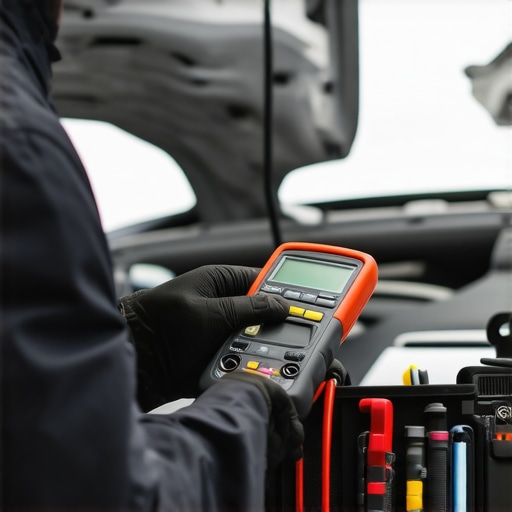
Throughout my years working on cars, I’ve learned that the most valuable insights often come from unexpected places—and that embracing these lessons can save you money and headaches in the long run. In this final segment, I want to share some personal revelations that changed my perspective on transmission, auto repair, and vehicle maintenance, so you can benefit from my experiences.
Lessons That Cut Through the Noise
- Not all warning signs are obvious. I once ignored a slight delay in shifting, thinking it was normal. Turns out, small delays can be early hints of serious transmission issues. Recognizing these subtle cues can prevent costly rebuilds.
- Myth-busting is essential. I believed that topping off transmission fluid was enough to keep my car healthy. I now know that regular fluid changes are vital — old, contaminated fluid accelerates wear and can cause irreversible damage. Always follow expert advice instead of myths to keep your vehicle running smoothly.
- Preventive maintenance is a game-changer. Waiting until brakes squeal or steering feels off is too late. Regular inspections and timely repairs, guided by trusted resources like this comprehensive guide, help catch problems early and extend your vehicle’s lifespan.
My Go-To Resources for Confident Repairs
- Advanced diagnostic tools. I rely on a high-quality OBD-II scanner, such as the Autel MaxiCOM, which provides detailed engine data and fault codes. This tool transforms guesswork into precision, making repairs more accurate and less stressful.
- Specialized repair guides. Online resources like this detailed guide offer step-by-step instructions that empower DIY enthusiasts and help you communicate better with your mechanic.
- Trusted experts. Regular visits to reputable auto shops, coupled with research from sites like collision renewal specialists, ensure your vehicle gets the best care based on current industry standards.
Your Drive Toward Peace of Mind
Auto maintenance isn’t just a routine; it’s a journey of learning and proactive care. Embracing the truths I’ve uncovered about transmission and auto repair can empower you to make smarter decisions, save money, and stay safe on the road. The more you learn, the more confident you become in your vehicle’s health—so take that first step today and keep your car performing at its best.
What’s one repair myth you once believed but now know is false? Share your story below—let’s learn from each other’s experiences!