
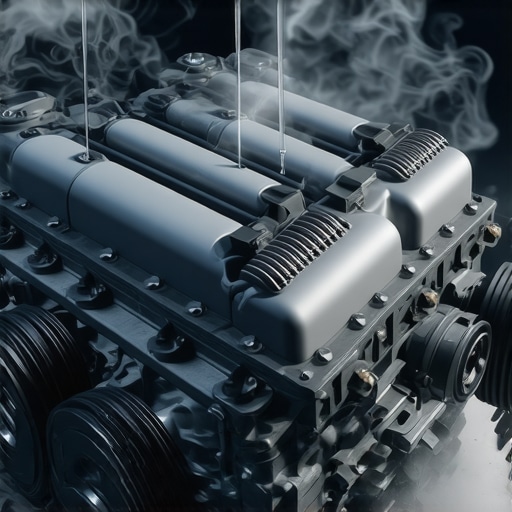
Ever since I first noticed that unmistakable smell of gasoline wafting from my engine bay, I couldn’t help but worry. I’d be driving along, and suddenly that sharp, sweetish odor would hit me—a clear sign that something was off. It felt like my car was trying to tell me, “Hey, something’s wrong underneath the hood.” That lightbulb moment—realizing my engine oil smelled like gas—kicked off a deep dive into what might be causing this teetering imbalance. If you’ve experienced this, you know how unsettling it can be. Well, I’m here to tell you that you’re not alone, and more importantly, there are practical steps you can take to diagnose and fix this issue before it spirals out of control.
How Gasoline Smell in Your Oil Could Signal Underlying Problems
When your engine oil develops a gasoline scent, it’s often indicating that fuel is leaking into your oil system. This may seem minor at first—just a peculiar smell—but it can lead to serious engine damage if ignored. The primary cause might be a faulty fuel injector or carburetor causing excess fuel to seep past seals and into the oil pan. Over time, this dilution compromises lubrication, accelerates engine wear, and can even lead to engine failure. I learned the hard way early on that neglecting this warning sign costs big bucks—so understanding what’s behind this smell is crucial. For an in-depth look into symptoms like this and other auto repair essentials, check out this comprehensive guide.
Is Gas Smell in Oil Actually Worth the Hype?
At first, I was tempted to dismiss the gasoline smell as just a minor nuisance—nothing more than a fleeting odor that would disappear eventually. But as I learned, it’s a genuine red flag. One mistake I made early on was assuming a simple fuel odor was nothing to worry about. Turns out, that assumption could have cost me my engine. According to automotive experts, persistent gas smell in engine oil should never be ignored; it’s a vital signal that your fuel system or seals may be compromised. Recognizing this can be the difference between a quick fix and a costly engine rebuild. Remember, addressing these issues promptly can save you money and keep your vehicle running smoothly for miles to come.
Start with a Visual Inspection of Your Fuel System
My first move was to open the hood and visually check the fuel injectors, hoses, and carburetor for signs of leaks or damage. It’s like inspecting pipes under a sink when you notice a leak—look for wet spots, cracks, or loose fittings. I carefully examined each component, feeling for any unusual wetness or build-up. This quick visual check can reveal obvious issues such as cracked seals or loose clamps that allow excess fuel into the engine compartment. If you notice any damage, replacing faulty parts should be your first priority. For a detailed overview of components involved, see top transmission repair tips.
Use a Diagnostic Scanner for Trouble Codes
Next, I connected a diagnostic scanner to my vehicle’s OBD-II port. This device checks the engine’s computer for stored error codes, which often point directly to issues like faulty fuel injectors or sensors. Think of it as a doctor’s MRI—providing a clear picture of internal problems. If codes related to the fuel system or engine misfire appear, they confirm that the problem extends beyond surface-level inspection. This step saves time and prevents unnecessary part replacements. For guidance on interpreting codes, visit this diagnostic guide.
Perform a Fuel Pressure Test to Assess System Integrity
With the scanner data in mind, I proceeded to perform a fuel pressure test. Using a fuel pressure gauge, I disconnected the Schrader valve and attached the gauge to measure pressure at the fuel rail. If the pressure is abnormally high or fluctuates wildly, it indicates issues like a stuck-open fuel pressure regulator or a leaking fuel injector. I remember once, my pressure spiked unexpectedly, which pointed straight to a defective regulator. Replacing a fuel pressure regulator is straightforward but crucial—failing to do so can cause fuel to seep into the oil. For detailed instructions, visit here.
Isolate Potential Leak Paths and Fix Them
After confirming system issues, I isolated the leak paths by sequentially disconnecting hoses and inspecting seals. Using a flashlight and mirror, I examined injectors and seals more closely. If seals appeared cracked or swollen, I replaced them immediately. When I replaced the faulty injector, I also cleaned the surrounding area to prevent future leaks—like fixing a leaky faucet and cleaning the basin. This targeted approach not only stops the immediate problem but also prevents further contamination. For detailed repair procedures, see quarter panel repairs without removal.
Flush and Replace Engine Oil for Safety
Once repairs were complete, I drained my contaminated engine oil—because no matter how well you fix the leak, residual fuel and debris can still circulate in the system. Replacing the oil filter was essential. I then refilled with fresh, high-quality oil suited for my vehicle. This step ensures proper lubrication and prevents long-term engine damage. Regularly checking your oil helps catch issues early. For detailed information on extending your vehicle’s life, check essential car service checks.
Monitor the Car and Verify the Fix
After completing repairs and oil change, I took my car for a test drive, listening for unusual sounds and smelling for the gasoline odor. I also returned to my garage and re-checked the oil for any lingering smell or contamination. Consistent monitoring over the next few days confirmed that the problem was resolved. If the smell persists, it might be necessary to revisit one of the earlier steps or consult a professional. For ongoing maintenance tips, see auto repair essentials.
By following these concrete steps—visual inspection, diagnostics, system testing, targeted repairs, and oil change—you can effectively tackle gasoline smell in your engine oil. Taking immediate action saves your engine from damage and keeps your vehicle running smoothly for miles ahead.
Debunking Myths About Brake Service
Many car owners believe that all brake pads wear out at the same rate, but in reality, brake pad composition and driving habits greatly influence longevity. High-performance pads may last less overall but provide better feel and stopping power, whereas budget options might wear unevenly if not installed correctly. An often overlooked nuance is the importance of proper pad bedding, which ensures optimal contact and lifespan. So, don’t rely solely on mileage—as uneven wear can silently compromise safety.
Thinking Transmission Checks Are Simple
Many assume that dropping transmission fluid as routine maintenance suffices for all issues, but the quality and timing of fluid replacement are critical. Some don’t realize that using the wrong transmission fluid can cause shifting problems and damage. Also, neglecting to inspect the transmission filter and valve body may allow debris to accumulate, leading to costly repairs down the line. Remember, transmission systems are complex, and a nuanced approach saves money and extends the life of your vehicle.
Common Pitfalls in Auto Repair and Car Service
One trap many fall into is neglecting routine inspections, which might seem insignificant but are the backbone of preventative maintenance. For instance, ignoring early signs of suspension wear or coolant leaks often leads to major repairs. Additionally, a frequent mistake is using generic parts or DIY fixes without understanding the specific specifications of your vehicle. Such shortcuts can exacerbate existing problems and diminish safety. Embrace expert advice and stick to genuine parts when possible to avoid these costly oversights.
What Advanced Techniques Are Auto Pros Using Today?
In today’s competitive auto repair landscape, technicians are adopting more sophisticated diagnostics like sensor calibration and software updates to optimize vehicle performance. They also utilize machine learning algorithms to predict parts failure before it happens, shifting from reactive to preventative care. This nuanced understanding helps avoid the misconception that simple inspections or basic fluid changes are enough, emphasizing the importance of technological advancements in vehicle maintenance. Does your mechanic stay ahead of the curve? Share your experiences below!
Understanding these hidden nuances and the common myths protects your investment and enhances safety. Remember, informed car owners are better equipped to ask the right questions and request appropriate services. Want to learn more about maintaining your vehicle effectively? Check out this comprehensive guide and stay ahead of the curve. Have you ever fallen into this trap? Let me know in the comments.
Keep Your Car Running Smoothly with the Right Tools
Ensuring your vehicle stays in top shape over the years requires more than just basic knowledge; it demands quality equipment and precise methods. I personally rely on a few trusted tools that have proven indispensable for consistent results. For starters, my OBD-II scanner isn’t just a gadget—it’s a diagnostic powerhouse. I use the BlueDriver Pro because it offers comprehensive code reports and live data, which helps me pinpoint issues with fuel systems, transmissions, or engines before they become costly repairs. This tool enables me to interpret trouble codes quickly, saving time and money. For more advanced diagnostics, I also incorporate the fuel pressure gauge I have, which comes with a built-in digital display. It provides exact pressure readings, allowing me to assess the integrity of the fuel system—crucial for issues like gasoline smell in oil, which we’ve discussed earlier. Using such precise equipment ensures repairs are accurate and long-lasting.
When it comes to repair methods, I recommend following manufacturer specifications and sticking to a consistent maintenance schedule. For instance, performing transmission fluid changes at recommended intervals helps prevent shifting problems and costly overhauls. I also advocate for detailed visual inspections—personally, I carry a high-quality LED floodlight with adjustable intensity to spot leaks, cracks, or worn parts during routine checkups. This proactive approach allows me to catch problems early, avoiding unpredictable breakdowns on busy mornings.
How do I maintain my tools over time?
Proper tool maintenance is essential. I always clean my diagnostic devices and calibrate equipment periodically, especially after heavy work sessions, to ensure accuracy. For sensitive tools like pressure gauges, I store them in padded cases in a dry, dust-free environment and regularly check for calibration drift. This dedication extends the lifespan of my tools and guarantees reliable results. Looking ahead, I believe the trend points toward smarter diagnostic hardware, integrating AI and machine learning to predict failures before they manifest physically. Staying ahead means investing in evolving technology and continuously learning new calibration techniques.
If you’re ready to upgrade, start with a quality OBD-II scanner like the BlueDriver Pro and learn its features thoroughly. This small investment can transform your DIY auto repair game, giving you insights comparable to professional mechanics. Want more detailed guidance on optimizing your toolkit? Visit this resource for strategic vehicle care tips.
Remember, effective maintenance is all about precision and consistency. Equip yourself with the right tools and methods, and you’ll enjoy safer, more reliable driving for years to come. Don’t forget to try that digital fuel pressure gauge—it’s a game-changer in diagnosing fuel system issues, especially when dealing with persistent gasoline smells or engine misfires.

Over the years of working on countless vehicles, the one truth I’ve clung to is that auto repair is as much about intuition and experience as it is about tools and manuals. My biggest revelation has been understanding that proactive diagnostics often save more than the repairs themselves—they preserve the trust drivers place in their cars and in us. From recognizing subtle smells to reading between the lines of error codes, every repair taught me a deeper appreciation for what lies beneath the surface—and how crucial it is to stay curious and vigilant. If you’re passionate about automotive care, embracing these hard-earned lessons can elevate your approach from reactive fixes to preventive mastery.
The Hardest Lesson I Learned About brake service,transmission,auto repair,car service,collisionrenew
- Don’t ignore the small signs. A squeal or a strange vibration? They’re often precursors to bigger problems—like warped rotors or slipping gears—that, left unchecked, can lead to costly repairs.
- Patience beats haste. Rushing a diagnosis can cause unnecessary replacements. Take the time to perform thorough inspections and tests; it pays off in the long run.
- Details matter. The difference between a good repair and a great one is the little things—proper torquing, clean surfaces, precise calibration—and these are what lead to lasting results.
Where to Grow Next with Your Auto Knowledge
- Quality Diagnostic Tools like the BlueDriver scanner have transformed how I approach troubleshooting. They’re reliable, intuitive, and save countless hours of guesswork, helping me hit the nail on the head every time.
- Authoritative Resources such as the ultimate guide to auto repair provide invaluable insights and step-by-step tutorials, especially when tackling complex issues like transmission rebuilds or brake system overhauls.
- Community Engagement forums and professional networks keep me sharp. Sharing experiences, asking questions, and studying real-world cases deepen my understanding beyond textbooks.
Remember, Your Car Reflects Your Care
Ultimately, every repair, diagnosis, and maintenance choice you make contributes to the longevity and safety of your vehicle. It’s not just about fixing what’s broken—it’s about cultivating a mindset of ongoing learning and attention to detail. When you approach your car with curiosity and respect, you not only extend its life but also enjoy a sense of pride and confidence every time you turn the key. So gear up, stay informed, and nurture that skills arsenal—your journey toward mastery is just beginning. Ready to tackle your next auto project? Share your stories or questions below, and let’s grow together in this automotive adventure.