
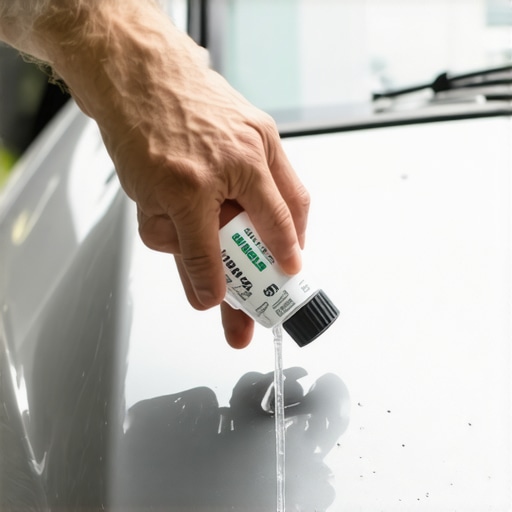
I remember the first time I noticed that stubborn pool of tree sap on my car. I was just about to head out, excited for a road trip, when I caught a glimpse of that glistening, sticky mess on my hood. My heart sank. I knew the sap was going to be a chore to remove, and I was terrified of accidentally ruining my precious clear coat. That’s a feeling many car owners share—fear of damaging a vital layer that keeps our vehicles looking flawless.
Why Tree Sap Is More Than Just a Nuisance
Tree sap is nature’s glue, sticky and resilient, designed to cling to surfaces—and unfortunately, that includes your car’s paint. If not properly removed, it can harden and eat into your clear coat, leading to dullness, etching, or even permanent damage. I learned firsthand how easy it is to make a mistake early on—using harsh chemicals or excessive scrubbing—that can backfire and leave your paint worse off. It’s not just about elbow grease; it’s about knowing the right approach to protect your investment.
Is Removing Sap Really Worth the Hassle?
You might think, “It’s just some sap, how bad can it be?” But the truth is, neglecting it can lead to significant paint issues down the line. Plus, removing it correctly isn’t just about preserving appearance; it maintains your car’s resale value and protects the clear coat from premature aging. According to automotive experts, early, gentle removal can prevent costly repairs later—saving you time and money.
Have you ever tried to clear away sap only to find your paint scratched or dull afterward? If so, you’re not alone—and I want to help you avoid that frustration. In the following sections, I’ll share practical, proven methods to tackle tree sap effectively without risking your car’s pristine finish. Ready to discover the secrets I wish I knew from the start? Let’s dive in and save that clear coat!
Prepare Your Workspace and Materials
Start by parking your car in a shaded area to avoid quick drying of sap, which can make removal harder. Gather gentle, effective supplies: a microfiber cloth, isopropyl alcohol or a dedicated automotive bug and tar remover, and a soft sponge. Avoid abrasive tools that can scratch the paint. When I tackled sap on my sedan, I laid out all tools beforehand to work efficiently and prevent accidental scratching.
Soften the Sap for Easy Removal
Apply a few drops of isopropyl alcohol onto a microfiber cloth, then gently press it onto the sap spot. Let it sit for about 30 seconds to several minutes, depending on how hardened the sap is. Think of this step like softening stubborn glue before peeling—it loosens the grip without harsh scraping. I remember working on a humid Saturday, where the sap softened quickly, allowing me to wipe it away with minimal effort.
Use the Right Technique
Gently rub the cloth in circular motions, gradually lifting the sap. Do not scrub aggressively; aggressive rubbing can scratch or dull the clear coat. If you notice resistance, reapply alcohol and wait a bit longer. The key is patience—this method mimics the careful approach of removing a stubborn sticker without tearing the paint.
Remove Residue and Protect Your Finish
Once the sap is wiped off, rinse the area with water to remove any alcohol residue. Follow up with a proper car wash to eliminate remaining grime. After drying, inspect the surface for any streaks or leftover spots. If needed, apply a quick coating of wax or polish to restore shine and add a protective layer. This step is crucial because, just like maintaining brakes or transmission, regular protection preserves your vehicle’s appearance and longevity.
Tips for Difficult Cases
If the sap is particularly stubborn, consider using a clay bar designed for automotive surfaces. Gently glide the clay over the area with a lubricant, such as spray wax or detailing spray, to lift embedded sap without scratching. Remember, avoiding harsh chemicals or aggressive scrubbing will save you time and prevent damage. For more expert insights, check out auto repair tips to keep your vehicle in top condition.
 While many car owners believe they understand the basics of vehicle maintenance, there’s a lot more beneath the surface that can trip up even the most diligent drivers. One prevalent misconception is that sticking to the scheduled oil changes and tire rotations suffices for long-term reliability. In reality, overlooking less obvious issues like transmission wear patterns or brake system nuances can lead to costly repairs down the line. For example, some assume that new brake pads don’t need a break-in period, but improper bedding can cause uneven wear and diminished effectiveness. Advanced technicians emphasize the importance of checking for tiny metal flakes in transmission fluid—not just for fluid level but for signs of internal wear, as highlighted in expert analyses on transmission health.
Have you ever fallen into this trap? Let me know in the comments.
**Don’t Rely Solely on Routine Checks:** Automakers and repair experts agree that routine inspections must go beyond the basics. A comprehensive approach involves understanding the subtle signs of impending failures, such as slight vibrations or irregular shifts, which often precede major breakdowns. Neglecting these signs can turn manageable repairs into emergency fixes. For instance, a car’s tendency to drift or pull while driving could be attributed to misaligned wheels or worn-out suspension components—not just tire pressure issues. Knowledge of these nuances enables proactive maintenance, saving money and increasing safety.
**Beware the Oversimplification of Brake Performance:** Many drivers think that new brake pads mean the braking system is good as new. However, the hidden complexity lies in the calipers, brake fluid condition, and rotor status. Failing to realize that even premium brake pads can warp or glaze if not installed correctly or if the system isn’t properly maintained might result in squealing, reduced stopping power, or uneven wear. Regular inspections and understanding the importance of meticulous installation are crucial for optimal performance.
**The Complexity of Transmission Care:** Transmission systems are often misunderstood as simple gearboxes, but they involve intricate hydraulic and electronic components that require specialized attention. For example, using the wrong type of transmission fluid can cause long-term damage, which isn’t immediately apparent to a casual car owner. Expert-recommended procedures include checking for tiny metallic debris in the fluid, which can be early indicators of internal wear—a tip detailed thoroughly in top transmission repair tips. Recognizing these subtle signs ensures your vehicle shifts smoothly for miles to come.
**Avoiding the Pitfalls of Collision Repair:** Many assume that minor dents and cosmetic issues are straightforward fixes, but improper realignment or poor-quality repainting can lead to future structural issues or paint peeling. Skilled collision repair involves restoring the vehicle’s frame and body with precision to maintain safety standards. For example, replacing a damaged quarter panel without proper realignment can compromise crashworthiness. To ensure longevity and safety, consult experts who prioritize advanced restoration strategies, such as those outlined in restoring your car to perfection.
**Incorporate Regular, Holistic Checks**: The key takeaway from these hidden nuances is that comprehensive vehicle care requires a combination of routine checks and understanding subtle signs of trouble. Integrating advanced diagnostics and trusting expert insights can prevent minor issues from escalating. Remember, a well-maintained vehicle isn’t just about avoiding breakdowns but about ensuring safety, performance, and resale value over time.
If you found this insight helpful, consider exploring more about essential car service checks to extend your vehicle’s lifespan. Staying informed and proactive is your best defense against costly repairs and unexpected breakdowns.
Gear Up with the Right Equipment
Maintaining your vehicle over time requires more than just intuition; it demands specific tools that can pinpoint issues before they become costly repairs. I personally swear by a high-quality OBD-II scanner, like the BlueDriver, because it provides real-time data and code definitions that help me understand underlying problems—be it with transmission sensors or brake system anomalies. This scanner connects directly to your car’s onboard diagnostics port, enabling you to read and clear trouble codes efficiently. I use it regularly to monitor sensors and ensure everything functions optimally, preventing small issues from escalating.
Invest in Software for Diagnostics
Beyond physical tools, automotive diagnostic software on my laptop, such as the Autel MaxiCOM, offers comprehensive vehicle analysis. It interfaces with various modules to provide detailed reports on engine performance, transmission health, or collision-related fault codes. These tools are invaluable when diagnosing complex problems like slipping transmissions or subtle engine hesitations. I highly recommend familiarizing yourself with such software to better understand your car’s condition without always relying on mechanics, especially for routine troubleshooting.
Adopt Proven Maintenance Techniques
In addition to tools, adhering to professional-recommended methods ensures long-term reliability. For example, regularly inspecting and replacing transmission fluid according to the schedule detailed in top transmission repair tips can prevent gear slipping and internal damage. Using a fine-mesh filter during oil changes can also help catch tiny metal flakes—an early sign of internal wear, as discussed in expert sources—allowing for timely intervention. Combining effective tools with disciplined procedures ensures your vehicle continues to perform smoothly for miles.
How do I maintain tools and systems to last over time?
To ensure your diagnostic equipment remains accurate and reliable, store them in a clean, dry environment and perform firmware updates whenever available. Regular calibration of tools like OBD scanners and software is crucial; manufacturers often release updates that improve compatibility and diagnostic precision. I schedule monthly checks on my equipment to verify readings against known benchmarks, which helps catch any discrepancies early. Investing time in maintenance of your tools parallels vehicle upkeep—both are essential for safe and efficient operation.
Future Trends in Car Maintenance Tools
Looking ahead, the integration of artificial intelligence into diagnostic systems promises even more proactive maintenance. Imagine software capable of predicting component failures before symptoms appear, based on patterns detected in sensor data. This evolution could revolutionize how we approach long-term vehicle health—making preventative care more accessible and precise. Staying informed and adopting emerging technologies will be key to keeping your car reliably in motion, well into the future.
Ready to elevate your maintenance game? Try utilizing an advanced diagnostic tool like the BlueDriver scanner and familiarize yourself with comprehensive software solutions. These investments can save you significant time and money by catching issues early and understanding your vehicle’s exact needs. For more tips on maintaining your vehicle effectively, explore our essential car service checks.
What I Didn’t Expect About Auto Care That Changed My Approach
One of the most valuable lessons I learned was that paying attention to seemingly small details—like gentle sap removal or proper brake bedding—can significantly extend your vehicle’s lifespan. I once thought skipping routine inspections was fine until a minor issue escalated into a costly fix, teaching me that proactive care saves time and money. Realizing that the true secret to maintaining your car lies in consistent, informed actions rather than quick fixes revolutionized my maintenance routine. This insight underscores the importance of continuous learning and attention to detail in auto care, which no generic guide fully covers.
My Must-Have Tools for Keeping My Car in Top Shape
Over the years, I’ve found that a quality OBD-II scanner like BlueDriver provides invaluable real-time diagnostics, helping me catch issues early. Pairing it with comprehensive diagnostic software such as Autel MaxiCOM has transformed my understanding of my car’s health. Additionally, a soft clay bar and dedicated automotive cleaner have been game-changers for gentle, scratch-free paint care. Trustworthy resources like top transmission repair tips guide me through routine maintenance, ensuring I don’t overlook subtle signs of wear. These tools and sources have become my auto repair companions, fostering confidence in my ability to handle minor issues myself.
Because Car Care Is Personal: Your Next Move Matters
Embracing a proactive mindset in vehicle maintenance means you aren’t just avoiding breakdowns—you’re investing in your safety and peace of mind. Small steps, like correct sap removal or timely fluid checks, accumulate into a healthier, more reliable car. I encourage you to start small: keep a maintenance journal, invest in quality tools, and stay curious about your vehicle’s inner workings. Remember, the most effective auto care comes from a place of knowledge and intention, not just routine. Your commitment today determines your car’s performance tomorrow. Ready to take that next step in your maintenance journey? Dive into our essential car service checks and see how small actions lead to big peace of mind.