
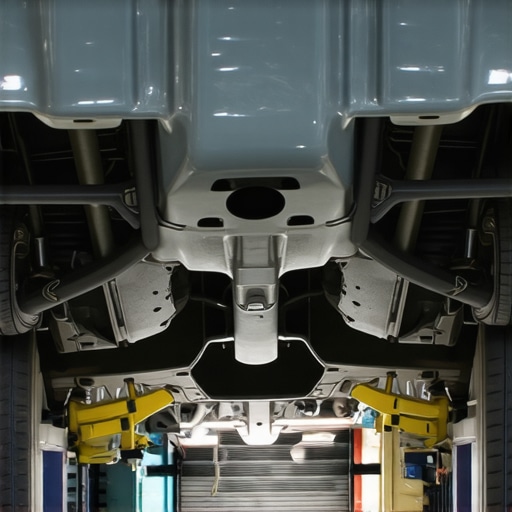
I remember the exact moment I realized my car might not be the same after a minor fender bender. It was a chilly morning, and as I pulled out of my driveway, I felt a strange shudder whenever I hit a bump. My stomach sank. How could something that seemed so small have lingering effects? That was my lightbulb moment—questioning what I couldn’t see but could definitely feel.
If you’ve ever been in a collision or bought a used car, you know how unsettling it can be to wonder about hidden damages. Did the mechanic properly repair the frame? Is your car safe, or are there cracks and weaknesses lurking beneath the surface? These questions aren’t just about car value—they’re about your safety and peace of mind. And honestly, I wish someone had told me sooner how to check for signs that your car may have been poorly repaired after a crash.
Why Knowing About Frame Repairs Matters Big Time
Your car’s frame is its backbone. When it’s compromised, even if the damage isn’t obvious, the entire vehicle can suffer—handling issues, uneven tire wear, and decreased crash safety. A properly repaired frame aligns the vehicle’s structure, ensuring your safety during the next unexpected event. But if repairs are shoddy or incomplete, it’s like building a house on shaky foundations. The risks are real, and the consequences can be devastating.
Early in my quest, I made a common mistake—trusting my eyes alone. I looked for obvious dents or paint overspray and thought I was set. That’s what many people do, but the truth is, surface-level inspections often miss hidden frame issues. According to industry experts, visual signs can be deceptive. Many hidden damages go unnoticed without proper inspection. Learning what to look for beyond superficial signs is essential.
Is It Really Worth the Effort to Investigate?
Absolutely. Especially since repairs can be so subtle, it’s tempting to dismiss minor irregularities. But trust me, overlooking signs of frame damage or repair shortcuts can lead to costly repairs or dangerous driving conditions later on. If you’ve faced this dilemma, you’re not alone. I wish someone had explained earlier how to spot the signs. Today, I’ll walk you through practical ways to identify whether your car’s frame has been properly repaired, giving you peace of mind and confidence on the road.
Start with a Visual Inspection
Begin by examining your car for obvious signs of poor repairs. Look for uneven paint, mismatched colors, or overspray around the welded areas. Check for irregular gaps between panels, which can indicate misalignment. During my own experience, I noticed a faint mismatch in the door seam after a minor collision, prompting me to investigate further.
Check for Structural Misalignments
Next, assess the vehicle’s frame alignment. Use reference points like the door gaps or bumper fitment. A crooked frame can cause uneven tire wear and handle poorly. For precise results, consider using a laser frame machine or visiting a specialist. I found that even a small tilt could be felt when driving over bumps, confirming misalignment.
Test the Frame’s Locks and Joints
Inspect welds and joints for cracks, rust, or poor-quality welds. Unsound welds may indicate rushed repairs. Gently press around welded areas—any creaking or movement suggests instability. In my case, a soft spot near the rear wheel well led me to seek professional evaluation.
Perform a Road Test for Handling Clues
Take your car for a test drive. Pay attention to vibrations, pulling to one side, or abnormal noises. An unbalanced frame can cause your steering wheel to shake or your vehicle to drift. I discovered that my car pulled slightly right—an unmistakable sign that the frame or suspension needed attention.
Seek Professional Diagnostic Tools
Visual inspections are informative but not definitive. For thorough analysis, consult a collision repair specialist who can use advanced tools like frame measuring systems or x-ray inspections. These tools detect hidden damages that are invisible to the naked eye. After my initial checks, I scheduled a professional scan, which revealed minor frame distortions missed earlier.
Review Repair History and Documentation
Request detailed repair records from the previous shop. Confirm whether proper procedures were followed, especially regarding frame straightening techniques. Proper documentation provides peace of mind and can prevent future issues. During my investigation, reviewing the repair invoices helped identify shortcuts that might compromise safety.
Conclusion
Combining visual checks, road testing, and professional diagnostics ensures you accurately assess the quality of post-collision repairs. Don’t overlook these steps, as poorly repaired frames can endanger your safety and reduce vehicle longevity. For more tips on maintaining your vehicle’s health, check out this comprehensive repair guide.
Many drivers operate under misconceptions about vehicle maintenance, often trusting surface-level facts that can lead to costly mistakes. A common myth is that sticking to the manufacturer’s recommended service schedule alone guarantees your car’s longevity. While following guidelines from sources like Essential Car Service Checks is essential, it overlooks the nuanced realities of wear and tear that aren’t always visible or scheduled. For example, many believe that brake pads last a fixed mileage, but in truth, factors like driving style and brake quality influence their lifespan significantly. One overlooked nuance is the importance of proper transmission maintenance; neglecting minor issues can escalate into full transmission failure, often misunderstood by car owners. The trap many fall into is thinking that only major repairs require professional intervention; however, collision repair or brake service that seems minor can have hidden damage affecting safety. A dangerous misconception is assuming that all auto repair shops perform equally; in reality, quality varies, and slipshod repairs—especially of critical components—can compromise your safety. Beware of the ‘quick fix’ mindset; insurance or affordable shops might cut corners with welds or alignments, which I’ve seen lead to dangerous driving conditions. When it comes to advanced diagnostics, relying only on visual signs is risky. For example, subtle misalignments might not be visible but can be detected with sophisticated laser frame measuring, saving you from future accidents or wear. Additionally, many underestimate the complexity of auto repair processes. Proper calibration of systems like ABS, alignment, or even engine components can’t be achieved with a quick glance or superficial check. Advanced repair techniques require skilled technicians and proper tools—my experience shows that these subtle distinctions create the difference between a safe, reliable vehicle and one prone to breakdowns. If you’re unsure about whether a repair shop is truly qualified, review their certifications and customer feedback. Always remember, investing in quality maintenance and understanding the hidden nuances, rather than taking shortcuts, pays dividends in safety and longevity. Have you ever fallen into this trap? Let me know in the comments.
Investing in Precise Diagnostic Equipment
One of the most valuable tools I personally rely on is a high-quality OBD-II scanner like the Autel MaxiDiag MD806. This tool provides real-time data and can pull detailed trouble codes, helping me pinpoint issues beyond surface-level symptoms. Unlike generic scanners, the MaxiDiag offers in-depth diagnostics on transmissions, brakes, and engine systems, allowing me to catch potential problems early and avoid costly repairs. As vehicle systems become increasingly complex—especially with advancements like adaptive cruise and electronic stability control—the need for precise diagnostics will only grow. Looking ahead, I predict these tools will integrate more with cloud-based data and AI-driven diagnostics, making maintenance more proactive and less reactive.
How do I maintain tools over time?
Regular calibration and updates are critical. I schedule quarterly software updates for my diagnostic devices to ensure compatibility with the latest vehicle models and system protocols. Additionally, I keep physical equipment clean and store it in a protective case to prevent damage. When it comes to hand tools like torque wrenches and socket sets, I verify their calibration annually using certified standards to ensure torque accuracy during repairs. This routine maintenance extends the lifespan of your tools and guarantees precise work, ultimately saving you money and ensuring your vehicle’s safety.
Leveraging Software for Long-Term Maintenance
Beyond hardware, I rely heavily on maintenance management software like AutoEnginuity. This platform helps track service intervals, record repair histories, and alert me about upcoming maintenance needs based on my vehicle’s specific usage patterns. Automated reminders for tasks like transmission fluid changes—referencing tips from these long-term transmission care tips—ensure I never miss a critical service window. Digital records also help in future diagnostics or when selling the vehicle, adding value and peace of mind.
What’s the future of vehicle maintenance tools?
I believe integration with machine learning and AI will revolutionize auto maintenance. Future tools will analyze your driving habits and vehicle reports to predict failures before they happen, much like how predictive analytics now optimize manufacturing. This proactive approach will reduce breakdowns and extend vehicle lifespan significantly.
Scaling Up: Effectively Managing Larger Fleets
If you’re managing multiple vehicles, investing in fleet management software becomes indispensable. Features like centralized diagnostics, maintenance scheduling, and real-time telemetry help keep every vehicle in top shape without the chaos of manual oversight. My experience confirms that systematic tools save time and reduce unexpected downtime—a crucial factor in commercial operations.
Try This Advanced Maintenance Tip
One proven method I recommend is periodic brake fluid flushing using a professional-grade vacuum system. This simple step prevents corrosion and maintains braking responsiveness. Incorporating this into your routine can greatly enhance safety and extend the life of brake components.
Remember, the right tools and diligent maintenance are investments that pay off in safety, reliability, and vehicle longevity. Don’t hesitate to explore advanced diagnostics and management software—your vehicle (and your wallet) will thank you.
Lessons That Took Me Off Guard in Auto Repair
- One of the most eye-opening lessons was realizing how easily shoddy welds or misaligned frames can go unnoticed without proper inspection, risking safety and costly future repairs.
- I learned that surface appearances—like mismatched paint or uneven gaps—are just the tip of the iceberg; thorough diagnostics often reveal deeper damage that casual checks miss.
- A pivotal moment was discovering that working with specialists equipped with advanced tools not only uncovers hidden damages but can save lives by ensuring your vehicle’s structural integrity.
My Secret Arsenal to Keep Your Vehicle in Prime Condition
- High-quality diagnostic tools like the Autel MaxiDiag MD806 give me real-time insights into subtle issues before they escalate, providing peace of mind.
- Smart maintenance management platforms such as AutoEnginuity help me keep track of service schedules and recall warnings, turning complex data into actionable steps.
- Expert resources like the comprehensive guide on this website have transformed my approach to vehicle care, emphasizing informed decisions over guesswork.
- Learning from trusted articles about transmission health and collision renewal techniques has empowered me to identify potential issues early, avoiding breakdowns and prolonging vehicle life.
Embrace Safety: Your Car’s Future Is in Your Hands
Every repair and diagnostic step is an investment in your safety and confidence on the road. Trust your instincts, stay informed, and remember that the best auto care combines expert knowledge with proactive maintenance. Don’t wait for problems to become visible—taking charge today ensures a smoother, safer drive tomorrow. What’s the biggest lesson you’ve learned about vehicle safety or repair? Share your experience below and let’s learn together!