
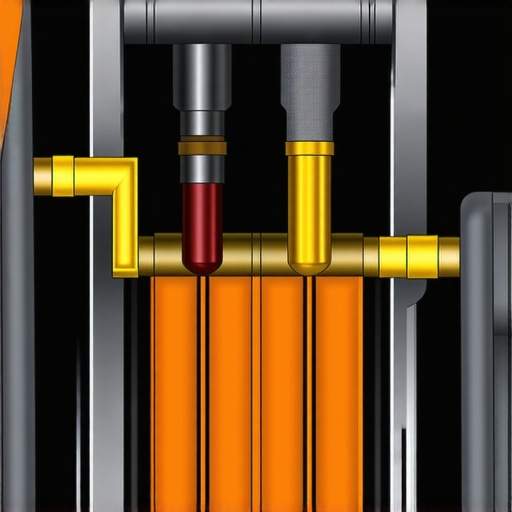
One morning, I slammed on my brake pedal during a familiar drive and felt a strange softness beneath my foot—not what I usually experienced. It was as if my brake pedal had turned into a bouncy trampoline, inconsistent and unpredictable. That moment made me realize just how unsettling and dangerous unpredictable braking can be. Over time, I’ve come to understand how this seemingly small issue can stem from various underlying problems, each demanding different fixes.
Understanding the Fluctuating Brake Feel
When your brake pedal varies each time you press it, it’s more than just an annoyance—it’s a warning sign. It might be due to air in the brake lines, a failing master cylinder, or uneven brake pad wear. These issues compromise your ability to stop reliably, putting you at risk in everyday driving scenarios. It’s crucial to tackle this problem promptly, not only for peace of mind but also for your safety.
Are you tired of guessing whether your brakes will respond properly? If so, you’re not alone. Many drivers experience this unsettling feel without knowing the cause or how to fix it. The good news is, understanding the root cause and addressing it can restore your confidence behind the wheel.
Is Your Brake System Honestly Worth the Hype?
Many people assume that brakes are a simple component—press and stop. But the truth is, they’re a complex system that requires regular maintenance. A mistake I made early on was neglecting routine brake checks, thinking that squeaking pads were just a minor issue. Turns out, ignoring even small signs can lead to more significant problems down the line. For reliable, long-term performance, I recommend regular inspections, which you can learn more about at Essential Car Service Checks.
By understanding what causes the pedal to feel unpredictable, you can better focus on the specific fixes needed. Whether it’s bleeding the brake lines or replacing worn-out components, taking action now can save you money and, more importantly, keep you safe. Let’s explore the practical ways to diagnose and resolve the issue, so you won’t have to face that unsettling moment again.
Check the Brake Fluid First
Start by inspecting your brake fluid level and condition. Locate the master cylinder reservoir, usually near the engine bay, and ensure the fluid is between the ‘Min’ and ‘Max’ marks. If the fluid is dark, murky, or below the minimum, it’s time to replace or top it up. I once found my brake fluid so contaminated that replacing it immediately resolved my pedal inconsistencies.
Bleed the Brake Lines to Remove Air Bubbles
Air in the brake lines can feel like a soft or spongy pedal. To fix this, you’ll need a buddy, fresh brake fluid, and a clear tube. Attach the tube to a bleed valve on each wheel, have your assistant press the brake pedal, hold it down, and open the valve to release trapped air. Repeat until the fluid runs clear and feels firm. This process is similar to flushing a stubborn drain—persistent and precise.
Tip: Only use brake fluid compatible with your vehicle, and avoid letting the reservoir run dry during the process.
Inspect and Replace Worn Brake Components
Uneven brake pad wear, warped rotors, or a failing caliper can cause inconsistent pedal feedback. Remove the wheels and check the thickness of brake pads using a ruler or a brake pad gauge. If they’re below 3mm, replace them. Examine the rotors for scoring or warping—any uneven surface can lead to pedal pulsation and unpredictability. I had a case where rusted rotors caused a vibration that felt like the pedal was bouncing; replacing the rotors restored proper feel.
Test the Brake Booster for Leaks
The brake booster amplifies your pedal pressure; if it leaks, your pedal may feel hard or mushy. With the engine off, pump the brake pedal several times—it should feel firm. Start the engine; if the pedal drops slightly, the booster is functioning. If not, you might hear hissing sounds indicating a leak. Replacing a faulty brake booster is crucial for consistent pedal response.
Verify Hydraulic System Integrity
Check for leaks in brake lines, hoses, and fittings. Look for wet spots, corrosion, or cracked hoses. Tighten loose connections or replace damaged lines. For example, I once discovered a cracked brake hose near the wheel well; replacing it immediately ensured reliable braking.
Get Professional Diagnostics When Necessary
If you’ve performed all these steps and the pedal still feels unpredictable, it’s time to consult a professional. Advanced issues like master cylinder failure or ABS system faults require specialized tools and expertise. Routine checks at collisionrenew.com can help preempt such problems and keep your braking system in top shape.
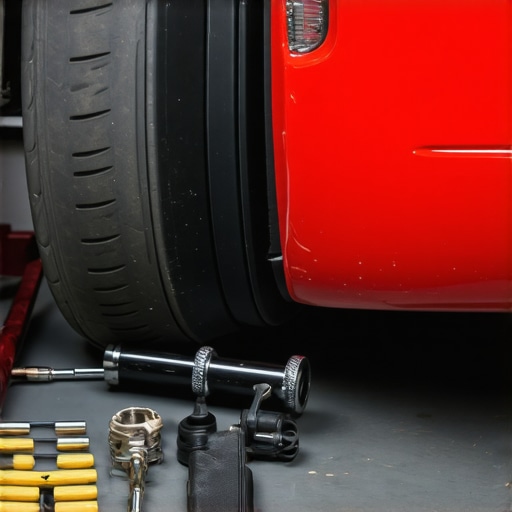 When it comes to automotive maintenance, many drivers operate under misconceptions that can lead to costly repairs and safety risks. One common myth is that all mechanics are equally trustworthy, but in reality, you need to understand the nuances that differentiate quality service from quick fixes. For example, some believe that replacing brake pads is always sufficient, yet overlooking the condition of rotors and calipers can result in premature wear or brake failure. Advanced issues often stem from neglecting proper diagnostics, which is why partnering with reputable service providers like Collision Renew is crucial for long-term vehicle health.
Another misconception involves transmission repairs; many assume that topping off fluid levels solves shifting problems, but without a comprehensive diagnosis, small issues can escalate. Learn about long-term transmission tips to avoid pitfalls. Similarly, during auto repair, some drivers focus solely on fixing visible damage, ignoring hidden damage that can compromise safety and performance. Regular checks and experienced diagnostics are your best defense.
For those considering collision repairs, a common mistake is neglecting frame alignment, which can cause uneven tire wear and steering issues. Discover the importance of proper realignment strategies at Collision Renewal Strategies. Ultimately, understanding these nuances helps you avoid costly mistakes, ensuring your vehicle remains safe and reliable.
Have you ever fallen into this trap? Let me know in the comments.
Keep It Running: Tools I Trust for Auto Maintenance
Maintaining a vehicle’s optimal performance isn’t just about understanding the basics—it’s about having the right tools and methods at your disposal. In my experience, precision instruments make all the difference. For example, I swear by using a high-quality digital multimeter like the Fluke 115—it provides accurate readings of battery voltage and system health, which is crucial when diagnosing electrical issues or testing sensors. Precision tools not only save time but also prevent unnecessary part replacements, which can be costly over the long run.
Similarly, when dealing with transmission repairs, I prefer a professional-grade scan tool such as the Autel MaxiSys MS909. This device allows me to access deep diagnostic trouble codes, reset adaptations, and verify repair effectiveness without guessing. Relying solely on generic code readers can lead to misdiagnosis, so investing in a comprehensive scanner is a game-changer. In the future, I predict that automotive diagnostics will become even more integrated with AI-powered software, providing real-time insights and predictive maintenance recommendations—making proactive service more accessible for DIY enthusiasts and professionals alike.
How do I maintain long-term reliability in auto repairs?
One crucial strategy is adopting a routine check schedule, focusing on essential components like brake systems, transmission fluid, and suspension parts. Regular inspections, such as those outlined on this guide, help catch issues early and extend your vehicle’s lifespan. Additionally, keeping detailed maintenance logs ensures you stay on top of replacement intervals and repairs, preventing small signs from snowballing into major failures.
Leveraging Cutting-Edge Software for Better Results
Beyond physical tools, software solutions play a vital role. I’m an advocate for using diagnostic platforms like Mitchell 1, which offer extensive repair databases, wiring diagrams, and OEM-specific troubleshooting procedures. They reduce guesswork and give confidence that repairs are both accurate and durable. As repair tech continues to evolve, integrating these software options becomes indispensable for achieving long-term results and minimizing repeat visits.
When selecting tools, prioritize those that support your vehicle range, come with real-time updates, and have a reputation for reliability. Investing wisely now ensures fewer headaches down the road and smoother repairs that stick.
Small Hacks That Keep Your Vehicle Performing
One underrated tip is regularly inspecting and maintaining your brake fluid levels with a quality tester. Sticking to this routine, as suggested in this resource, can prevent air contamination and moisture ingress that compromise brake effectiveness over time. I recommend trying a nano-coating on critical components like your battery terminals and electrical contacts—this simple step prevents corrosion and ensures consistent performance, especially during harsh weather conditions.
Remember, proactive maintenance requires discipline but pays off through enhanced vehicle longevity and safety. By trusting advanced tools and methods, you lay the foundation for reliable, long-term auto care.
Embrace the Future of Auto Care
The automotive industry is heading toward increased automation and IoT integration. Devices will soon predict failures before they happen, minimizing downtime. For now, though, pairing current diagnostic tools with consistent maintenance routines gives you a significant advantage. So, I challenge you to incorporate a professional-grade scanner into your next service—see firsthand how it streamlines troubleshooting and leads to lasting repairs.
Over the years, I’ve learned that the real depth of auto repair goes far beyond simple fixxes; it’s about understanding the subtle signals your vehicle gives and knowing when to act decisively. A seemingly minor issue like inconsistent braking can be a doorway to more profound mechanical insights, which, if ignored, could compromise your safety and budget. The key is to develop an eye for these nuanced signs and build a relationship with reliable service providers like Collision Renew. Knowing the difference between a quick patch and a genuine repair can empower you as a car owner and driver.