
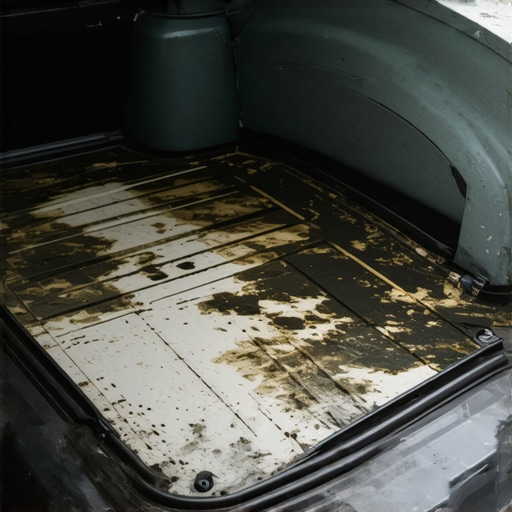
Ever opened your trunk on a warm day and immediately gagged at the stale, damp odor that seems to settle like an unwelcome guest? I know that feeling all too well. One time, during a summer road trip, I was packing up my gear, only to be greeted by a musty smell I couldn’t shake. I thought it was just dirt or leftover trash, but it turned out to be something much trickier, more hidden than I’d imagined.
Spotting the Unexpected Source of the Musty Mold
After some trial and error, I discovered that the real culprit wasn’t what I initially suspected—rather, it was moisture trapped in unseen corners, fueling mold growth and giving off that foul smell. That lightbulb moment changed everything. The weird thing? Moisture in your trunk is often caused by tiny leaks, condensation, or even lingering spills that you might overlook. Once I realized this, it wasn’t long before I was tackling the problem head-on, with a plan that’s worked ever since.
Is a Musty Trunk Actually Worth the Hype?
At first, I thought, “It’s just a smell. How bad can it be?” But then I read a report stating that mold and mildew in a vehicle trunk can compromise not only the air quality inside the car but also the structural integrity if left unchecked—making it more than just an inconvenience. Early on, I made the mistake of ignoring a small damp patch, assuming it would dry on its own. That’s a quick way to turn a minor annoyance into a costly repair. I learned that proactive inspection and maintenance are key to keeping your vehicle in tip-top shape—and your air fresh!
If you’ve ever found yourself battling that persistent musty scent, or worse, noticed your trunk’s smell gets stronger after rainfall or car washes, you’re not alone. In the sections ahead, I’ll share exactly how I identified the leaks, dried out the hidden moisture, and prevented this issue from returning. And if you want to keep your car running smoothly, don’t forget to check out some essential car service tips to keep everything in tip-top shape. Ready to zap that smell and protect your car’s health? Let’s dive in and uncover the ways to banish that musty odor for good.
Identify and Seal Leaks to Keep Moisture Out
Start by inspecting your trunk for any visible cracks or gaps where water might seep in. Use a bright flashlight to check hidden corners and seals. I remember once I discovered a tiny crack near the tail light assembly; sealing it with a high-quality silicone sealant prevented future moisture intrusion. Apply the sealant along the edges, making sure it covers all potential entry points. This step is crucial because even small leaks can let in enough water to promote mold growth. For a comprehensive check of your vehicle’s integrity, consider reviewing essential car maintenance tips that help detect leaks early.
Remove Existing Moisture Effectively
Once leaks are sealed, it’s time to dry out any trapped moisture. Use a wet/dry vacuum to extract water from the trunk lining and carpets. Then, deploy portable fans or a hairdryer set on low to circulate air and accelerate drying. I once placed a couple of dehumidifier packs inside the trunk overnight, which significantly reduced residual humidity. If mold or mildew has already appeared, scrub affected areas with a mixture of water and white vinegar or a commercial mold remover. Remember, residual moisture will reignite mold if left unchecked; therefore, thorough drying is essential. For detailed guidance on preventing mold in your vehicle, check collision renewal strategies.
Apply Protective Barriers and Prevent Future Moisture
After drying, consider applying a waterproof barrier or exterior sealant on the trunk’s outer surface to prevent water ingress during heavy rains. Additionally, check the trunk’s drain holes; clear any debris blocking water from escaping. I remember cleaning out a clogged drain hole that had accumulated dirt, which drastically reduced water pooling. Regularly inspecting these drainage points ensures moisture doesn’t accumulate unnoticed. Also, keep your trunk’s interior dry by avoiding spills and promptly cleaning any wet items. Maintaining a clean, dry environment will make your efforts stick and reduce mold recurrence. For expert advice on maintaining your vehicle’s overall health, explore top transmission repair tips.
Challenging the Myths That Can Cost You
Many car owners carry misconceptions about essential services like brake repairs or transmission maintenance, often leading to costly mistakes. One widespread myth is that all brake pads wear out at the same rate, prompting unnecessary replacements. However, in my experience, understanding the nuances—such as differences in pad materials and driving habits—can help you extend service intervals without compromising safety. Rushing to replace brakes prematurely not only wastes money but also dismisses the importance of inspecting other critical components like rotors, which can be damaged if the pads are worn unevenly. Delving into these intricate details ensures that your vehicle receives tailored care, rather than a one-size-fits-all solution that might do more harm than good.
Common Pitfalls in Transmission Care
A classic mistake drivers make is waiting until transmission troubles become severe before seeking professional help. The misconception that a fluid change only benefits newer cars can lead to neglected maintenance, which escalates into expensive repairs down the line. In my practice, I’ve seen vehicles with over 100,000 miles still shifting smoothly simply because owners followed a disciplined maintenance routine, including regular transmission fluid checks. An overlooked nuance is that some transmissions are sensitive to the quality of fluid and the types used; using the wrong fluid can accelerate wear. Manufacturers often specify particular lubricants, and disregarding this can cause irreversible damage, as highlighted by recent studies on transmission longevity. Regular inspections, coupled with understanding the unique needs of your system, are your best defenses against unexpected failures.
Auto Repair: Spotting the Hidden Traps
Many drivers assume that the most noticeable symptoms—such as squeals, vibrations, or warning lights—are the only clues they need. However, some issues lurk beneath the surface. For instance, a persistent squeak might seem trivial but could indicate worn belt tensioners or misaligned pulleys—problems that, if ignored, can cascade into more extensive damage. I always advise a comprehensive diagnostic approach: don’t dismiss subtle signs, especially when it involves systems like your cooling or fuel injection. A well-trained technician will look beyond surface symptoms, applying a holistic diagnostic process that considers how interconnected components influence each other. This proactive mindset aligns with industry experts’ recommendations for preserving long-term vehicle reliability and avoiding unnecessary expenses.
Why Do Many Owners Overlook the Small Details?
Research shows that neglecting seemingly minor maintenance tasks—like sealing leaks or checking fluid levels—can drastically shorten your vehicle’s lifespan. These small oversights often stem from a lack of awareness about the complex interplay of engine parts, transmission, and safety systems. By staying informed and disciplined, you can catch issues early before they escalate. Remember, a solid auto repair strategy isn’t about immediate fixes but long-term upkeep that anticipates potential failures. For a detailed guide on essential checks to keep your vehicle in perfect condition, take a look at these crucial maintenance tips. Have you ever fallen into this trap? Let me know in the comments.
Invest in Reputable Diagnostic Equipment
To ensure long-term vehicle reliability, I highly recommend investing in a quality OBD-II scanner. Personally, I use the Launch CRP129X, which offers comprehensive live data readings and freeze frame data. This device has saved me countless trips to the mechanic by allowing me to diagnose engine and transmission issues early. As vehicles become more complex, a reliable scanner helps you identify potential problems before they escalate, saving significant repair costs and downtime.
Prioritize Regular Maintenance with Scheduling Software
Sticking to a maintenance schedule is crucial. I utilize software like Car Minder Plus, which reminds me of oil changes, brake inspections, and fluid replacements based on my vehicle’s mileage. Automated alerts keep me proactive, and I appreciate its integration with service history logs, which simplifies future troubleshooting. This approach ensures that small issues don’t snowball into major repairs, aligning with strategies discussed in key maintenance tips.
Use Specialty Tools for Precise Repairs
For specific auto repairs, I rely on tools like a torque wrench, a digital multimeter, and a brake caliper piston tool. For instance, during brake pad replacement, a digital torque wrench guarantees correct bolt tightness, preventing over-tightening or under-tightening, which can compromise safety. These tools allow me to perform repairs that meet OEM specifications without guesswork, extending the lifespan of components and enhancing safety.
Embrace Software for System Monitoring
Beyond hardware tools, I utilize vehicle monitoring apps like Automatic Pro connected to my smartphone. It provides real-time data on engine performance, fuel efficiency, and even alerts me to potential problems like misfires, which can be subtle. Staying ahead of issues through these insights helps me plan repairs and optimize maintenance routines. As digital diagnostics advance, integrating technology like this will become standard practice, aligning with industry predictions for smarter car care.
How do I maintain tools over time?
To ensure longevity, I regularly clean and calibrate my diagnostic and specialty tools, following manufacturer instructions. Proper storage in a climate-controlled environment prevents corrosion or damage. Periodic software updates for my diagnostic devices guarantee access to the latest features and vehicle compatibility, which is crucial given the rapid evolution of automotive systems. This proactive approach keeps my tools reliable and ready for any task, ensuring consistent results.
If you’re serious about prolonging your vehicle’s life and avoiding unnecessary repairs, I suggest trying out an advanced diagnostic scanner like the Launch CRP129X. It’s a game-changer for proactive maintenance and troubleshooting, saving you time and money in the long run. Remember, a well-maintained vehicle isn’t just about fixing problems; it’s about cultivating a holistic, informed approach to auto care that scales with your needs. For more insights on long-term auto servicing strategies, explore these renewal strategies.
Lessons That Changed My Approach to Auto Care
- Never underestimate the power of small details like sealing tiny leaks or regularly inspecting drain holes. These seemingly minor steps can save you from costly repairs and unsafe driving conditions.
- Investing in reliable diagnostic tools early on, such as a quality OBD-II scanner, transformed how I handle vehicle issues. It’s like having a mechanic in your pocket that keeps you ahead of problems.
- Understanding your vehicle’s unique needs—rather than relying on generic advice—has helped me extend the lifespan of components and avoid unnecessary replacements.
- Consistent scheduling of maintenance tasks and using software for reminders ensures I stay proactive, making auto care less stressful and more effective.
- Being open to learning and questioning myths about auto repair has kept me from falling for quick fixes that could jeopardize my safety and wallet.
Tools and Resources That Make a Difference
- Launch CRP129X Scanner: I trust this device because it provides comprehensive real-time data, helping me catch potential problems early. It’s an essential tool for any DIY enthusiast looking to maintain long-term vehicle health.
- Auto Minder Plus: This scheduling software keeps me on track with regular maintenance, reminding me of oil changes, fluid checks, and inspections. It simplifies long-term planning and prevents oversight.
- Collision Renewal Guides: Their articles offer in-depth insights on topics like collision repair and transmission care, which have been invaluable in expanding my understanding of vehicle systems.
- How-to Videos and Forums: Platforms like YouTube and dedicated automotive forums are gold mines for troubleshooting and learning new repair techniques, fostering confidence in tackling more complex tasks.
Keep Moving Forward with Confidence
Auto maintenance is a journey filled with continuous learning and small victories. By embracing proactive care, leveraging the right tools, and questioning misconceptions, you empower yourself to keep your car in top shape and your journey safe. Remember, every step you take today adds up to a smoother, more reliable ride tomorrow. Ready to apply these insights and take your vehicle’s health into your own hands? Share your experiences or questions below — let’s grow together in this auto care adventure!