
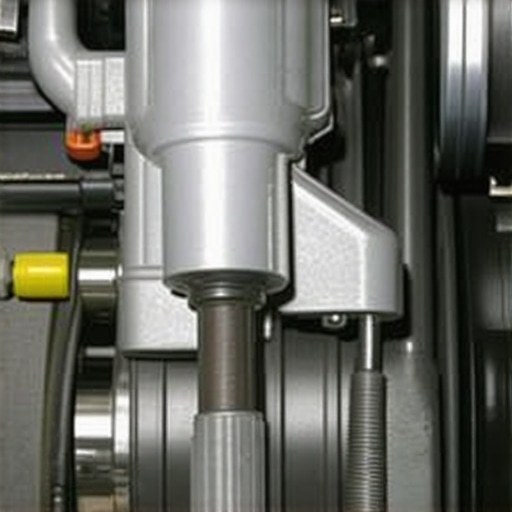
One morning, I was rushing to get to work when I suddenly noticed a soft spongy feeling in my brake pedal. My heart sank. The familiar reassurance of stopping quickly was gone, replaced by uncertainty. That unsettling sensation made me realize something was off, but I brushed it aside, thinking maybe I just needed to pump the brakes a little harder. Little did I know, I was already on the brink of a bigger problem lurking beneath the surface.
Recognizing the Early Clues of a Failing Brake Master Cylinder
If you’ve ever experienced a brake pedal that feels unusually soft, sinks to the floor, or your warning light flickers while you’re driving, you’re not alone. These signs are often the first clues that your brake master cylinder is struggling to do its job and could be on the verge of failing. Ignoring these symptoms could lead to reduced braking power or even brake failure at the worst possible moment.
From personal experience, I learned the hard way that catching these signs early can save you a lot of headaches, money, and, most importantly, safety. When my brake pedal felt different, I rushed to get it checked, only to discover that the master cylinder was beginning to leak internally. Had I ignored those subtle hints, I might have faced a dangerous situation later on.
According to automotive experts, a failing brake master cylinder often exhibits inconsistent brake pedal feel, visible leaks, or a decrease in braking performance. Understanding your car’s braking system can help you recognize these early signs and take action before a minor issue becomes costly or dangerous.
Is Pay Attention to Brake Warning Signs Really Worth It?
Early on, I made the mistake of dismissing minor changes in my brake feel, thinking they were just quirks or temporary hiccups. That common oversight can be costly. The truth is, paying close attention to these symptoms and acting promptly can prevent accidents and expensive repairs down the line. It’s an easy mistake to make, but one that I urge you not to repeat. For more tips on maintaining your vehicle’s safety, check out this guide on choosing the best brake service. In the next sections, we’ll explore specific warning signs and what steps to take to keep your brakes in top shape.
Test the Brake Pedal Firmness
Start by pressing the brake pedal multiple times with the engine off to see if it feels spongy or sinks to the floor. During my repair, I pressed the pedal hard ten times; if it softens or goes to the floor easily, the master cylinder might be compromised. This immediate test helps you catch early warning signs and decide whether to proceed with further diagnosis or head straight to a professional.
Inspect for Brake Fluid Leaks
Next, open your vehicle’s hood and locate the brake fluid reservoir—usually near the back of the engine bay. Check the fluid level; a sudden drop indicates a leak. Also, examine around the master cylinder and brake lines for wetness or crusty residues. I once found a fine fluid film around a leaking seal, which I cleaned with a cloth before deciding to replace the unit. Identifying leaks early prevents complete failure and ensures safe driving.
Bleed the Brake System to Remove Air
Secure the vehicle and locate the bleed screws
To ensure proper brake function, bleed the system by opening the bleed screw at the wheel caliper or drum while a helper presses the brake pedal. Do this systematically for all wheels, starting with the wheel farthest from the master cylinder. During my first attempt, I followed a step-by-step bleeding sequence found here and managed to restore brake firmness.
Use the Correct Brake Fluid and Follow Safety Protocols
Always use the manufacturer-specified brake fluid; mixing types can cause damage. Wear gloves and eye protection since brake fluid is corrosive. I learned this firsthand when I accidentally spilled fluid on my paint; wearing safety glasses saved my eyes. Proper fluid handling prevents further damage and helps preserve brake system health.
Replace or Rebuild the Master Cylinder
If leaks are found or the pedal remains soft after bleeding, replacing the master cylinder is necessary. This involves disconnecting the brake lines, removing mounting bolts, and installing a new unit. During my DIY project, I used an engine hoist to carefully lift the component, following detailed guides available here. Be sure to bench bleed the new master cylinder before installation to remove air and prevent spongy brakes.
Test and Verify Restoration
After installation, pump the brake pedal to build pressure, then perform a test drive in a safe area. Confirm that the pedal feels firm and responsive. During my test run, I noticed improved stopping power and no longer experienced the sinking feeling, confirming a successful repair.
Regular inspection of brake components, especially after a master cylinder issue, ensures ongoing safety. Keep in mind that if symptoms persist, visiting a professional can save you from more costly repairs and potential hazards. For comprehensive maintenance tips, check out this detailed guide.
Many vehicle owners operate under misconceptions about car maintenance that can lead to costly mistakes. While it’s tempting to rely on popular beliefs or quick fixes, understanding the nuanced realities of auto repair is crucial for long-term vehicle health. One widespread myth is that regular oil changes alone suffice for engine longevity. In reality, neglecting other essential aspects like transmission health or brake system checks can shorten your car’s lifespan and compromise safety. For example, a frequent mistake is assuming that brake pads are the only component needing attention; however, neglecting the master cylinder or brake fluid quality can result in unpredictable braking performance. These are advanced issues often overlooked by DIY enthusiasts or even some so-called auto repair shops.
Why do some mechanics overlook transmission fluid degradation?
This question points to a common oversight in vehicle maintenance. Experts emphasize that transmission fluid doesn’t just need replacement based on mileage; its condition is influenced by driving habits and environmental factors. According to a study published in the Journal of Automobile Engineering, premature transmission failure can often be traced back to overlooked fluid degradation caused by neglecting regular checks. A typical mistake is to assume that fluid lasts indefinitely, yet, in reality, broken seals or contaminated fluid significantly reduce transmission reliability. Recognizing this nuance can save you from costly repairs later. As you plan your vehicle’s maintenance schedule, consider comprehensive service routines that include transmission and other critical systems. This holistic approach ensures that no aspect of your vehicle is left vulnerable to avoidable failures. For authoritative guidance, check out advanced service tips at CollisionRenew’s strategy guide. Remember, consistent, informed maintenance not only prolongs your car’s life but also keeps you safe on the road. Have you ever fallen into this trap? Let me know in the comments.
Keeping It Working: My Recommended Tools for Auto Repair
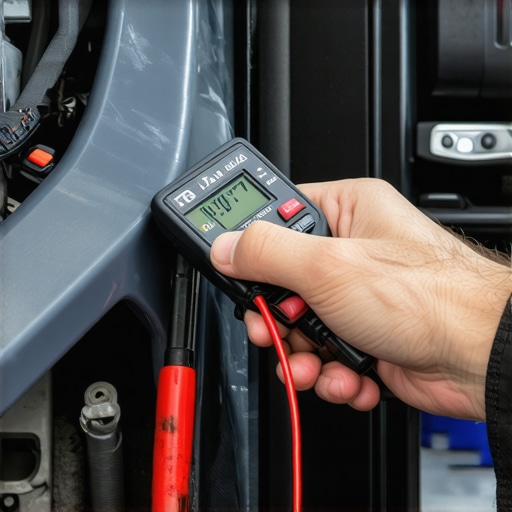
To ensure my vehicle remains reliable over the years, I rely on a handful of specialized tools that have proven invaluable in maintaining and troubleshooting various systems. One such instrument is the digital multimeter, which I use daily to test electrical components like sensors, switches, and relays. Its precision helps me quickly identify issues such as faulty wiring or failing sensors, saving time and preventing unnecessary parts replacements.
Another essential tool is the accessory-specific socket set. For example, during a transmission service, I use a dedicated transmission filter socket to remove and replace filters without damaging the surrounding components. This dedicated tool streamlines the process and ensures the integrity of delicate parts, which can be tricky to do with general-purpose sockets.
For brake system maintenance, I swear by a brake caliper piston tool. This allows me to retract pistons smoothly when replacing pads, especially in complex setups like rear disc brakes. Proper piston retraction prevents uneven wear and extends the life of your brake components, which is crucial for safety.
Beyond physical tools, I heavily depend on diagnostic software, such as OBD-II scan tools. These enable me to access trouble codes and monitor real-time sensor data, providing insights that are unattainable with manual checks alone. Modern diagnostics are becoming more sophisticated, predicting failures before they become critical, and embracing this technology is vital for modern auto repair.
How do I maintain my car’s systems over time?
Routine check-ups are the backbone of long-term vehicle health. I recommend scheduling regular inspections for transmission fluid quality, brake system performance, and suspension components. Using high-quality lubricants and fluids, such as OEM-recommended brake fluid, ensures longevity and reliability. Staying ahead with scheduled maintenance not only minimizes unexpected breakdowns but also optimizes your vehicle’s efficiency and safety. For comprehensive strategies, I suggest reviewing the detailed collision renewal guide.
Looking ahead, vehicle diagnostics will continue to evolve with AI-driven predictive maintenance, making it possible to catch issues before symptoms even manifest. This proactive approach will revolutionize car care, leading to fewer repairs and safer driving experiences. I encourage you to integrate advanced diagnostic tools today—start with a reliable OBD-II scanner—and observe how your maintenance routine improves.
What I Wish I Knew Before Jumping Into Brake Repairs
One of the most eye-opening lessons I learned was the importance of truly understanding your vehicle’s braking system. It’s tempting to trust mechanics blindly, but having a foundational knowledge empowers you to identify early warning signs and avoid costly mistakes. For example, I used to think that if the brake pedal felt soft, a simple bleed would fix it—yet I didn’t realize that internal leaks in the master cylinder could be more insidious, requiring careful inspection and sometimes complete replacement.
Another realization was the significance of using the correct brake fluid. I used to top off with any fluid I had at hand, not knowing that mixing different types could lead to system failure. Now, I always double-check OEM specifications or consult professional resources like this comprehensive guide to ensure optimal performance.
Strategies That Transformed My Approach to Brake Maintenance
Developing a consistent maintenance routine and keeping a toolkit ready has made a huge difference. I rely on a quality OBD-II scanner for quick diagnostics, and I perform regular brake fluid checks and visual inspections of brake lines for leaks or corrosion. This proactive approach helps me catch problems early, often before they affect safety or lead to expensive repairs, as highlighted in the long-term vehicle reliability tips.
Why Personal Experience Beats the Myth of Instant Repairs
Through firsthand experience, I’ve realized that auto repair isn’t just about replacing parts—it’s about understanding the story your vehicle tells. Sometimes, a soft brake pedal isn’t a quick fix but an alert to deeper issues like worn seals or contaminated brake fluid. Ignoring these signals can turn minor fixes into dangerous failures. The key is patience and learning the nuances of your car’s behavior, which can be much more effective than relying solely on quick mechanic visits.
The Power of Preparation: Tools and Mindset
Having the right tools, like a sturdy brake caliper piston tool and a good flashlight, makes troubleshooting much more manageable. Equally important is maintaining a curious, problem-solving mindset—never settle for surface fixes but dig deeper. This approach not only preserves your vehicle’s safety but also enriches your understanding, turning auto repair from a chore into a rewarding learning experience.
Keep Moving Forward with Confidence
My journey through brake system repairs has taught me that knowledge, preparation, and patience are your best allies. Embracing continuous learning about your car can prevent emergencies and save money in the long run. Remember, safety isn’t just about fixing problems—it’s about preventing them and staying informed. To stay ahead, check out these expert strategies and commit to being an empowered vehicle owner.
What’s the most surprising thing you’ve learned about car maintenance? Share your insights below and let’s learn together!
,