
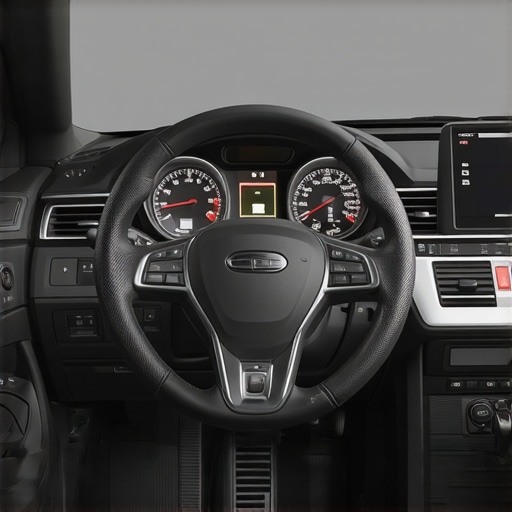
Imagine cruising down the highway, feeling confident, when suddenly your car jerks or makes an odd noise. That sinking feeling hits you—what’s going on? I’ve been there, staring at my dashboard with a mix of frustration and worry, wondering if I was about to face a costly repair. Turns out, that confusing sensation could be a sign of a slipping transmission or an engine misfire, and understanding the difference could save you a lot of money and hassle.
Knowing the Signs Could Prevent a Major Breakdown
Early detection is key. When your transmission starts slipping, it can feel like your car is losing power or having trouble shifting gears, especially when accelerating. An engine misfire, on the other hand, often causes rough idling or a noticeable shake. Recognizing these subtle cues can mean the difference between a simple fix and a full-blown overhaul. I’ve learned this through personal experience—I’ll share my story later, but first, let’s get to the heart of the matter.
Is It Really Worth Worrying About?
Many drivers dismiss these symptoms as minor issues or normal wear and tear, but that can be a dangerous mistake. For example, ignoring a slipping transmission might lead to complete transmission failure, which could cost thousands of dollars to repair. Similarly, failing to address engine misfires can cause further damage to your catalytic converter or other vital components. According to expert mechanics, early diagnosis and maintenance can extend your vehicle’s lifespan significantly, saving you money in the long run. I once overlooked a slipping clutch, thinking it was just slow acceleration; it turned into a costly lesson. So, trust me, understanding these signs is worth your attention.
Now that we’ve set the stage, it’s time to dive into how you can actually tell if your transmission is slipping or if it’s an engine misfire—skills every car owner should have. Ready to become more confident behind the wheel? Let’s get started.
Inspect Your Vehicle Methodically
Start by observing the specific symptoms your car exhibits. When I faced a similar situation, I carefully noted when the jerking or noises occurred—was it during acceleration, steady cruising, or deceleration? This helps narrow down the root cause. For instance, engine misfires often cause rough idling and shaking, especially at low speeds, while transmission slipping might be more noticeable during gear shifts or acceleration. Use this initial assessment as a roadmap for further investigation.
Perform a Visual Inspection
Check Transmission Fluid
Low or dirty transmission fluid can mimic slipping symptoms. Locate the transmission dipstick (if applicable) and examine the fluid’s color and level. Bright red and clean fluid indicates good maintenance; dark, burnt-smelling fluid suggests it’s time for a transmission service. I once found my fluid was a dark, murky brown, prompting me to schedule a transmission flush, which significantly improved shifting. For detailed guidance, visit this resource.
Check for Visible Leaks or Damage
Look under your car for transmission fluid leaks or signs of engine oil leaks. Leaks can trigger slipping or misfiring symptoms. If you see fluid spots, mark them and monitor for changes. Remember, leaks often indicate underlying issues needing professional repair.
Run Diagnostic Tests
Use an OBD-II scanner to read the trouble codes. Engine misfires typically show codes like P0300 or P030X, which point to specific cylinders. Transmission issues may trigger codes such as P0700 or related transmission fault codes. When I borrowed a scanner from a local auto parts store, I retrieved error codes that clearly identified a misfiring cylinder, saving me from unnecessary transmission work. If you’re unsure how to interpret these codes, consult the auto repair guide.
Test Drive with Purpose
Perform controlled tests to observe symptoms firsthand. Accelerate steadily from a stop and listen for irregular sounds or vibrations. Shift through all gears if possible, noting any slipping or delayed responses. Pay attention to whether the engine feels rough or if the jerking occurs during specific gears or speeds. My experience showed that smooth acceleration with no hesitation pointed towards transmission issues, whereas roughness at idle indicated an engine misfire.
Implement Basic Maintenance Checks
Replace spark plugs if they’re old or worn, as faulty plugs can cause misfires. Also, consider using a fuel system cleaner—sometimes debris in injectors induce rough engine behavior. For detailed maintenance routines, see this comprehensive guide. Keeping your engine bay clean and inspecting wiring connections can also reveal loose or damaged parts contributing to the problem.
Recognize When to Seek Professional Help
Persistent symptoms or ambiguous signs mean it’s time for an expert evaluation. Professionals can perform thorough diagnostics—like road testing with specialized tools—and accurately diagnose whether you have transmission slipping or an engine misfire. When I failed to resolve intermittent jerks on my own, visiting a trusted shop proved invaluable, preventing further damage and cost. You can find reliable specialists through this resource.
By following these steps—careful observation, visual checks, diagnostic testing, and strategic troubleshooting—you’ll be better equipped to determine whether your vehicle’s issue originates from slipping gears or misfiring cylinders. Acting promptly not only saves money but also extends your car’s lifespan, ensuring safer drives ahead.
Many car owners operate under the misconception that sticking to the most advertised or cheapest brake services guarantees optimal safety and longevity. However, this belief overlooks critical nuances that can significantly impact vehicle performance and safety. For example, the myth that all brake pads and rotors are created equal leads some to choose based solely on price, ignoring factors like material composition, stopping power, and heat dissipation. In reality, prioritizing quality over cost—such as opting for ceramics over semi-metallic pads—can provide longer-lasting, quieter braking and better heat management, which are essential for long-term vehicle health.
Beware the Myth of One-Size-Fits-All Auto Repair
There’s a widespread belief that standard repairs are interchangeable regardless of the vehicle’s make, model, or usage conditions. This misconception can trap owners into unnecessary or ineffective repairs, thinking all issues are generic. In truth, an expert mechanic considers the specific nuances of your car—like transmission type or driving habits—before recommending a service. Skipping this tailored approach may cause repeated failures or subsequent damage, leading to higher costs down the line. For instance, transmission service protocols differ markedly between conventional and CVT transmissions, and neglecting these specifics can reduce your car’s reliability. For insightful strategies on maintaining your transmission long-term, check out this guide.
Advanced Mechanic Knowledge—What Most Owners Don’t Know
One subtle but crucial nuance often missed is the importance of service sequencing and comprehensive diagnostics. Many assume that replacing worn components in isolation—like just the brake pads—resolves the issue, but this can ignore underlying problems such as caliper sticking or master cylinder wear. Understanding the interplay of components and performing complete system assessments are vital. Modern diagnostics, including scan tools and pressure tests, can uncover hidden faults, preventing premature failures. According to auto repair experts, this thorough approach not only saves money but also enhances safety by preventing unexpected breakdowns. To avoid common pitfalls, explore collision renewal strategies.
Additionally, be aware of the trap of neglecting regular maintenance checks. Skipping routine inspections like fluid levels, rotor condition, or brake hardware can result in compounded damage—costly and dangerous. Regular, proactive maintenance informed by expert advice ensures your vehicle remains dependable. For a detailed checklist, visit this resource.
Have you ever fallen into this trap? Let me know in the comments. Going beyond common assumptions can empower you to make smarter decisions, extend your vehicle’s lifespan, and maintain safety on every trip.
Keep It Running with Precision Tools and Methods
Maintaining your vehicle’s health over the years requires more than just routine checks; it demands the right tools and a strategic approach. One essential device I rely on is the OBD-II scanner. It provides instant access to engine and transmission codes, allowing me to identify issues early. Personally, I use the Blueprint BT500 because of its reliability and compatibility with multiple vehicle makes, making diagnostics efficient and accurate.
Beyond scanning tools, I recommend investing in a high-quality multimeter. It’s invaluable for checking wiring integrity, especially when troubleshooting sensors and actuators involved in brake and transmission systems. I prefer digital multimeters with auto-ranging features, which save time and eliminate guessing, enabling me to spot electrical faults quickly.
When it comes to fluid maintenance, a precision fluid extractor simplifies the process. No more messy spills—just attach it to the transmission or brake fluid reservoir for a clean, controlled extraction. I’ve found that maintaining optimal fluid levels and condition is vital for long-term reliability, as discussed in top transmission tips.
Future Trends in Vehicle Maintenance Tools
Looking ahead, I predict that predictive maintenance software combined with IoT sensors will revolutionize auto care. Cars equipped with smart sensors can alert owners about wear-and-tear or fluid degradation before symptoms even manifest. Companies are already experimenting with AI-driven diagnostic platforms that analyze real-time data, offering proactive recommendations. Embracing these innovations will be crucial for vehicle longevity and safety in the coming decade.
How do I maintain optimal vehicle performance over time?
Consistent diagnostics combined with manual inspections form the backbone of longevity. Regularly updating software, checking fluid quality, and verifying wiring integrity ensure your vehicle operates smoothly. For instance, using an essential car service checklist helps identify minor issues before they become costly repairs. Remember, staying ahead of deterioration is less about reacting to problems and more about preventing them.
Start integrating these tools into your maintenance routine today. For example, regularly scan your vehicle with an advanced OBD-II device—it’s a game-changer for catching vulnerabilities early and extending your car’s lifespan. If you want to deepen your understanding, explore detailed guides like this comprehensive resource. Embrace technology, stay proactive, and your car will reward you with years of dependable service.
What I Didn’t Expect to Learn About Auto Repair
- One of my biggest surprises was realizing that even a small, seemingly insignificant warning sign can hint at a much larger issue—a reminder to always listen to my car’s subtle cues and not dismiss them as mere quirks.
- I discovered that having the right diagnostic tools, like an OBD-II scanner, not only saves time and money but also gives me a greater sense of control over my vehicle’s health, empowering me to handle issues confidently.
- Understanding that quality parts and professional service are investments in my vehicle’s longevity proved crucial, often making the difference between a quick fix and costly repairs down the line.
- Seeing maintenance as an ongoing conversation between me and my car, rather than a one-time event, has transformed my approach to vehicle care into a proactive strategy that keeps me ahead of problems.
- Finally, I realized that embracing technological advancements, like predictive maintenance, is the future of auto care—allowing me to prevent breakdowns before they happen and ensuring safer, smoother drives.
Tools and Resources That Keep Me Ahead
My essential toolkit includes a reliable auto repair guide, which offers detailed insights into maintenance routines. I trust my Blueprint BT500 OBD-II scanner for quick diagnostics, giving me immediate feedback on potential issues. A high-quality multimeter helps check wiring and sensors, ensuring electrical components function correctly. Lastly, a proactive maintenance checklist keeps me vigilant, catching minor problems before they evolve. These resources, combined, form a comprehensive system that keeps my vehicle running at its best and minimizes unexpected setbacks.
Take Charge of Your Vehicle’s Future
Your journey towards better auto health starts with curiosity and a willingness to learn. Don’t shy away from exploring diagnostic tools, regular maintenance routines, and understanding your vehicle’s unique needs. Each step you take today can prevent costly repairs tomorrow, giving you peace of mind and confidence on the road. Remember, the more you know, the better you’ll care for your car—so embrace the knowledge, stay vigilant, and drive with assurance.
Have you encountered a small warning sign that turned out to be more serious than it seemed? Share your story below; your experience might help others avoid similar surprises!