
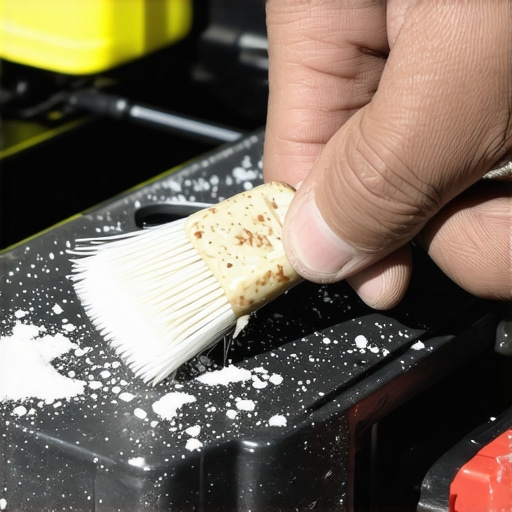
I’ll never forget that awful moment when I turned on my car and noticed the dashboard flickering, the radio cutting out, and then, suddenly, my car wouldn’t start. It was like my vehicle had turned into a digital ghost, all because of a tiny, silent killer—battery corrosion. I was frustrated, puzzled, and honestly a little scared about what damage I might be facing. Sound familiar? If you’ve ever experienced a sudden electrical gremlin in your vehicle, you’re not alone.
Why Battery Corrosion Can Be a Car’s Worst Nightmare
Battery corrosion might seem like a minor nuisance—a dull, bluish-white crust around terminals. But in reality, it can silently wreak havoc on your car’s electrical system, leading to problems like slow starts, flickering lights, or even complete failure to turn over. What baffles many drivers is how quickly this corrosion develops—especially in humid environments or during winter when condensation is high. Left untreated, it can cause irreversible damage, forcing you to consider costly repairs or replacements.
Is Cleaning Battery Corrosion Really Worth the Hype?
Early in my auto repair adventures, I made the mistake of ignoring minor corrosion, thinking it was no big deal. Wrong! That stubborn crust can insulate the terminal, preventing the flow of electricity. I learned this the hard way when my car refused to start on a cold morning, despite the battery being relatively new. Sometimes, a simple cleanup can save you hundreds, if not thousands, down the line. For more insights, check out how regular maintenance can extend your vehicle’s lifespan [here](https://collisionrenew.com/essential-car-service-checks-to-extend-your-vehicles-life).
Prepare Tools and Safety Equipment
Before diving into cleaning, gather necessary supplies: protective gloves, safety goggles, a wire brush or toothbrush, baking soda, water, and a cloth. Don’t forget to disconnect your vehicle’s battery, ensuring the negative terminal is removed first to prevent sparks or short circuits. I learned this the hard way during a messy cleanup when I accidentally touched the positive terminal first, causing a small spark, so always follow this safety sequence.
Remove and Inspect the Battery
Carefully loosen the terminal clamps using a wrench and lift the cables away from the terminals. Examine the battery for cracks or leaks—if present, replacement might be necessary. During my own repair, I noticed a thick, white crust forming on the terminals—a clear sign of corrosion. Removing the battery tray gave me better access and prevented spillage onto other components, making the process cleaner and more manageable.
Apply Baking Soda Solution to Neutralize Corrosion
Mix the Solution
Create a paste by combining baking soda and water—roughly one tablespoon of baking soda per cup of water. This mix neutralizes the acid byproducts of corrosion. I applied this paste directly onto the crusty terminals, observing bubbling action that indicated neutralization was happening. This step is akin to cleaning a burn—safety first and patience second.
Scrub Gently
Use a wire brush or an old toothbrush to scrub the terminals and around the posts. Focus on removing the crust without applying excessive force, which could damage the terminals. During my attempt, gentle scrubbing effectively loosened the corrosion, revealing shiny metal beneath. Remember, patience and steady motion are key to avoid damaging sensitive components.
Rinse and Dry Thoroughly
After scrubbing, rinse the terminals with clean water to wash away residual baking soda and loosened debris. Use a dry cloth to wipe everything dry completely—moisture left behind can lead to further corrosion or electrical issues.
Reconnect and Test
Attach the positive terminal cable first, then the negative, tightening the clamps securely. Once connected, start your vehicle to verify proper operation. I recommend turning on lights and accessories to check for flickering or dimming, common signs of a poor connection. For ongoing maintenance, regular inspections can prevent corrosion buildup, saving you from repeated headaches. To learn more about extending your car’s longevity, visit this comprehensive guide.
Many vehicle owners believe that sticking to basic maintenance schedules is enough to keep their cars running smoothly, but in my experience as an auto repair expert, the devil is in the details. A common myth is that all transmission fluids are created equal—that topping up with any generic fluid will suffice. However, using the wrong type or neglecting transmission-specific service intervals can lead to sluggish shifting or even catastrophic transmission failure. For example, reputable sources like top transmission tips emphasize the importance of using manufacturer-recommended fluids at proper intervals for long-term reliability.
Are Cheap Brake Services a False Economy?
Another misconception is that inexpensive brake repairs are just as good as premium services. In reality, cheaper brake work often employs low-quality parts or skips critical steps like rotor resurfacing or thorough system flushing. These shortcuts can cause uneven wear, squealing, or brake fade—posing safety risks. Advanced drivers understand that investing in comprehensive brake service, such as those detailed here, prevents costly future repairs and enhances safety. Don’t fall into the trap of opting for the cheapest option without considering long-term implications.
Why Many Think Auto Repair Is Always Customary
There’s a widespread belief that every repair or service is a one-size-fits-all procedure. But in truth, understanding the nuanced differences—like the specific demands of your vehicle’s model, driving habits, and environmental conditions—is crucial. For instance, a vehicle in humid climates may require more frequent electrical system checks due to increased corrosion risks. Grasping these subtleties helps prevent common pitfalls, such as over- or under-maintaining critical components. In my work, I often consult ultimate guides to tailor repair strategies effectively.
How Can Overlooking Collision Renewal Strategies Backfire?
Many overlook the importance of specialized collision renewal strategies, assuming that repair is purely cosmetic or superficial. But neglecting proper restoration can lead to compromised structural integrity, affecting safety and longevity. For example, improper paint matching or surface prepping may seem negligible but can accelerate corrosion or cause peeling, which worsens over time. This hidden nuance underscores why detailed procedures—like those outlined here—are vital for genuine, lasting repairs.
In summary, understanding these advanced nuances—not just the basics—can save you money, time, and potential safety hazards. Vehicle care benefits immensely from a meticulous approach that recognizes the intricacies of auto systems. Have you ever fallen into this trap? Let me know in the comments.
Keeping It Working: Essential Tools and Techniques
Maintaining your vehicle’s transmission, collision repairs, braking system, or general auto health requires more than just know-how; it demands the right tools and a strategic approach. Over the years, I’ve perfected a toolkit that balances efficiency with precision, enabling me to deliver long-lasting results for my clients and myself.
One indispensable device I rely on is an infrared thermometer. This non-contact tool helps me quickly assess the temperature of various components, like the transmission or brakes, to identify overheating issues before they escalate. For example, spotting elevated transmission fluid temperatures early can prevent costly slip or failure scenarios. Investing in a high-quality infrared thermometer ensures accurate readings without invasive procedures.
Another game-changer is a digital multimeter, which I use daily to troubleshoot electrical circuits, verify battery integrity, and test sensors. Unlike analog meters, digital multimeters provide instant, reliable readings, saving time and reducing guesswork—crucial when diagnosing complex transmission or collision-related failures. I prefer models with auto-ranging features and backlit displays to work efficiently in various lighting conditions.
When it comes to cleaning and preventing corrosion, I advocate for a quality wire brush set with both stiff and soft bristles. This allows me to meticulously remove rust or corrosion from terminals, ensuring optimal conductivity over years. Pairing this with a corrosion inhibitor spray, like dielectric grease, seals out moisture and extends the life of electrical connections, vital for long-term braking and transmission system health.
For documentation and tracking, I highly recommend using specialized software or mobile apps like RepairQ or Mitchell 1. These platforms streamline service records, schedule maintenance alerts, and provide detailed diagnostic histories. Staying organized with digital records helps in managing complex repairs and ensures compliance with manufacturer service intervals, such as those outlined at this guide.
What’s the Future of Auto Maintenance Tools?
Emerging trends, like AI-powered diagnostic tools and augmented reality glasses, are set to revolutionize how we maintain vehicles. Imagine wearing AR glasses that overlay real-time diagnostic data onto your view—making complex repairs more intuitive and faster. Keeping abreast of these innovations ensures you stay ahead in auto care, ultimately saving time and money.
How do I maintain longevity over time?
Consistency is key. Regularly checking fluid levels with precise tools, maintaining your toolkit, and updating repair strategies according to manufacturer recommendations keep your vehicle in top shape. Adopting a proactive mentality—rather than reactive—helps catch small issues before they become costly repairs. I’ve found that scheduling routine diagnostics, especially for critical systems like transmission and brakes, reduces unexpected breakdowns. For comprehensive strategies, consider reviewing our collision renewal techniques.
Don’t forget, the right tools are just part of the equation. Developing a nuanced understanding of how to use them effectively can make all the difference. For instance, mastering the use of a multimeter to test sensor wiring can save days of troubleshooting. Take a moment today to verify your equipment is calibrated and functioning properly—your vehicle’s future depends on it.
Implement these advanced tips, such as regularly using an infrared thermometer when diagnosing engine or transmission heat issues, and you’ll notice long-term improvements in your maintenance results. Want more expert advice? Reach out through our contact page and let’s optimize your auto care routine together.
Throughout my years working in auto repair, I’ve learned that the devil truly is in the details. From troubleshooting stubborn corrosion to understanding the nuances of transmission behavior, there’s always more beneath the surface than meets the eye. I’d like to share some of the lesser-known lessons that have profoundly shaped my approach to vehicle maintenance and repair.
The Hardest Lesson I Learned About Car Maintenance
Patience is a virtue—especially when dealing with corrosion buildup. I once underestimated a seemingly minor battery crust, only to find myself stranded on a freezing morning. That experience taught me that proactive cleaning and regular inspection can prevent emergencies. Regular checks and timely cleanups, like those described here, are gold standards in vehicle longevity.
3 Myths About Auto Repair That Held Me Back
- Myth: All transmission fluids are interchangeable. Reality: Using manufacturer-recommended fluids ensures smooth gear shifts and prevents costly damage. Read more about this here.
- Myth: Cheap brake services are just as reliable. Reality: Quality parts and proper procedures save you money in the long run. Find out how to choose the best brake service.
- Myth: Every vehicle requires the same repair approach. Reality: Tailoring maintenance to your specific car, environment, and driving habits pays off—detailed here.
What Experts Won’t Tell You About Transmission,Collision,Brake, and Auto Repair
Much of successful repair hinges on understanding the intricacies of each system. For example, subtle overheating in transmission components can indicate issues before a failure occurs if you monitor temperatures with tools like an infrared thermometer—more info here. Recognizing these signs early can save your vehicle and wallet alike.
My Favorite Tools That Make a Difference
- Infrared Thermometer: For spotting overheating parts before failure, ensuring your transmission and brakes stay in safe zones.
- Digital Multimeter: To troubleshoot electrical concerns swiftly, verifying sensor signals or battery health accurately.
- Wire Brush Set & Dielectric Grease: Essential for maintaining electrical connections and preventing future corrosion.
- Repair Management Software: Keeps your maintenance schedule organized, helping you adhere to critical service intervals seamlessly.
Embrace the Power of Knowledge and Tools
Investing in your understanding and toolkit transforms auto repair from a chore into an empowering experience. The future is bright with innovations like AI diagnostics and AR overlays, but the foundation remains: thorough knowledge paired with the right equipment. Keep refining your skills and stay curious—your vehicle, and your wallet, will thank you.
What is the most surprising thing you’ve learned about car maintenance? Share your story below and let’s grow together!