
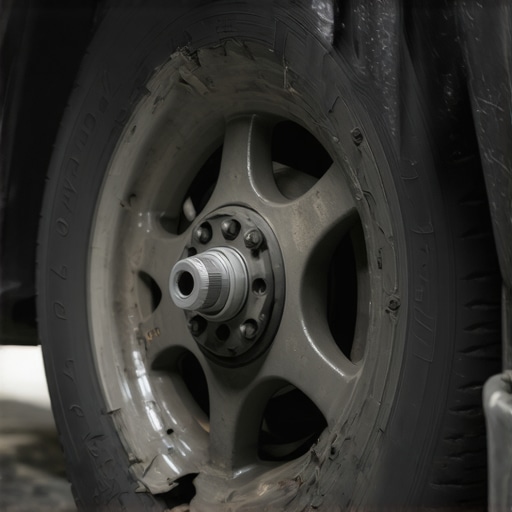
It was a chilly morning when I pulled out of my driveway, only to hear an unsettling clunk from the front wheel. Within seconds, I realized my car was behaving differently—stiff steering, strange noises, and a faint burning smell wafting through the vents. That experience was a wake-up call for me, and honestly, a reminder that ignoring small issues can lead to big repairs. If you’ve ever faced a similar moment of shock, you know how nerve-wracking it can be to figure out what’s wrong before it turns into an expensive nightmare.
Why You Should Catch a Torn CV Axle Boot Early
The CV (constant velocity) axle is a vital part of your vehicle’s drive system, responsible for transferring power from the engine to the wheels while allowing them to turn smoothly. The protective rubber boot around it shields the joint from dirt, moisture, and debris. When this boot tears or cracks, grease escapes, and contaminants sneak in. Over time, this can cause the joint to seize or fail, often leaving drivers stranded or facing costly repairs. The good news? You can catch a torn boot early, saving yourself hundreds—and maybe thousands—of dollars and the hassle of a complete axle replacement.
Is a Torn CV Boot Worth Fixing Before the Damage Gets Serious?
I used to think a torn boot was a minor annoyance, but I learned the hard way that it’s more serious than it appears. An early mistake I made was ignoring the subtle signs, thinking it was just a bit of dirt or a small tear. That mindset nearly cost me a new axle and a long repair wait. According to automotive experts, addressing torn CV boots promptly can prevent joint damage and extend the life of your component. For more insights on car maintenance, check out this guide on collision renewal strategies.
So, if you’re asking yourself whether that suspicious noise or grease splatter is worth concern—trust me, it is. Recognizing the early cues can mean the difference between a quick repair and a major overhaul. But how do you actually tell if your CV boot is torn? That’s what we’ll uncover next, step by step.
Locate the CV Boot and Inspect Visually
First, safely lift your vehicle using a jack and secure it with jack stands. Remove the wheel to access the CV axle. Look for obvious tears, cracks, or grease splatters around the rubber boot. A torn boot often appears as a ripped rubber sleeve with grease leaking out, resembling a ripped rubber glove. In my own experience, I once noticed a small crack on the boot during a routine tire change, which prompted me to move to the next step rather than ignore it.
Check for Grease Leakage and Contamination
Grease leaking from the boot is a clear sign. Wipe away any excess grease with a cloth and examine if more is seeping or if dirt and debris are stuck to the grease. This contamination accelerates joint wear akin to how mud can clog a bicycle chain, leading to failure if neglected. I remember cleaning a boot thoroughly and noticing residual grease that had been smeared on the suspension, confirming that a tear was present. For thoroughness, consult the essential car service checks to understand other signs of early wear.
Perform Flex Test to Assess Boot Integrity
Hold the axle steady while gently rotating or flexing the joint back and forth. If you feel any abnormal resistance, clicking, or binding, it indicates internal damage. Imagine trying to bend a plastic straw; if it doesn’t flex easily or makes cracking sounds, it’s compromised. I once performed this test on my car’s axle, and a slight wobble made me cautious. This hands-on step helps detect damage not immediately visible, echoing the importance of feeling out issues rather than just relying on visuals.
Listen for Noises While Turning or Accelerating
Drive the vehicle slowly and turn the steering wheel left and right. Listen for clicking or popping sounds, which often happen when a joint is failing. In my case, a distinctive clicking during tight turns was a red flag pointing to a boot tear and a worn joint. This sound mimics the clunking noise of a loose door hinge—unmistakable once recognized. Make sure the engine and other systems are functioning correctly by referencing auto repair guide.
Assess Grease Residue on the Suspension Components
Check nearby suspension parts for grease splatters. Grease escaping through tears often lands on struts or control arms, creating visible smudges. During my recent check, I found grease around the wheel hub, prompting me to replace the boot immediately. Think of it like oil leaks from a gasket—early detection prevents larger engine issues. Regularly inspecting these common points of failure keeps the vehicle in top shape and saves money in the long run.
Evaluate the Boot’s Condition During Routine Maintenance
Incorporate CV boot inspections into your seasonal maintenance routines. When rotating tires or replacing brakes, always pull back the rubber covers and look for signs of aging. I now take a quick minute during my brake service, which is detailed in brake service tips, to ensure the boots are intact, extending their life through early intervention. Early action means you avoid the costlier axle rebuilds on the horizon.
Many drivers assume that visiting a collision repair shop like CollisionRenew is just about fixing dents and repainting, but the reality is much more nuanced. One common myth is that all repairs are equal, leading some to believe that a quick fix will suffice. In truth, cutting corners often results in lingering issues that can compromise safety and long-term reliability. For example, choosing generic transmission fluids instead of OEM-specific options might save money upfront but can cause severe damage over time, as detailed in expert analyses here.
Another misconception revolves around brake service—many think that if braking feels normal, there’s no need for attention. But hidden problems like uneven rotor wear or internal caliper issues may not be immediately noticeable. Regular brake inspections are essential to prevent sudden failures.
Advanced car owners often overlook the importance of comprehensive transmission diagnostics. Some assume that slipping gears or delayed responses are minor, but these symptoms can hint at deeper issues that, if ignored, might lead to costly rebuilds. A strategic approach, including routine transmission checkups, ensures longevity.
What most people get wrong is underestimating the nuance in vehicle maintenance and repair decisions. Every component, from the engine to the wheels, interacts intricately, and neglecting this interconnectedness can trigger chain reactions of failures. For instance, failing to address a slightly warped brake rotor could lead to uneven wear on brake pads, increasing repair costs. It’s crucial to understand that the expertise at CollisionRenew isn’t just about fixing visible damage but optimizing your vehicle’s entire health.
Think about it: Are you making assumptions based on surface-level observations? Taking shortcuts in maintenance might save a few dollars now but could cost much more later. To ensure your vehicle remains reliable, invest in regular, thorough inspections and trusted repair strategies. For more insights, explore our comprehensive car repair strategies.
Have you ever fallen into this trap? Let me know in the comments!
How do I maintain my vehicle’s collision renewal, auto repair, and service systems over time?
Maintaining your car’s health requires more than just occasional visits to the shop. Investing in the right tools and adopting effective methods ensures your vehicle remains reliable and safe for the long haul. I personally rely on a combination of quality diagnostic equipment and routine checks to stay ahead of potential issues. For instance, a reliable OBD-II scanner is indispensable; it helps me quickly identify lurking problems before they escalate, saving both time and money. I prefer the Autel MaxiCOM MK808 because of its comprehensive diagnostics and user-friendly interface, enabling me to pinpoint issues with engine systems, transmissions, and brake components—like those discussed in Top Transmission Repair Tips.
Beyond electronic tools, essential manual equipment like a high-quality torque wrench, a creeper for under-car inspections, and a set of reliable screwdrivers are vital. Regular visual inspections of brake pads, fluid levels, and suspension components help catch early signs of wear. I also use a silicone-based lubricant for delicate parts, which prevents squeaks and reduces corrosion—crucial for components exposed to the elements. This routine maintenance extends the lifespan of parts such as the transmission and brake systems, helping avoid costly repairs down the line.
Looking ahead, the trend is moving towards integration of connected diagnostic systems with mobile apps, allowing real-time monitoring. Think of it as having a dedicated mechanic in your pocket. In this digital age, adopting such technology will become standard, letting us stay proactive rather than reactive. Keeping up with these advancements means investing in tools that evolve—like updating your diagnostic software regularly or integrating sensor-based maintenance alerts.
What strategies help keep your car components running smoothly over years?
One key approach I swear by is maintaining a strict schedule based on your vehicle’s manufacturer recommendations and adhering to the criteria outlined in collision renewal strategies. This includes scheduled transmission fluid changes, brake fluid flushes, and periodic inspections of belts and hoses. Using quality replacement parts from trusted brands ensures that repairs last longer and perform better. For example, choosing OEM-certified brake pads minimizes brake fade and squeal, maintaining effective stopping power.
Another tactic involves leveraging specialized software to track maintenance history. I utilize a cloud-based platform that syncs with my diagnostic tools, providing reminders for upcoming service intervals. This system reduces oversight and guarantees no critical maintenance gets overlooked—like the vital brake service detailed in best brake service practices.
One advanced tip is to conduct periodic transmission fluid analysis, which can detect early signs of wear or contamination. A lab test revealing metal particles can serve as an early warning, enabling preemptive repair. According to transmission fluid analysis experts, this proactive step significantly enhances your vehicle’s reliability.
If you’re aiming to elevate your maintenance game, I highly recommend trying the mechanic’s trick of using a professional-grade infrared thermometer to check the temperature difference across brake components during use. This quick check can reveal uneven heating indicative of pad or rotor issues. Implementing this small step can prevent uneven wear and prolong brake system life.
Remember, diligent maintenance isn’t just about fixing problems; it’s about creating a reliable driving experience that lasts years. Try some of these tools and techniques, and you’ll notice how much easier it is to keep your vehicle working seamlessly, reducing the need for emergency repairs and restoring confidence in your car’s performance.
Embarking on vehicle maintenance might seem daunting, but sometimes a simple inspection can prevent major headaches down the road. Learning from my own missteps, I discovered that catching a torn CV boot early is not just about avoiding costly repairs—it’s about preserving your peace of mind and keeping your car reliable. Replacing a boot before it causes joint damage can save hundreds and keep your vehicle running smoothly for years to come. Remember, the key lies in knowing what signs to look for and acting promptly instead of dismissing those small leaks or strange noises.
What Hidden Lessons a Worn CV Boot Taught Me About Care
- Patience Pays Off: Ignoring minor grease splatters or slight tearing can lead to irreversible damage, emphasizing the importance of routine checks.
- Details Matter: A small crack during a tire rotation made me realize that subtle visual cues often reveal bigger issues, urging me to stay vigilant.
- Early Action Saves Money: Addressing signs early can prevent the expense of axle rebuilds, reinforcing that proactive maintenance is your best investment.
Tools and Resources That Keep My Vehicle in Top Shape
- Reliable Diagnostic Equipment: I trust the essential service checks guide to understand what every inspection should include, helping me identify issues before they escalate.
- Quality Replacement Parts: OEM-certified CV boots and grease ensure durability and compatibility, reducing the likelihood of future failures.
- Educational Content: Continuously learning through expert articles and tutorials keeps me informed—like exploring collision renewal strategies to optimize vehicle longevity.
Take Charge and Keep Your Car Running Trustably
Maintaining your vehicle’s health is a continuous journey, not a one-time fix. Staying attentive to signs of wear, investing in quality tools, and leveraging expert resources empowers you to prevent breakdowns and extend your car’s lifespan. Remember, the effort you put in today can save you from costly repairs tomorrow. Keep learning, stay proactive, and enjoy the confident drive that comes with being a responsible vehicle owner.
Have you noticed any early signs of CV boot damage on your vehicle? Share your experiences below—your insights might help someone else avoid costly repairs.