
Have you ever been startled awake by a loud rattling noise coming from underneath your car late at night? I remember the first time I heard that unsettling clatter from my exhaust pipe. My heart sank—I was convinced I’d need expensive repairs or to call in a pro with a welding kit. Turns out, I was just about to go down a rabbit hole of overcomplicated fixes that could drain my wallet and my patience.
That lightbulb moment hit me hard. I realized that, with a little ingenuity and some basic tools, I could stabilize my rattling exhaust without needing a welder or professional help. And today, I want to share that practical, budget-friendly method with you. Whether you’re a seasoned DIYer or just tired of that persistent noise, I promise these tips will help you quiet your exhaust and get back on the road without breaking the bank.
Why Ignoring That Rattle Could Lead to Bigger Problems
The truth is, a rattling exhaust isn’t just an annoying sound. Over time, it can signify loose components or damage that might eventually compromise your vehicle’s safety and performance. Experts have noted that exhaust leaks and loose hangers can lead to harmful gases seeping into your cabin or even cause more severe damage to your vehicle if left unaddressed. According to the Department of Transportation, neglecting exhaust system issues can result in increased emissions and decreased fuel efficiency. So, tackling this problem early is not just about silence; it’s about safeguarding your car and your loved ones.
Have you recently noticed that telltale metallic clang when you hit certain speeds? If so, you’re not alone—and you’re in the right place to learn how to fix it yourself.
Now, before we jump into the DIY fixes, I’ll admit I made a common mistake early on: I thought I needed fancy tools or professional welding to fix a loose exhaust pipe. That misconception almost ended up costing me more than I bargained for. But I learned that, with some simple supplies and a bit of patience, you can resolve the issue quickly and effectively.
Curious how? Keep reading, because the solution I’ll share is straightforward, affordable, and has saved me countless trips to the mechanic. If you’re tired of the rattling and ready to take matters into your own hands, you’re about to discover a fix that works—no welding required.
Identify the Loose Components
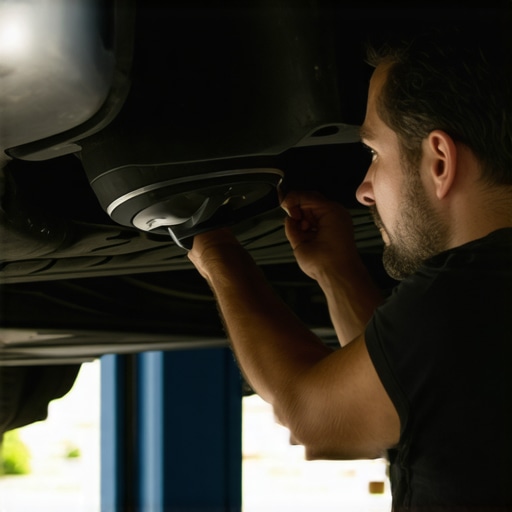
Start by safely lifting your vehicle using jack stands and a hydraulic jack, ensuring your car is stable on level ground. Crawl underneath to examine your exhaust system for loose hangers, clamps, or sections that appear out of place. I remember my first attempt: I found a section of the pipe wobbling and making a metallic clanging sound. Pinpointing the exact source is crucial to avoid unnecessary replacements.
Gather Basic Repair Supplies
Once you’ve identified the problem area, gather essential supplies: a pair of pliers, screwdrivers, high-temperature exhaust clamps, and some durable zip ties. A bit of WD-40 can help loosen rusted fasteners. I used zip ties to temporarily tighten a loose hanger, which surprisingly held for weeks until I could make a proper fix. This approach saved me from immediate trips to the auto parts store.
Secure Loose Hangers and Components
For loose hangers, use a pry bar to reposition and compress the rubber mounting or replace worn-out hangers with new ones. If clamps are loose, tighten them with screwdrivers or pliers. When I encountered a loose clamp, I tightened it as tightly as my hands could manage, then secured it further with zip ties for extra stability. This makeshift fix significantly reduced the rattling noise.
Install Exhaust Clamps or Reinforce with Zip Ties
If a section of pipe is disconnected, slip a high-temperature exhaust clamp over the joint and tighten thoroughly. For minor rattles, wrapping zip ties around the pipe or hanger can prevent movement. I once wrapped zip ties around a loose section, which effectively silenced the noise for several weeks. Remember, these are temporary solutions—plan to replace worn parts promptly.
Inspect for Cracks or Damage
While underneath, look for cracks or holes around joints or pipes. Small cracks can cause rattling and may allow exhaust gases to escape. If found, seal cracks with high-temperature exhaust repair tape or silicone sealant. If damage is extensive, consider replacing the affected pipe or section—more on that at Essential Car Service Checks.
Test Your Repairs
After securing parts and applying any necessary sealants, lower the vehicle carefully. Start the engine and listen for residual rattling. If the noise persists, repeat the inspection process, tightening or repositioning parts as needed. I drove around the block, and the silence was a relief—proof that a few simple fixes can do the trick.
Prevent Future Rattles
Regularly inspect your exhaust system, especially after rough drives or harsh weather. Replacing worn hangers early prevents loose parts from causing noise or damage. For comprehensive maintenance tips, check out Top Transmission Repair Tips to keep your vehicle running smoothly.
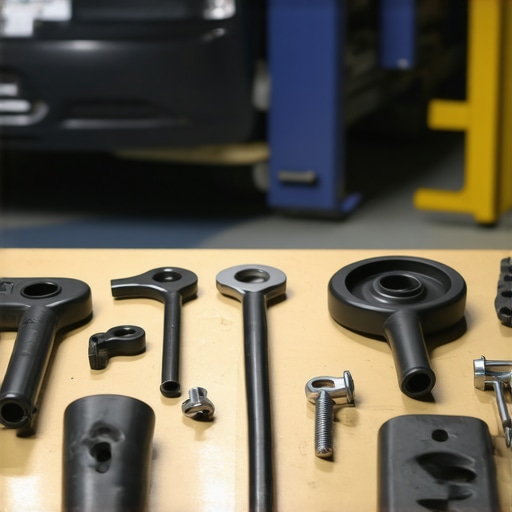 Many car owners operate under misconceptions about brake service and auto repairs, often leading to costly mistakes. For instance, the popular belief that all brake pads need replacing every 20,000 miles oversimplifies the reality; modern materials and driving habits can extend their lifespan significantly. As an experienced technician, I can tell you that premature replacement may sometimes be unnecessary and can even cause avoidable expenses. Another misconception is that ‘more frequent is always better’ when it comes to vehicle maintenance—truthfully, over-servicing can result in unnecessary costs and even inadvertently cause damage, as detailed in expert analyses from CollisionRenew’s comprehensive guides.
A sneaky trap many fall into involves assuming that complex-sounding issues require advanced diagnostics or part replacements without first conducting thorough, simple inspections. This can lead to ‘overdiagnosis’ and replace parts that are still functioning well. For example, a shuddering transmission might seem like a major rebuild, but sometimes just a fluid change or minor adjustment resolves the problem. That’s why understanding the nuances of automotive behavior is crucial.
**Why do some repairs seem to fix the issue temporarily, only for the problem to return?** Many technicians and DIY enthusiasts overlook the importance of properly diagnosing the root cause. An apparent brake squeal might actually be a sign of uneven rotor wear or contamination—not just pad wear. Addressing only the symptoms rather than the underlying issue results in repeated repairs and escalating costs.
Further complicating matters are myths surrounding transmission servicing. The popular belief that transmission fluid never needs changing once the vehicle is out of warranty is false. Studies by automotive experts highlight that neglected fluid can cause internal wear and eventual failure, emphasizing the need for regular service intervals, as outlined in CollisionRenew’s detailed [top transmission repair tips](https://collisionrenew.com/top-transmission-repair-tips-for-long-term-vehicle-reliability).
Delving deeper, consider the misconception that cheaper auto parts suffice for repairs. While setting a strict budget is practical, cutting corners on quality can lead to premature failures and safety issues. As I’ve seen firsthand, choosing OEM or high-quality aftermarket parts often results in significant long-term savings, reducing the necessity for frequent repairs.
**A pro-level tip:** Always question the repair advice that suggests a quick fix without under-the-hood inspections. If a mechanic or shop is offering an immediate replacement without showing you the actual worn parts or explaining the diagnosis, it’s time to reconsider. Read CollisionRenew’s advice on [car service checks to extend your vehicle’s life](https://collisionrenew.com/essential-car-service-checks-to-extend-your-vehicles-life) and empower yourself with knowledge.
Finally, never underestimate the value of comprehensive, honest vehicle assessments. Properly diagnosing and understanding the hidden nuances of auto repair might seem tedious at first, but it pays off in the form of reliable, safe vehicle operation and financial savings. Do you have stories of repair myths impacting your car maintenance? Share in the comments!
Remember, pushing for thorough diagnostics rather than quick fixes is the best way to ensure your vehicle’s health. For more expert insights, visit CollisionRenew’s [ultimate auto repair guide](https://collisionrenew.com/the-ultimate-guide-to-auto-repair-keep-your-car-running-smoothly). Your car will thank you.
Invest in Reliable Equipment for Long-Term Success
When it comes to maintaining your vehicle, having the right tools can make a significant difference in both quality and efficiency. I personally rely on a high-quality digital multimeter because it helps me diagnose electrical issues quickly and accurately, saving me time and money. Unlike generic testers, my multimeter provides precise voltage and resistance readings, allowing me to pinpoint problems like faulty sensors or bad wiring without guesswork.
Another indispensable tool is a hydraulic lift or quality jack stands. Safety is paramount; I never compromise on the stability of my vehicle when working underneath. My preferred jack stands have a sturdy design, adjustable height, and lockable pins, which give me peace of mind during repairs. For example, when replacing suspension components, stable support prevents accidents and ensures accurate work.
Software and Diagnostic Equipment that Guarantee Accuracy
Modern auto repair heavily depends on diagnostic tools. I recommend investing in an OBD-II scanner like the BlueDriver or Autel MAXISYS. These tools connect to your vehicle’s computer, offering real-time data and trouble codes that go beyond generic code readers. Using such software, I’ve easily identified issues with transmission shifting or engine misfires, which would be nearly impossible to detect manually. Plus, many scanners come with mobile apps that guide you through the repair process, making the DIY approach more accessible.
Predicting where auto technology is headed, I believe integration of smartphone-compatible diagnostics and wireless tools will become standard. The future of car maintenance is all about smart tools that simplify complex repairs for everyone, not just professionals.
How do I maintain my tools over time?
Maintaining your automotive tools ensures their longevity and reliable performance. I always clean and store my tools in a dedicated toolbox after each use, preventing rust and corrosion. Regularly checking calibration for electronic testers and replacing worn-out parts keeps everything functioning correctly. Proper maintenance avoids unexpected failures during critical repair moments and saves money in the long run. For more detailed strategies on extending your tools’ lifespan and ensuring your vehicle stays in top shape, visit CollisionRenew’s restoration guides.
Remember, the investment you make in quality tools pays back in efficiency, accuracy, and safety. Trying out precise diagnostic methods or investing in a reliable scan tool can seem daunting at first, but these are the secrets professional mechanics rely on daily. For an advanced tip: test your vehicle’s battery voltage regularly using your multimeter, especially during extreme weather conditions, to prevent unexpected failures before they happen.
By equipping yourself with dependable tools and practicing consistent maintenance, you’ll keep your car running smoothly for years to come. Don’t hesitate—try out a high-quality diagnostic scanner today and experience firsthand how it simplifies complex repairs. For more expert advice on auto maintenance, explore the ultimate guide to auto repair.
Lessons That Changed My Approach to Auto Repair
One of the most valuable insights I gained was realizing that many auto issues aren’t as complicated as they seem. For instance, I used to believe that fixing a rattling exhaust required expensive replacements or welding skills. Instead, I learned that a few simple tools and some patience could save me money and stress. Additionally, understanding that loose hangers or clamps are often the culprits taught me to check these parts first before considering more drastic measures. This shift in perspective was my breakthrough, teaching me to trust my ability to diagnose and fix minor problems safely at home.
Another lightbulb moment was recognizing the importance of regular inspections. Many troubles develop gradually, and a proactive approach—like inspecting exhaust components after rough drives—can prevent small issues from escalating. That awareness has empowered me to take control of my vehicle’s maintenance, avoiding unnecessary trips to the mechanic and feeling more confident in my DIY skills.
My Go-To Resources for True Auto Repair Confidence
Over time, I’ve found that reliable tools and reputable sources make all the difference. My top tool is a high-quality digital multimeter, which helps me accurately diagnose electrical issues, saving guesswork and money. For physical repairs, a sturdy set of jack stands and a hydraulic jack are essential for safety and ease when working underneath the vehicle. To deepen my understanding, I rely on trusted websites like CollisionRenew’s maintenance guides and comprehensive diagnostic apps that connect to my scanner. These resources have built my confidence to handle repairs correctly and safely, reinforcing that knowledge is the best investment when it comes to car care.
Your Next Step Toward Autonomy in Car Care
Embarking on DIY repairs might seem intimidating at first, but the sense of accomplishment and savings are worth it. Start with small projects, like tightening loose clamps or replacing worn hangers, and gradually build your skills. Remember, every expert was once a beginner. By equipping yourself with the right tools and trusted information, you set the stage for a more resilient, self-reliant relationship with your vehicle. So, why not take that first step today? Your car—and your wallet—will thank you.