
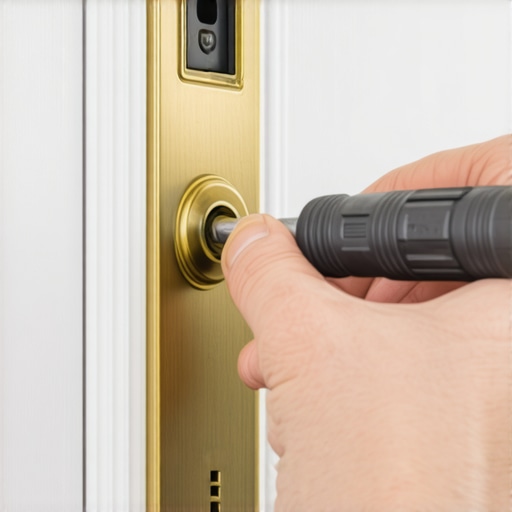
Imagine this: You’re late for work, coffee in one hand, and you pull your car door open only for the handle to stay… out. It’s just hanging there, limp and useless. You try to pull the door shut, and—clack—it bounces right back at you because the latch won’t engage. It happened to me last November during a freezing rainstorm in my driveway. I stood there like an idiot, holding a door that wouldn’t close, wondering if I’d have to bungee-cord it shut just to get to the office. It’s frustrating, it’s embarrassing, and frankly, it feels like the kind of expensive repair that ruins your week. It makes your car feel old and neglected, even if you’ve kept up with everything else. Much like why your power windows slow down in freezing weather, extreme temperatures often expose the gunk living inside your door panels. But here’s the secret: most of the time, it’s just a gunked-up spring, a frozen pivot point, or a cable that lost its way, not a catastrophic failure. Today, I’m going to show you how to get that handle back in its place without losing your mind or your paycheck. We’re going to look at the simple physics of your door’s interior and fix this ourselves. [image placeholder]
Stop Slamming Your Door and Read This First
Look, I’ve been there. My first instinct when my old sedan’s handle stuck was to slam the door harder, thinking I could “force” it to catch. Big mistake. All I did was risk damaging the internal mechanism even further. Before you go hunting for a hammer, we need to talk about why these components fail. Often, it’s a simple lack of lubrication or a small piece of road debris that’s jammed the pivot point. While you might be tempted to call for a tow truck, this is usually a driveway-fixable situation. In my early days, I once sprayed half a can of generic degreaser into a door panel only to realize I’d dissolved the factory grease that was actually supposed to be there. I ended up making the door creak like a haunted house for the next three years. Learn from my blunders! Checking your door’s health is as vital as those essential car service checks we all tend to skip until something breaks. A little bit of the right grease in the right place goes a long way.
Is a stuck handle actually a sign of a dying car?
You might be worried that this is the first domino in a long line of expensive repairs. According to data from the National Highway Traffic Safety Administration (NHTSA), door latch and handle malfunctions are a common point of failure in older vehicles, often leading to safety recalls, but for the average driver, it’s rarely a sign of total vehicle collapse. It’s just a mechanical part that’s done a lot of work. Think of it like a pair of shoes where the laces finally snapped—it doesn’t mean the shoes are trash, it just means they need a little maintenance. If you’ve dealt with this before, did you manage to pop it back yourself, or did you end up at a shop? Let me know in the comments! If you’re also noticing the door hanging lower than usual or making a grinding sound when you pull it, you might also want to look into how to fix a car door that sags, as these issues often go hand-in-hand. This is all part of the ultimate guide to auto repair—keeping the small stuff from becoming big stuff. Let’s get our hands dirty and get that door clicking shut again.
Peel Back the Layers Without Snapping the Clips
To get to the heart of the problem, you need to see the skeleton behind your door’s plastic skin. Most modern door panels are held in place by a few hidden screws—usually tucked behind the pull handle or inside the armrest pocket—and a dozen stubborn plastic clips. I highly recommend using a nylon trim tool set. Using a flathead screwdriver is a recipe for gouging your plastic and leaving your car looking like it survived a bear attack. It is a bit like how to check your own wheel alignment using a piece of string; it requires a bit of patience and a steady hand rather than brute force. Once the screws are out, start from the bottom corner and pop the clips one by one. You will hear a loud ‘crack’—don’t panic, that is usually just the tension releasing, not the plastic breaking.
Identify the Rod or the Cable Failure
Once the panel is dangling, you will see either a series of thin metal rods or a braided cable. This is the nervous system of your door. Pull the exterior handle and watch what moves. If the handle stays out, look at the pivot point where the handle meets the latch. Often, the return spring has either snapped or is simply buried in ten years of road grime and dried factory grease. If the cable is frayed or the rod has popped out of its plastic retaining clip, the handle has nothing to pull against. In my early twenties, I tried to fix a stuck handle on my old coupe using a heavy-duty rubber band because I didn’t want to buy a new $4 clip. It worked for exactly three door-closes before the rubber snapped and jammed the entire latch assembly shut, forcing me to climb in through the passenger side for a week. Use the right clips; they cost pennies compared to the headache of a jammed latch. 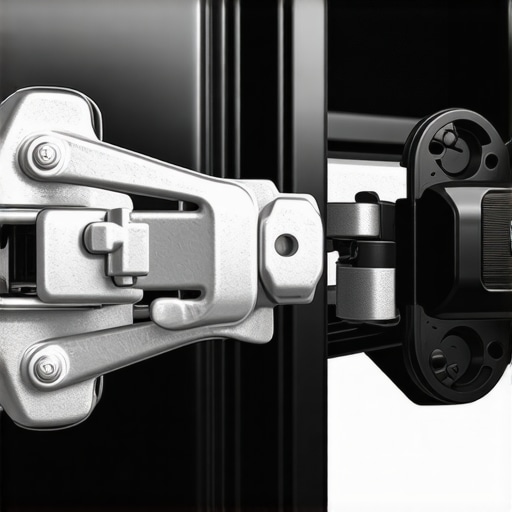
The Grease that Actually Works
Most people reach for a can of multi-purpose spray lubricant the second they see a moving part, but that is a temporary fix that often makes things worse. Those thin oils evaporate quickly and can actually strip away the heavy-duty lithium grease the factory put there. You want a white lithium grease or a high-quality silicone spray. These stay put and won’t gum up when the temperature drops. If you have ever wondered why your transmission fluid smells like burnt toast, you know that heat and friction destroy lubricants over time. The same happens inside your door. Spray the pivot points and the latch mechanism liberally, then work the handle back and forth fifty times. You are essentially ‘massaging’ the new grease into the joints. This is a core part of top transmission repair tips for long-term vehicle reliability and general maintenance: clean first, then lubricate correctly.
My Deep Fryer Disaster
I once made the mistake of using a vegetable-based spray on a sticky door latch during a summer heatwave because I was out of real supplies. For the next three months, my car smelled like a fast-food dumpster, and the oil eventually turned into a sticky, brown varnish that glued the handle in the ‘open’ position permanently. I had to use a degreaser and a toothbrush to scrub the mess off. Learn from my grease-fire of a mistake and use a dedicated automotive lubricant. If the handle still feels sluggish after greasing, check the alignment of the door itself. Just like how to stop a squeaky tailgate with the right lubricant, sometimes the issue is a combination of dry hinges and a latch that is slightly out of alignment with the striker bolt on the car frame. A quick adjustment of the striker with a Torx bit can often take the physical ‘stress’ off the handle mechanism, allowing the internal springs to do their job without fighting gravity.You’ve greased the pivot points, you’ve checked the cables, and yet the handle still feels like it’s fighting you. Most DIY guides will tell you to just buy a new assembly at this point. I disagree. In my experience, a ‘broken’ handle is often a symptom of a much deeper alignment issue rather than a component failure. We often assume that because the car looks straight, the door frame is perfect. However, even a minor impact—the kind that barely leaves a scratch—can subtly shift the door shell. When this happens, the latch and the striker (that little U-shaped bolt on the car frame) no longer meet at a perfect 90-degree angle. This creates ‘bind,’ where the latch has to work twice as hard to release. No amount of grease fixes a geometry problem. This is where the ‘Oops’ factor usually kicks in. I see guys trying to fix this by filing down the latch or the striker to make it fit. Please, don’t do that. You’re compromising the safety of the door’s locking mechanism. Instead, look at the hinges. If you notice your car door sags when opened, the latch is essentially ‘climbing’ onto the striker every time you close it. This puts massive upward pressure on the internal handle rods, making them feel stuck. It’s part of the broader ultimate guide to auto repair—understanding that every part is connected.
Why does the handle feel ‘mushy’ after a professional repair?
If you’ve recently had bodywork done, you might notice the handle doesn’t have that crisp, factory ‘click.’ This is a nuanced trap. Modern cars often use specialized materials like structural foams after a quarter panel hit to dampen noise and vibration. If a shop isn’t careful, that foam or insulation can slightly press against the handle’s internal travel path. According to I-CAR (the Inter-Industry Conference on Auto Collision Repair), even a few millimeters of interference from insulation or poorly routed wiring can prevent a latch from fully resetting. If your handle doesn’t snap back with authority, check for internal obstructions before you blame the spring. 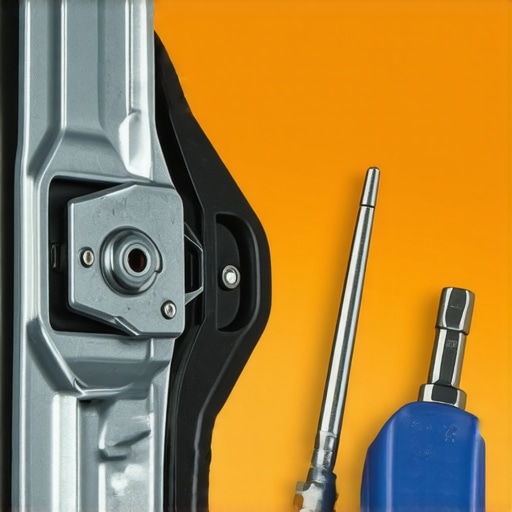 We also need to talk about the ‘hidden’ stressor: vibration. If you’ve been ignoring the fact that your car pulls to the right during heavy braking or you’re overdue for a brake service, the resulting chassis vibration can actually rattle internal door clips loose over time. It sounds crazy, but a car that isn’t running smoothly vibrates itself apart from the inside out. This leads to those tiny plastic clips snapping, leaving your handle rod dangling. Have you ever spent hours replacing a part only to realize the problem was just a slightly crooked bolt or a piece of loose foam? Let me know in the comments! Real collision renewal strategies involve looking at the whole car, not just the part that’s acting up. If you’re tackling this today, take a second to look at the striker plate before you tear the door apart again. Keeping an eye on these small details is as important as your essential car service checks for long-term reliability.
Maintenance isn’t just about the big stuff under the hood; it’s about the tactile things you touch every single day. If your handle feels heavy or hesitant, don’t wait for it to snap. I’ve found that a yearly ‘door detox’ is just as crucial as those essential car service checks to extend your vehicle’s life. We often obsess over the engine, but a door that won’t open is a fast way to turn your daily driver into a lawn ornament. To keep things moving, I use a specific two-step method: first, a blast of compressed air to clear out the dust, followed by a high-cling white lithium grease. This isn’t just a surface fix; you want the grease to penetrate the pivot pins where the most friction occurs.
Stop the Gunk Before It Stops You
The real enemy of a smooth door handle is ‘shelf life’—the tendency for old grease to turn into a wax-like substance that actually traps dirt. When this happens, the return spring loses its battle against physics. In my workshop, I’ve started using a digital borescope—a tiny camera on a flexible wire—to look inside the door cavity without taking the whole panel off every time. This is a game-changer for spotting early signs of rust or a clip that’s about to give way. It’s the same kind of precision you’d expect when choosing brake service in 2025, where tech-driven diagnostics are becoming the standard. If you see orange dust through the camera, you know moisture has breached the vapor barrier, and it’s time for a deeper intervention before the latch fails completely.
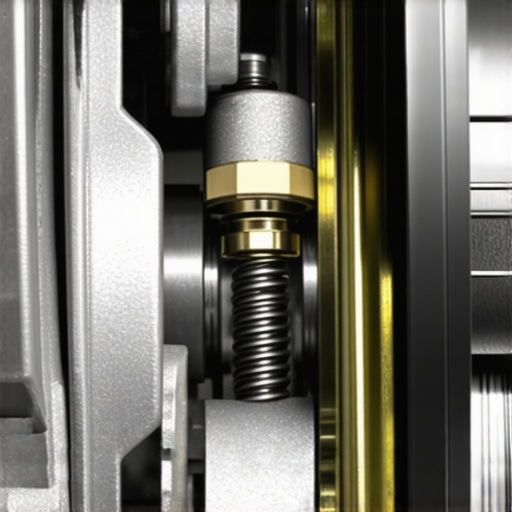
How can I keep my door handles working for another decade?
The secret is consistency and the right chemicals. According to the Society of Automotive Engineers (SAE) Standard J676, door latch systems are tested for thousands of cycles, but those tests assume a clean environment. Real-world salt, humidity, and vibration mean you need to be proactive. I recommend a quick spray of silicone lubricant into the keyhole and the latch assembly every six months. This keeps the seals supple and prevents the ‘frozen handle’ syndrome I mentioned earlier. Think of it as a small piece of the ultimate guide to auto repair; small wins lead to long-term reliability. We are already seeing a shift toward ‘hidden’ flush-mount handles and electronic poppers in newer EVs, which will eventually make these mechanical rod adjustments a thing of the past, but for those of us driving classic or modern internal combustion cars, these mechanical skills are vital.
The Pro Tool You Probably Are Not Using
If you really want to level up your DIY game, get a set of long-reach slim-jim tools—not for breaking into cars, but for repositioning those internal rods without having to wedge your hand into the sharp, metal ‘guillotine’ of the door frame. These tools allow you to reach the latch clips from above, saving your knuckles and your patience. This kind of specialized approach is central to modern collision renewal strategies where we aim to preserve as much of the original hardware as possible. My challenge to you: this weekend, don’t just wash your car. Open the door, wipe down the striker plate, and apply a dab of fresh grease to the latch. You’ll be amazed at how much better the car feels when the door shuts with that solid, satisfying ‘thud’ again. If you’re tackling more than just a handle, like a tricky gearbox issue, be sure to check out top transmission repair tips for long-term vehicle reliability to keep the rest of your ride as smooth as your new door entry.
What Years of Greasy Knuckles Taught Me About Latch Failures
After fixing dozens of these, I’ve realized that the ‘click’ isn’t just a sound; it’s a health indicator. If your door sounds hollow or ‘clangy’ when you close it, your internal dampeners or structural foams might be disintegrating, leaving the rods to rattle against the shell. Another lightbulb moment: many people blame the handle when the real culprit is a build-up of wax from automatic car washes that has seeped into the latch mechanism. It’s a silent killer for moving parts. Lastly, never underestimate the power of the vapor barrier. If you tear that plastic sheet behind the door panel and don’t tape it back perfectly, you’re inviting moisture to rust your new repair within a single season.
My Go-To Kit for Door Survival
I don’t go into a door panel without these three specific items. First, a Nylon Pry Bar Set—metal tools are for engine blocks, not delicate interior plastic. Second, White Lithium Grease in an aerosol can with a straw; it reaches the deep pivot points you can’t physically touch. Third, Gaffer Tape; it is much better than duct tape for resealing the vapor barrier because it doesn’t leave a gooey mess in the summer heat. For more complex issues involving the frame or structural integrity, I always refer back to collision renewal strategies that prioritize factory-spec alignment over quick, messy fixes.
Reclaiming Your Entryway
Don’t let a stubborn piece of plastic dictate your morning routine. Taking the time to understand the ‘skeleton’ of your car door is a fundamental step in the ultimate guide to auto repair. When you finally hear that smooth, effortless snap of the latch, you’ve done more than just save money; you’ve mastered a vital piece of your machine. Regular maintenance, including essential car service checks, ensures you aren’t left standing in the rain with a useless handle in your hand. Now, get out there and make that door click like new again. Have you ever had a door handle fail at the worst possible moment—like during a first date or a job interview? Let me know your horror stories in the comments below!