
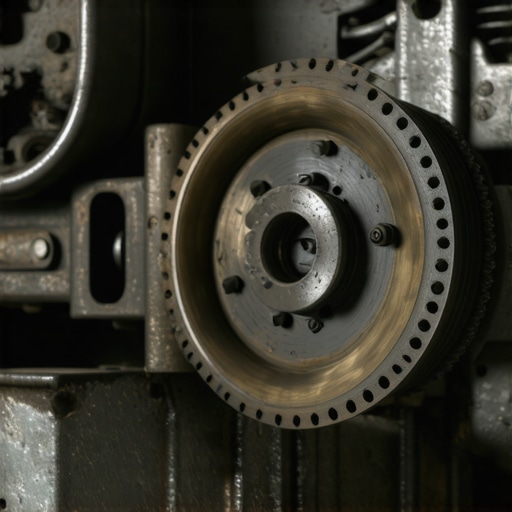
I still remember a freezing February morning about five years ago. I walked out to my old truck, coffee in hand, and turned the key. Instead of the usual purr, I was met with a visceral, gut-wrenching CRACK-WHIRRR that sounded like someone had tossed a handful of gravel into a blender. It was loud enough to wake the neighbors and embarrassing enough to make me want to slide right under the seat. My heart sank because I knew that sound meant metal was hitting metal in a way that nature never intended. If your engine makes a grinding noise only when you start it, you know exactly that feeling of dread. It’s that split second where you wonder if your commute is about to involve a tow truck and a four-figure repair bill. Today, I’m going to share exactly what’s going on under your hood so you can stop the damage before it gets expensive. Have you ever sat in your driveway, key turned halfway, just praying the noise doesn’t happen today? Let’s get to the bottom of it together.
Your Starter Motor and Flywheel Are Having a Bad Breakup
To understand that morning racket, you have to picture the violent handoff that happens when you turn your key. Your starter motor is a small, high-torque device that shoves a tiny gear into the teeth of your engine’s massive flywheel to get things spinning. In a healthy car, that little gear pops out, does its job, and retracts instantly. But when things go south—usually due to a worn-out solenoid or old, gunky grease—that gear stays out a fraction of a second too long. That grinding sound is the engine’s massive power trying to drive that tiny starter gear at thousands of RPMs it wasn’t built for. Early in my DIY journey, I made the classic mistake of thinking a ‘sticky’ starter would just fix itself with time. I ended up chewing the teeth right off my flywheel, turning a simple starter swap into a massive job. Keeping up with essential car service checks can usually catch the early signs of voltage drops or physical wear that lead to this. If the noise happens while you’re moving rather than just at ignition, you might be dealing with why your car makes a grinding sound when you turn the steering wheel instead, which is a different beast entirely.
Is This Morning Grind Actually a Sign of Engine Death?
According to data from AAA, starter-related issues are among the most common reasons for emergency roadside calls, yet they almost always give you a ‘grinding’ warning for weeks before they finally fail. This isn’t usually a sign that your engine is blown, but it is a sign that your ignition system is cannibalizing itself. If you ignore it, you’re not just risking a car that won’t start; you’re risking damage to the ring gear on your transmission’s flexplate or flywheel. If you’re noticing weirdness even after those first few seconds of driving, check out why your transmission grinds only during the first five minutes to see if your issues are overlapping. Navigating these sounds can be a headache, but sticking to the ultimate guide to auto repair will keep you from making the same expensive mistakes I did back in the day.
Pinpoint the Grinding Source Before You Buy Parts
First, we need to rule out ‘lazy’ electricity. Think of your battery and starter cable like a garden hose. If the hose is kinked or the faucet is barely on, you won’t have the pressure to blast the dirt off your driveway. In your car, a corroded terminal or a weak battery means the starter solenoid doesn’t have the ‘punch’ to fully engage the gear. It ends up hovering halfway, scraping the flywheel teeth like a DJ’s needle on a record. I once spent three hours wrestling a starter out of a cramped engine bay only to realize the real culprit was a loose ground wire. Checking the real reason your car battery keeps dying every few days first would have saved my knuckles and my Saturday. 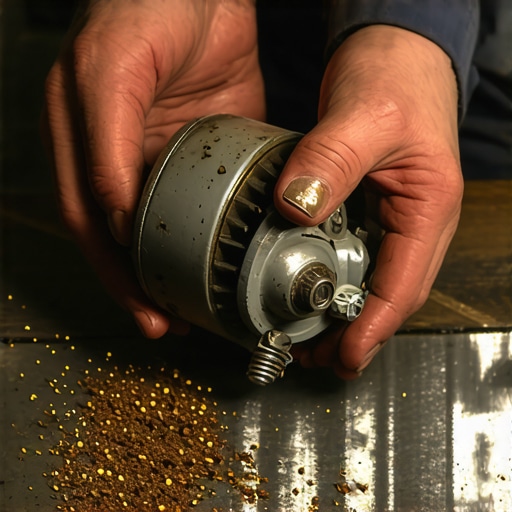
The Volt Meter Never Lies
Before you unbolt a single thing, grab a multimeter. You want to see at least 12.6 volts at the battery and very little voltage drop when the key is turned. If the voltage dips too low, the solenoid won’t have the strength to push the starter drive all the way out, leading to that metal-on-metal scream. This is a crucial part of the ultimate guide to auto repair—always test the easy stuff before the hard stuff. If your electronics are acting wonky, you might even need to learn the trick to finding a parasitic battery drain that kills your car overnight to ensure your new starter doesn’t just face the same fate next week.
Look Inside the Bell Housing for Hidden Damage
If the battery is solid, it’s time to get dirty. You need to pull the starter motor out; it is usually held by two or three bolts. Once it’s in your hands, look at the small drive gear. Are the edges rounded off? Are there metal flakes inside the housing? If so, the ‘handshake’ between the starter and the engine is failing. While the starter is out, don’t just look at the tool in your hand—look into the hole where it lived. Use a flashlight to inspect the teeth on the flywheel. If those are chewed up, a new starter won’t help; it will just get eaten too. It is the same logic as why why the transmission alone could double the cash value of your junk car—the health of the internal gears dictates the life of the whole machine.
Stop the Scraping Before Your Flywheel Dies
I remember helping a buddy with his old sedan. It made that horrific screech every morning. We pulled the starter, and it looked fine, but then we turned the engine over by hand and saw three missing teeth on the flywheel. That is a ‘game over’ moment for a DIY afternoon. He ignored the ‘morning grind’ for six months, and the repair cost jumped from a $120 part to a $1,200 transmission-drop job. If your engine is making other noises, like why your engine makes a ticking sound like a sewing machine, you might have multiple issues piling up. If you reach the point where the flywheel is shredded, you might start looking into how to get cash for a junk car in charlotte without the title drama because the labor costs can quickly outweigh the vehicle’s worth. Always address the grind while it is still just a noise.Stop throwing parts at your driveway problems without a proper plan. Most DIYers think that a grinding noise means the starter is objectively ‘broken’ and just needs a swap. But here is the contrarian truth: I have seen brand-new, high-end starters grind themselves into dust within a week because the owner ignored the mounting clearance. If your engine block has any microscopic debris where the starter meets the bell housing, the gear won’t hit the flywheel at the correct angle. According to technical bulletins from the National Institute for Automotive Service Excellence (ASE), improper alignment and mounting torque are leading causes of premature gear wear, often misdiagnosed as ‘defective parts.’ You have to treat this like a precision surgery, not a backyard bolt-on.
Could Heat Soak Be the Real Culprit Behind Your Start-Up Screech?
If your car starts fine in the morning but grinds after you have been driving for an hour, you are likely dealing with ‘heat soak.’ This is a nuance many beginners miss. As the starter gets hot, the internal resistance increases, and the solenoid loses the strength to fully engage. You might think you need a whole new engine, but often you just need a better heat shield or a higher-quality component. This level of detail is what separates a parts-changer from a true mechanic. Following the ultimate guide to auto repair helps you understand these thermal dynamics before you spend money. 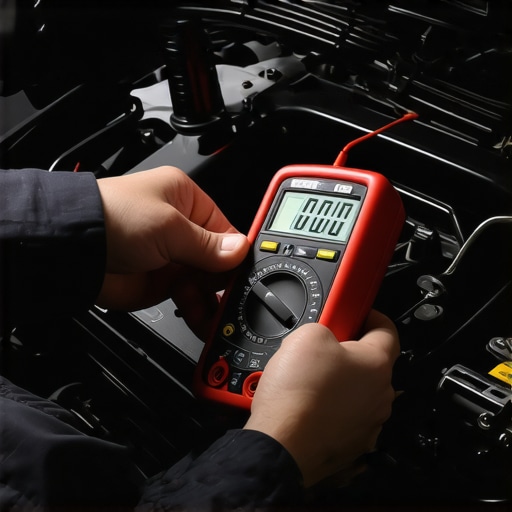
Don’t Fall for the Magic Fluid Trap
When your car starts making noises, the temptation to buy a ‘fix-it-in-a-can’ solution is massive. I have seen folks pour additives into their oil or transmission hoping to stop a mechanical grind. Let me be clear: no chemical can regrow metal on a chewed-up gear. In fact, why relying on transmission leak repair fluid is often a costly mistake is a lesson that applies to almost every system in your car; these ‘band-aids’ often clog small passages and lead to total system failure. If you are hearing a grind, it is a physical problem that requires a physical solution.
Precision Matters Beyond Just the Engine
While we are talking about mechanical precision, do not forget that your stopping power is just as sensitive to these nuances. Just as a misaligned starter ruins a flywheel, a poorly executed brake service can lead to warped rotors or ‘spongy’ pedals if the technician skips the basics like cleaning the hub surface. Everything in your vehicle is a game of millimeters. If you are ever unsure about the complexity of a repair, checking essential car service checks will give you the baseline you need to judge if a shop is doing the job right or cutting corners. To truly keep your ride for the long haul, you should also dive into top transmission repair tips for long-term vehicle reliability to ensure the back half of your drivetrain is as healthy as the front. Have you ever fallen into the trap of replacing the same part twice because of a hidden installation error? Let me know in the comments.
Stop Guessing and Start Measuring with an OBD2 Scanner
To avoid those ‘twice-bought’ parts, I swear by a bi-directional scan tool. Generic $20 readers are fine for clearing a gas cap code, but they won’t tell you why your starter is dragging. According to SAE International’s J1979 standard, which governs how diagnostic data is broadcast, a professional-grade scanner allows you to see ‘mode $06’ data—the raw results of self-tests your car runs behind the scenes. If you want to know the real reason your check engine light is on but the car runs fine, you need that deep-level data. It is the difference between guessing and knowing. I personally use a high-end diagnostic tablet because it can trigger the starter solenoid manually for testing without me even touching the ignition, allowing me to isolate the noise instantly. 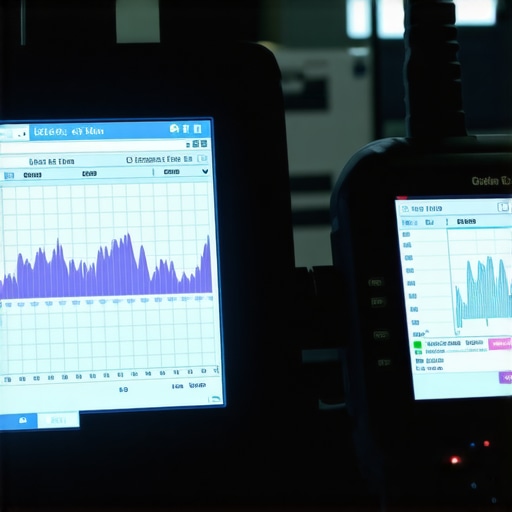
How do I maintain my car’s reliability as the odometer climbs?
Long-term success isn’t about one big fix; it’s about the cumulative effect of essential car service checks performed with religious consistency. Every 30,000 miles, I’m not just changing oil; I’m performing a voltage drop test on my main battery cables. This ensures the starter never has to struggle against resistance, which is exactly how those grinding issues begin. If you’ve already had a minor scrape or a mounting bolt failure, looking into collision renewal strategies can help you realign the physical components that keep your engine bay factory-spec. I also recommend reviewing top transmission repair tips for long-term vehicle reliability because a healthy transmission input shaft is the ‘dance partner’ for your starter gear. Just as you wouldn’t cut corners on a brake service when your safety is on the line, do not ignore the electrical lifeblood of your ignition system.
Data will replace the wrench in your future toolbox
I predict that within the next decade, traditional auto repair will shift almost entirely toward predictive software. We are already seeing vehicles that can self-diagnose a failing bearing before the driver even hears a hum. For those of us who love the mechanical side, this means we must become as comfortable with a laptop as we are with a torque wrench. If you’re still relying on the ultimate guide to auto repair, make sure you’re adding digital literacy to your skillset. My best advice for right now? Go out and perform a manual voltage drop test on your starter circuit this weekend—it takes ten minutes and could save you a thousand dollars. You’ll be surprised how much ‘grind’ is actually just a bad ground wire waiting to be cleaned.
Lessons from the Greasy Side of the Garage
Looking back at my years under the chassis, the biggest ‘aha!’ moment wasn’t finding a broken part; it was realizing that most catastrophic failures are 100% preventable with a bit of attention. First, never underestimate the power of a clean connection. I’ve seen starters replaced three times when the real issue was just a five-minute wire brush job on the ground strap. Second, your ears are your best diagnostic tool—that first little ‘chirp’ or slight hesitation is your car’s way of asking for help before it starts screaming. Finally, always double-check the mounting surface for the starter; even a tiny pebble or a bit of rust can throw off the alignment and shred a flywheel in days. Mastering these nuances is what transforms a casual owner into a confident DIYer.
The Gear You Actually Need to Stop the Scrape
If you want to move beyond just guessing and swapping parts, you need a few specific items in your corner. I swear by a high-quality multimeter for testing voltage drops—this is the single most important step in essential car service checks. I also recommend a bi-directional scan tool that can trigger components manually; it saves hours of back-and-forth between the cabin and the engine bay. For those deeper mechanical worries, I frequently revisit the ultimate guide to auto repair to keep my fundamentals sharp. Whether you’re dealing with an ignition grind or preparing for a brake service, having the right data and tools makes the job safer and more efficient.
Turning the Key Without the Cringe
There is a special kind of peace that comes from a car that starts with a smooth, effortless hum every single time. It builds a level of trust between you and your machine that makes every commute or road trip better. Don’t let a little noise turn into a massive four-figure bill. By staying proactive and following top transmission repair tips for long-term vehicle reliability, you ensure your car stays on the road where it belongs. You have the tools, you have the knowledge, and now you have the plan to tackle that engine grind head-on. Go get that hood open and listen to what your car is telling you.
Have you ever had a mystery noise that completely stumped you until you found one tiny, simple fix? Let me know in the comments below!