

I’ll never forget the morning I nearly took out my own mailbox. I was backing out of the driveway, expecting that familiar, one-finger glide of the steering wheel. Instead, I had to grab the wheel with both hands and heave like I was competing in a World’s Strongest Man event. The first thing I did—and I bet you did too—was pop the hood to check the reservoir. To my utter confusion, the power steering fluid was right at the “Max” line. It’s a frustrating, almost gaslighting experience. You’ve done your essential car service checks, the fluid looks pink and fresh, yet the car is fighting you at every corner. I used to think that as long as the pump had juice, the steering should be butter-smooth. Boy, was I wrong. Early in my DIY days, I actually replaced an entire power steering pump on my old truck because I was convinced it was failing. It turned out to be a seized $40 steering shaft U-joint. Talk about an expensive lesson in “don’t guess, diagnose.” Today, we are going to dive into exactly why your car is giving you the cold shoulder despite having plenty of fluid.
When Your Forearms Get a Workout You Did Not Ask For
Many drivers assume the power steering system is just a reservoir and a pump, but it is a complex hydraulic dance. If your wheel feels like it is stuck in wet concrete, the problem often lies in the components that translate your arm strength into wheel movement. Sometimes, the issue is not that the fluid is missing, but that it is not moving with enough pressure. According to data from the Car Care Council, neglected steering and suspension components are among the most common causes of vehicle handling issues, often leading to increased driver fatigue and delayed reaction times. If you have already noticed why your car makes a grinding sound when you turn the steering wheel, your car is practically screaming for help. Dealing with this right now is crucial because a heavy wheel is more than just an annoyance; it is a safety hazard when you need to make a sudden evasive maneuver.
Is My Steering Rack Actually About to Explode?
That is the fear, isn’t it? That a heavy wheel means a multi-thousand-dollar repair bill for a new steering rack. While the ultimate guide to auto repair covers a wide range of fixes, heavy steering usually points to a few specific culprits that are not always catastrophic. It could be a slipping serpentine belt that isn’t spinning the pump fast enough, or perhaps the hidden suspension issues that a standard wheel alignment won’t fix, such as a seized ball joint or a worn-out strut bearing. Before you panic and start looking for a new car, you need to look at the mechanical linkages that do the heavy lifting. Have you ever felt that terrifying moment where the wheel just refuses to budge during a tight parallel park? If so, you are not alone, and the fix might be simpler than you think. Let’s break down the diagnostic steps to get your car back to that effortless glide.
Why Your Serpentine Belt Is Silently Sabotaging You
Think of your serpentine belt as the transmission of power from your engine to your accessories. If that belt is slipping, your power steering pump isn’t getting the torque it needs to pressurize the system. I remember a humid Tuesday when I spent three hours wrestling with a belt tensioner on a customer’s sedan. The fluid level was spot on, but the steering felt like lead. It turned out the belt had ‘glazed’—a term for when the rubber gets so hot and worn it becomes smooth like glass. It was sliding right over the steering pump pulley without turning it effectively. A simple belt replacement, which is a staple in the ultimate guide to auto repair, restored the steering immediately. 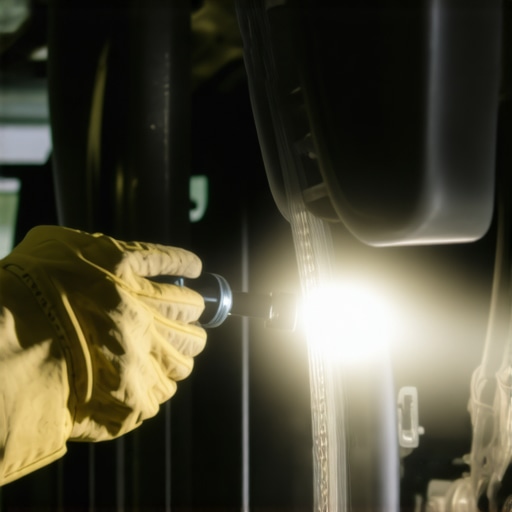
Look for Glazing and Tension Failures
To check this yourself, turn off the engine and inspect the underside of the belt with a flashlight. If it looks shiny or has tiny cracks, it’s done. Also, check the tensioner; if the belt has too much play, the pump won’t spin at the correct RPM. This mechanical failure is often overlooked because people focus purely on the hydraulic side. Keeping your drive belts in check is just as vital as following top transmission repair tips for long-term vehicle reliability to ensure every part of your drivetrain is pulling its weight.
The Bubbling Reservoir Trick to Spot Air Leaks
Even if your fluid is at the max line, air could be trapped in the system. Air is compressible; hydraulic fluid is not. When air gets into the lines, your steering rack becomes a giant sponge instead of a rigid hydraulic tool. Start your car and have a friend turn the wheel lock-to-lock while you watch the reservoir. If you see bubbles or foam, you have a ‘suction side’ leak. This means the pump is sucking in air through a tiny crack in a hose or a worn O-ring, even if it’s not leaking fluid out. This kind of nuanced diagnostic is similar to how you’d evaluate how to choose the best brake service in 2025—you have to look past the surface level to find the root cause.
When Mechanical Parts Get Greedy and Seize Up
Sometimes the hydraulic system is perfect, but the physical parts that connect the steering wheel to the tires are fighting you. A common culprit is the lower steering shaft U-joint. These are exposed to road salt, water, and grime. When they seize, the steering gets heavy, then light, then heavy again as you turn the wheel. I once misdiagnosed this as a failing rack and pinion. I felt foolish when a $15 can of penetrating oil temporarily fixed the ‘heavy’ steering, proving the joint was just rusted shut. If the steering feels notched, you aren’t dealing with a fluid issue; you’re dealing with the hidden suspension issues that a standard wheel alignment won’t fix. Greasing these joints or replacing the shaft is the only way to win that fight.Most mechanics will tell you to just flush the system when things get stiff. In my experience, that is usually a band-aid on a bullet wound. If your fluid is at the max line and isn’t burnt, the problem is likely mechanical or pressure-related, not chemical. One of the biggest mistakes I see is people running to the store for stop-leak additives. While it sounds like an easy fix, relying on transmission leak repair fluid is often a costly mistake, and the same logic applies to steering. These thickeners can gum up the internal valving of a modern steering rack, turning a minor stiff spot into a total system failure. According to the National Institute for Automotive Service Excellence (ASE), internal seal failure within the steering gear itself can cause high-pressure fluid to bypass the piston. This means the pump is pushing, but the fluid is just circling back around instead of moving the wheels. This is a nuance most general shops miss because they don’t perform a proper pressure test to see if the pump is actually hitting its rated PSI.
Can a Failing Alternator Actually Mimic a Hydraulic Steering Failure?
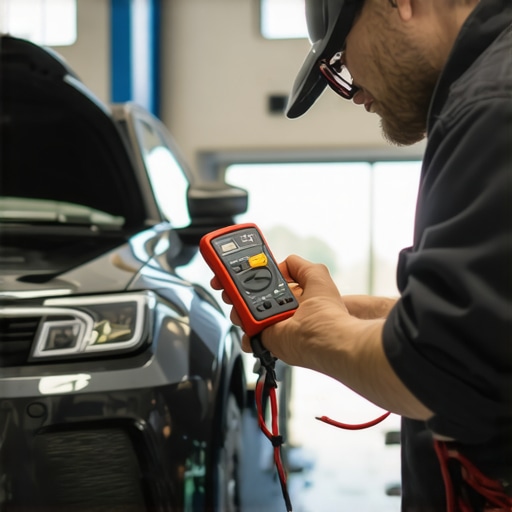
This is where things get really technical for modern car owners. If you have a car with Electronic Power Steering (EPS) or an electro-hydraulic hybrid, your heavy steering might have zero to do with fluid. When a battery is struggling or the charging system is on its last legs, the vehicle’s computer prioritizes essential functions like the engine and safety sensors. The steering motor draws a massive amount of current, so the computer might reduce power to it to keep the car running. This is why you should learn how to tell if your alternator is overcharging your battery or simply dying before you drop a fortune on a rack and pinion you don’t need. 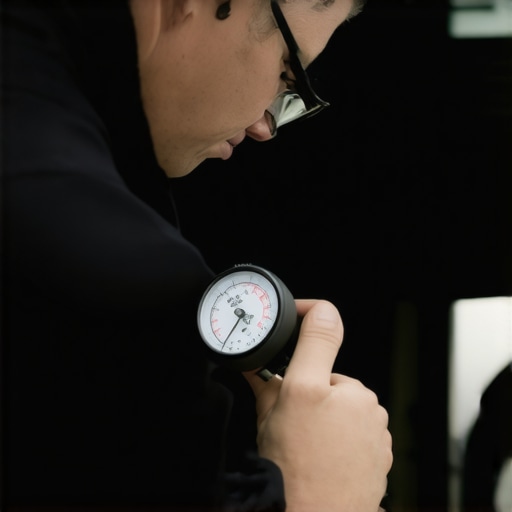 Following essential car service checks to extend your vehicles life must include a voltage test, or you will be chasing ghosts in the hydraulic system.
Why Stop-Leak Additives Often Do More Harm Than Good
The oops factor here is the temptation of the quick fix. People think they are saving money, but they are actually clogging the precision orifices in the rack. If you are already looking into how to choose the best brake service in 2025, you know that professional-grade fixes are always better than liquid mechanic bottles. Another hidden culprit is the internal collapse of high-pressure hoses. These hoses are multilayered; the inner liner can peel away and act like a one-way flap, restricting flow even while the outside of the hose looks brand new. It is like a heart attack for your car’s steering—no matter how much fluid is in the reservoir, it cannot get through the narrowed artery. Have you ever fallen into this trap of replacing a part only to find it was a simple hose or a seized joint? Let me know in the comments.
When you have ruled out the belt and the fluid level, it is time to stop guessing. I personally keep a specialized power steering pressure test kit in my top drawer. Most DIYers skip this because it feels too professional, but it is the only way to know if your pump is actually putting out the 1,100 to 1,500 PSI required by most modern racks. Without it, you are just throwing parts at a problem. If the pressure is low at the pump outlet but the belt is not slipping, the pump is internally worn. If the pressure is high but the wheel is still heavy, the restriction is inside your steering rack. This is where the ultimate guide to auto repair becomes your best friend, helping you decide whether to rebuild or replace the unit.
Stop Guessing and Use a Pressure Gauge
According to technical data from ZF Friedrichshafen AG, one of the world’s leading steering system manufacturers, even microscopic metal shavings from a failing pump can lodge in the rack’s rotary valve. This causes localized pressure drops that make steering feel heavy in one direction but light in the other, even if the fluid reservoir remains at a perfect level. I have seen enthusiasts spend hundreds on a high-end brake service or new tires to fix a handling issue, only to find the root cause was a partially blocked hydraulic port in the steering gear. If you are serious about diagnostics, you need to verify that the pressure reaches the rack under load.
How do I maintain my steering system for the long haul?
Maintenance is more than just topping off fluids. You should be performing a full system flush every 50,000 miles. Over time, power steering fluid loses its anti-foaming agents and its ability to lubricate the high-friction seals inside the rack. Neglecting this leads to the internal leaks we discussed earlier. While you are at it, include your steering inspection in your essential car service checks to extend your vehicles life. Check the high-pressure hoses for heat damage or swelling; a hose that is soft to the touch is a hose that is about to fail. Just as you follow top transmission repair tips for long-term vehicle reliability, consistency in steering maintenance prevents that heavy-wheel feeling from ever returning.
The Future of Steering is Purely Electric
I’ve noticed a massive shift toward full steer-by-wire systems in the industry. We are moving away from hydraulic lines and pumps entirely. This means that in five years, the heavy steering you feel will likely be a software glitch or a sensor calibration issue rather than a leaky hose. It makes understanding why your cars safety sensors need a reset after any front-end work even more critical. You won’t be checking a reservoir with a dipstick; you will be checking a data stream with a scan tool. Before you rush out to buy a new pump, spend ten minutes checking the suction hose for soft spots. If you can squeeze it and it feels like a wet noodle, it is likely collapsing under load and starving your pump of fluid. Swap that hose first—it is a $20 fix that could save you $500.
Lessons from a Decade Under the Hood
The most expensive mistake you can make is assuming that a full reservoir means a healthy system. Over the years, I’ve realized that fluid volume is just one small piece of the puzzle. Sometimes, the problem is actually the reason your steering wheel is sticky and how to clean it, or even electrical interference. I once watched a car owner replace a steering rack twice before realizing the lower U-joint was simply seized from road salt. Always test the mechanical linkage before you condemn the hydraulic pump. Remember, if your fluid looks foamy, you are likely fighting an air intrusion that no amount of new fluid will ever fix.
Gear That Actually Solves the Mystery
If you’re tired of throwing parts at your car, you need to arm yourself with the right tools. I never approach a steering issue without a pressure test kit; it is the only way to know if your pump is actually doing its job. For newer vehicles, a high-quality scan tool is essential for diagnosing how to tell if your alternator is overcharging your battery or if your electronic steering module is starved for power. I also keep a can of heavy-duty penetrating lubricant specifically for those exposed steering column joints. Relying on quality data rather than “gut feelings” is the secret to a successful auto repair.
Take Back Control of Your Drive
There is nothing quite like the feeling of a car that responds to your lightest touch. While heavy steering is a major frustration, it is almost always solvable with a systematic approach. By staying consistent with your essential car service checks to extend your vehicles life, you can catch failing hoses or glazed belts before they leave you wrestling with the wheel in a parking lot. You have the tools and the knowledge now—go get that smooth, one-finger steering back. Have you ever replaced an expensive steering pump only to find out the problem was a simple $10 hose? Share your story in the comments below!