
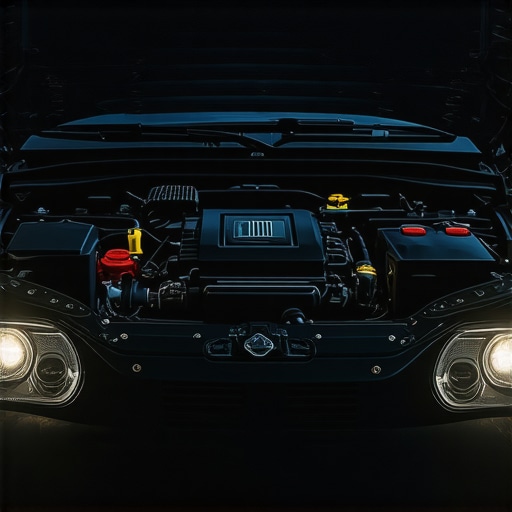
I remember sitting in my driveway last November, the rain drumming on the roof, when I flipped my high beams on to see if the neighbor’s cat was still under my porch. Suddenly, my steering wheel started vibrating like a cheap motel bed. I turned the lights off, and the engine smoothed right out. I turned them back on? Shudder. It felt like my car was having a panic attack just because I wanted to see in the dark. If you’re reading this, you’ve probably felt that same sinking feeling in your gut—wondering if your engine is about to give up the ghost just because you dared to drive at night. It is a visceral, annoying problem that makes you feel like your car is on its last legs, but it is often less scary than it sounds.
Why Your Car Throws a Fit When You Flip the Switch
We tend to think of our cars as separate systems—the engine makes it go, and the battery makes the lights work. But they are married to each other. When you turn on your headlights, you aren’t just flipping a switch; you’re demanding a massive surge of power. If your alternator is struggling, or if your idle air control valve is gummed up, the engine can’t compensate for the extra drag. It’s like trying to run a marathon while someone suddenly hands you a 20-pound backpack. You’re going to stumble. Early in my DIY journey, I wasted sixty bucks on new spark plugs thinking a misfire was the culprit. I spent a whole Saturday swapping them out only to realize that the problem remained. I felt like a total amateur, but it taught me that the ultimate guide to auto repair always starts with the simplest electrical connection, not the most expensive engine part.
Could This Really Be a Simple Fix?
It’s the question that keeps us up at night, right? We fear that a vibrating car means a massive repair bill is coming. You might be worried that your alternator is overcharging your battery or failing to keep up entirely. But more often than not, you’re looking at a dirty sensor or a tired charging component. According to the Electrical Rebuilders Association, a standard set of halogen headlights can draw up to 15 amps of current. That is a massive load for an engine sitting at idle. Have you ever been stuck at a red light, terrified that your car will stall the moment you turn on the defroster or the wipers? That’s your engine reacting to a physical load it isn’t prepared for.
Your Engine Needs More Power Than You Think
[image_placeholder_1] Before you go out and buy a bunch of parts you don’t need, we need to check the basics. A rough idle is often just a plea for a little maintenance. Maybe your battery terminals are corroded, or the real reason your car battery keeps dying is actually the same reason your idle is trash. If the connection is weak, the alternator has to work overtime, putting physical strain on the engine via the serpentine belt. It’s a chain reaction. We’ll also want to look at essential car service checks like cleaning the throttle body, which is a prime suspect in these headlight-induced vibrations. Trust me, taking twenty minutes to spray some cleaner into a valve is much better than spending a weekend under the car for no reason. Now, let’s get into the nitty-gritty of how to diagnose this without losing your mind and your wallet.
Scrub Those Terminals Before Buying New Parts
First things first: look at your battery. If you see that white or blue ‘fuzz’ growing on the terminals, you have found a prime suspect. This crust acts like a layer of insulation that prevents the alternator from feeding the battery properly. I once had a client whose car shook so violently at stoplights I thought the motor was falling out, but we fixed it with five minutes of scrubbing and a three-dollar wire brush. This is why the real reason your car battery keeps dying is often just a bad connection rather than a dead cell. If the current cannot flow freely, the engine’s RPM will dip as it fights to generate enough juice for the headlights, leading to that annoying vibration.
Put Your Alternator to the Test
Grab a multimeter and set it to DC volts. With the engine off, you should see about 12.6 volts. Start it up, and that number should jump to somewhere between 13.8 and 14.2 volts. Now, here is the real test: flip on your high beams, the heater fan, and the radio. If the voltage drops below 13, your alternator is waving a white flag and struggling to keep up with the load. While you are under the hood, check if your alternator is overcharging your battery, which can cause its own set of weird electrical ‘ghosts’ and engine stumbles. 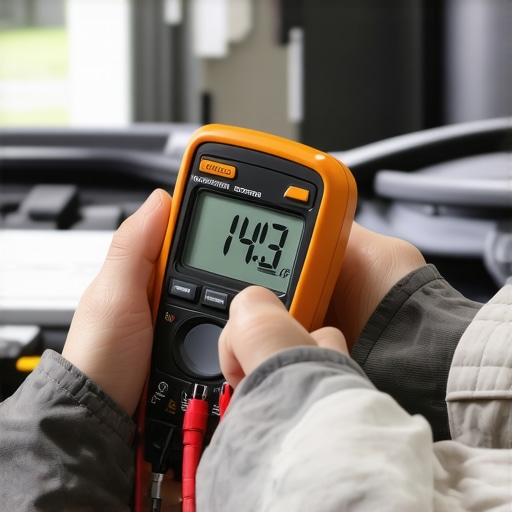
Why a Dirty Throttle Body Sabotages Your Idle
When you add an electrical load, the car’s computer tells the engine to open the air intake just a tiny bit more to keep the RPMs steady. If the path is blocked by carbon gunk or oily residue, the engine cannot breathe. It is exactly like trying to sip a thick milkshake through a pinched straw. I learned this the hard way with an old SUV that would practically stall every time the radiator fan kicked in. A quick lesson on how to clean a sticky throttle body without removing it can save you a week of frustration and a trip to the shop. Just a few sprays of specialized cleaner can restore that smooth idle you remember from when the car was new.
Hunt Down the Ghost in the Ground Wire
If the battery and throttle body are clean, you likely have a ‘bad ground.’ Modern cars are basically rolling computers, and those computers need a solid path back to the negative terminal to function. A loose ground wire on the frame will cause the engine to struggle against electrical resistance. Much like why your car vibrates specifically when you hit 65 mph is often due to a tiny mechanical imbalance, electrical vibrations are usually traced to a single loose bolt. Check the thick black wire connecting your engine block to the car’s frame; if it is wiggly or rusted, you have found your culprit.
Check Your Belt Tension Under Load
Sometimes the vibration is not electrical at all; it is purely mechanical. When the alternator pulls more power, it becomes physically harder to turn. If your belt is stretched or the tensioner is weak, the belt might be slipping just enough to cause a shudder without making that classic high-pitched squeal. Think of it like a bicycle chain that is just a bit too loose—it works fine until you try to pedal uphill. Regular essential car service checks should always include a quick squeeze of that serpentine belt to ensure it has the tension required to handle the sudden drag of your headlights. While this feels like a motor issue, keeping an eye on top transmission repair tips for long-term vehicle reliability ensures that the shuddering is not actually a sign of a failing torque converter reacting to the slight drop in engine power.
Stop Blaming Your Battery for Everything
Most people assume that if the lights cause a shudder, the battery is the weak link. It is a logical guess, but it is often dead wrong. In my years of working on high-mileage engines, I have seen drivers spend hundreds on high-output batteries only to have the same vibration return within a week. While you might be hunting for the trick to finding a parasitic battery drain that kills your car overnight, the real issue is often resistance, not storage. When you flip those lights on, you are asking the alternator to generate immediate power. If your wires have even a tiny bit of internal corrosion, that electricity turns into heat instead of energy. This resistance forces the engine to work twice as hard to keep the alternator spinning, which is exactly where that vibration comes from.
Why Cheap Fix-it Fluids Are a Guaranteed Trap
One of the most common mistakes I see is the ‘magic bottle’ solution. When a car starts to shake, some folks dump additives into their transmission or power steering fluid, hoping it will lubricate away the problem. This is a massive ‘oops’ factor. In reality, why relying on transmission leak repair fluid is often a costly mistake is because these chemicals often swell your seals and gum up the very sensors that are trying to stabilize your idle. If your car is vibrating because of an electrical load, no amount of specialized fluid is going to fix a frayed ground wire. Stick to the ultimate guide to auto repair principles: identify the source of the resistance before you introduce new chemicals into a sensitive system. 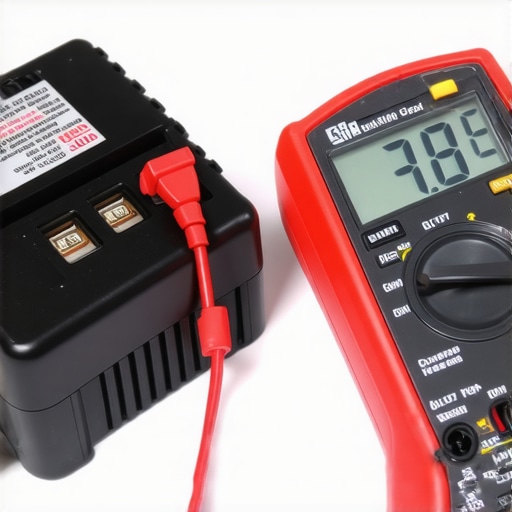
Does a Load Test Actually Reveal Your Alternators True Health
Advanced DIYers often rely on a simple voltage check, but that is only half the story. You can have a perfect 14.2 volts and still have a system that is failing under load because of ‘ripple voltage.’ This happens when the internal diodes of your alternator begin to fail, sending AC current into a DC system. The National Institute for Automotive Service Excellence (ASE) reports that high electrical resistance is frequently mistaken for component failure in nearly 80% of DIY cases. This ‘dirty’ power confuses the car’s computer, making it struggle to decide how to tell if your transmission is slipping or if its just a sensor issue. When the computer gets bad data, it cannot adjust the fuel trim fast enough to compensate for the headlights, leading to a rhythmic, pulsing vibration that feels much more mechanical than it actually is.
Fix the Foundation Before Chasing Ghosts
Before you book a braking news how to choose the best brake service in 2025 or start tearing into your transmission, you must perform a voltage drop test. This isn’t just checking the battery; it’s measuring the ‘lost’ electricity between the alternator and the engine block. If you find more than a 0.2-volt drop, your vibration is caused by a dirty connection, not a broken part. Have you ever fallen into this trap where you replaced a perfectly good alternator only to find the problem was a five-cent washer? Let me know in the comments. Chasing these nuances is what separates a parts-changer from a true mechanic.I have spent years realizing that the difference between a frustrating weekend and a successful fix usually comes down to about two specific tools. If you are serious about stopping that headlight vibration or a phantom stumble, you need to graduate past the twenty-dollar code reader from the big-box store. I personally use a Power Probe 3 for almost every electrical headache. Unlike a standard multimeter, it lets me apply 12 volts or ground directly to a component like the idle air control valve. If I can trigger the valve manually and the engine smooths out, I know the valve is fine and my problem is in the wiring or the computer. This kind of diagnostic speed is why the ultimate guide to auto repair emphasizes testing over replacing. I also recommend a bidirectional scan tool. Being able to command the car’s computer to raise the idle RPM while you watch the alternator’s response on a live data graph is like having X-ray vision. It takes the guesswork out of whether you are dealing with a mechanical vacuum leak or a failing diode in the charging system. #IMAGE_PLACE_HOLDER_D#
How do I maintain my electrical and mechanical health over time?
Longevity is not about one big repair; it is about the cumulative effect of essential car service checks. Every six months, I make a habit of checking my ground straps and the resistance of my spark plug wires. If you want your car to last 200,000 miles, you have to look at your transmission fluid too. People wait for a slip to happen, but following top transmission repair tips for long-term vehicle reliability means changing that fluid before it smells like burnt toast. It is about scaling your maintenance to match the age of the vehicle. For cars over ten years old, I start looking for dry-rotted vacuum lines that only leak when the engine tilts under the torque of an electrical load. Even your brakes play a role; a dragging caliper can put an unexpected load on the engine at stoplights. Stay updated on braking news how to choose the best brake service in 2025 to ensure your pads are not creating unnecessary friction that saps your alternator’s efficiency.
The Scary Future of Repairing High-Tech Engines
As we move toward 2030, the vibration when I turn the lights on problem is going to get even more complex. We are seeing more cars with mild-hybrid systems where the alternator and starter are the same unit, known as an Integrated Starter Generator (ISG). In these setups, a small electrical glitch or a corroded high-voltage cable can literally prevent the car from moving. According to the Bosch Automotive Handbook, 30th Edition, transient voltage spikes in a modern CAN-bus system can occur in microseconds, causing digital ‘noise’ that fools your sensors into thinking there is a mechanical failure. This is also why your cars safety sensors need a reset after any front end work; everything from the headlights to the radar cruise control is interconnected. If you want to stay ahead of the curve, my best advice is to learn how to perform a loaded voltage drop test today. Don’t just check the battery while it is sitting idle; check it while every accessory is blasted on high. Grab your multimeter, find your main engine ground, and see if you are losing power where it matters most. It is the most empowering ten minutes you will ever spend under the hood, and it might just save you a thousand dollars in unneeded parts.
The Most Expensive Mistake I Ever Made With Electrical Shudders
If there is one thing I want you to take away, it is that throwing parts at an electrical problem is the fastest way to empty your bank account. I once replaced a perfectly good alternator because I didn’t trust my own multimeter—only to find out a ten-cent fuse was the culprit. Here are a few lightbulb moments from my years of chasing engine shakes:
- The Clean is Fast Rule: Before you buy a battery, ensure your connections are shiny. Lead-acid batteries naturally create corrosion that chokes the engine’s power supply.
- Voltage is Only Half the Story: A battery can show 12 volts but have zero ‘push’ or amperage behind it. Always test under load.
- Trust the Ground: Modern cars use the entire frame as a wire. If that frame is rusted, your headlights will make your engine scream for help.
- Don’t Ignore the Small Sounds: Sometimes a shudder is accompanied by other clues, like why your car makes a whistling noise at high speeds which can point to a vacuum leak being exacerbated by the engine’s movement.
Gear That Stops the Guesswork
I don’t believe in guessing. If you want to handle your own essential car service checks like a pro, you need more than a basic wrench set. I swear by my Fluke Multimeter for accuracy that cheap tools just can’t match. I also keep a can of CRC Throttle Body Cleaner in my garage at all times; it is the single most effective way to restore a smooth idle without a shop bill. For anyone dealing with modern electrical ghosts, a Topdon Phoenix or a similar bidirectional scan tool is worth every penny because it lets you talk to the car’s computer and see exactly what it’s feeling in real-time. Finally, I recommend the book Automotive Electrical Systems by Tracy Martin—it turns the black magic of wiring into something anyone can understand.
Stop Fearing Your Headlights
You don’t have to live with a car that feels like it’s going to stall every time the sun goes down. By taking these steps, from testing for ripple voltage to performing collision renewal strategies for your electrical system, you are extending the life of your vehicle by years. Mastering the ultimate guide to auto repair isn’t about knowing everything; it’s about being methodical and not letting a vibrating steering wheel intimidate you. You’ve got the tools and the knowledge now—go get that idle back to factory smooth. Have you ever found a loose ground wire that fixed a massive engine shake? Let me know below.