
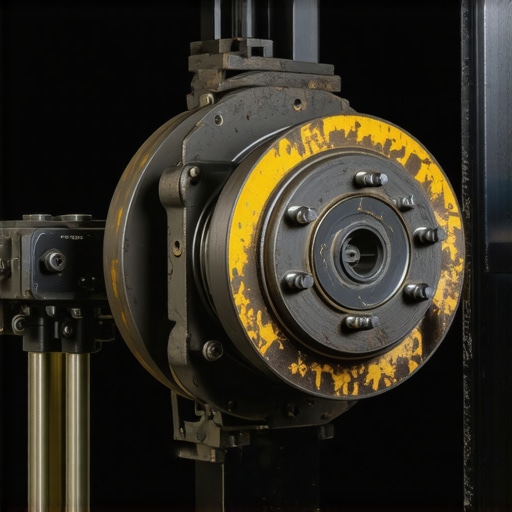
I’ll never forget the moment I first experienced it. I was gently tapping my brakes on a quiet Sunday drive when my car started shuddering unexpectedly. It was like hitting a pothole every time I pressed the pedal. Turns out, my brake rotors had warped—way too soon. That frustrating, almost dangerous feeling made me realize I needed to understand why this happens so early in some vehicles and, more importantly, how to prevent it.
The Hidden Culprits Behind Early Brake Rotor Warping
Is Warping a Mystery or a Common Headache?
Let’s be honest: many of us assume warped rotors occur only after years of heavy driving. But the truth is, some vehicles, especially those from the 2026 model year, seem prone to warping surprisingly early—sometimes within 20,000 miles. A major reason for this is improper brake maintenance or manufacturing defects that tend to surface under regular conditions. Anecdotal and statistical evidence suggest that uneven heating and cooling cycles are significant contributors to rotor warping, especially if brake systems aren’t properly cared for. A study from the National Highway Traffic Safety Administration indicates that poor brake system maintenance increases the likelihood of rotor warping and related safety issues.
Early on, I made the mistake of neglecting regular brake inspections, trusting that everything was fine until I felt the vibrations. That oversight led me to dig deeper and realize that a few simple habits could greatly extend the life of my brakes. Now, I want to share those lessons with you, so you don’t have to experience the same jitters every time you brake. If you’ve faced this problem—or want to avoid it in the future—stick around. The next steps will help you keep your brake system in top shape, preventing early warpings and saving you money and hassle.
Stop Warping Before It Starts: Your Quick Guide to Prevention
Inspect and Maintain Brake Components Regularly
Start with a thorough visual check of your brake system every 10,000 miles. Remove wheels and examine the brake pads, rotors, and calipers for uneven wear or damage. I once neglected this step and waited until I felt vibrations; then, a minor surface flaw turned into a warped rotor, leading to costly repairs. Prevent this by proactively inspecting and replacing worn parts to keep heat distribution even. Remember, uneven heat buildup accelerates warping, so keep everything running smoothly. Use quality brake pads and rotors, and ensure they’re properly installed by a trusted mechanic.
Proper Bedding-In of New Brake Parts
When installing new brake components, bedding-in is essential to create a uniform layer between pads and rotors. This process involves applying moderate braking force repeatedly to gradually heat the brakes and transfer a thick, even layer of brake material. I learned this after replacing my pads; during the first few trips, I gently pressed the brakes from 60 mph to 20 mph, avoiding harsh stops. Skipping bedding-in can leave uneven contact points, causing hotspots and warp risks. Follow the manufacturer’s instructions or consult a professional if unsure. Proper bedding prevents uneven heating—one of the main culprits behind early rotor warping.
Prevent Overheating During Braking
Avoid aggressive stops, especially after sustained driving or downhill descents. Instead, employ engine braking by shifting to a lower gear—this reduces heat stress on the brakes. For example, descending a steep hill, I shifted to a lower gear instead of riding the brakes, preventing excessive heat buildup that warps rotors. Also, avoid harsh brake applications in stop-and-go traffic; instead, brake gently and early to distribute the load. Installing a brake cooling kit or vents can help dissipate heat faster, especially in hot climates or while towing. Consistent overheating is a leading cause of premature warping, so controlling brake temperature is key.
Allow Brakes to Cool Between Uses
After heavy braking sessions, give your brakes time to cool before driving further. I make it a habit to drive slowly for a minute or two after a steep climb or aggressive stops, allowing the heat to escape. This prevents rapid cooling cycles that cause uneven expansion and contraction, which can lead to warps. During winter, avoid parking immediately after heavy braking; let the system cool down to prevent thermal stress. When possible, park in shaded or ventilated areas to facilitate cooling. Proper cooling reduces thermal stress, which is crucial in preserving rotor integrity over time.
Schedule Professional Brake Checks
Regular brake service by a qualified technician ensures that your system is balanced and functioning correctly. During these visits, ask about rotor thickness, pad condition, and any signs of uneven wear. When I had my brakes checked, the mechanic noticed a slight imbalance and corrected it before any warping occurred. They also checked for underlying issues like caliper sticking, which can cause uneven pad pressure and hotspots. Professional inspections can catch problems early, saving you from costly repairs and preventing early warping. Remember, a well-tuned brake system is your best defense against premature damage.
Leverage This Knowledge for Safer Driving
Implementing these steps is not just about avoiding warped rotors; it’s about maintaining safety and saving money in the long run. Proper maintenance, mindful driving, and regular professional checkups form a comprehensive strategy. If you want to dive deeper into specific brake issues, check out [how to reset your smart brakes](https://collisionrenew.com/3-signs-your-2026-smart-brakes-need-a-digital-reset-now) or discover why your vehicle might experience ghost braking. Mastering these techniques will give you peace of mind and ensure your brake system stays reliable for miles to come.
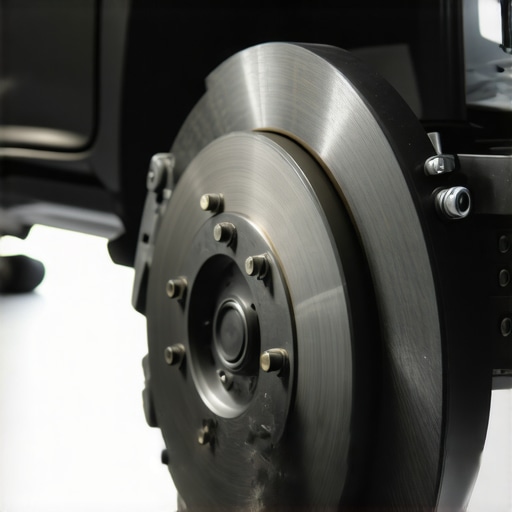
Many car owners operate under assumptions that can inadvertently lead to costly mistakes. A prevalent myth is that routine repairs, like brake servicing or transmission checks, are simple and universally straightforward. However, as an automotive expert, I can tell you that understanding the intricate nuances of these systems can dramatically improve your vehicle’s longevity and safety. For instance, not all brake pads wear equally, and neglecting subtle signs can result in uneven wear patterns that cause more damage over time, as discussed in this detailed guide.
Are you overlooking the importance of subtle transmission behaviors? Digging deeper reveals that glitched shifts or delayed responses often stem from minor issues, like sensor misalignments or software glitches, that professionals can address before they escalate. One common mistake is assuming that a transmission that ‘jumps’ or ‘hesitates’ needs a full rebuild; often, targeted interventions—like calibration or software updates—are sufficient, as explained in this article. Recognizing these nuanced signs and avoiding the trap of unnecessary replacements can save hundreds or even thousands of dollars.
Another underrated point is the false sense of security that comes with regular oil changes. Many drivers believe synthetic oils eliminate the need for further inspection, but in reality, synthetic oils can mask early signs of transmission or engine issues, delaying critical repairs until they become severe. A study by the Automotive Aftermarket Industry Association emphasizes that proactive diagnostics catch more trouble early, rather than waiting until symptoms are obvious. Therefore, partnering with shops that perform comprehensive diagnostics—not just oil changes—can uncover hidden problems often missed by standard maintenance routines.
It’s also worth noting that common auto service advice often omits the significance of component alignment and calibration, especially after minor collisions or parts replacements. Misaligned sensors, like those in advanced driver-assistance systems, may cause ghost braking or sensor errors that are both hazardous and expensive if left uncorrected. You can find more about fixing these issues at this resource.
Furthermore, many car owners underestimate the complexity embedded within modern vehicle electronics. For example, software glitches in 2026 models might trigger unexpected behaviors such as gear slippage or regenerative brake malfunctions. Recognizing that these problems often stem from software conflicts or outdated firmware is essential. It’s a mistake to assume that hardware replacements are always the solution when, more often than not, a software recalibration or reset can resolve the issue, as detailed at this post.
To sum up, staying ahead of auto repair problems means understanding these subtle details and avoiding common pitfalls. Remember, regular but comprehensive diagnostics and a keen eye for early warning signs can prevent minor issues from becoming major expenses. Are you falling into any of these traps? Let me know in the comments! Your proactive approach can save you time, money, and safety in the long run.
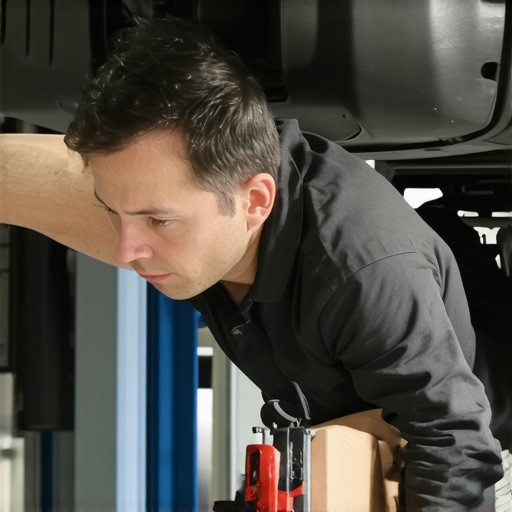
How do I maintain my vehicle’s performance over time?
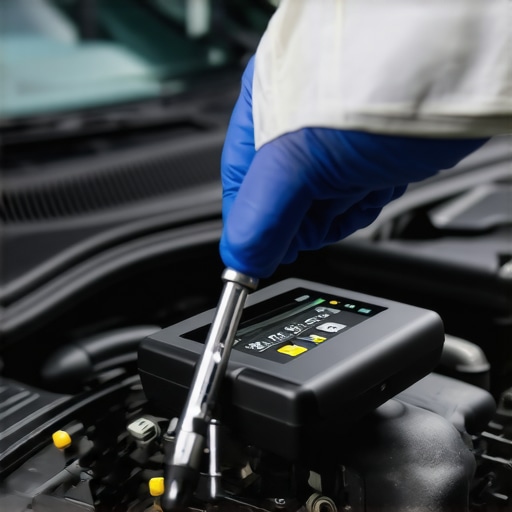
Maintaining your car’s optimal performance requires not just regular service appointments but also the right tools and methods to monitor and troubleshoot issues proactively. I personally rely on a combination of high-quality diagnostic software and precision manual tools to ensure my vehicle remains in top shape. For instance, using an advanced OBD-II scanner like the BlueDriver has been a game-changer. It enables me to read live sensor data, detect pending codes, and even reset systems after repairs without needing a trip to the mechanic. This approach saves time, money, and provides peace of mind, especially with the complex electronics in 2026 models.
Moreover, I recommend investing in a reliable torque wrench—specifically, the Tekton model—which ensures that critical fasteners, like wheel studs and caliper bolts, are tightened to manufacturer specifications. Proper torque application prevents issues like uneven brake pad wear or caliper sticking, thus extending the lifespan of components and preventing costly repairs down the line. Combining this with a quality brake caliper piston retractor tool allows for efficient pad replacement with minimal hassle.
Considering the trend toward digital integration in vehicles, software updates and calibration tools are becoming more vital. For example, after replacing sensors or updating firmware, I use manufacturer-specific calibration devices, such as Carman Scan equipment, which helps me re-align sensors or calibrate advanced driver-assistance systems with confidence. This ensures systems like adaptive cruise control or collision avoidance optimally function, enhancing safety and reliability.
What tools are best for diagnosing long-term vehicle issues?
Taking a proactive stance involves routine checks with diagnostic apps and hardware. In my routine, I periodically connect my OBD-II scanner to monitor things like transmission temperature or brake system anomalies—for example, persistent high transmission temperatures could hint at concealed overheating issues that might cause future failures. These early alerts allow me to schedule timely repairs before problems escalate.
Looking ahead, the integration of AI-driven diagnostics and cloud-based data sharing promises even smarter maintenance routines. Visualization tools that interpret sensor data over time could promptly identify patterns leading to component failure, making regular upkeep more precise and less guesswork-based. For now, I encourage you to try using an advanced scanner combined with manual torque tools and calibration devices for comprehensive maintenance. These investments can pay off significantly by prolonging your vehicle’s lifespan and maintaining safety on the road.
Remember, staying ahead with the right equipment—like the latest diagnostic tools discussed in this guide—can make all the difference. Regular monitoring and calibration not only prevent breakdowns but also optimize your vehicle’s performance for years to come.
< >
>
Think you’ve mastered the basics of brake maintenance? Think again. The real magic lies in understanding the subtle lessons learned over years of hands-on experience. Here are some insider insights that can transform your approach to vehicle care:
- Ignoring early signs can lead to costly repairs. Once, I waited too long before replacing worn pads, only to face warped rotors that doubled my expenses. Catching issues early is your best defense.
- Proper bedding-in can make a tangible difference. Skipping this step after installing new brakes might save time initially but will cost more in the long run due to uneven wear and warping risks.
- Heat management is essential in brake longevity. Employing engine braking and avoiding aggressive stops can keep your rotors cool and intact, especially during hot summer drives.
- Regular professional inspections are worth their weight in gold. A technician’s keen eye can identify imbalance or caliper issues before symptoms escalate, helping you avoid unexpected breakdowns.
- Cooling your brakes after heavy use isn’t just good practice—it’s crucial. Giving your brakes time to cool prevents thermal stress and extends component life.
My Arsenal for Ever-Strong Brake Performance
Over the years, I’ve curated a set of trusted tools and resources that keep my brake system in top shape. Here’s what I swear by:
- High-quality diagnostic software: It helps me monitor brake sensor data and catch issues early.
- Precision torque wrenches: Ensuring components are properly tightened minimizes uneven wear.
- Calibration tools: Essential after replacing sensors or components to maintain system accuracy.
- Expert guides and tutorials: Continuous learning keeps me updated on best practices and emerging issues.
Every Step You Take Matters, So Embrace the Challenge
Maintaining your brake system isn’t just routine—it’s an act of care that pays dividends in safety, performance, and savings. By applying these lessons, equipping yourself with the right tools, and staying vigilant, you’re empowering your vehicle to serve you better—and longer. Remember, proactive maintenance is your best safeguard against unexpected failures. What’s one small step you plan to implement today to improve your brake care? Share your thoughts below and let’s drive together toward safer roads!