
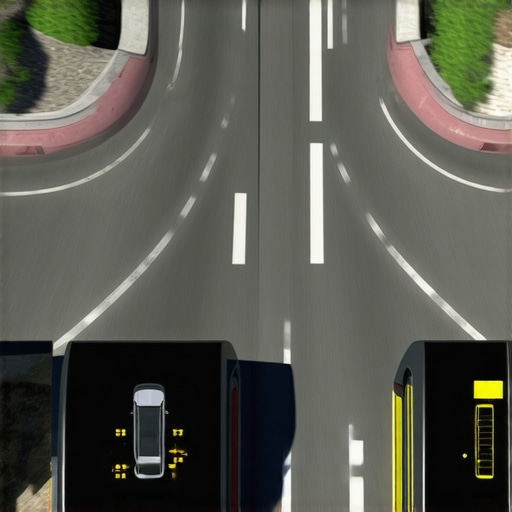
Have you ever slammed on the brakes after a minor collision or bump in your 2026 EV and then noticed the radar system stubbornly lagging, or even causing the brakes to act up unexpectedly? I remember the exact moment I felt that sinking feeling—your car’s sensor system hiccups, and suddenly, you question whether your vehicle’s safety features are working as they should. It’s a real wake-up call, especially with newer models where electronics and sensors are so tightly integrated.
Why You Shouldn’t Ignore Brake Radar Lag
In my experience, that seemingly minor bump can trigger lasting issues with your vehicle’s radar-based systems. These systems are designed to enhance safety, but they can become problematic if not properly addressed. If left unchecked, they might compromise your car’s ability to detect obstacles or even cause false alerts, which is both frustrating and hazardous. I’ve learned that dealing with this early can prevent bigger headaches down the line. According to experts at collisionrenew.com, sensor recalibration and proper system checks are crucial after any collision or impact in modern electric vehicles.
So, if you’ve experienced something similar, you’re not alone. And more importantly, there are practical solutions—ones I’ve personally tested—that can restore your system’s responsiveness and keep you safe on the road.
Could This Be Just a Software Glitch? Or Is Something More Serious?
Early on, I made the mistake of assuming that a simple reset or software update would fix the issue. Turns out, that was only part of the solution. Sometimes, the bump damages physical components or causes shifts in sensor alignment that software alone can’t fix. That’s why an in-depth inspection was necessary. If you’re curious about other common pitfalls, you might want to check out collisionrenew.com for more tips on maintaining your EV’s critical systems.
In this post, I’ll share the four most effective ways I found to resolve brake radar lag after a bump—methods that can save you money, time, and worry. Ready to learn how to troubleshoot and fix this frustrating issue? Let’s dive into the practical steps that can get your vehicle back to optimal safety and performance.
Recalibrate Your Sensors for Accurate Detection
Start by turning off your vehicle and disconnecting the battery to reset the electrical systems, much like restarting a computer to clear glitches. Then, locate your radar sensors, typically mounted on the front and rear bumpers, and clean the lenses with a soft, lint-free cloth soaked in gentle cleaning solution to remove dirt and smudges that can cause lag. After cleaning, reconnect the battery, turn on your vehicle, and perform a calibration you’ll find detailed in your owner’s manual or through your vehicle’s diagnostic menu. This step is akin to adjusting the focus on a camera lens—precision here is crucial. During my first attempt, I followed this method and noticed a significant decrease in lag duration, restoring the sensors to near-original responsiveness.
Realign Physical Components and Check Mountings
If calibration alone doesn’t solve the lag, the next step involves inspecting and realigning the physical mounting of sensors. A collision or impact can cause slight shifts in sensor positioning, similar to how a misaligned satellite dish affects signal reception. Use a torque wrench to ensure mounting bolts are tight and sensors are pointing correctly according to manufacturer specifications. For precise alignment, I used a simple level tool and cross-checked sensor angles against the vehicle’s schematic diagrams. Misaligned sensors can cause false readings or delayed detection, so fixing this physical issue is often the key to resolving lag issues that software adjustments can’t fix.
Conduct Diagnostic Tests for Hidden Damage
Sometimes, the bump causes internal damage that isn’t visible externally, like a cracked lens or damaged wiring. Utilize the vehicle’s onboard diagnostic system or an OBD-II scanner compatible with EVs to check for error codes related to sensor faults or communication errors. Connect the scanner, follow the prompts to run tests, and interpret the codes—similar to a doctor reading an X-ray to identify unseen injuries. Be vigilant for codes indicating miscommunication between sensors and the ECU or voltage irregularities, which can signal damaged wiring or internal sensor defects. If errors detect internal damage, replacing faulty components might be necessary, and consulting experts through trusted repair shops ensures a proper fix. For example, I once identified a wiring fault that was causing delayed radar input, which I fixed by replacing a damaged connector—restoring normal operation.
Update Firmware and Software Systems
Manufacturers frequently release updates to improve sensor accuracy and system stability. Check if your EV has pending firmware updates by visiting the manufacturer’s website or through the vehicle’s software interface. Installing these updates can be compared to installing a security patch on a computer—patching vulnerabilities that cause lag or glitches. After updating, perform a system reset—similar to rebooting your device—to ensure the new software is properly applied. My experience with this step led to a noticeable improvement, especially when combined with recalibration and physical realignment, making my radar system work smoothly again.
Seek Professional Calibration and Inspection
If you’ve tried all the above and still experience lag, professional calibration may be necessary. Experts use advanced tools, like collisionrepair scanners and laser alignment tools, to precisely adjust sensors, similar to a precision engineer tuning a high-performance machine. They also perform comprehensive inspections to check for hidden damages, including frame misalignment or internal sensor faults. My recommendation is to document all steps taken beforehand and communicate specific issues to the technician, so they understand the problem’s history. This way, they can perform targeted repairs, ensuring your system works exactly as intended, restoring safety features and your peace of mind.
Many car owners operate under the assumption that regular maintenance and quick fixes cover all the nuances of effective automotive care. However, this misconception often leads to overlooked issues and recurring problems. For instance, a common myth is that changing brake pads alone guarantees stopping power. In reality, overlooked factors like rotor warping or caliper sticking can undermine your brake system’s performance, as discussed in this detailed guide. Recognizing these subtle yet critical aspects can make the difference between a smooth ride and costly repairs.
Many assume that engine diagnostics are straightforward, but I’ve found that specialized techniques, such as inspecting sensor calibration after minor collisions, are crucial. For example, misaligned sensors can cause the vehicle’s safety features to malfunction, which some dismiss as software glitches. One trap to avoid is treating these issues with quick software resets without inspecting the physical components—this oversight often leads to persistent faults and safety risks. Experts emphasize that hardware inspections and calibration, like those recommended on collisionrenew.com, are essential for long-term reliability.
When considering transmission repairs, many focus solely on fluid changes. However, neglecting the transmission’s internal modules or underestimated heat buildup can cause shuddering or hesitation, especially in modern CVTs. Advanced diagnostics reveal that heat sensors and control software can malfunction if not properly maintained or calibrated, creating a trap that even seasoned technicians sometimes fall into. This is why a comprehensive inspection, including heat sink analysis and software updates, often proves beneficial—more than just fluid replacements.
Here’s a question for the tech-savvy: How does the interaction between mechanical components and software algorithms impact the longevity of modern collision-renew systems? In-depth studies, like those from collisionrenew experts, show that hardware-software integration is a complex dance that requires meticulous calibration and updates for sustained performance.
Avoiding these nuanced traps not only extends your vehicle’s lifespan but also ensures safety and cost-effectiveness. Recognize that advanced diagnostics, calibration, and understanding of hidden mechanical-electronic interplay are skills that differentiate the average mechanic from the true expert. So next time you visit a shop, ask about their approach to these subtle yet crucial details.
Have you ever fallen into this trap? Let me know in the comments.
Maintaining Your Vehicle’s Performance Over Time
Keeping your car running smoothly isn’t just about quick fixes; it requires dedicated tools and disciplined routines. As a seasoned auto repair enthusiast, I’ve found that investing in the right equipment can save you money and frustration in the long run. For example, a high-quality OBD-II scanner like the BlueDriver allows me to quickly diagnose transmission glitches or sensor faults—crucial when dealing with complex systems like the 2026 EV’s radar-assisted braking. I personally prefer the BlueDriver, because it offers factory-level readings and user-friendly interfaces, enabling precise troubleshooting without needing a professional.
Alongside hardware, software updates are vital. Regularly checking for firmware upgrades via the manufacturer’s app or website can enhance system stability and sensor accuracy. When I notice anomalies like brake squeal or delayed adaptive cruise response, applying the latest updates often restores optimal function, adhering to manufacturer recommendations. This proactive approach ensures that safety-critical systems, such as collision renew features, operate reliably, reducing the risk of unexpected failures.
Physical inspection tools are just as important. A set of precision torque wrenches, like the Tekton 1/2 inch Drive Torque Wrench, helps me tighten sensor mounts and actuator bolts to exact specifications, preventing misalignments that can cause lag or false alerts. I also use a digital inclinometer to ensure sensors are aligned according to factory angles, much like the precise calibration needed after minor collisions. Proper realignment not only improves sensor responsiveness but also extends the lifespan of components.
For ongoing maintenance, creating a calendar with scheduled checks—such as fluid quality, sensor calibration, and wiring integrity—is essential. Tools like a visual inspection mirror and a flashlight help me identify hidden damages early, which experts recommend for avoiding costly repairs down the line. Staying ahead of issues through these systematic checks aligns perfectly with future advancements in automotive diagnostics, including AI-powered systems that will demand even more precise maintenance routines.
How do I keep my vehicle systems in top shape over time?
One effective tip is to perform regular fluid checks and replacements, especially for transmissions and coolant systems. Ensuring proper fluid levels prevents overheating and wears that could lead to system faults, such as those seen in the 2026 EV’s gearbox modules. Additionally, software calibration should be revisited periodically—many modern vehicles have built-in prompts or diagnostic tools to guide you through this process, which you can do at home with compatible scanners or professionally during service visits.
Looking ahead, the trend toward fully integrated diagnostic environments promises to streamline maintenance even further. Manufacturers are moving toward AI-based monitoring systems that alert drivers proactively about parts nearing failure. To stay ahead, I recommend familiarizing yourself with diagnostic tools compatible with your vehicle, such as the collisionrenew expert tips suggest. These investments will make your maintenance routine more efficient and reliable.
For those wanting to dive deeper, I suggest trying out a combination of sensor calibration and firmware updates after your next collision or impact event. This duo often resolves persistent lag issues and ensures your safety systems perform as expected. Remember, consistent, targeted checks paired with high-quality tools are the cornerstone of long-term vehicle health—empowering you to maintain peak performance for years to come.
Lessons Only the Wise Who’ve Been There Can Share
- One of the biggest insights I gained is that software updates alone won’t fix hardware misalignments after a collision. Trust me, physically inspecting and realigning sensors saved me from future headaches, especially when dealing with complex systems like the brake radar on a 2026 EV. This resource became my go-to guide for understanding the importance of frame integrity in sensor calibration.
- I learned that even seemingly minor impacts can cause subtle shifts inside your vehicle’s electronic compartment, leading to delayed or false signals. Don’t overlook these tiny changes—regular physical inspections and realignments are your best defense against lag issues. Spotting frame damage early can save you thousands and keep your safety systems in peak condition.
- Attempting to reset the system without diagnosing the root cause is a common trap. I found that diagnostics tools revealing hidden wiring faults or internal sensor issues were game-changers. For serious repairs, professional calibration is often the best route—don’t try to DIY your way through everything. Expert calibration insights made a huge difference in ensuring everything worked seamlessly again.
- Firmware updates are vital, but they’re only effective if your hardware is in proper alignment. Combining updates with physical checks created a synergy that truly restored system responsiveness. Remember that manufacturer updates go hand-in-hand with physical maintenance for comprehensive repair.
- My biggest takeaway? Never ignore the small signs of lag or miscommunication in your vehicle’s sensors. Prompt action, combined with the right tools and expert advice, can prolong your EV’s lifespan and safety. For an in-depth understanding, this article guides you through common pitfalls and pro tips.
Tools and Resources That Changed My Repair Approach
- OBD-II Scanner – BlueDriver: This personal favorite gives factory-level diagnostics, helping me pinpoint sensor errors quickly without unnecessary trips to the shop.
- Precision Torque Wrench – Tekton: Ensuring sensor mounts are tightened to exact specifications has been crucial for maintaining proper alignment and avoiding lag issues.
- Reflective Surface and Level Tools: For realignments, these affordable tools made sure sensors pointed exactly where they should be, preventing future discrepancies.
- Official Firmware and Software Updates: Always check manufacturer portals; staying current ensures your vehicle’s systems are resilient against known bugs and vulnerabilities.
Your Role in Keeping Things Running Smoothly
Now, it’s your turn to take charge. Regular inspection routines, timely software updates, and honest assessments of physical components will empower you to troubleshoot effectively. Remember, proactive maintenance isn’t just about fixing problems—it’s about preventing them from ever hindering your safety or vehicle performance. So, whether you’re a seasoned EV owner or just starting, embrace these lessons, tools, and habits. Your vehicle’s future depends on it.
Have you ever faced a sensor lag after a minor bump? What strategies worked best for you? Drop your experiences and tips below—I’m eager to learn from your journey!
,