

Ever had that sinking feeling when your car shifts harder than usual or makes strange noises during a drive? I remember the first time I experienced it—so subtle at first, I dismissed it as a rough day on the road. But as days went by, the problem worsened, and I started worrying about the health of my transmission. That’s when I realized, sometimes the answers are right under our noses, or in this case, under the hood.
Spotting the Foam in Your Transmission Fluid Before It Becomes a Disaster
If you’re like me, you probably trust your car to run smoothly without giving much thought to the transmission fluid. However, an unexpected issue like foam in the transmission fluid can signal trouble ahead. Noticing this early can save you a fortune and hassle. I discovered that a simple level check, combined with some insight into what foam indicates, can make all the difference. Today, I want to share my experience and guide you through a straightforward method to check your transmission fluid for foam, so you can catch problems before they escalate.
Is Transmission Foam Really That Important or Just a Buzz?
Initially, I thought foam was just a weird side effect that didn’t matter much. It turns out, foam in your transmission fluid is a red flag—indicating that air is getting into the system or the fluid is deteriorating. According to transmission experts, foam can cause poor lubrication, increased wear, and eventual transmission failure if left unchecked. I made the mistake early on of ignoring it, thinking a quick top-off would suffice. But that only masked bigger issues, and my transmission’s health nosedived. For a deeper understanding of this problem and other common transmission faults, check out this insightful article.
So, how exactly do you perform a simple level check to see if foam is present? Stick around. Next, I’ll walk you through the step-by-step process to identify this sneaky problem and give you peace of mind—or the warning you need to get it fixed.
Start with the Right Tools and Preparation
Before diving into the check, gather a clean, transparent container, preferably a clear plastic bottle, and a clean rag or paper towels. It’s essential to work in a well-lit area, maybe outdoors or in a garage with good lighting. Remember, safety first—ensure your vehicle is parked on a flat surface and the engine is off and cool.
Locate and Access the Transmission Fluid Dipstick
In most cars, the transmission fluid dipstick is near the engine and labeled. If you’re uncertain, consult your vehicle’s manual or look for a bright-colored handle. For my recent check, I used gloves to avoid contact with old fluid. Carefully open the hood and locate the dipstick—think of it as the car’s way of telling you its blood pressure.
Perform the Level Check
Remove and Wipe the Dipstick
Pull out the dipstick and wipe it clean with the rag. This removes any residual fluid that could mislead your reading. I once skipped this step, and the residual oil made me think I had foam when I didn’t—learned my lesson early!
Reinsert and Remove the Dipstick
Push the dipstick back in fully, then pull it out again. Now, observe the quality and appearance of the fluid on the stick. If you notice bubbles or a frothy, sudsy appearance, you’ve got foam—sound the alarm.
Assess the Fluid for Foam and Contaminants
Hold the dipstick horizontally and look for signs of foam or air bubbles trapped in the oil. The fluid should be translucent red or amber—foam indicates air intrusion or fluid breakdown. I found a few tiny bubbles, which were normal, but larger, persistent foam surprised me and required further action. If foam is visible, it’s a sign of possible leaks, overfilled transmission, or internal damage.
Check the Fluid Level
Compare the fluid level against the markers on the dipstick. If the level is low, top off with the recommended transmission fluid, but avoid overfilling. If the level is high, drain some fluid as excess air can cause foam. Remember, overfilling can be as harmful as underfilling, leading to aeration, which fosters foam formation. For detailed guidance, you might refer to this resource.
Recheck to Confirm the Findings
Repeat the check after running the engine for a few minutes (if safe to do so) to see if foam reappears. Some foam can be temporary, caused by recent refill or agitation. However, persistent foam indicates issues like internal leaks or degraded fluid—requiring professional inspection.
Document and Plan the Next Steps
Record your observations, including the presence of foam, fluid level, and any irregularities. If foam is evident, schedule a thorough inspection with a certified mechanic. Ignoring it can lead to severe transmission damage, similar to neglecting the warning signs of brake failure—like in brake sensor failure after heavy rain.
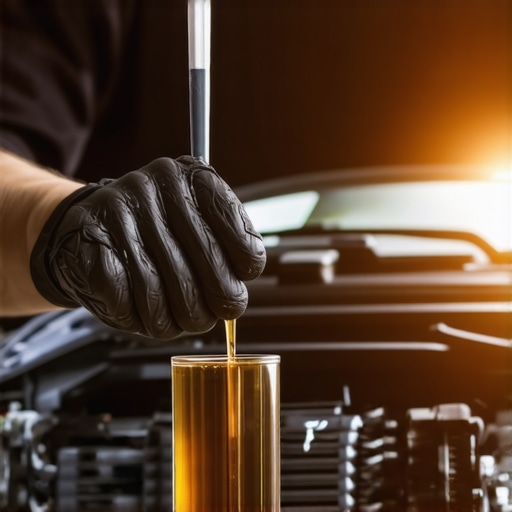 Many car enthusiasts and everyday drivers alike often believe they understand their vehicle’s transmission and service needs, but let’s dig deeper into some common misconceptions and advanced pitfalls that can cost you more in the long run. Contrary to popular belief, routinely flushing your transmission fluid isn’t always the best approach; in some cases, it can accelerate wear if done without proper diagnostics. An overused automatic transmission fluid flush can disturb the delicate internal components, especially if the transmission already shows signs of deterioration, leading to unpredictable shifting issues. Experts from leading auto repair centers warn that unnecessary flushing can worsen existing problems rather than fix them. An article from the National Institute for Automotive Excellence emphasizes tailored fluid maintenance based on specific vehicle models and usage patterns, not just a periodic schedule. Additionally, many assume that collision repairs focus solely on visible damages, but underlying structural issues—like frame stress points—can silently impact vehicle safety and performance. Actually, a comprehensive diagnosis should include checking hidden frame stress points, as these can influence the lifespan of critical components and safety features. Many drivers also underestimate the importance of calibration after repairs—whether it’s ADAS sensors, brake systems, or transmission modules. In fact, neglecting recalibration after minor impacts or part replacements can lead to sensor misreads, which might cause wrong brake activation or flawed adaptive cruise control behavior, increasing safety risks. A common trap is believing that ‘more frequent service’ universally extends vehicle lifespan. In reality, over-servicing or unnecessary parts replacement can introduce new issues, akin to replacing healthy components that still function optimally. Advanced drivers understand that diagnostics and manufacturer-specific guidelines should guide maintenance rather than generic schedules. For example, recent studies reveal that some high-tech systems, like adaptive brake controls or sensor-based assist features, require precise calibration to function correctly post-repair—adding nuance to the traditional maintenance mindset. It’s crucial to verify if your vehicle’s advanced driver-assist systems need recalibration after any collision or service, to prevent issues that could compromise safety. So, are you falling for any of these myths? Or perhaps you’ve encountered a perplexing repair scenario that defied typical advice? Share your experience or questions below, and let’s unravel the complexities of automotive care together.Maintaining your vehicle’s performance over time requires not just knowledge but also the right equipment and techniques. Personally, I rely on a combination of high-quality diagnostic tools and simple, effective methods to ensure my car stays in top shape. One tool I swear by is an OBD-II scanner like the BlueDriver Bluetooth Scanner, which connects seamlessly to my smartphone via dedicated software, giving me instant access to comprehensive fault codes and real-time data. This allows me to identify issues early, whether it’s a slipping transmission or malfunctioning sensors, before they escalate into costly repairs. For precise fluid checks, I use a digital dipstick thermometer, which helps me monitor transmission and engine oil temperatures during fluid replacements, ensuring I deal with fluids at optimal levels and states. When diagnosing complex issues such as suspected sensor failures or software glitches, I turn to professional-grade diagnostic platforms like the Snap-on Verus Ultra. While more expensive, these tools provide detailed insights not obtainable with basic scanners, enabling me to perform more targeted interventions. I also utilize a set of quality mechanical hand tools—hex keys, Torx drivers, and a flexible inspection mirror—which are invaluable for accessing tight spots and ensuring thorough inspections during routine maintenance or post-collision checks. Software-wise, I recommend tools like Diagnostic Pro for in-depth analysis, especially when managing advanced driver-assistance systems like adaptive brakes or collision sensors. As modernization accelerates, I believe the future of auto maintenance lies in automotive IoT integrations, allowing remote diagnostics and predictive maintenance via connected apps, reducing downtime significantly. Looking ahead, vehicle-to-infrastructure communication will enable proactive service alerts, making preventive maintenance more effortless than ever. For instance, regularly calibrating sensors after collision repairs—something many overlook—is crucial for optimal safety. A recent article emphasizes that recalibrating ADAS components with specialized software can prevent issues like ghost braking or sensor errors, saving you from hazardous scenarios. If you’re aiming for long-term reliability, I suggest trying a monthly diagnostic scan with your smartphone-enabled tools, then addressing any fault codes that pop up. This proactive approach keeps problems in check before they necessitate major repairs. Remember, maintaining your vehicle isn’t just about immediate fixes but about establishing a routine that leverages the right tools and techniques—so your car continues to serve you reliably mile after mile.
Lessons That Changed My Approach to Car Maintenance
- One of the most eye-opening lessons I learned was that foam in transmission fluid isn’t just a minor annoyance—it’s often a symptom of deeper issues like internal leaks or fluid breakdown. Ignoring these signs set me on a path of expensive repairs, but catching problems early can save a fortune.
- Timing matters more than I initially believed. Regularly checking transmission fluid levels and appearance helped me spot foam before it caused hardware damage. Now, I realize that proactive diagnostics with the right tools can make vehicle ownership much less stressful.
- Understanding that not all transmission issues are visible or immediately apparent was a game-changer. Sometimes, subtle signs like frothy fluid or slight shifts can hint at impending failure. This awareness encourages me to stay vigilant and learn more about my vehicle’s behavior.
Tools and Resources That Keep My Vehicle Healthy
- OBD-II Scanners like the BlueDriver have become my go-to for early fault detection. They provide detailed insights that help me address problems before they escalate, especially with complex systems like adaptive brakes or transmission modules.
- I trust resources like CollisionRenew’s insightful articles to stay informed about common pitfalls and advanced repair techniques. Continuous learning enables me to discuss issues more effectively with professionals.
- Specialized calibration tools and software are essential after collision repairs. Ensuring your ADAS or sensor systems are properly recalibrated can prevent hazardous errors, which is why I keep this step top of mind every time I service my vehicle.
Your Next Step Toward Smarter Driving
This journey into transmission health and proactive auto care has shown me that knowledge and the right tools are your best allies on the road. Taking small, consistent actions—like checking fluids and investing in quality diagnostics—can significantly extend your vehicle’s lifespan and safety. Don’t wait for warning lights; be the driver who anticipates and prevents troubles. Have you ever noticed subtle signs like foam or shifting delays? Share your experiences below, and let’s empower each other to keep our cars running smoothly.