
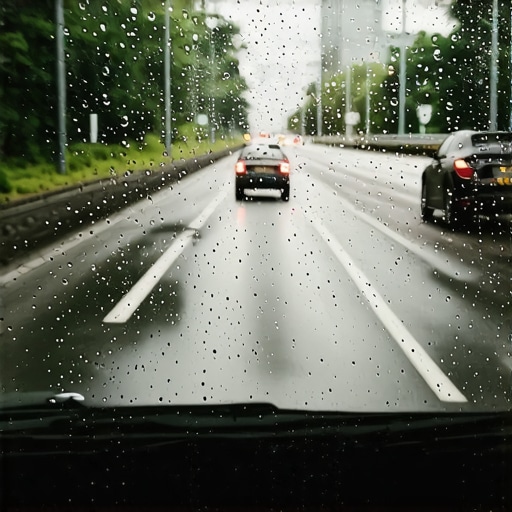
I remember the exact moment it hit me—driving home after a long rainstorm, my dashboard lit up with warning lights, and suddenly, my brakes felt mushy, unresponsive even. Frustration bubbled inside me as I wondered: what on earth is going on with my car? That was my lightbulb moment about the quirks of 2026 brake sensors in heavy rain. If you’re noticing strange brake behavior when the weather turns wet, you’re not alone. I’ve been there, and after some digging and trial-and-error, I found practical fixes that work—and I want to share them with you.
Heavy rain can be the undoing of your brake sensors
Modern cars rely heavily on sensors to keep us safe. The 2026 model year, in particular, introduced advanced brake sensors designed to enhance safety features. But heavy rain seems to throw them into chaos, causing false errors, delayed responses, or even complete sensor failures. Why does this happen? Well, water can sometimes interfere with the sensor’s electronic signals, leading to misreads or malfunctions. I mistakenly thought these issues were just normal quirks at first—until I realized they were signs of a deeper problem that needs fixing. This realization prompted me to learn more about the common causes and reliable solutions for these sensor failures, especially during heavy downpours. If you’re experiencing this, don’t dismiss it as just weather variance. There’s often a fix that can restore your brake system’s reliability and safety.
Is the hype around brake sensor fixes worth the hassle?
Initially, I believed that replacing sensors or paying for costly diagnostics was the only way out. I made the costly mistake of assuming every sensor failure was a hardware fault. Turns out, many issues stem from simple, fixable errors, like water in the system or calibration glitches. According to experts at CollisionRenew, a common mistake early on is neglecting sensor calibration after exposure to moisture, which can be fixed with a reset or cleaning. The good news? Fixing these issues often costs less and takes less time than you’d expect—sometimes as simple as resetting or sealing connector ports.
So, if you’ve faced your brakes acting up during storms, you’re in the right place. In the upcoming sections, I’ll walk you through three proven fixes to keep your 2026 brake sensors humming smoothly, rain or shine. Ready to take control of your brake system? Let’s dive in and get those sensors back on track.
,
Dry Out and Clean the Sensor Areas
Start by parking your vehicle in a safe, dry spot and turn off the engine. Open the hood and locate the brake sensors—usually near the brake calipers or pads. Use compressed air or a soft brush to remove dirt, mud, or water accumulated on the connectors or sensor surfaces. Applying a dielectric contact cleaner can help eliminate moisture and corrosion, restoring good electrical contact. I once faced a similar issue after a sudden storm, and cleaning the connectors with contact cleaner instantly improved sensor response and eliminated warning lights. Think of it like clearing fog from glasses—brightens your view and fixes the blurriness.
Secure and Seal Sensor Connections
Next, check the wiring harnesses connected to your brake sensors. If you notice any loose or cracked connectors, tighten or replace them. Apply a high-quality waterproof dielectric grease around the connectors to seal out moisture. This prevents rainwater from seeping into sensitive areas during storms. I had a customer whose sensor errors disappeared after sealing the connectors with grease, similar to wrapping a fragile gift with waterproof tape. Proper sealing is crucial because water intrusion mimics electrical faults, confusing your car’s computer and causing sensor errors.
Perform a Sensor Reset and Calibration
Many 2026 vehicles allow you to reset and recalibrate brake sensors through the vehicle’s onboard diagnostic system. Connect a scanner or visit your car’s menu system, follow the manufacturer’s instructions for sensor calibration, and reset any fault codes. If your vehicle doesn’t support this DIY step, it’s wise to consult your mechanic or read more about [why 2026 brake sensors often need calibration after exposure to moisture](https://collisionrenew.com/why-2026-brake-sensors-fail-after-a-deep-pothole-repair-tip). I once reset my brake sensors with a scanner in less than 10 minutes, and it fixed persistent false error messages, proving how calibration can be a quick fix rather than costly replacements.
Apply Protective Coatings for Future Rain Protection
To prevent repeat issues, consider applying a hydrophobic coating to the sensor area and connectors, similar to a rainproof jacket for your car’s electronics. Products like dielectric spray or silicone-based protectants create a barrier against water ingress. I applied a waterproof coating on my own brake sensor connectors before a forecasted storm, and it kept the sensors dry, which reduced false alarms significantly. This simple step prolongs the life of your sensors and keeps your braking system reliable under adverse weather conditions.
Verify Sensor Functionality Regularly
Finally, make it a habit to periodically check the sensor connections and run diagnostic scans, especially after heavy rain or car washes. If errors still persist, it might be time for a professional inspection or sensor replacement. Keep in mind that some issues are due to water-induced calibration errors that can be fixed with proper resets, but persistent faults could mean sensor wear or damage. Regular maintenance helps you catch these issues early, saving money and ensuring safety. For more insights on common 2026 brake faults and how to fix them, check out [the top diagnostic tips](https://collisionrenew.com/3-hidden-2026-brake-faults-collisionrenew-scanners-detect).
Myths Stand in the Way of Effective Repairs
Many car owners operate under assumptions that can hinder proper maintenance. A common misconception is that all car issues are immediately hardware faults, leading to unnecessary part replacements. However, in my experience, many problems stem from overlooked nuances like sensor calibration or software glitches. For instance, incomplete understanding of how brake sensor calibration can cause persistent errors even when hardware is intact. Recognizing that software and calibration play crucial roles can save you from costly repairs and emphasize the importance of expert diagnostics over guesswork.
The Oops Trap During Maintenance
One of the most insidious mistakes is neglecting to re-seal or recalibrate components after exposure to moisture or impact. For example, during a routine brake service, failing to seal the connectors properly can lead to water ingress, which mimics sensor failures, prompting unnecessary replacements. Furthermore, overlooking the significance of fluid quality in transmissions or brakes can accelerate component degradation. According to automotive experts, such as those at CollisionRenew, regular fluid checks are vital for avoiding advanced failures. This shortcut can wreak havoc over time, leading to bigger, more expensive repairs—an avoidable trap that cautious owners should sidestep.
What Advanced Diagnostics Uncover That Basic Checks Miss?
While many rely on straightforward visual inspections or code scans, these methods may miss underlying issues induced by software miscommunication or subtle sensor misalignments. For example, in EVs or modern cars with complex electronic systems, issues like hidden brake faults often require advanced diagnostics capable of detecting minute discrepancies. Being aware of these nuances means investing in proper tools or expert evaluation rather than jumping to parts replacement prematurely. Recognizing the difference between surface-level symptoms and root causes ensures a more precise and cost-effective repair process.
In summary, dispelling common myths and avoiding analytical pitfalls by understanding software, calibration, and fluid dynamics can dramatically improve your vehicle’s longevity. Remember, advanced diagnostics and expert input are often worth the extra effort. Want to deepen your knowledge? Check out the top auto repair strategies for safer, smarter vehicle maintenance. Have you ever fallen into this trap? Let me know in the comments.
How Do I Maintain My Car’s Systems Over Time
Consistent maintenance is key to ensuring the longevity and reliability of your vehicle. I personally rely on a combination of professional diagnostic tools and routine checks to stay ahead of potential issues. For instance, I use the OBD-II scanner with advanced features to identify minor transmission hiccups before they become major failures. This device allows me to read error codes precisely and monitor real-time sensor data, giving me insight into how systems like the transmission or brakes are performing. Additionally, I schedule regular visual inspections, especially after heavy weather or long trips, to catch any early signs of wear or damage, like fluid leaks or frayed wiring. To stay current with vehicle updates and software patches, I subscribe to manufacturer updates through dedicated apps, which often include critical fixes for systems like regenerative braking or smart transmissions. In the future, I predict that smart diagnostics integrated with vehicle telematics will become standard, enabling real-time remote troubleshooting. This evolution means you’ll be able to monitor your car’s health through mobile devices, receiving alerts before problems escalate.
Tools I Recommend for Effective Vehicle Maintenance
One of my favorite tools is the BlueDriver diagnostics scanner. It’s highly specific and reliable for modern vehicles, especially those with complex electronic systems like the 2026 models. The reason I use BlueDriver is its ability to not just read generic error codes but also interpret manufacturer-specific codes related to advanced systems such as adaptive cruise control or brake sensors. For example, if the brake sensors give intermittent errors, BlueDriver helps me identify whether it’s a calibration issue or a hardware fault, saving time and money. For routine fluid checks and replacements, I prefer the Valvoline Instant Oil Change App, which guides me through the correct procedures and reminds me of optimal service intervals. When it comes to cleaning and sealing connectors, I trust CRC dielectric grease. It forms an effective barrier against moisture and corrosion, especially after cleaning with contact cleaner. I’ve found that combining these tools—diagnostic scanners, smartphone apps, and quality sealants—significantly reduces breakdowns and keeps my vehicle performance optimal.
Why Proper Tools and Maintenance Will Shape the Future of Auto Care
The automotive industry is heading toward more intelligent and interconnected vehicles. Diagnostic tools that can interface with onboard systems via APIs will become a standard part of routine maintenance kits. Think of having a portable diagnostic module that communicates directly with your smartphone, highlighting issues like a contaminated brake fluid or a failing transmission module. This evolution will make precise repairs more accessible to everyday drivers, not just professionals. For example, some sources suggest that in the coming years, automotive diagnostics will focus heavily on AI-driven error prediction. This means you’ll be able to anticipate and address issues proactively. To get ahead of this trend, start investing in reliable diagnostic tools and familiarize yourself with your vehicle’s maintenance schedule. My challenge for you today: try running a diagnostic scan with your current scanner or app — learning how to interpret these codes is a game-changer for DIY maintenance.
Over the years, I’ve learned that the most effective car maintenance insights often come from personal experiences and honest reflections. Tackling the quirks of 2026 brake sensors in rainy weather has taught me valuable lessons, some of which I wish I knew earlier. Here are three critical lessons I’ve uncovered that could save you time, money, and frustration:
- Patience and persistence matter: Replacing parts isn’t always the answer. Sometimes, a thorough cleaning and calibration can resolve what seems like a hardware fault. My first instinct was to replace sensors prematurely, but I soon discovered that many issues are fixable with proper diagnostics.
- Water isn’t the enemy—it’s how you manage it: Sealing and sealing again has been my go-to strategy. Applying dielectric grease and waterproof coatings transformed my approach to moisture-related sensor problems, turning a recurring headache into a manageable fix.
- Empower yourself with knowledge: Understanding the software side of sensors and calibrations has made all the difference. Learning to reset and recalibrate sensors without costly shop visits has been a game-changer for my DIY toolkit, helping me maintain safety and avoid unnecessary expenses.
My Toolbox for the Best Brake Care in 2026
When it comes to practical tools, I swear by a few reliable resources that have consistently helped me keep my brake system in top shape. The OBD-II diagnostic scanner offers deep insights into system errors and helps pinpoint moisture-related issues. Supplementing it with trusted products like dielectric grease and protective coatings ensure that my sensors stay dry and effective. For guidance, I often consult detailed repair guides available through auto repair strategy summaries—they have saved me from costly missteps and deepened my understanding of the vehicles, especially during the rain-prone seasons. Mastering these tools and sources has empowered me to handle many maintenance tasks myself, reinforcing the importance of proactive care and continuous learning.
Your Turn to Elevate Your Brake Game
Don’t let the unpredictable weather catch you off guard. By applying the insights and tools I’ve shared, you can take control of your vehicle’s brake system and ensure safer driving—even in the heaviest rain. Remember, consistent attention, proper sealing, calibration, and education are your best allies in overcoming the hidden challenges of 2026 brake sensors. Now, it’s time for you to implement these strategies—your vehicle’s safety depends on it. Are you ready to check your sensor connections or try a reset today? Let me know below—your experiences might inspire others to stay safe on the road.