
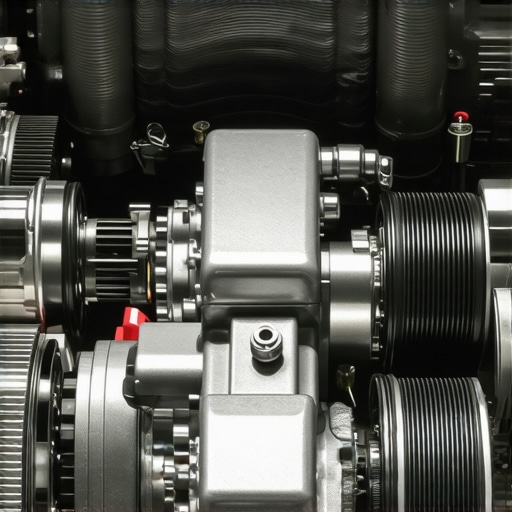
It happened unexpectedly—I’m backing out of my driveway, and suddenly, there’s that annoying high-pitched whine echoing behind me. My heart sank. I knew something was off, and that familiar fear crept in: “Is my car’s transmission about to give up on me?” I remember circling around, pressing the gas a little more, trying to see if the noise persisted or if I could ignore it. But nope—it continued, loud and clear. That moment of realization made me dig deep into what could be causing this unsettling sound.
Facing the Unfamiliar Sound in Your Car?
If your transmission starts to whine whenever you shift into reverse, you’re not alone. It’s a common worry among drivers who notice odd noises but aren’t sure whether they can ignore them or if immediate repairs are needed. Trust me, I’ve been there. That sound isn’t just a mild annoyance—it’s your vehicle’s way of signaling that something isn’t right. Early intervention can prevent costly repairs down the line. Today, I’ll guide you through the reasons behind this issue and show how simple diagnostics can save you a lot of trouble.
What You Might Be Overlooking Could Cost You
In my early days of car troubles, I made a mistake I won’t repeat: I ignored that persistent whine, thinking it was just a temporary glitch. That was a costly oversight. According to automotive experts, persistent whining may indicate issues like low transmission fluid levels, worn-out gears, or internal component damage [source](https://collisionrenew.com/5-signs-your-2026-transmission-is-overheating-in-eco-mode-2). Recognizing these signs early is crucial because they often worsen over time, leading to complete transmission failure. So, if you’ve experienced that unsettling noise while reversing, don’t dismiss it. It’s worth investigating sooner rather than later.
Now, what causes this whine? Is it something I can fix myself? Or does it require a professional mechanic? Let’s dig into the common culprits and what steps you should take next to keep your car running smoothly and avoid those dreaded breakdowns.
Check Fluid Levels Immediately
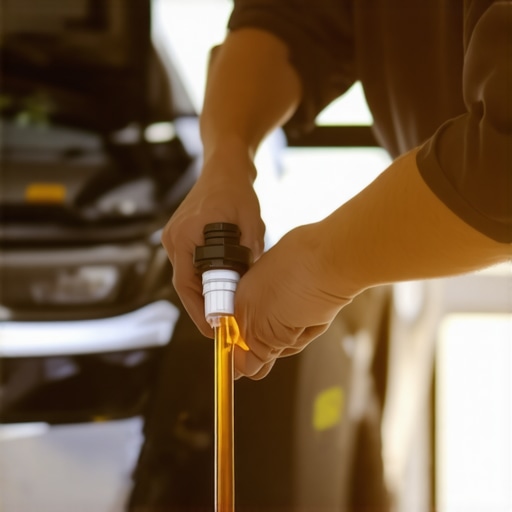
Start by inspecting your transmission fluid. Park your car on a level surface, open the hood, and locate the transmission dipstick. Pull it out, wipe it clean with a rag, then reinsert and pull it out again to check the level. If the fluid is low, top it up with the manufacturer-recommended fluid. Remember, low fluid can cause slipping and whining, much like trying to pour syrup from an empty bottle—nothing good happens. I once dodged this step, and my transmission went from whining to complete failure within weeks.
Assess the Transmission Fluid Condition
Even if the fluid level seems adequate, check its condition. Healthy transmission fluid should be reddish and transparent. If it’s dark, has a burnt smell, or feels gritty, it’s time for a change. Old or contaminated fluid can cause gears to grind and produce that high-pitched noise during reverse. I learned this the hard way when replacing my fluid prevented an expensive rebuild. For best results, consider a complete flush or drain-and-fill service.
Examine Transmission Mounts and Linkages
Vibration or loose mounts can amplify noises during gear engagement. With the engine off, look underneath for worn or broken mounts. Also, inspect shift linkages for looseness or damage. Tightening or replacing mounts restored my smooth reverse and eliminated the whining. If you’re unsure, refer to this guide on transmission grinding issues for deeper diagnostics.
Update or Recalibrate Your Transmission Software
Modern vehicles often rely on internal software to manage gear shifts. If you notice inconsistent or delayed shifts, recalibrating your transmission’s adaptive learning system can help. You can often do this yourself at home using the vehicle’s diagnostic port or seek professional assistance. This process resets the transmission’s parameters, much like rebooting a sluggish computer. For detailed steps, visit this recalibration guide.
Inspect for Internal Damage or Wear
If the above steps don’t resolve the issue, the problem might be internal. Worn clutches, damaged gear sets, or worn bearing assemblies can cause whining noises and slipping. Identifying these issues typically requires a professional diagnosis, including test drives and internal inspection. In my experience, catching these signs early can save hundreds of dollars in repairs, preventing complete transmission replacement. For insights into common internal failures, check signs of overheating and internal wear.
 While many car owners believe that routine maintenance covers all the nuances of transmission and brake care, the truth runs much deeper. A common myth is that high-quality parts alone guarantee transmission longevity, but expert insights reveal that installation practices and software calibrations often matter more. For example, neglecting to recalibrate your transmission’s adaptive systems after repairs can lead to persistent shifts and unexpected whining noises, as discussed in this detailed guide on recalibrating transmission systems.’,’image’:null,
Keep It Running: Tools I Recommend for Long-Term Car Care
Maintaining your vehicle’s transmission and brake systems isn’t just about the occasional fluid change or brake pad replacement. It requires precision, the right equipment, and ongoing attention. Over the years, I’ve established a set of reliable tools and methods that help me diagnose issues early and perform effective repairs, saving time and money in the long run.
Precision OBD-II Scanners
One tool I absolutely rely on is a high-quality OBD-II scanner like the Autel MaxiCOM or BlueDriver. These devices connect to your car’s diagnostic port and provide real-time data, fault codes, and live sensor readings. Using a scanner, I was able to identify a subtle transmission miscalibration issue that caused erratic shifting patterns, which my mechanic confirmed. For DIY enthusiasts, investing in a scanner that supports advanced functions allows for accurate diagnostics without frequent trips to the shop.
Transmission Fluid Testing Kits
Upgrading from basic dipstick checks, I use a transmission fluid test kit with test strips designed to detect contamination, oxidation, or loss of proper viscosity. This proactive approach helps me determine when a fluid change is truly needed, preventing potential internal damage. Regular testing is especially crucial for vehicles that undergo stop-and-go traffic daily or tow heavy loads, where transmission stress accelerates fluid degradation.
Sensor Calibration Tools
Modern vehicles depend heavily on sensor data for systems like ABS, traction control, or advanced driver-assistance features. I utilize specialized calibration tools and software for resetting or fine-tuning sensors after repairs or software updates. For example, calibrating the brake radar sensors after a minor collision can eliminate false alerts, ensuring your safety features operate correctly. When dealing with complex systems, having the right calibration tools can make all the difference.
High-Quality Brake Bleeding Equipment
Ensuring that brake fluid remains free of air bubbles is vital for responsive braking. I prefer a pressure brake bleeder system like the Mityvac, which streamlines the bleeding process—saving me hours of manual labor. This device is particularly effective after replacing calipers or brake lines, ensuring consistent brake pedal feel and safety.
Future Trends and Scaling Your Maintenance
As vehicle technology evolves—particularly with electric and hybrid systems—tools will need to adapt. Expect to see more integrated diagnostics and software-based calibration systems becoming standard. To stay ahead, it’s wise to invest in scalable tools that can upgrade alongside your vehicle’s technology, enabling you to perform complex repairs at home.
How do I maintain transmission and brake systems over time?
Consistent, scheduled maintenance combined with the right diagnostic and repair tools is key. Regular fluid checks, sensor calibrations, and software updates can prevent issues before they escalate. For instance, regularly revisiting your brake system with a calibration tool can ensure that sensors like the brake radar function correctly, avoiding unnecessary alerts and ensuring safety. Additionally, consulting resources like this article on transmission overheating provides insights into how tools and proactive maintenance work together to extend your vehicle’s lifespan.
Take the time to invest in these tools, and don’t be afraid to try advanced techniques like software recalibration or fluid analysis. The long-term payoff will be a smoother ride, fewer breakdowns, and the confidence that your car is in top shape.
Lessons the Road Taught Me About Transmission Whispering
One thing I realized over years of fixing cars is that hearing a high-pitched whine during reversing isn’t just a minor annoyance—it’s a signal demanding respect and attention. Ignoring it can lead to bigger setbacks, so tuning into those subtle clues helped me become a better DIY mechanic and a more attentive car owner.
Also, I learned that the most overlooked detail—like that tiny transmission fluid leak or calibration slip—can ripple into major issues down the line. Paying close attention to early warning signs saved me hundreds of dollars and countless headaches, teaching me the value of proactive maintenance.
Lastly, understanding that software updates and sensor recalibrations play just as vital a role as traditional repairs reshaped my approach. Cars are becoming more digital, and embracing this shift improved my ability to troubleshoot and fix modern drivetrains effectively.
Comments are closed.