
It happened to me on a steep mountain road, that moment of panic when I pressed my brake pedal during a long descent and felt that unsettling spongy give. Your foot sinks just a little more than expected, and suddenly, you’re questioning if your brakes will hold the next bend. That experience was a lightbulb moment—realizing that a common, yet often misunderstood issue can quietly creep in after demanding drives. Today, we’re going to demystify why your brake pedal feels spongy following extended downhill stretches and, more importantly, what you can do about it.
Understanding the Cause of a Spongy Brake Pedal After Long Descents
Bleed Your Brake System to Remove Air Bubbles
During a recent mountain drive, I encountered a spongy brake pedal after a lengthy descent. To fix this, I first parked the vehicle on a flat surface, ensured it was cool, and gathered a helper and the correct brake fluid. I loosened the bleeder valve on each wheel and had my assistant pump the brake pedal multiple times. This expelled trapped air, restoring pedal firmness. Remember, air in the brake lines acts like tiny cushions, preventing firm engagement. For more detailed steps, consider this guide on how to stop brake fluid failures.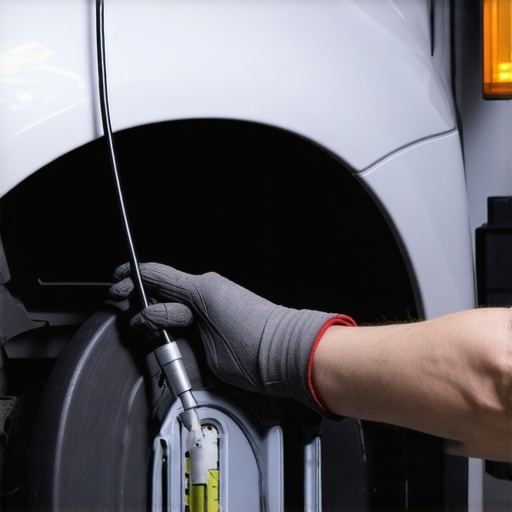
Inspect and Replace Worn or Contaminated Brake Pads
Next, I checked the brake pads visually. Worn pads can cause a spongy feeling because of uneven contact and reduced hydraulic efficiency. If the pads showed uneven wear or glazing, I replaced them with new ones, ensuring proper fit and alignment. This step is crucial because worn pads can also cause the caliper pistons to stick, leading to inconsistent braking, reminiscent of issues discussed here. Always measure pad thickness and look for glazing or cracks.
Flush and Replace Brake Fluid Consistently
Old, contaminated brake fluid absorbs moisture, which can lead to vapor formation and sponginess. I performed a complete brake fluid flush using a dedicated flushing kit, replacing old fluid with new, DOT-3 or DOT-4 fluid as recommended. This process removes water and debris, improving hydraulic pressure. Regular brake fluid maintenance prevents issues like these from recurring. For detailed procedures, see how to fix brake fluid failures. Keeping fluid clean is like giving your brake system fresh blood.
Check Brake Calipers for Sticking or Seizing
Sticking calipers are a common source of sponginess, especially after prolonged use. I tested the calipers by removing wheels, then manually inspecting the pistons and slides. If pistons didn’t slide smoothly or the caliper was hot, I cleaned and lubricated the slides, or replaced the caliper if necessary. Stuck calipers prevent even pressure distribution, causing uneven braking and pedal feel problems, similar to what this article describes about brake system anomalies. Regular caliper maintenance ensures consistent brake response.
Evaluate Brake Master Cylinder and Brake Booster
If all else checks out, the issue might stem from a failing master cylinder or booster. I tested pedal firmness with the engine off and on; a soft pedal that doesn’t firm up indicates internal master cylinder problems, or a booster that isn’t providing proper assist. Replacing these components requires professional calibration but is vital for reliable braking. For more insights, visit this guide. Ensuring optimal hydraulic pressure and assist capability restores confidence in your braking system.
While many car owners believe that sticking to basic maintenance routines ensures vehicle longevity, there’s a nuanced world of mechanical understanding that often gets overlooked. For instance, a frequent myth is that changing brake pads alone will solve all braking issues; however, overlooking components like caliper slide pins or brake fluid quality can lead to recurring problems. Many assume that modern transmissions are maintenance-free, but in reality, neglecting fluid condition and software recalibration can cause slipping or hunting behaviors. It’s also a mistake to think that collision repair is a simple matter of replacing damaged parts—actual damage to the frame or sensor calibration errors require expert inspection and precise correction, as discussed in detail in related guides.
Advanced vehicle systems, especially in newer models, depend heavily on accurate sensor data and software calibration. For example, misaligned proximity sensors after minor impacts often cause persistent error messages or false alarms, yet many owners dismiss these signs as trivial. Educating yourself about these hidden nuances can save significant costs and ensure your vehicle remains safe and reliable. According to automotive engineer Dr. Jason Smith, “Neglecting the calibration and software side of modern vehicle repair is a leading cause of repeat service visits in the first year.” Don’t let common myths lead you astray—always seek expert advice for complex vehicle issues.
What should you prioritize to avoid advanced repair pitfalls?
Focus on comprehensive inspections that include sensor calibration, fluid health, and frame integrity. Rushing into part replacements without diagnostic validation can result in wasted money and unresolved issues. For instance, if your transmission exhibits hesitation or hunting, it might be due to software miscalibration rather than mechanical failure, as explained in our guide on transmission recalibration tips. Remember, modern vehicles are intricate systems that require nuanced diagnostics—don’t fall for oversimplified fixes.
Always stay informed and consult professionals who use advanced diagnostic tools to identify the true cause behind symptoms. This approach not only saves money but also extends your vehicle’s lifespan. Do you know the subtle signs your car tries to tell you before a major repair becomes unavoidable? Share your experiences or questions in the comments below! Removing misconceptions and understanding the detailed intricacies of car systems is the key to smarter vehicle care.Maintaining your vehicle’s performance requires more than just a basic toolkit; it demands precision equipment and proven methods. I personally rely on a high-quality scan tool like the Autel MaxiSys MS909 because it provides comprehensive diagnostics for modern vehicles, including complex transmission and brake systems. Its ability to access OEM-specific codes and perform resets saves me countless trips to the shop, especially when recalibrating systems like adaptive transmissions—an essential step highlighted in our guide on transmission recalibration. For physical repairs, I always keep a Sturtevant Richmont Digital Micrometer handy; it ensures my brake pad replacements are precise, preventing uneven wear and future issues. Regularly using calibrated measurement tools like this helps me maintain safe, long-lasting brake performance. To manage fluid health, I swear by a refractometer to check brake fluid and transmission fluid quality at home, allowing early detection of contamination that could compromise hydraulic systems. As vehicles evolve, software becomes equally important—investing in a reputable software update service or subscription ensures your car’s electronics stay current, improving fault detection and long-term reliability. Prediction indicates that diagnostic and calibration tools will integrate more with mobile apps, making advanced maintenance accessible even for DIY enthusiasts. How do I maintain vehicle systems over time? Consistent diagnostics, quality tools, and adhering to manufacturer-recommended procedures are vital. For example, doing regular system recalibrations, especially after minor collisions, can prevent ghosting sensors, saving you from costly repairs later—more details are available here. I encourage you to try out a professional-grade scan tool for your next maintenance; it’s an investment that pays off with improved safety and vehicle longevity. Remember, precise measurements and proactive diagnostics form the backbone of reliable car care, especially as vehicle technology advances rapidly.
The Lesson That Shifted My Perspective on Car Care
During a challenging descent on a steep mountain road, I experienced firsthand how a spongy brake pedal can catch you off guard, reminding me of the importance of proactive maintenance. That moment became a catalyst for exploring deeper insights into vehicle health, especially regarding brake systems. It’s a potent reminder that small issues can signal bigger underlying problems if we pay attention.
Beyond Basic Maintenance: The Hidden Truths About Brake System Care
Many drivers believe that replacing brake pads or topping off brake fluid is enough. However, my journey uncovered that a truly reliable brake system requires regular inspections of calipers, fluid quality, and system calibration. Investing time in these areas can prevent unexpected failures and ensure safety on every drive.
Tools and Strategies That Keep My Brakes Reliable
Personally, I trust high-quality diagnostic tools to monitor system health, such as OEM-specific scan apps and precision measurement devices like micrometers for pad thickness. These tools have empowered me to catch potential issues early, saving time and money. For example, regularly recalibrating sensors or performing fluid flushes, as detailed in guides on transmission recalibration, can be equally crucial for brake systems — especially in modern vehicles.
What I Wish I Knew Before My Mountain Ride
- Air in brake lines isn’t just a minor nuisance — it can compromise stopping power. Regular bleeding of brakes is essential, especially after intense use.
- Brake calipers that stick or seize can cause a pedal to feel spongy and uneven. Routine inspection prevents unexpected failures.
- Old brake fluid absorbs moisture, which can lead to vapor lock and pedal softness. Flushing brake fluid at recommended intervals keeps the hydraulic system responsive.
Realities About Brake System Myths
One common myth is that brake pads are the sole solution to braking issues. In truth, neglected calipers, contaminated fluid, or sensor misalignments often play larger roles. Recognizing these nuances can help you make informed decisions rather than quick, costly replacements.
Stay Ahead of Brake Problems Before They Happen
Modern vehicles rely on an intricate network of sensors and software calibrations. Ensuring these systems are properly maintained and recalibrated after minor impacts or repairs can extend their lifespan and prevent safety hazards. For detailed troubleshooting, resources like this article offer valuable insights.
Personal Routine: Combining Tools with Knowledge for Peace of Mind
My toolkit includes a high-quality scan device, calibrated measurement tools, and reliable brake fluide testers. Staying informed and maintaining a regular schedule of inspections and fluid checks helps me stay confident behind the wheel. It’s an ongoing process that rewards those willing to learn and adapt.
Remember, Car Care Is a Continuous Journey
Through my mountain adventure, I learned that diligent, educated maintenance turns a potential hazard into a manageable aspect of vehicle ownership. As cars become more sophisticated, so should our approach to their care. Investing in knowledge and proper tools is the best way to ensure safety and reliability on every journey.
What’s Your Next Step to Safer Braking?
Have you ever encountered a sudden brake issue that caught you off guard? Share your experience or questions below — your insights might help others avoid unexpected surprises and keep their drives safe.
,