
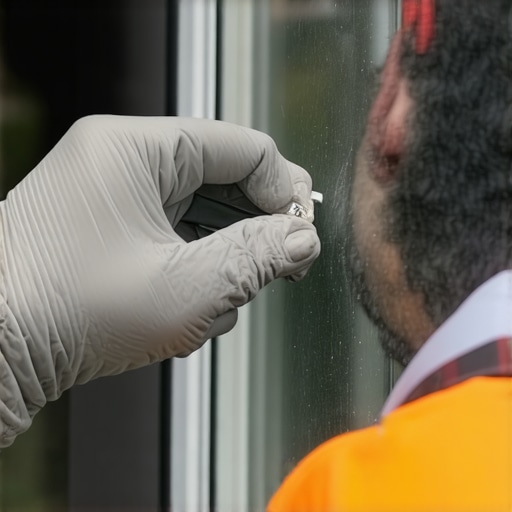
One chilly morning, as I reached for my car keys, I noticed a tiny, almost invisible scratch on my windshield. At first, I brushed it off, thinking it was just dust. But as the day went on, that minute mark started to bother me, nagging like a splinter under the skin. That moment—realizing a minor flaw had the power to turn a clear view into a frustrating haze—was a lightbulb.
Have you ever experienced that sinking feeling when you spot a scratch on your car’s window, wondering if you need to fork out hundreds for a replacement? Believe me, I’ve been there. For years, I believed the only way to fix that was to replace the glass entirely—an expensive ordeal and a major hassle.
Why Investing in Smarter Repairs Matters More Than Ever
Here’s the thing: damaged windows aren’t just about aesthetics; they can compromise your safety, reduce visibility, and even affect your car’s value. The good news? Thanks to advancements in collision repair techniques, there’s now a way to repair scratches effectively without replacing the entire pane.
Initially, I was skeptical. I thought, “Is this just a quick fix that’ll peel off or worsen over time?” That was my early mistake—assuming all solutions are created equal. But as I dug into the process, I realized how crucial it is to choose the right method and professional help. According to industry experts, proper repair techniques can restore clarity and integrity to your windshield, extending its lifespan significantly (source: Collisionrenew’s guide).
If you’re tired of throwing money at minor damages or worried about the safety implications, you’re in the right place. Today, I’ll share what I learned on my journey—cutting through the hype—and reveal how you can fix scratched windows efficiently, saving you time and money.
Is CollisionRenew’s Fix Really Worth the Hype?
Trust me, I made my share of mistakes early on—like trying DIY fixes that only made things worse. I thought a little rubbing compound would do the trick, but all I achieved was a hazy blur that distracted me every time I looked through my windshield. That’s why I emphasize doing your research and consulting experts.
If you’ve faced similar issues or are just tired of the recurring scratches that seem to appear out of nowhere, keep reading. This post will walk you through proven strategies to repair and preserve your car windows effectively. After all, your vehicle’s clarity isn’t just about style—it’s about safety, confidence, and peace of mind on the road.
Prepare Your Workspace and Gather Supplies
Start by choosing a well-lit, dust-free area to work on your car window. Gather essential supplies like a clean microfiber cloth, glass polish, ceramic abrasive paste, a plastic scraper, masking tape, and safety gloves. Using the right tools ensures a professional-quality repair and minimizes the risk of further damage. I once attempted a repair in my driveway without proper gloves or polish, which led to a hazy result and wasted time. So, prepping properly is key.
Clean the Damaged Area Thoroughly
Before any repair, clean the scratched area with a microfiber cloth dipped in water or glass cleaner. Remove dirt, dust, and grease that could interfere with the polishing process. Remember, contamination can cause scratches to worsen or create new ones during polishing. I learned this the hard way when skipping the cleaning step resulted in a frosting effect on the glass, making the damage worse. Proper cleaning is non-negotiable.
Assess the Depth of the Scratch
Run your fingernail over the scratch gently. If your nail catches, the scratch is deep and may need professional intervention. Surface scratches that your nail doesn’t catch can often be repaired with DIY methods. It’s similar to assessing a dent before choosing between dent removal or replacement—accurate assessment saves time and money. For surface-level scratches, proceed with polishing; for deeper ones, consider consulting collisionrenew for advanced repair options.
Apply Glass Polish and Buff the Surface
Apply a small amount of glass polish to the scratched area. Use a clean microfiber cloth to buff the polish into the glass with circular motions. Apply consistent pressure but avoid excessive rubbing, which can cause micro-scratches. I once tried to accelerate the process by pressing harder, but it only made the surface hazy. Patience and gentle circular motions deliver the best results. After about 10 minutes of standard buffing, check if the visibility improves. Repeat if necessary.
Utilize Ceramic Abrasive Paste for Stubborn Scratches
If polishing doesn’t fully restore clarity, a ceramic abrasive paste can help remove minor imperfections. Apply a small amount to the scratch and buff with a circular motion, similar to the initial polishing step. This paste acts like a fine-grade sandpaper for glass, smoothing out superficial damage. Be cautious not to overuse, as abrasive pastes can thin the glass if applied excessively. After treatment, clean the area with a damp cloth to remove residue, revealing significantly clearer glass. For deeper fixes, consider professional collisionrenew services or replacement options.
Final Cleaning and Inspection
Once satisfied with the repair, clean the entire window with a glass cleaner, wiping with a microfiber cloth for a streak-free shine. Inspect the scratch from multiple angles to determine if additional polishing is necessary. Remember, a well-maintained windshield isn’t just about appearance—it’s crucial for safety. Regularly check for new scratches and address them promptly to preserve visibility and prevent further damage. Learn more about essential car maintenance at collisionrenew’s guide.
When it comes to car service and auto repairs, many drivers hold onto myths that can cost them time and money. A common misconception is that all brake pads wear evenly, leading owners to delay replacement until squealing or braking issues become obvious. In reality, brake systems can develop uneven wear due to misaligned calipers or uneven rotor surfaces, which can cause premature failure or even unsafe driving conditions if overlooked. Regular inspections are essential to catch these subtleties early, but many neglect this crucial step, risking costly repairs later.
Another nuance often misunderstood involves transmission maintenance. The myth that transmission fluid lasts the lifetime of the vehicle persists, yet experts suggest that fluid degrades over time, losing lubricity and risking transmission slippage or overheating. Failing to change or check transmission fluid regularly, as recommended in top transmission repair tips, diminishes your vehicle’s reliability and can lead to expensive rebuilds.
Advance-level drivers ask: How can I detect subtle signs of transmission issues before they escalate? Tiny changes like delayed engagement, slipping gears, or unusual noises may be early indicators, but diagnosing these accurately often requires professional diagnostic tools. Attempting DIY fixes based solely on symptoms without proper testing can worsen the problem. Recognizing these early signals aligns with the best practices outlined in industry standards, emphasizing the importance of professional intervention at the right moment.
In regards to collision renewal strategies, a frequent trap is the assumption that small dents or paint scratches are superficial nuisances. Yet, if left unaddressed, they can lead to corrosion or structural weaknesses over time, especially in regions exposed to harsh weather. Restoring your vehicle properly not only preserves its aesthetic appeal but also its safety value. Beware of quick fixes like fillers or paint touch-ups that may hide underlying damage — an advanced approach involves detailed inspections and, when necessary, complete panel replacements to ensure long-term integrity.
Now, a question for the seasoned enthusiast: What pitfalls do most overlook during routine maintenance, and how can understanding these nuances extend your vehicle’s lifespan? The answer lies in the details—such as checking for early signs of fluid leaks, understanding the implications of subtle noises, or recognizing the signs of hidden structural wear. This level of awareness requires knowledge, experience, and sometimes, a critical eye that goes beyond routine checks.
Many car owners also fall into the trap of trusting generic repair solutions or shortcuts offered by unscrupulous mechanics, which might save money short-term but compromise safety. Always seek reputable collision renewal services and adhere to manufacturer guidelines for optimal results. Regularly reviewing your vehicle’s maintenance schedule and consulting trusted sources can prevent costly mistakes and ensure your car remains reliable for years to come.
Have you ever fallen into this trap? Let me know in the comments, and share your experiences or questions about uncovering hidden vehicle issues. Staying informed about these nuances empowers you to make smarter decisions and keeps your vehicle running smoothly.
Boost Your Maintenance Game with Proven Tools
Maintaining your vehicle’s performance over time requires the right equipment and software. I personally rely on a high-quality OBD-II scanner, like the BlueDriver Bluetooth Pro, which connects effortlessly to my smartphone and provides real-time diagnostics. This tool allows me to monitor engine codes, sensor data, and performance metrics, enabling proactive repairs before minor issues escalate. For comprehensive understanding and tracking, I also use dedicated maintenance apps like Car Scanner ELM OBD2, which logs service intervals and alerts me when fluid changes or inspections are due, ensuring longevity and safety.
Precision Matters in Transmission Care
When it comes to transmission health, I use a professional-grade transmission fluid tester, such as the Magnefine Transmission Fluid Testing Kit. It assesses fluid condition and contamination levels, guiding me whether a flush or fluid replacement is necessary. Regular testing helps prevent costly rebuilds and extends the lifespan of the transmission. Consulting expert tips reinforces the importance of meticulous monitoring and timely interventions.
Effective Long-Term Strategies
To ensure long-term results, I advocate for routine inspections with specialized tools like ultrasonic leak detectors—Handheld Ultrasound Leak Detectors are invaluable for identifying elusive leaks in brakes, shocks, or cooling systems early. Combining this with a digital service log, such as my custom spreadsheet or professional software, keeps track of all maintenance milestones, preventing missed intervals that could compromise vehicle integrity. As technology advances, I predict integrating AI-based diagnostics will further revolutionize auto maintenance, allowing even more precise and predictive care.
How do I maintain car health over time?
Consistency and leveraging the right tools are key. Regular diagnostics, fluid analysis, and component inspections prevent small issues from becoming major repairs. Investing in quality diagnostic equipment and staying informed about emerging repair techniques ensures your vehicle remains reliable for years. Remember, proactive maintenance makes all the difference; try implementing a routine check using an ultrasonic leak detector this month to catch hidden problems early.
Lessons That Transformed My Car-Care Approach
- Discovering that minor windshield scratches can signal broader issues made me realize the importance of early intervention. Ignoring small signs often leads to costly repairs, so paying attention to your vehicle’s subtle cues is crucial.
- My mistake of assuming DIY fixes are always sufficient pushed me to seek expert advice, which ultimately saved me money and prevented further damage. Sometimes, professional knowledge is worth every penny.
- Understanding the limits of repair techniques taught me that not all damages are equal; assessing depth and severity before acting is key to choosing the right solution and avoiding unnecessary replacements.
Tools and Resources That Made a Difference
- BlueDriver Bluetooth Pro OBD-II Scanner: This handy device connects to my phone and provides real-time diagnostics, helping me catch issues early and avoid breakdowns.
- CollisionRenew’s Maintenance Guides: Their detailed guides on auto repair and collision strategies have become my go-to resources for keeping my vehicle in top shape without falling for misconceptions.
- Ultrasonic Leak Detectors: These tools helped me identify hidden leaks, saving me from bigger problems down the road. Investing in quality equipment empowers proactive car care.
- Expert Consultations: When in doubt, consulting reputable collision renewal services or industry experts ensured I made informed decisions, ultimately extending my vehicle’s lifespan.
Fuel Your Drive with Confidence and Action
Your vehicle’s health isn’t just about fixing problems; it’s about building a mindset of proactive maintenance. Start by inspecting your car regularly, investing in quality tools, and trusting reputable sources like CollisionRenew. Embrace the knowledge that small, consistent actions today can lead to safer, more reliable travels tomorrow. Remember, mastering car repair isn’t just for mechanics—it’s for anyone who wants to keep moving forward with peace of mind.
What small step will you take today to better care for your vehicle? Share your plans below—I’d love to hear how you’re planning to elevate your auto maintenance game!