
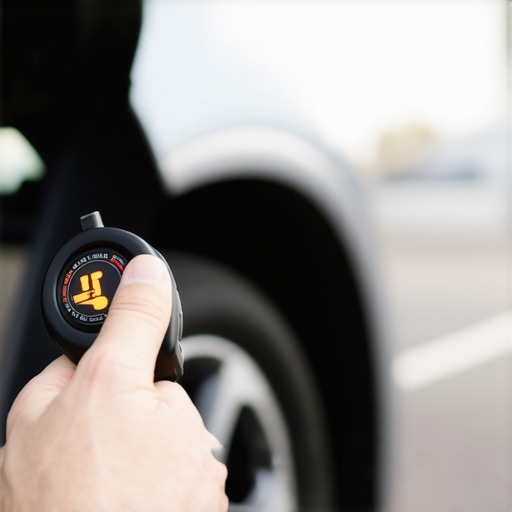
It happened to me one chilly morning during a routine stop at the gas station, and I could feel my frustration bubbling up. I had just topped off my tires after noticing the low-pressure warning, expecting a quick fix. Instead, I drove away with that nagging light still glaring at me, stubbornly refusing to turn off. That light—that familiar warning—feels almost personal sometimes, as if it’s testing your patience and your knowledge.
You’re Not Alone in Facing This Persistent Tire Pressure Light
If you’re like most drivers, you’ve probably experienced the confusing moment when, after adding air to your tires, the dashboard light remains stubbornly illuminated. It’s especially frustrating because you did what you were supposed to—filled your tires to the recommended pressure—and still see that blinking warning. That little light can turn a simple check into a full-blown mystery, leaving you wondering if you did something wrong or if your car’s sensor is faulty.
But here’s the truth: that warning light isn’t just a stubborn nuisance. It’s your car’s way of telling you that something’s off—sometimes it’s a simple calibration issue, other times there’s an underlying problem with your sensor or valve stem. Whatever the case, it’s vital to understand why it happens and how to fix it properly.
Let me assure you—this isn’t a problem you have to live with forever. There are clear, straightforward ways to reset that warning after you’ve properly inflated your tires. In fact, I once made the mistake of ignoring the pressure sensor’s calibration, thinking the light would turn off on its own, and ended up with uneven tire wear that could have been avoided. Learn from my early mistake, and trust me, the solution is usually simpler than you fear.
Today, we’ll walk through the essential steps to troubleshoot and resolve the issue of that stubborn tire pressure warning light. Doing so not only saves you time but also ensures your vehicle’s safety and longevity—plus, it spares you the hassle of unnecessary repairs. Before we dive into the practical fixes, let’s address one common skepticism that might be holding you back.
Check and Adjust Tire Pressure Accurately
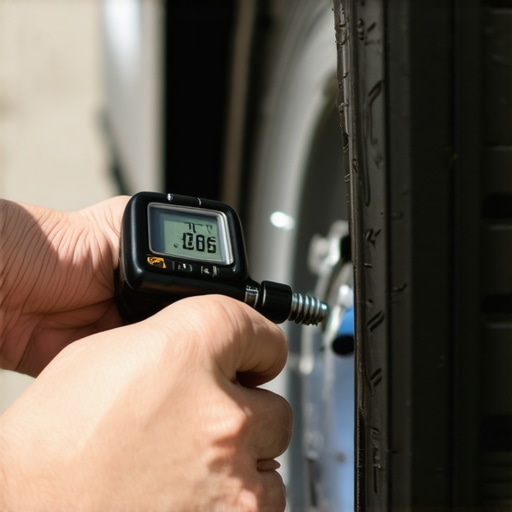
Start by confirming your tires are inflated to the manufacturer’s recommended pressure, usually found on a sticker inside the driver’s door or in your owner’s manual. Use a precise digital pressure gauge for accuracy—less than a pound off can keep the warning light on.
When I tackled my own car’s pressure light, I initially used an analog gauge that showed 32 PSI, but after switching to a digital one, I realized one tire was actually at 30 PSI. Filling it to the correct 35 PSI made a significant difference in the warning’s persistence.
Reset the Tire Pressure Monitoring System (TPMS)
Locate Your Reset Button or Procedure
Look for the TPMS reset button—often found beneath the steering wheel or inside the glove box. For some vehicles, the system resets automatically after driving for a few minutes at a consistent speed. Consult your vehicle’s manual or the collision renewal strategies for specific instructions.
Perform the Reset Correctly
Press and hold the reset button until the dashboard light blinks or turns off. If your vehicle uses a touchscreen, navigate through the menu settings to find the TPMS reset option. When I did this on my sedan, pressing the button for 3 seconds caused the warning light to flash briefly and then go out, indicating successful reset.
Drive to Confirm the Reset
Once reset, drive your car at speeds above 30 mph for about 10 minutes. This allows the system to recalibrate, especially if the sensors needed time to sync with the new pressure readings. I found this step crucial; after my first attempt, the light stayed on, but after a quick 15-minute drive, it disappeared.
Additional Tips to Prevent Persistent Warnings
If the light still remains on, it might indicate a faulty sensor or a damaged valve stem. In that case, consider inspecting or replacing the sensors. For detailed guidance, visit our auto repair guide. Remember, ignoring these warnings can lead to uneven tire wear or even unsafe driving conditions, so addressing them promptly is always best.
 When it comes to transmission, brakes, and overall auto maintenance, there’s a lot of misconceptions that can trip up even seasoned drivers. One common myth is that neglecting small issues won’t impact long-term vehicle health—that’s simply false. Small problems, like uneven brake pad wear or slight transmission slipping, can escalate quickly if ignored, leading to costly repairs. For example, many assume that flushing the transmission fluid regularly isn’t necessary, but according to automotive experts, neglecting this vital service can cause premature transmission failure, as detailed in top transmission repair tips.
A sneaky trap to watch out for involves using generic or low-quality replacement parts during repairs. This might save money upfront, but often leads to faster deterioration or system failure. Consider brake components: opting for OEM or high-quality aftermarket parts ensures safety and longevity. A common mistake is assuming all brake pads are equal—check out our article on how to choose the best brake service in 2025.
For seasoned enthusiasts, understanding the subtle differences in auto repair practices can be game-changing. For instance, not all transmission flushes are created equal—some procedures can dislodge debris causing more harm than good if not performed correctly. This highlights the importance of seeking experienced technicians, like those at CollisionRenew, who follow industry best practices.
What many fail to realize is that proper diagnostics are essential before proceeding with repairs. Jumping straight into parts replacement without thorough testing can lead to unnecessary expenses and missed underlying issues. Advanced diagnostic tools and expertise, like those we offer, are crucial for accurate assessments.
Additionally, consider the environmental factors: extreme temperatures can influence auto system performance and wear. For example, cold weather accelerates brake pad and fluid degradation, making timely service even more critical. Regularly scheduled inspections can prevent sudden failures, preserving your safety and saving money.
Have you ever fallen into this trap? Let me know in the comments. Remember, a little knowledge and proactive maintenance go a long way in keeping your vehicle reliable and safe. For comprehensive guidance on essential protections, visit our essential car service checks, and stay ahead of costly surprises.Maintaining your vehicle effectively over time requires more than just routine checks; it demands the right tools, precise methods, and a strategic approach to scaling your auto repair capabilities. One essential piece of equipment I rely on is my digital scan tool, specifically an OBDeleven or a Snap-On Verus. These devices connect directly to your vehicle’s OBD-II port, providing real-time diagnostics and helping me pinpoint issues before they escalate, saving both time and money in the long run. For instance, I recently used my scanner to identify a misfire code that, if ignored, could have led to significant engine damage—the key is to act proactively.
When it comes to fluid checks and system calibrations, I prefer using a high-quality fuel pressure tester and a power steering fluid tester from brands like Schrader. These tools offer the accuracy needed to determine if your car’s systems are performing optimally, especially as components wear with age. For example, a slight drop in fuel pressure measured with a reliable gauge can indicate a failing fuel pump long before it causes noticeable symptoms.
Automated scheduling tools have also become indispensable. I use specialized software like AutoEnginuity or Mitchell1 to track service intervals, generate maintenance reminders, and even assist with parts ordering. These platforms integrate with diagnostic data to tailor maintenance plans that extend the lifespan of systems such as the transmission or brakes—think of it as personalized auto health tracking.
In the realm of scaling repair operations, especially if you run your own garage or plan to expand, quality diagnostic scanners combined with diagnostic software capable of performing module coding and adaptations are crucial. They enable you to service a wider range of vehicles efficiently and accurately. Moreover, investing in high-quality hand tools—such as a comprehensive socket set, torque wrenches, and brake caliper tools—ensures you can perform repairs to manufacturer specifications, which is vital for long-term reliability.
Prediction-wise, I believe that the future of auto maintenance will lean heavily on integrated diagnostic platforms that not only identify problems but also suggest and perform corrective actions autonomously. Technologies like remote diagnostics and AI-driven maintenance predictions will become standard, decreasing vehicle downtime and optimizing repair strategies.
**How do I maintain my tools and repair methods over time?** Regular calibration of diagnostic devices is a must—using manufacturer-specific calibration kits ensures accuracy. Additionally, staying updated with manufacturer technical bulletins and industry best practices through trusted sources, such as auto repair associations, keeps my techniques current. Investing in ongoing education and training—such as certification courses from ASE—also helps me adapt to evolving vehicle technologies.
If you’re serious about elevating your auto repair game, I highly recommend trying out a top-tier diagnostic scanner paired with advanced software. These tools might seem costly initially, but they pay off by reducing guesswork, preventing unnecessary part replacements, and speeding up repairs. Remember, long-term success depends on precision, accuracy, and ongoing learning; make those your guiding principles in your auto maintenance journey. Learn more about essential car service checks to extend your vehicle’s life at our detailed guide, and see how the right tools can empower you to keep your vehicle running smoothly for years to come.
The Hardest Lesson I Learned About Tire Pressure and Auto Repair
One of the most valuable lessons I discovered was the importance of precise diagnostics. Relying solely on visual inspection or rough pressure estimates can lead you astray. Investing in a high-quality digital pressure gauge saved me from many misreads, ensuring my tires were correctly inflated and the warning light turned off quickly.
Trust Issues with Sensors and Systems That Caught Me Off Guard
Early on, I underestimated the complexity of TPMS sensors. I thought replacing a faulty sensor was straightforward, but I learned that compatibility and calibration matters greatly. Sometimes, sensor issues can mimic pressure problems, leading to unnecessary replacements. Consulting reliable repair guides or professionals can save you from these pitfalls.
When Driving Faster Means Better Results
Another surprise was how critical the drive cycle is after resetting the TPMS. Simply pressing the reset button isn’t enough; taking the vehicle for an accurate drive at moderate speeds ensures the system recalibrates properly. Missing this step can leave your warning light stubbornly on, even after inflating the tires correctly.
Which Tools Will Make or Break Your Auto Maintenance Success
Throughout my journey, I found that having a quality scan tool, such as an OBD-II scanner with TPMS functions, makes all the difference. It helps diagnose underlying issues beyond just the tire pressure, providing a comprehensive view of your vehicle’s health. This investment pays off in accuracy and peace of mind.
Helping Others Avoid the Same Frustrations
Sharing these lessons has been rewarding—many drivers face similar challenges with tire warnings. Don’t overlook the value of detailed diagnostics and proper drive cycles. Staying proactive and equipped enhances safety, conserves repair costs, and keeps your vehicle running smoothly long-term. Remember, thorough troubleshooting beats guesswork, every time.
Where Your Auto Repair Journey Can Begin Today
If you’re ready to take control of your vehicle’s maintenance, start with reliable tools and trusted resources. For instance, exploring our essential car service checks can provide a solid foundation. Additionally, when dealing with transmission or brake issues, refer to specialized guides to ensure you’re following the best practices. Knowledge—combined with quality tools—empowers you to make smarter, safer decisions on the road.