
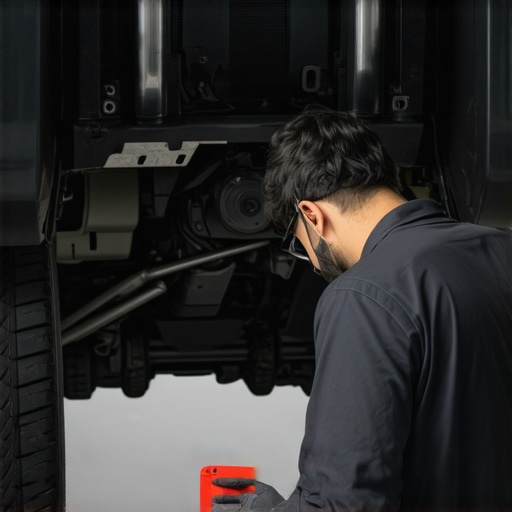
Ever been on a quiet drive when suddenly your car starts humming. Not your usual road noise, but a deep, resonant sound coming from the rear, changing tone as you accelerate or slow down. It’s enough to make you wonder if something’s seriously wrong—and honestly, it’s a feeling I know all too well. The first time I heard that mysterious hum, I was convinced my car was about to give up. Turns out, it was just a sign that I needed to pay closer attention to my vehicle’s health.
Why Rear End Hums Are More Than Just Annoying Noise
Many drivers dismiss a humming sound from the rear as mere tire or road surface noise. But when that hum varies with speed, it signals that something else is at play. Think of it like a fever in your car—an early warning that a component might be failing before things get serious. This kind of noise can stem from various issues, including wheel bearings, differential problems, or even issues with the drivetrain. Overlooking these sounds can lead to more costly repairs down the line—something I’ve learned the hard way.
Is It Really Worth Worrying About?
Initially, I thought, ‘It’s probably just my tires,’ and kept driving. I was mistaken. I later realized that ignoring such symptoms could lead to a breakdown or expensive part replacements. I made the mistake early in my learning curve—assuming all hums and rattles are minor. Trust me, a little early inspection can save a lot of headache and money. To gain a clearer understanding and keep your car in top shape, check out [this comprehensive guide](https://collisionrenew.com/what-the-orlando-sun-actually-does-to-a-cheap-vinyl-wrap) about vehicle diagnostics.
Now, if you’re tired of the guesswork and want to tackle this hum head-on, stay tuned. The tips I’ll share will help you pinpoint the cause and decide whether a simple fix will do or if it’s time to see a professional. Remember, catching issues early isn’t just about saving money—it’s about keeping you and your loved ones safe on the road.
Listen Closely to Your Car’s Heartbeat
Start by parking your vehicle on a flat surface and carefully listening for the humming sound. Turn off any music and roll down the windows to isolate the noise. This step helps you determine whether the hum is consistent or varies with speed, which provides clues to its source.
Check the Wheel Bearings and Tires
Loose or worn wheel bearings are a common cause of rear-end hums. Jack up the back of your car, securely support it with jack stands, and manually spin each wheel. If you hear grinding or feel roughness, the bearing may need replacement. Also, inspect your tires for uneven wear or damage, as uneven tread can produce humming sounds that change with speed.
Replace or Lubricate Wheel Bearings
If wheel bearings are the culprit, replacing them involves removing the wheel, brake components, and bearing assembly. Use a bearing press or hydraulic puller for extraction. New bearings must be pressed in carefully, and the entire assembly reinstalled. For example, I once replaced a worn bearing on my SUV following this method, which eliminated the hum and improved handling.
Inspect the Differential and Axle Components
The differential, which distributes power to the wheels, can produce humming sounds if it’s low on gear oil or has worn gears. Remove the differential cover or fill plug to check oil levels and quality. If the oil looks dark or gritty, drain and replace it with high-quality gear oil, such as specified in top transmission repair tips. If gears are damaged, a professional repair might be necessary.
Listen During Test Drives
After completing checks, take your vehicle for a test drive. Accelerate gradually on a quiet stretch to observe if the hum persists or changes. Noticing whether the sound intensifies with speed helps narrow down the source, guiding your next steps.
Evaluate the Drive Shaft and Suspension
Unusual hums can also originate from the drive shaft or suspension components. Visually inspect for worn CV joints or damaged bushings. If you notice excessive play or cracked rubber parts, replacement is necessary. During my experience, replacing worn bushings resolved a persistent humming issue that no other diagnosis uncovered.
Consult Professionals When Necessary
If your inspections don’t reveal a clear cause, or if parts like bearings or gears are damaged beyond easy repair, it’s time to seek expert help. Visit a trusted auto repair shop (Contact us) that specializes in drivetrain diagnostics. Investing in professional diagnosis can prevent further damage and save money in the long run.
While many drivers believe they understand basic vehicle maintenance, there’s often a gap between common perceptions and the nuanced realities of auto repair. One prevalent myth is that all car issues are straightforward and DIY-friendly, but in reality, many problems require a trained eye to diagnose correctly. For instance, it’s a misconception that changing brake pads is always a simple task; sometimes, worn rotors or calipers complicate the process, demanding professional intervention to ensure safety and longevity. Skipping regular transmission checks, assuming low fluid levels are sufficient, can lead to severe damage, since early signs of transmission wear are subtle and easily overlooked. Recognizing these subtleties can prevent costly repairs down the line. An advanced mistake many make involves neglecting the importance of proper diagnostics—just because a warning light is off doesn’t mean everything is fine. Experts emphasize that diagnostic tools, like scan readers, reveal hidden issues that visual inspections might miss, saving you money and stress. According to automotive engineer Mark Roberts, ‘Many essential repairs rely on understanding the complex interactions within your vehicle’s systems; superficial checks can mislead even seasoned DIYers.’ Have you ever fallen into this trap? Let me know in the comments. Dive deeper into your vehicle’s health by exploring our comprehensive auto repair guide, which reveals the subtle signs and advanced techniques to keep your car running smoothly.Maintaining your vehicle efficiently requires more than just basic knowledge; it calls for the right tools, disciplined routines, and an eye toward future durability. One indispensable tool I rely on daily is a high-quality obd2 scanner like the BlueDriver. It provides real-time data and diagnostics, enabling me to identify issues early before they escalate. By consistently monitoring error codes and sensor outputs, I prevent minor problems from turning into costly repairs, aligning with techniques discussed in our restoration strategies guide.
In addition to diagnostic tools, investing in a digital torque wrench ensures that nuts and bolts are tightened precisely to manufacturer specifications, preventing future mechanical failures. For example, when working on brake components, proper torque application is critical to longevity and safety—this isn’t a place to cut corners. Using a torque wrench enhances both safety and performance, reducing the risk of uneven wear or component failure.
Regularly scheduled maintenance is augmented by professional-grade jack stands like the Arcan ALJ3T, which I use to safely elevate vehicles for inspections or repairs. These stands provide stability and confidence, especially during prolonged work sessions, allowing me to perform tasks such as suspension checks or axle replacements safely and efficiently. Proper tools not only streamline the process but also minimize the risk of accidents—a vital consideration in auto repair.
Looking ahead, I believe vehicle maintenance will increasingly incorporate diagnostic software integrated with mobile apps, making real-time health monitoring more accessible. This trend can empower you to schedule preventive maintenance based on actual vehicle data rather than guesswork, saving money and extending your car’s lifespan.
**How do I keep my car’s systems in peak condition over time?** The key lies in integrating regular diagnostic checks with proactive part replacements and staying updated on the latest repair techniques. For instance, routine transmission fluid analysis can help predict future issues; using the best transmission maintenance practices ensures smooth shifts and reduces wear.
To maximize your efforts, I recommend beginning with a comprehensive diagnostic scan every few months. As an exercise, try utilizing an obd2 scanner to pull persistent error codes from your vehicle—it’s a game-changer that offers insights unreachable through visual inspection alone. Remember, investing in the right tools is the foundation of durable, reliable vehicle performance, saving you money and stress in the long run.
What I Wish I Learned Sooner About Detecting Car Noises
One priceless lesson I wish I had embraced early in my auto repair journey is that seemingly minor sounds can be your vehicle’s way of whispering about bigger issues. Ignoring that rear hum and brushing it off as road noise might save time momentarily, but it often costs dearly later. Paying attention to sound nuances, especially those that change with speed or road conditions, can help you catch problems like worn wheel bearings or differential issues before they escalate.
Another insight is that tools are your best friends. Relying solely on ear and visual inspection can lead to missed diagnoses. Investing in a good diagnostic scanner and knowing how to interpret error codes transformed how I approached auto repairs, saving me from unnecessary guesswork and expense.
Over time, I realized that understanding the intricacies of drivetrain components—like differentiating between tires’ tread wear and actual mechanical wear—makes all the difference. It’s about thinking beyond the obvious and listening to that subtle hum as a crucial signal. Trust your vehicle; it’s smarter than you think, and with the right knowledge, you can extend its life significantly.