
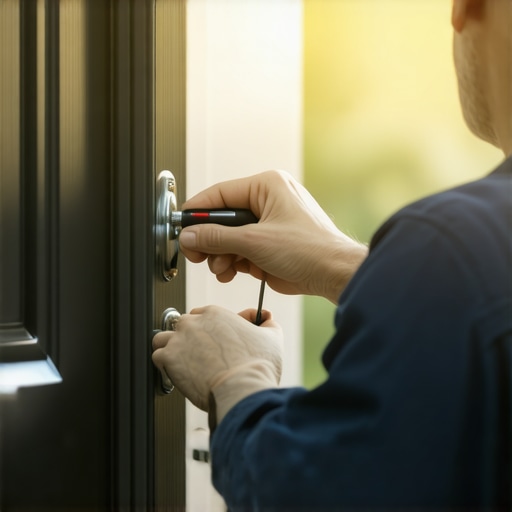
Ever had that sinking feeling when you’re standing outside your home or car, trying to get in, and the door just refuses to cooperate? It happens at the worst possible moments—you’re late, carrying groceries, or worse, stuck in the rain. I remember one winter evening, fumbling with my keys, only to realize my door wouldn’t budge from the outside. Frustrating doesn’t even begin to cover it. But here’s the thing: this problem isn’t hopeless, and with a bit of know-how, you can fix it yourself without calling a costly locksmith.
Today, we’re going to tackle one of the most common yet perplexing issues homeowners and drivers face—doors that won’t open from the outside. Whether it’s your front door, back door, or vehicle door, I’ll walk you through the practical steps to diagnose and fix the problem quickly. Saving you time, money, and the headache of being locked out is my promise.
Why Your Door Won’t Open from the Outside—And Why It Matters
Understanding the root cause of why your door gets stuck can seem intimidating, but it’s often simpler than you think. From mechanical failures to rusted latches or misaligned hinges, the reasons vary, but the impact is always the same—your daily routine gets disrupted. Imagine trying to get to work or pick up your kids, only to be met with a stubborn door. Not fun.
A common mistake I made when I first encountered this issue was assuming it was a major problem that would require a complete replacement. Turns out, most of the time, a minor adjustment or cleaning does the trick. Recognizing the difference between a simple fix and a sign of a bigger issue can save you a lot of trouble.
If you’ve faced this problem yourself, you know how quickly it can turn from a minor inconvenience to an emergency. It’s frustrating to be stuck outside or unable to access your vehicle, especially when you’re pressed for time. That’s why I’ve compiled these actionable tips to help you troubleshoot and resolve the issue efficiently.
Additionally, considering the importance of regular maintenance, I recommend checking your door’s hinges, locks, and latches periodically. A good rule of thumb is to stay ahead of small problems before they become emergencies. For more insights on keeping your vehicle in top shape, check out our guide on [essential car service checks to extend your vehicle’s life](https://collisionrenew.com/essential-car-service-checks-to-extend-your-vehicles-life).
Now, let’s dive into the steps you can take when your door refuses to open from the outside. With a little patience and the right tools, you’ll be back inside in no time.
Assess the Lock and Key Mechanism
Start by examining your keys and lock cylinder. Sometimes, dirt, debris, or rust can jam the lock. Insert the key and gently turn it. If it feels stuck or gummy, apply a lock lubricant like graphite powder—avoid oil-based lubricants that can attract more dirt. This simple step often frees up a frozen lock, as I discovered firsthand when my front door refused to open on a winter morning, but a quick spray solved the issue instantly.
Inspect the Door Handle and Latch
Next, check the exterior handle for damage or corrosion. Use a screwdriver to remove the handle if necessary, revealing the latch assembly. Sometimes, the latch can get stuck due to dirt or misalignment. Gently manipulate the latch with a flathead screwdriver—think of it as freeing a jammed drawer. Once the latch moves freely, try opening the door again. I once had a stubborn garage door that wouldn’t budge; removing the handle allowed me to clean and realign the latch, restoring functionality.
Examine Hinge Alignment and Obstructions
Look at the hinges to see if they are misaligned, rusted, or bent. Use a flashlight to peer behind the door for obstructions like debris or broken parts. If hinges are rusty, apply penetrating oil and work the hinge pins back and forth. For bent hinges, replacing them might be necessary, much like changing worn-out parts in a transmission to restore smooth operation (see more on transmission repairs). During my repair, lubricating the hinges made a significant difference, enabling the door to open freely again.
Check for External Locking Devices
Some doors have additional locks or security devices. Ensure the sliding bolt or padlock isn’t engaged. If it is, release or remove it carefully. In my case, a stuck padlock was blocking entry, and lubricating the latch allowed me to open it without force, saving the door from potential damage.
Test for Obvious Damage or Deformities
Look for dents, warping, or other deformities that could prevent the door from opening. Sometimes, a collision or impact causes the frame or latch to misalign. If you spot damage, consulting a professional might be necessary, especially if the frame is bent. I once encountered a vehicle door that wouldn’t open from the outside due to a bent frame—straightening it required specialized tools, but minor misalignments from everyday wear can often be fixed with adjustments or realignment.
Consider Applying Gentle Force Carefully
If the door is slightly stuck, gently pushing or pulling with even pressure can free it. Think of it as carefully nudging a jammed drawer—excessive force risks damage. In a memorable moment, I gently pushed on a stubborn car door during freezing temperatures, and a slight wiggle was enough to release the latch after a thorough cleaning and lubrication.
Use Professional Tools or Seek Expert Help
If none of these steps work, or if the lock or latch is severely damaged, it’s best to contact a locksmith or auto repair specialist. They have specialized tools that can disassemble and repair locks without causing harm to the door. Sometimes, attempting further DIY fixes can worsen the problem, leading to costly repairs—so know your limits.
When it comes to auto repair, there’s a common misconception that choosing the cheapest service or relying solely on generic advice guarantees the best outcome. Many car owners believe all repair shops are equal, but in my experience, this couldn’t be further from the truth. A significant nuance that often gets overlooked is how specialized knowledge and tailored strategies at places like CollisionRenew can dramatically extend your vehicle’s lifespan. For instance, many think that brake service is just about replacing pads, but the real key lies in understanding the subtle wear patterns and choosing the right materials for your driving habits, which is often missed by amateurs. Additionally, there’s a widespread myth that transmission fluid change is only necessary when you notice shifting problems. In reality, proactive maintenance based on manufacturer recommendations and understanding fluid condition can prevent costly failures, as detailed in expert guides like [top transmission repair tips](https://collisionrenew.com/top-transmission-repair-tips-for-long-term-vehicle-reliability). One trap to avoid is focusing solely on visible issues and neglecting the underlying causes—such as an uneven brake rotor surface causing vibrations or a slightly misaligned clutch that leads to long-term damage. Recognizing these nuances requires a keen eye and experience; therefore, trusting professionals who stay current with the latest diagnostic techniques makes a crucial difference. For example, instead of choosing generic auto repair chains, seeking out specialists with a deep understanding of vehicle dynamics and manufacturer standards—like CollisionRenew—can save you money and frustration in the long run. Remember, well-informed decisions and proper maintenance strategies mean your vehicle runs smoother, lasts longer, and maintains higher resale value. Want a detailed look at what sets professional auto care apart? Check out [our comprehensive auto repair guide](https://collisionrenew.com/the-ultimate-guide-to-auto-repair-keep-your-car-running-smoothly). Have you ever fallen into this trap? Let me know in the comments.
Keeping It Working: Tools I Recommend for Car Maintenance and Auto Repair
When it comes to maintaining your vehicle’s collision renewal, brake service, or transmission health, having the right tools is crucial. I personally rely on a combination of high-quality equipment and expert-approved methods to ensure long-term reliability and to perform effective repairs. For instance, a digital torque wrench is indispensable for tightening lug nuts and brake components to manufacturer specifications, preventing premature wear and ensuring safety. I prefer models with a consistent torque output, which I calibrate regularly using certified torque calibration tools—this keeps my work precise and prevents over-tightening that could warp brake rotors or damage threads. Regular checking of essential car services becomes much easier when equipped with the right diagnostic tools.
Another key item I recommend is a reliable OBD-II scanner. Modern vehicles store error codes that can point you toward specific issues—saving time and money. I use a Bluetooth-enabled scanner that seamlessly connects to my smartphone, so I can read live data and logs wherever I am. This approach allows me to assess transmission health via fluid temperature readings or detect early signs of brake system degradation. Improvements in software, like real-time data analysis, make these scanners even more vital for tending to your car’s vital systems over time.
Powerful yet portable multimeters also play a significant role. They help me verify electrical connections, check battery health, and ensure proper voltage levels—crucial for avoiding unexpected breakdowns. I prefer multimeters with auto-ranging capabilities for precise diagnostics without hassle. For long-term results, I combine this with a dedicated battery tester, allowing me to assess whether a recharge or a full replacement is needed before a failure occurs. Considering the trend and how diagnostic tools are evolving, I predict more integration with vehicle onboard systems and AI-powered diagnostics in the near future — making maintenance even more predictive and less reactive.
How do I maintain tools over time?
To keep my equipment performing optimally, I follow strict calibration schedules, clean tools after every use, and store them properly in protective cases. Regularly updating software in diagnostic devices ensures compatibility with the latest vehicle models. Practicing these habits prevents inaccurate readings or tool malfunction that could compromise repairs or safety. For expert advice on aligning your maintenance strategies, see our collision renewal strategies.
Investing in quality tools isn’t just about convenience—it’s an investment in your vehicle’s long-term health. As vehicle technology advances, so do the tools needed to diagnose and repair efficiently. For example, high-end transmission analyzers now incorporate AI to detect subtle shifts and predict failures before symptoms appear—saving you from costly repairs and downtime. Trying out an advanced diagnostic method like this can dramatically improve your maintenance accuracy, especially for complex systems like transmissions, which often mislead DIY attempts if not properly evaluated. According to top transmission repair tips, proactive diagnostics can extend transmission lifespan considerably.
Take action today by incorporating one of these advanced tools into your maintenance routine. Whether you start with a digital torque wrench or an OBD-II scanner, small investments in proper tools compound into significant long-term benefits. Remember, consistent maintenance combined with reliable equipment is your best defense against unexpected auto issues and costly repairs.
The Hardest Lesson I Learned About collisionrenew,brake service,transmission,car service,auto repair
One of my most eye-opening realizations was how often I underestimated the importance of regular maintenance and keen observation. Early on, I thought ignoring small issues wouldn’t matter—until they snowballed into costly repairs. Now, I know that paying attention to subtle changes, like a slight squeak or a dashboard warning, can prevent major headaches and extend your vehicle’s lifespan. This lesson taught me the value of proactive care rather than reactive fixes.
3 Myths About collisionrenew,brake service,transmission,car service,auto repair That Held Me Back
I used to believe that all auto repair shops were equally capable, which led me to choose cheaper options that didn’t prioritize quality. I also thought that transmission fluid only needed changing when problems appeared, and that DIY fixes could replace professional service entirely. Breaking free from these myths revealed that investing in trusted experts, adhering to maintenance schedules, and understanding your vehicle’s needs are keys to reliable performance and safety.
What Experts Won’t Tell You About collisionrenew,brake service,transmission,car service,auto repair
Many professionals have insights that aren’t openly shared—like how minor misalignments can accelerate wear or how using the correct lubricant extends component life. I learned that asking detailed questions and understanding the nuances of your vehicle’s systems can save you money and prevent breakdowns. Embracing expert knowledge empowers you to make informed decisions, especially when seeking trustworthy auto repairs or maintenance routines.
My Essential Toolkit for collisionrenew,brake service,transmission,car service,auto repair
Having the right tools makes all the difference. I rely on a high-quality digital torque wrench to ensure precise tightening, a reliable OBD-II scanner for real-time diagnostics, and a sturdy multimeter to check electrical systems. These tools give me confidence, allowing me to catch potential issues early and perform quality repairs. Investing in well-maintained equipment is a game-changer for anyone looking to prolong their vehicle’s health and safety.
Where to Go from Here
If you’re serious about taking control of your car’s longevity, consider exploring our comprehensive auto repair guide. Regularly checking essential components and using the right tools can prevent big problems before they arise. Remember, your vehicle is a reflection of how much care you give it—embrace the knowledge, invest in quality, and enjoy the ride knowing you’re doing your best to keep everything running smoothly.
Your Turn to Try
Now, I encourage you to apply these lessons and tools next time your car shows early signs of trouble. Paying close attention and taking proactive steps can save you time and money, transforming you into your own best mechanic. What’s one small maintenance habit you’ve been neglecting that you plan to start today? Share your thoughts below and let’s learn from each other’s experiences!
.