
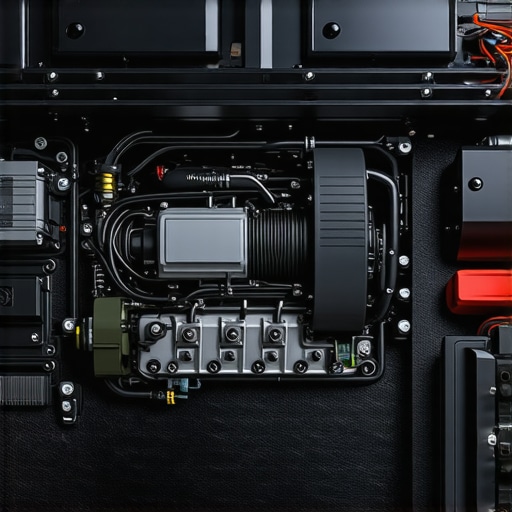
It happened during a routine oil change—my hands were greasy, and I decided to give the engine bay a quick spray to make everything look fresh again. Next thing I know, my engine’s electronic sensors started acting up, warning lights blinking like a disco party. I realized then that I’d crossed a line I shouldn’t have, and honestly, I felt a mix of frustration and embarrassment. If you’ve ever been there, you know the sinking feeling of risking damage just to keep your car looking good.
The Struggle of Cleaning Without Harm
The truth is, keeping your engine bay clean is more about technique than brute force. Many car owners, including myself at first, think that a quick spritz of water and a bit of soap will do the trick. But that’s a surefire way to splash water onto sensitive electronics, causing corrosion or short circuits over time. I learned this the hard way, and I bet you might be facing similar doubts—”Am I doing more harm than good?” This is precisely why understanding how to clean safely makes all the difference.
Many experts emphasize that water and electronics simply don’t mix well—especially in modern vehicles packed with sensors, wiring harnesses, and delicate modules. The key is to approach cleaning with a strategy that preserves those vital components while still maintaining a tidy-looking engine bay. I’ve tested and refined my own methods, which I’d love to share, so your car stays both clean and safe.
Regular maintenance and proper cleaning techniques are your best allies in avoiding electronic damage. In the next sections, I’ll walk you through my personal process—what works, what doesn’t, and how to turn a potential electronic nightmare into a manageable task. But first, let’s address a common concern I hear from fellow car enthusiasts—does careful cleaning really make a difference? Let’s dig into that.
Prepare Before You Start
Before you begin cleaning, disconnect your car’s battery to prevent accidental electrical shorts. Remove any loose debris using compressed air or a soft brush, much like sweeping dust from a computer. I once skipped this step and got a small spark, which was a quick reminder to always prep thoroughly.
Protect Sensitive Components
Use plastic bags or waterproof covers to shield electrical parts, sensors, and wiring harnesses. Think of it as wrapping your favorite gadgets to keep them dry during a rainstorm. I personally wrapped my wiring and sensors with plastic and secured them with rubber bands, which kept everything dry during the spray.
Choose and Mix Your Cleaning Solution
Use a degreaser specifically formulated for engines. Spray it generously on greasy areas and let it sit for 5-10 minutes, like applying stain remover on a tough spill. I’ve found that a foam-based degreaser clings better and reduces overspray, making the job cleaner and safer.
Agitate for Better Results
Use a soft brush or microfiber cloth to scrub away grime gently. Don’t forget to focus on stubborn spots, just like working on stubborn stains on clothes. I spent a few minutes scrubbing with a soft brush, which loosened built-up grease without damaging sensitive plastics.
Rinse Carefully
Use a low-pressure hose or spray bottle with water to rinse off the degreaser. Keep the spray at a distance to avoid forcing water into electrical areas. Think of watering delicate plants—you want to dampen without flooding. During my cleaning, I used a spray bottle and kept the nozzle at an angle, which prevented water from pooling around electronics.
Dry and Reassemble
Pat dry with a microfiber towel and allow the engine bay to air dry completely. Remove protective covers from electrical parts. Once dry, reconnect the battery and start the engine to ensure all systems work properly. I once forgot to dry a sensor properly, which caused a warning light—always double-check for moisture!
Maintain Regularly
Establish a routine to clean your engine bay every 3-6 months. This prevents heavy grease buildup and makes each cleaning session easier. Remember, a clean engine runs cooler and more efficiently, which can extend your vehicle’s lifespan. For more maintenance tips, visit this comprehensive guide.
Many car owners operate under the misconception that routine maintenance is solely about replacing parts on a schedule. While following a service timetable is important, the real nuance lies in understanding that not every issue requires immediate replacement or costly repairs. For instance, some believe that all warning lights mean urgent fixes, but often, these lights are just indicators of minor issues or outdated sensor readings, especially if the vehicle runs smoothly otherwise. **Accurate diagnosis is key—rushing into repairs based solely on dashboard signals can lead to unnecessary expenses.** An overlooked nuance is the importance of verifying *what’s normal* for your specific make and model, as variability can lead to misdiagnosis. For example, a slight vibration at idle may be dismissed, but it could be a sign of a failing idle control valve, as discussed in detail in this article.
### Why do so many fall for repair myths?
A common myth is that using cheap or generic parts will save money without sacrificing quality. In reality, some aftermarket parts can degrade faster, leading to repeated repairs and higher costs over time. Moreover, a prevalent mistake is neglecting the transmission fluid condition; many overlook small signs like delayed shifting or unusual whining, which can significantly shorten the transmission’s lifespan if not addressed promptly. As current experts recommend, regular transmission checks can prevent costly overhauls—more details can be found here.
### Be cautious with quick fixes that seem convenient
Quick fixes, like topping off fluids or resetting warning lights without proper diagnostics, might seem time-saving but often mask underlying problems. For example, ignoring a small fluid leak could lead to transmission failure, which is much more costly than a simple repair. In fact, many vehicle failures stem from neglecting the ‘silent’ signs, so establishing proactive maintenance routines is smarter. I’ve seen many assume that car service is just a matter of keeping everything clean or replacing parts on schedule, but the reality is far more complex and involves understanding the nuanced behavior of different components. Dive into this comprehensive guide to grasp how expert diagnosis can save money and extend your vehicle’s lifespan.
### Advanced question: Why do some cars develop recurring issues despite regular maintenance?
Many vehicle owners are puzzled when same problems crop up even after diligent servicing. This often stems from a failure to address root causes rather than symptoms. For instance, recurring brake issues might be caused by improper rotor installation or subpar quality pads, which may not be obvious without detailed inspection. Recognizing such nuances requires experience and knowledge that go beyond basic service routines. It’s crucial to work with professionals who understand the intricacies of your vehicle’s systems, as discussed in this article. Always ask if your repair provider is considering systemic problems and implementing long-term solutions.
Understanding these hidden nuances allows you to make smarter decisions, avoid unnecessary expenses, and ensure your vehicle remains reliable in the long run. When you grasp that not every warning signal or quick fix is what it seems, car maintenance becomes a proactive, rather than reactive, endeavor. Have you ever fallen into this trap? Let me know in the comments.Maintaining a reliable vehicle requires more than just basic knowledge; it demands the right tools, meticulous techniques, and a proactive mindset. Over the years, I’ve refined my toolkit to include specialized equipment that ensures precision and safety during repairs and maintenance. For instance, I swear by a digital multimeter for diagnosing electrical issues because it provides exact voltage readings, preventing guesswork that could lead to further damage. Additionally, a high-quality torque wrench is indispensable for tightening bolts to manufacturer specifications, which is crucial for components like wheel lug nuts and suspension parts. Using a calibrated torque wrench as demonstrated in this guide helps avoid over-tightening or under-tightening, both of which can cause costly repairs down the line.
Lessons That Change How You See Car Care
One of the most valuable lessons I learned is that patience beats rushing every time. Rushing to fix a warning light or skipping steps to save time often leads to more issues down the road. Taking the time to diagnose accurately and follow proper procedures can save you considerable money and frustration, especially when dealing with sensitive electronics or complex systems. Trusting expert advice and not cutting corners transformed my approach to car maintenance and helped me avoid costly repair cycles.
Another insight is that equipment really matters. Investing in quality tools, like a reliable multimeter or a calibrated torque wrench, isn’t just about convenience—it’s about precision. These tools empower you to perform repairs and inspections with confidence, making the difference between a temporary fix and a lasting solution. When I started using better equipment, I noticed my repairs held longer, and I gained a deeper understanding of my vehicle’s behavior.
Lastly, I realized that preventative maintenance is a form of respect for your vehicle. Regularly cleaning the engine bay, checking fluid levels, and inspecting belts can seem mundane, but they’re the frontline defenses against emergencies. A well-maintained vehicle runs more efficiently and is less prone to unexpected breakdowns. This proactive mindset has not only extended my car’s lifespan but also made driving safer and more enjoyable.
Tools and Resources to Keep You Moving Forward
Over the years, I’ve curated a set of resources that truly make a difference. This comprehensive guide provides detailed insights into auto repair, helping me understand the intricacies of modern vehicles. For specific tasks like transmission care, these tips have saved me from unnecessary rebuilds. Additionally, routine maintenance checklists remind me what to prioritize every few months. Lastly, investing in quality tools, such as a digital multimeter or a proper torque wrench, has paid off repeatedly, ensuring my repairs are precise and durable.
Embrace the Journey, Not Just the Destination
Car care might seem technical, but it’s really about nurturing a relationship with your vehicle. Each repair, each maintenance routine is a way of showing respect and care. Remember, every experienced mechanic started with a willingness to learn—so don’t shy away from tackling small projects. By taking proactive steps, asking the right questions, and using trusted resources, you’ll grow more confident and keep your car running smoothly for years to come.
Have you ever faced a repair that changed your perspective on car maintenance? Share your story below—I’d love to hear how your journey has transformed your understanding of vehicle care.