
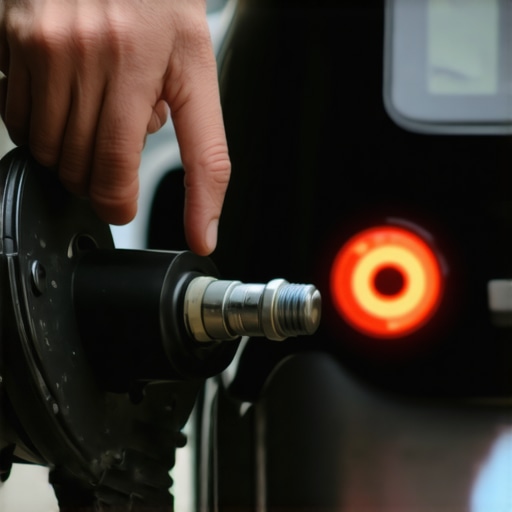
I remember the sinking feeling I got when my dashboard lit up unexpectedly, signaling a check engine light. I had just finished a quick fill-up at the gas station, and suddenly, my day was thrown into a tailspin. Turns out, that tiny gas cap I never paid much attention to was the culprit all along. It was an eye-opener—something so simple could cause so much confusion and anxiety.
Why Overlooking Your Gas Cap Could Cost You Big Time
Most of us don’t realize that a loose or damaged gas cap is one of the leading causes behind the dreaded check engine light illuminating. It’s easy to dismiss, but according to the experts at the National Highway Traffic Safety Administration, ensuring a tight seal on your fuel cap can prevent up to 30% of emissions-related trouble codes—those same trouble codes often trigger that mysterious warning glow on your dashboard.
From my own experience, jumping straight into complex diagnostics can lead to unnecessary repairs and expenses. Before spending hundreds at the mechanic, it pays to check the simplest thing first. If your vehicle’s gas cap isn’t sealing properly, it can cause fuel vapor leaks, leading to reduced fuel efficiency and increased emissions—and, of course, an annoying warning light.
Is the Buzz About Gas Caps Only Hype?
Early in my auto repair journey, I made a mistake I see many others fall into: assuming a check engine light always points to something pricey or complicated. But often, it’s just a loose gas cap. The good news? Fixing this is straightforward. Just a quick tighten or replacement can often resolve the issue entirely. If you’ve faced similar frustrations, you’re not alone. And knowing this simple fix can save you time, money, and a lot of unnecessary worry. Curious to learn how to troubleshoot this yourself? Keep reading—details are just ahead.
Start with a Visual Inspection of Your Gas Cap
Pull into a well-lit area and open your fuel door. Remove the gas cap and visually examine it for any cracks, warping, or signs of damage. Remember, a damaged or worn-out cap can’t seal tightly, leading to emissions trouble codes. During my first attempt at this, I realized my cap had a tiny crack that was barely visible but enough to trigger the check engine light. After replacing it with a new OEM cap, the warning reset after a couple of drives.
Ensure Proper Tightening of the Gas Cap
Place the cap back on, aligning it correctly with the threads. Twist it clockwise until you hear at least three clicks. These clicks indicate a proper seal. If your vehicle’s gas cap is stubborn or doesn’t click, it might be warped or incompatible, requiring replacement. I once struggled with a cap that refused to click; after trying a different, compatible cap, the warning light went off within a few trips.
Use the Check Engine Light as a Diagnostic Tool
After resealing, monitor your dashboard. Sometimes, the ECM (Engine Control Module) takes a few drive cycles to recognize the fix and turn off the check engine light. Drive your vehicle normally for several minutes, then check if the warning persists. If it stays on, there could be another underlying issue, but often, a simple reseat and tightening do the trick.
Perform a Reset if Necessary
Most modern vehicles will reset the check engine light automatically after successful diagnostics. If it doesn’t, you can use an OBD-II scanner to clear the codes manually. I recommend doing this to confirm your fix and prevent unnecessary visits to the mechanic. For detailed guidance on this process, visit this comprehensive guide.
Test Drive and Confirm
Finally, take your car for a short drive to ensure the warning doesn’t reappear. Keep an eye on the dashboard as you accelerate and decelerate. If the light remains off, you’ve successfully addressed the issue. Remember, regular inspection of your gas cap, especially after refueling, can prevent future problems and save you time and money.
Many car owners operate under misconceptions when it comes to auto repair, often believing that routine maintenance is just about ticking boxes or relying solely on quick fixes. However, as an expert in automotive diagnostics, I’ve seen how nuanced the process truly is. For instance, common myths like the idea that replacing parts immediately upon warning signs always prevents bigger issues can be misleading. Sometimes, a minor adjustment or a simple inspection reveals underlying problems before they escalate. It’s essential to understand that not all symptoms point directly to the obvious culprit; subtle signs often indicate deeper, hidden issues that only experienced technicians can detect.
What advanced diagnostic techniques can reveal issues that standard inspections miss?
According to a 2022 study by the Society of Automotive Engineers, employing advanced diagnostic tools — like computer-based system analysis and sensor testing — can uncover hidden faults, especially in complex systems like transmissions or braking modules, which are often overlooked by DIY diagnostics. Relying solely on visual checks or basic code readers can lead you into a trap of addressing symptoms rather than root causes.
Another nuance many drivers miss pertains to the importance of specific service intervals for different components. For example, transmission fluid isn’t a one-size-fits-all maintenance item; modern transmissions often require special attention at precise intervals, based on usage patterns and manufacturer recommendations. Ignoring these nuances can cause transmission wear that reduces longevity and performance. Regularly consulting a professional for transmission-specific checks ensures your vehicle remains in optimal condition.
Common myths also revolve around brake service—many believe that pad replacement alone is sufficient for safety. But neglecting the condition of rotors or brake fluid can lead to uneven braking, increased stopping distances, or even brake failure. High-quality brake service involves a comprehensive assessment, considering all components and their interactions. As explained in braking system reviews, a nuanced approach minimizes risks and extends the lifespan of your braking components.
Finally, understanding the implications of collision repair reveals another layer of nuance. Many assume that auto body work is purely aesthetic; however, improper alignment or subpar paint matching can compromise safety and vehicle integrity. For example, misaligned panels might affect sensor calibrations or safety features. Ensuring each repair adheres to precise standards, as discussed in restoration best practices, is crucial for both appearance and functionality.
In essence, the layered complexity of auto repair goes well beyond simple replacements or generic advice. Deep dives into each system, awareness of common pitfalls, and leveraging expert knowledge can prevent costly repairs down the line. Have you ever fallen into this trap? Let me know in the comments, and remember—approaching auto maintenance with a nuanced understanding often saves you more than just money.
Keeping It Working: Tools and Methods I Trust
Maintaining your vehicle’s performance over the long haul demands more than just routine checks; it requires precision tools and proven techniques to ensure everything runs smoothly. As someone who has spent years diagnosing and repairing various automotive issues, I can attest that investing in quality equipment pays off in durability and safety.
One tool I swear by is a high-quality OBD-II scanner like the BlueDriver. It provides real-time data and comprehensive diagnostics, allowing me to identify subtle issues before they escalate. Unlike generic code readers, BlueDriver connects via Bluetooth to my smartphone, displaying detailed codes and even manufacturer-specific information, which helps in fine-tuning complex components like transmissions or braking systems. Regular use of such scanners can help prevent costly repairs by catching problems early, especially in systems such as adaptive cruise control, which relies heavily on sensor calibration and software integrity.
Alongside diagnostic tools, I rely heavily on a precision multimeter—preferably a digital one like the
For maintenance routines like brake service or transmission checks, I use specialized equipment such as a calibrated brake pedal force gauge to measure brake pedal feel post-repair or after replacing components. This ensures consistent pedal action across different vehicles and driving conditions, which is crucial for safety and driver confidence. When dealing with transmissions, a tear-down cleaning kit with precise brushes and cleaning solutions helps in maintaining internal components without damage, prolonging the transmission’s lifespan and avoiding early failure.
Integrating software solutions into your routine, like the comprehensive diagnostic guide, provides insights into trends and emerging issues, especially useful as vehicle electronics become increasingly complex. I predict that in the future, diagnostic tools will become more AI-powered, offering predictive maintenance features—think of it as your car’s health tracker, alerting you to issues before they even manifest as warning lights.
How do I keep my car functioning smoothly over time?
The key lies in regular, proactive maintenance combined with the right tools. Using advanced diagnostics allows me to identify and address problems early, saving money and preventing breakdowns. If you’re serious about keeping your vehicle reliable, I recommend investing in a good OBD-II scanner and a multimeter—and developing a routine of checking and recording system data before minor issues become major repairs. Don’t forget to consult expert resources, such as these essential checks, to guide your maintenance schedule. Try out a diagnostic scan after your next long trip or oil change; it can reveal hidden issues and help you plan preventative measures effectively. For personalized assistance, reach out via our contact page.
Over years of working on vehicles, one lesson has consistently stood out: never underestimate the power of the simplest fix. A loose or damaged gas cap might seem insignificant, but as I learned firsthand, it can be the culprit behind dashboard warnings and costly diagnostics. Recognizing this small yet mighty component can save you time, money, and unnecessary worry.
What I Wish I Knew About Auto Repair to Save My Wallet
One of the most valuable lessons I learned is that many automotive problems originate from overlooked, seemingly minor issues. For example, a quick visual check of your gas cap can often resolve a check engine light without expensive repairs—something I wish I had understood early on. Carefully inspecting for cracks or warping prepares you to address problems proactively rather than reactively.
Secondly, proper tightening matters as much as the condition of your gas cap. A few audible clicks can seal your emissions system perfectly, preventing vapor leaks and the warning light from reappearing. It’s a small step that can make a big difference, and mastering this simple habit helps in maintaining your vehicle’s health.
Lastly, I’ve realized that diagnostic tools are game-changers. Investing in an OBD-II scanner like BlueDriver grants insight into your vehicle’s inner workings, enabling you to diagnose minor issues early. Combining visual inspections with quick scans makes auto maintenance approachable and cost-effective, keeping you in control of your car’s well-being.
Tools That Keep My Car Running Smoothly
Beyond the basics, I rely on specialized equipment to stay ahead. A quality multimeter such as the Fluke 117 allows me to troubleshoot electrical systems accurately, while a calibrated brake pedal force gauge ensures effective braking after repairs. For comprehensive diagnostics, software solutions like the ones explained in this guide help uncover hidden issues before they escalate.
In my toolbox, a tear-down cleaning kit aids in maintaining intricate components like transmissions, extending their lifespan and performance. Regularly updating my diagnostic approach guarantees my vehicle remains reliable. Remember, the right tools empower you to perform precise repairs and prevent minor issues from turning into major headaches.
This Is Your Moment to Take Charge of Vehicle Care
Auto repair doesn’t have to be daunting. With a keen eye for simple fixes like the gas cap trick and the right diagnostic tools, you control your car’s destiny. Embracing this proactive mindset means fewer surprises and more confidence behind the wheel. If you’re ready to dive deeper into maintaining your vehicle or have personal stories to share, I’d love to hear your experience—drop a comment below and let’s keep the conversation going!