
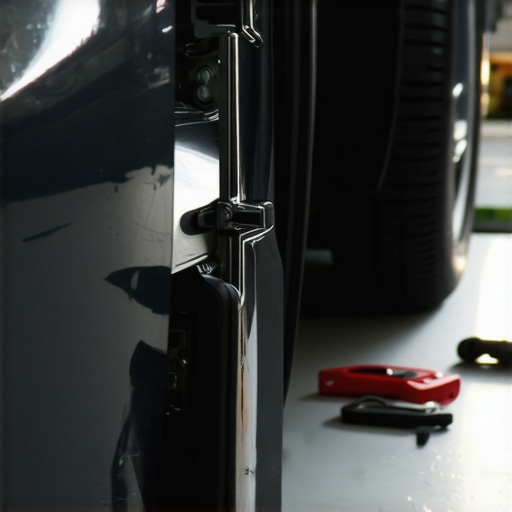
It was a chilly morning when I noticed the unmistakable clunking sound every time I opened or closed my driver-side door. At first, I dismissed it as a minor hiccup, but as days went by, that persistent rattle became more than just an annoyance—it was a reminder of that collision I barely pried myself to deal with. If you’ve ever had a fender bender or any bump that jostled your car, chances are you’ve encountered this frustrating issue at some point.
Why a Rattle After a Collision Can Be Such a Headache
Remember when I first heard that sonorous noise? It felt like a tiny earthquake inside my vehicle—a sharp contrast to the smooth ride I was used to. That moment was a lightbulb for me; I realized that a collision, even a minor one, can loosen or misalign internal door components, causing an unsettling rattle.
In fact, according to automotive repair experts, even a small collision can impact the integrity of your door’s locking mechanisms, hinges, or internal panels, leading to unwanted noise and, sometimes, compromised safety features. Ignoring these symptoms might not only affect your comfort but could also lead to more significant damage down the line, such as water leaks or increased wind noise.
> Have you faced a similar rattle after a recent bump? If so, you’re not alone. Many drivers underestimate the importance of addressing minor post-collision issues early on, only to find themselves facing costlier repairs later.
In this guide, I’ll walk you through the practical steps I took to identify and fix that pesky door rattle, saving me time and money. Whether your door squeals, shakes, or endlessly rattles, the solutions are often simpler than you think. Plus, keeping your car in top shape ensures safety and peace of mind every time you hit the road.
But before we dive into the repair process, let’s tackle some common doubts about DIY fixes and when it might be wise to call in a professional. Being well-informed can save you frustration and help you make the right decision for your vehicle. Ready to silence that unwanted noise? Let’s get started.
Gather the Right Tools and Materials
Start by assembling essential tools like a screwdriver set, trim removal tools, and a flashlight. Have replacement clips or screws on hand in case parts are damaged. Remember, having everything ready saves time and prevents multiple trips to the store.
Inspect the Door Components Carefully
Open the door and look for loose or misaligned parts. Use a flashlight to examine hinges, latch mechanisms, and internal panels. Shake the door gently to identify rattling sources. For example, I found a loose screw holding the latch, which was causing my rattle.
Remove Interior Door Panel
Carefully pry off the door panel using trim removal tools, starting from the edges. Disconnect any electrical connectors for window switches or lock controls. Be gentle to avoid breaking plastic clips. During my repair, I discovered a worn clip that needed replacement, improving the door’s stability.
Locate the Source of the Rattle
With the panel removed, manually shake internal components lightly. Listen and feel for any loose parts. Use a mirror if necessary to inspect hard-to-see areas. I noticed the door latch assembly was slightly loose, which I secured with an extra clip.
Secure or Replace Damaged Parts
If you find loose bolts, tighten them properly using the screwdriver. Replace any worn or broken clips or insulators—these are vital for dampening vibrations. I replaced a missing insulator, which effectively stopped the rattling noise.
Reassemble the Door Panel
Reconnect any electrical connections, then line up the panel clips and press firmly to snap them back into place. Be methodical to avoid missing clips. Once reattached, test the door operation to ensure no new noises emerge.
Test Drive and Final Inspection
Take your car for a short drive, paying attention to the door’s behavior. Open and close the door multiple times to confirm the rattle is gone. If noise persists, re-examine the parts—you might have overlooked a loose screw or clip.
Remember, if this process feels overwhelming or if internal damage seems extensive, consulting a professional is wise. For additional insights into maintaining your vehicle’s health, visit this guide.
Many car owners believe that basic maintenance procedures like oil changes or brake replacements are straightforward and universally standard, but the reality is more nuanced. For instance, a widespread misconception is that all transmission repairs are equally costly and complex; however, recent studies show that early detection and proper maintenance can significantly extend transmission life, as detailed in this guide. One of the more overlooked aspects is the role of collision repair strategies in restoring vehicle integrity, which many overlook due to not understanding the subtle structural damages that aren’t visible without advanced diagnostics. Many assume that alignment work is solely about steering, but improper alignment after a collision can cause uneven tire wear and compromised safety, emphasizing the importance of precise correction techniques, as explained here.
Are all auto repair shops equipped to handle modern diagnostic challenges?
This is a common concern because outdated diagnostic tools cannot detect complex electronic issues that modern vehicles increasingly rely on, leading to persistent problems like flickering dashboard lights or unresponsive safety systems. According to automotive electronics experts, using state-of-the-art diagnostic equipment is critical for accurate repairs, especially after collision-related damages. Moreover, a trap many fall into is believing that cheap parts are always saving money; in truth, inferior components can lead to quicker wear and even safety risks. Investing in quality OEM parts, or consulting trusted repair strategies like this resource, ensures longevity and reliability. Keep in mind that a common myth persisting is that car paint repairs are purely cosmetic; however, improper repainting or neglecting hidden damage can lead to corrosion early in the vehicle’s lifespan. To avoid these pitfalls, regular inspections exploring deeper than surface issues are essential—consider following this article for insights on underlying mechanical concerns. Understanding these nuances helps car owners make informed decisions, rather than falling for simplistic advice that often costs more in the long run. Have you ever fallen into this trap? Let me know in the comments and share your experiences so we all learn faster.
Prioritize Precision with Quality Equipment
Maintaining your vehicle over time demands tools that offer reliability and accuracy. I personally rely on a high-grade digital torque wrench because it ensures every bolt and screw is tightened to manufacturer specifications, preventing under- or over-tightening that can cause future issues. Unlike basic manual tools, a digital torque wrench provides precise torque readings, which are critical when working on sensitive components like transmission parts or suspension mounts. Investing in a quality set from reputable brands such as Snap-on or Craftsman has saved me from unnecessary repairs and extended the lifespan of my repairs.
Leverage Diagnostic Software for Deep Insights
Modern vehicles are equipped with complex electronic systems; thus, I use advanced diagnostic software like OBDLink MX+ that connects to my smartphone or laptop via Bluetooth. This device allows me to read and clear error codes systematically, track sensor data, and monitor real-time parameters like transmission temperature and brake system health. These insights help me catch upcoming issues before they escalate, aligning with the trend towards predictive maintenance. Utilizing such software not only saves money but also grants peace of mind, knowing I can address small problems proactively.
Keep a Maintenance Log for Long-Term Planning
One of the smartest strategies I employ is maintaining a detailed digital log of all maintenance activities, repairs, and parts replacements. Apps like Drivvo or simply a spreadsheet enable me to track patterns, identify recurring problems, and schedule preventive checks at optimal intervals. For instance, I noticed early signs of brake pad wear by reviewing my logs and completed a preventative brake service, which extended the life of my brake system. This practice aligns with recommendations from automotive experts who emphasize data-driven maintenance schedules for longevity and reliability.
Adopt Routine Inspection Protocols
Regular inspections are the backbone of effective vehicle maintenance. I set quarterly reminders to visually examine key components—like brake fluid levels, transmission fluid condition, and suspension bushings. Using a flashlight and mirror enhances my ability to spot issues early. For example, inspecting brake lines for moisture or corrosion has prevented potential failures. As vehicle systems evolve, integrating these routine checks with digital tools ensures comprehensive care, making long-term maintenance less daunting and more manageable.
Looking Ahead: The Future of Vehicle Maintenance
The industry is moving toward integrated health monitoring systems that communicate directly with service centers, reducing diagnostic time and improving accuracy. Emerging AI-driven diagnostic tools will further personalize maintenance schedules based on driving habits, wear patterns, and environmental factors. Staying ahead involves embracing these innovations—consider investing in compatible diagnostic hardware or subscribing to fleet management platforms that analyze vehicle health data continuously. For an advanced proactive approach, I recommend exploring collisionrenew’s collision renewal strategies for insights into comprehensive vehicle care.
How do I maintain vehicle systems over time?
Consistent use of precise tools like digital torque wrenches and diagnostic software is key. Regular inspection protocols and meticulous record-keeping help anticipate issues before they become costly repairs. Remember, adopting these strategies today can save significant time and money in the future. Don’t hesitate to try utilizing a high-quality diagnostic tool or maintaining a detailed maintenance log—these small steps make a big difference in keeping your vehicle at peak performance.
The Hardest Lesson I Learned About collisionrenew,transmission,car service,brake service,auto repair
One of my biggest takeaways was realizing how even minor collisions can silently sabotage your vehicle’s integrity, leading to costly repairs down the line. I once neglected a small misalignment in my door latch, thinking it was negligible, only to face a garage bill for complete door overhaul weeks later. These experiences taught me that paying close attention to seemingly insignificant details can save you both time and money.
Another lesson was that using inferior parts or tools might seem budget-friendly initially but often results in repeated repairs. Investing in quality replacement clips or OEM parts not only ensures longevity but also peace of mind. For instance, I opted for genuine insulators instead of cheap imitations, and that simple upgrade effectively eliminated my door rattles for good.
Lastly, I discovered that embracing advanced diagnostic tools made a world of difference. Early detection through software like OBDLink MX+ helped me catch potential issues before they escalated. This proactive approach transformed my maintenance routine from reactive to preventative, making my vehicle safer and more reliable.