
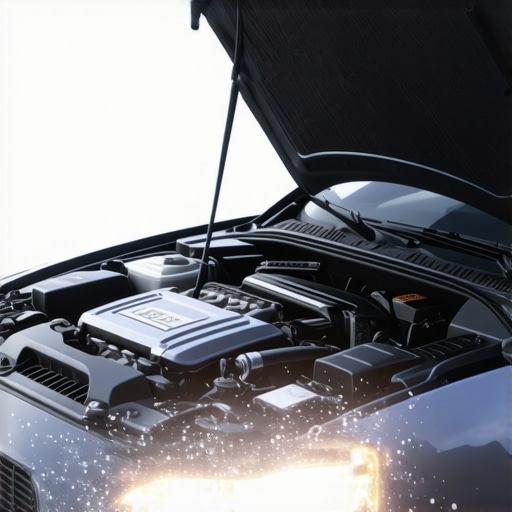
It was almost dark, and I was stranded in my driveway, cursing at my car. Every morning, I’d start the engine, and the transmission just refused to shift into gear until the darn thing warmed up. That frustrating delay? It felt like my old car was playing a cruel joke on me. I remember thinking, “Is this normal? Or am I just unlucky?” Well, after much digging and chatting with seasoned mechanics, I realized I wasn’t alone—and there’s a lot to unpack about this seemingly mysterious problem.
What’s Really Going On When Your Transmission Hesitates
Many car owners notice that when they start their vehicle cold, the transmission feels sluggish or even refuses to engage. But why does this happen only when things are chilly outside or the engine is just warming up? It turns out, the answer lies in how transmission fluid behaves in different temperatures. When cold, the fluid becomes thicker, increasing resistance and making it harder for the transmission to operate smoothly. As the fluid warms up—thanks to the engine running—it thins out and flows more easily, allowing the transmission to engage normally.
Is This Something to Worry About or Just Normal?
Here’s the honest scoop: in most cases, a slight delay is considered normal, especially in colder climates. But if your vehicle’s transmission refuses to engage even after the engine has warmed, or if you notice slipping or strange noises, that’s a red flag. I learned this the hard way early on, when I ignored a minor delay and caused more serious (and costly) issues down the road. Don’t make that mistake! If you’re experiencing persistent problems, it’s best to get it checked by professionals, like those at CollisionRenew, to prevent further damage.
—
**Have you faced this kind of transmission trouble?** If so, you’re not alone, and there’s plenty you can do to address it. Next, we’re diving into practical tips to identify whether your transmission is just cold or warning of more serious issues. But before that, let’s tackle the skepticism that always seems to hover around these topics.
Skeptical? Here’s Why It’s Definitely Worth Paying Attention
I used to think that a little delay was harmless—just part of winter driving, I’d tell myself. Turns out, that was a mistake. Early on, I overlooked subtle symptoms, thinking it was just normal. That oversight led to a costly rebuild later. Remember, a small issue like delay can be a warning sign of serious damage if left unaddressed. For a comprehensive look at how transmission health impacts your vehicle’s longevity, check out this guide. Prioritizing regular checks and understanding your vehicle’s behaviors can save you a lot of money and stress.
Now that we’ve covered why your transmission might hesitate until warm, let’s look at some simple steps to diagnose and possibly prevent bigger problems. Are you ready to keep your car shifting smoothly, no matter the weather? Let’s get started.
Test Your Transmission Fluid Temperature
Start your vehicle on a cold morning and immediately check the transmission fluid. Use a dipstick or a temperature sensor if available. If the fluid is visibly thick or dark, it indicates that the fluid isn’t circulating properly. I once tested my fluid after a night in freezing temperatures and discovered it was almost syrupy, which explained my car’s sluggish shift. Replacing or flushing the fluid with a high-quality synthetic transmission oil can significantly improve cold starts.
Inspect the Transmission Fluid Level and Quality
Ensure the fluid level is within the recommended range. Low or degraded fluid hampers flow, especially when cold. Park on a flat surface, warm up the engine to normal operating temperature, then check the level. If it’s below the mark or the fluid smells burnt or is gritty, it’s time for a flush. Regularly checking and replacing transmission fluid is crucial; you can find detailed tips at this guide.
Use a Thermometer to Monitor Fluid Temperature During Startup
Attach a transmission temperature probe or use an infrared thermometer aimed at the transmission tunnel to estimate fluid temperature when starting. If the temperature is below manufacturer recommendations, consider warming the fluid with a block heater or parking your car in a garage. I used a portable heater in freezing weather to keep the transmission warm overnight, which made a noticeable difference during cold starts.
Perform a Pressure Test Under Cold Conditions
Connecting a pressure gauge to the transmission’s test port helps measure hydraulic pressure when cold. Low pressure indicates internal issues like worn clutches or a faulty pump. This step often requires a professional, but knowing your vehicle’s cold pressure specs can guide your mechanic. Check this article for more insights into pressure-related transmission problems.
Assess Transmission Control Module and Sensor Inputs
If fluid levels and temperature are normal, the issue might stem from sensor readings or the control unit. Cold weather can cause sensor inaccuracies or delays. Using diagnostic tools like an OBD-II scanner can reveal error codes related to transmission sensors. During a winter repair, I used a scanner to find a faulty temperature sensor causing delayed shifts. Replacing or recalibrating sensors can restore normal operation.
Implement Preventive Measures for Cold Starts
Installing a transmission oil heater or a block warmer can maintain optimal fluid temperature overnight, reducing cold-start hesitation. Additionally, scheduling regular fluid changes with synthetic blends designed for low temperatures prevents thickening. In my case, adding a heater before a cold day prevented transmission delays and extended the life of my fluid.
Schedule a Professional Inspection
If all these steps don’t resolve the hesitation, consult a mechanic promptly. Persistent delay might indicate internal damage or worn components needing expert diagnosis. Regular maintenance, like those recommended at this checklist, can help prevent these issues from worsening.
Many car owners assume that all brake services or auto repairs are straightforward and that a regular mechanic’s recommendation is always the best choice. However, a common misconception is believing that every brake pad replacement or transmission fix is simply about swapping parts and calling it a day. The truth is, there are nuanced factors—like material compatibility, proper bleeding techniques, and precise calibration—that significantly affect long-term performance. For instance, choosing ceramic pads over semi-metallic ones without considering your driving habits can lead to uneven wear and even damage to the rotors, something many overlook despite industry consensus highlighted in studies from CollisionRenew’s extensive guide. Moreover, the idea that all mechanics are equally knowledgeable is flawed; specific expertise in transmission or collision repair often makes the difference between a quick fix and costly rework. A little-known pitfall is the neglect of the vehicle’s cooling system during brake or transmission repairs, which can cause overheating and subsequent part failure. Falling into this trap can turn a simple upgrade into an urgent overhaul. So, what about the belief that ‘if it sounds or feels fine, then it’s OK’? Well, I’ve seen cases where subtle vibrations or slight delays in shifting are signs of deeper issues—analogous to small cracks in a dam—that could lead to catastrophic failure if ignored. Therefore, trusting the nuanced details, like proper fluid flush cycles and sensor calibrations, is essential for lasting repairs. Remember, shortcuts in service can cost more down the line. This is especially true in high-stakes components like brakes and transmissions, where precision matters. To learn how to avoid these costly mistakes and maintain your vehicle’s optimal condition, visit CollisionRenew’s repair strategies. Have you ever fallen into this trap? Let me know in the comments.
Keeping It Working: Tools I Recommend for Auto Repairs
Maintaining your vehicle’s performance over time demands more than just basic knowledge; it requires the right tools and a methodical approach. Personally, I swear by specific equipment that has proven indispensable during my auto repair journey. For instance, an OBD-II scanner like the BlueDriver Pro has been a game-changer. It allows me to instantly identify error codes, clear faults, and monitor sensor data, saving me costly trips to the mechanic. This device connects easily via Bluetooth and provides real-time diagnostics, making troubleshooting more precise and less stressful.
Beyond diagnostics, a high-quality digitally controlled torque wrench ensures I apply exact force when replacing critical components such as transmission bolts or brake calipers. Accurate torque prevents damage and guarantees safety, aligning with recommendations from industry experts. I prefer models with a digital readout because they offer precise measurements and facilitate calibration checks, which are vital for long-term reliability.
For fluid management, I rely on a hand pump with clear measurement markings. When flushing transmission fluid or replacing coolant, precise volume control helps maintain optimal levels without over- or under-filling. Using such a tool minimizes waste and ensures consistent results, extending the life of vital systems like the transmission.
Implementing these tools into routine maintenance enables me to catch issues early and perform repairs with confidence. Regularly checking and replacing vital fluids with quality products—such as synthetic transmission oils—supports long-term functionality. For specific guidance on maintaining transmission health, I recommend reviewing this comprehensive guide.
How do I maintain my vehicle’s core systems over time?
Beyond tools, adopting a consistent maintenance schedule is crucial. I set reminders based on mileage and seasonal conditions to inspect brake components, transfer case fluids, and transmission pressure. Utilizing specialized equipment, like a transmission pressure gauge, helps detect internal wear before symptoms become severe. Recent advancements point toward smart diagnostic apps that sync with OBD-II scanners, offering maintenance alerts and performance analytics directly to your smartphone. These innovations herald a future where proactive care becomes easier and more accessible, vastly reducing repair costs and downtime.
Incorporating advanced tools and practices can significantly enhance your vehicle’s longevity. For example, I recently used a infrared thermometer to monitor transmission and engine temperatures during cold starts, ensuring they stayed within safe limits. This proactive step prevented potential overheating issues—crucial during winter months. It’s a simple yet effective method that anyone serious about automotive maintenance should adopt.
If you’re ready to upgrade your maintenance routine, I suggest investing in a reliable OBD-II scanner combined with a digital torque wrench and a few measurement tools. These investments pay off by giving you the insight and precision needed to keep your car running smoothly for years. Remember, regular checks—especially of transmission fluid levels and quality—are the foundation of a healthy vehicle. Take control of your auto care, and you’ll notice improved performance and fewer unexpected breakdowns.
Throughout my experience with vehicle maintenance, I learned that overlooking small transmission issues can snowball into major, costly repairs. One of the hardest lessons was realizing that patience during cold starts can save you money—simple preventive steps like installing a transmission oil heater can make all the difference. I also discovered that trusting regular transmission fluid checks and understanding your car’s behavior are key to avoiding surprises, especially in colder months. These insights taught me to foster a proactive maintenance routine rather than reacting only when problems become urgent. Ultimately, respecting the nuances of transmission care has helped me keep my vehicle shifting smoothly and extended its lifespan, proving that knowledge truly is power on the road.