
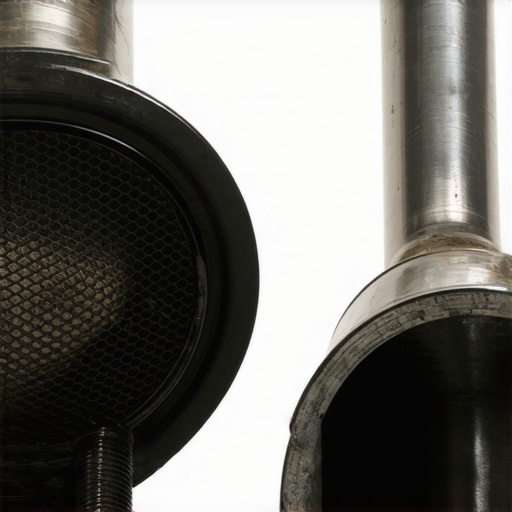
I still remember the afternoon I almost got rear-ended trying to merge onto the interstate. My old truck, which usually had plenty of pep, suddenly felt like it was towing a literal house. I floored it, the engine roared, but the speedometer barely budged. It was terrifying and, frankly, embarrassing. At first, I thought my transmission was slipping, but then I caught that unmistakable whiff of rotten eggs. I spent a whole weekend and about three hundred bucks replacing spark plugs and wires, convinced it was just a misfire, only to realize I was treating the symptoms while my catalytic converter was slowly suffocating my engine. That mistake taught me a valuable lesson: knowing the difference between a part that’s just showing its age and one that is physically blocked can save you a fortune in unnecessary parts. Today, I want to walk you through exactly how to tell if your car is just tired or if it’s truly choking to death.
Your Car is Suffocating and It Is Not Just Your Imagination
If you have noticed that the reason your car struggles to climb steep driveways has more to do with power loss than traction, you are likely looking at a restricted exhaust. When a catalytic converter clogs, it’s usually because the ceramic honeycomb inside has melted or become coated in soot. This creates backpressure that pushes exhaust gases back into the combustion chamber. It’s like trying to run a marathon while breathing through a cocktail straw. You might also notice the reason your car shakes while idling at a stoplight is becoming more frequent because the engine is struggling to clear out its own waste.
Do I really need to replace it or is this just a shop upsell?
I get the skepticism. Catalytic converters are notoriously expensive because they are filled with precious metals like platinum and palladium. You might wonder if you can just ignore the check engine light if the car still technically moves. The reality is that a truly clogged cat will eventually keep your car from starting at all. According to the Manufacturers of Emission Controls Association (MECA), most failures aren’t actually caused by the converter itself, but by upstream engine issues—like a leaking head gasket or a rich fuel mixture—that dump raw fuel into the exhaust and melt the internal structure. If you don’t find the root cause, you’ll just kill the new one too.
Symptoms That Scream Clogged Versus Just Old Age
An ‘old’ converter might throw a P0420 code because its chemical efficiency has dropped, but the car will still drive perfectly fine. A ‘clogged’ one, however, is a physical obstruction. You’ll feel a distinct lack of ‘get-up-and-go’ when you hit the gas. Sometimes, why your car smells like burning plastic or sulfur after a long drive is the biggest red flag you’ll get. If you’re looking for a comprehensive auto repair guide to help diagnose these nuances, you have to start with the heat test. A healthy cat should be hotter at the exit than the intake; if it’s the other way around, you’re looking at a blockage. Have you ever felt that sudden, scary loss of power while trying to pass someone on the highway? I’d love to hear how your car acted in the comments below.
Diagnosing a clogged exhaust requires moving from hunches to hard data. You do not want to drop a grand on a new converter only to find out your lack of power was actually because your transmission hunts for gears while climbing a hill due to a faulty sensor. The first real test I always recommend is the vacuum gauge method. Connect a vacuum gauge to a port on the intake manifold and watch the needle at idle. It should sit steady between 17 and 21 inches. Now, rev the engine to about 2,500 RPM and hold it. If the needle drops slowly toward zero, you have a physical blockage in the system. The engine is literally inhaling its own exhaled breath because the exhaust can’t get out fast enough. It is the most reliable way to prove the engine is suffocating without turning a single rusty bolt on the exhaust pipe itself.
Try the O2 Sensor Shortcut Before Buying Parts
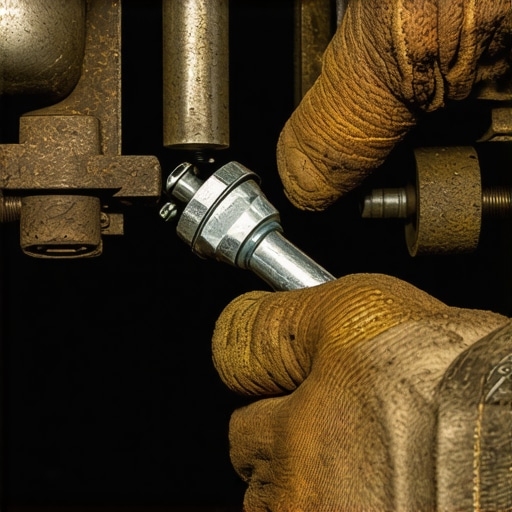
If the vacuum test is inconclusive, there is a dirtier, louder, and more definitive way to check for a clog. I call it the ‘breather’ test. You locate the upstream oxygen sensor—the one before the catalytic converter—and unscrew it. This creates a temporary ‘escape hatch’ for the exhaust gases. If the car suddenly regains its power and stops bogging down, you have confirmed the blockage is in the converter. I remember doing this on an old 1998 sedan that wouldn’t go over 30 mph. I pulled the sensor, and the car sounded like a tractor, but it suddenly had enough zip to chirp the tires. It was deafening, but it saved me from guessing and wasting money on fuel pumps I didn’t need. Just be careful; the exhaust coming out of that tiny hole is incredibly hot and can melt nearby plastic components if you drive it for more than a minute or two.
Look Beyond the Exhaust Pipe
A failed converter is almost always a victim, not the criminal. If you just swap the part, you are ignoring the essential car service checks to extend your vehicles life. You need to figure out why the internal honeycomb melted in the first place. Is your engine running too rich? If your engine makes a ticking sound like a sewing machine, you might have an exhaust leak upstream of the sensor that is tricking the computer into dumping too much fuel. That excess gas hits the hot catalyst and ignites, melting the ceramic core into a solid lump of glass. Similarly, if your transmission fluid smells like burnt toast, you are dealing with heat issues that might be systemic across the entire drivetrain. Always check your spark plugs and ignition coils first. A single misfire can dump enough raw fuel into the exhaust to ruin a brand-new converter in less than a hundred miles. Follow the ultimate guide to auto repair and treat the source of the heat, not just the melted metal at the end of the line.
Let’s dig deeper into the biggest mistake I see DIYers and even some ‘parts-changer’ shops make: assuming the part that failed is the actual problem. Everyone says you just need a new cat when the P0420 code pops up, but in my experience, the catalytic converter is the most misdiagnosed part in the entire exhaust system. If you replace the unit without fixing the rich fuel condition or the oil-burning issue that killed it, you are literally throwing fifteen hundred dollars into a furnace. I once saw a guy replace his converter three times in one year because he refused to believe that his engine makes a ticking sound like a sewing machine due to a manifold leak was actually the culprit. That tiny leak was letting air in, tricking the computer into dumping extra fuel, which then melted his brand-new parts.
Stop Throwing Money at Symptoms
The ‘Oops’ factor here is huge. Most people assume that if the code says ‘Catalyst Efficiency Below Threshold,’ the catalyst is the only thing to swap. However, the CarMD Vehicle Health Index consistently points out that faulty oxygen sensors and ignition misfires are the primary drivers of converter failure. If you don’t perform essential car service checks to extend your vehicles life, you’re just treating the smoke while the fire is still raging under the hood. Have you ever fallen into this trap of replacing the same part twice? Let me know in the comments. I’ve been there, and it’s a painful lesson in why diagnostic data beats a ‘gut feeling’ every time.
Can a fuel additive actually ‘unclog’ a melted ceramic core?
This is where the marketing myths get dangerous. You’ll see plenty of bottles claiming to ‘clean’ your catalytic converter and clear your check engine light. While these might remove some light carbon soot from the surface of the precious metals, they cannot fix a physical meltdown. Once that ceramic honeycomb has turned into a solid lump of glass because of extreme heat, no chemical in a bottle is going to melt it back into the correct shape. This is why the ultimate guide to auto repair emphasizes physical testing over ‘mechanic in a can’ solutions. If your vacuum test showed a drop, the part is physically obstructed and no detergent will save it.
Why a Bad Transmission Feels Like a Choked Engine
Another common nuance is the overlap between exhaust issues and drivetrain problems. Sometimes, the way your transmission shifts early and makes the engine bog down can feel exactly like a loss of power from a clogged exhaust. If the transmission is forcing the car into a higher gear too soon, the engine will struggle to gain RPMs, mimicking that ‘suffocating’ feeling. This is why I always check the transmission fluid and shift points before condemning an exhaust system. If your transmission hunts for gears on slight inclines, you might be looking at a pressure sensor or solenoid issue rather than a blocked pipe. Always look at the big picture of top transmission repair tips for long-term vehicle reliability to ensure you aren’t misdiagnosing a simple gear hunt as a thousand-dollar exhaust failure.
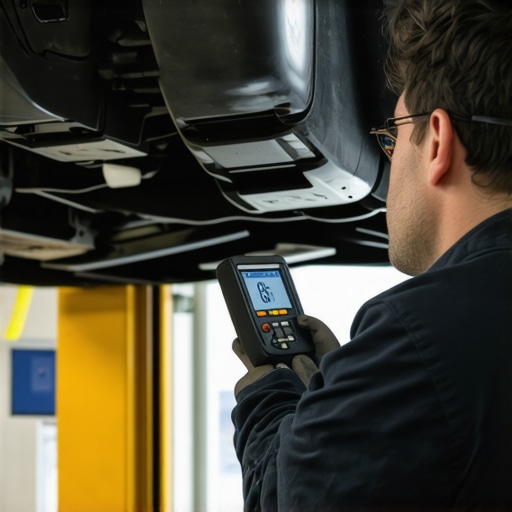
When it comes to my own garage, I do not rely on a fifteen dollar code reader from the corner gas station. To truly understand if your engine is breathing, you need to see fuel trims and oxygen sensor voltages in real-time. I personally use a bidirectional scan tool because it allows me to command the fuel system into different states. If you want to get serious, you need to look at essential car service checks to extend your vehicles life through the lens of live data. For example, if your short-term fuel trim is constantly adding twenty percent more fuel, you are on the fast track to melting your next converter. Even if you have mastered top transmission repair tips for long-term vehicle reliability, something as simple as how to tell if your alternator is overcharging your battery can be relevant, as voltage spikes can cause erratic sensor readings that trick your car into running rich.
Stop Relying on Cheap Code Readers
To accurately diagnose a blockage, I always keep a digital infrared thermometer in my top drawer. I prefer the Fluke 62 Max because its accuracy in the 500 to 900 degree Fahrenheit range is unmatched. By measuring the temperature at the inlet and the outlet of the converter, you can see the ‘light-off’ process. A healthy unit should be roughly 100 degrees hotter on the back end. If it is cooler, the chemical reaction has died. According to Section 203(a)(3) of the Clean Air Act and the detailed guidelines in the EPA Memorandum 1A, the legal requirements for replacement parts are strict because a failing exhaust system significantly increases NOx emissions. If you are noticing why your engine fan runs for 10 minutes after the car is off, your engine might be struggling with the extreme heat soak caused by a restricted exhaust path. 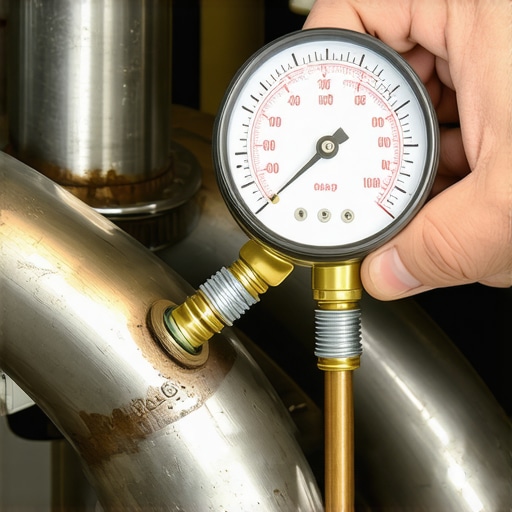
How do I prevent my catalytic converter from failing again?
Long-term maintenance is about preventing the ‘upstream’ issues that kill the hardware. This means never ignoring a misfire, even if it only happens when the engine is cold. I recommend a specialized fuel system cleaning every thirty thousand miles to keep injectors from dripping raw fuel. If your transmission fluid smells like burnt toast, it is a sign of overall systemic heat that can stress your entire drivetrain, including the exhaust hangers and seals. By following the ultimate guide to auto repair, you can create a schedule that catches these ‘silent killers’ before they turn into a two thousand dollar repair bill.
Prepare for the Rise of Gasoline Particulate Filters
Looking ahead, I predict we will see Gasoline Particulate Filters (GPFs) become standard on almost every vehicle by 2026. These are even more sensitive than the catalytic converters we have today. They will require specific low-SAPS (Sulfated Ash, Phosphorus, and Sulfur) oils to prevent clogging the filter’s fine pores. The days of ‘any oil will do’ are officially over. If you want to save yourself a massive headache later, I strongly suggest you grab a vacuum gauge this weekend and perform the 2,500 RPM hold test I mentioned earlier. It is the single most effective way to rule out a physical blockage before you let a shop talk you into replacing parts you might not need.
The Most Expensive Mistakes I Made Before Mastering Exhaust Diagnostics
I spent years thinking a Check Engine light was just an expensive order to buy new parts, but I eventually learned that the real reason your check engine light is on but the car runs fine is often a simple sensor error rather than a catastrophic failure. My biggest lightbulb moment was realizing that a catalytic converter acts as an incinerator; if you feed it too much raw fuel from a misfire, it will literally melt itself into a ceramic brick. I also discovered that why your engine fan runs for 10 minutes after the car is off can sometimes be a vital clue to the massive heat soak created by a restricted exhaust path. Now, I never touch a wrench to the exhaust bolts until I have confirmed the backpressure with a vacuum gauge first. It is the only way to be 100 percent sure you are fixing the cause and not just the victim.
The Essential Diagnostic Toolkit That Lives in My Service Bay
If you are serious about DIY, you need a few specialized tools to stop the guesswork. I always keep a digital infrared thermometer ready to check the inlet and outlet temperatures of the exhaust system. I also rely heavily on a quality vacuum gauge for that 2,500 RPM hold test we discussed earlier. To build a solid foundation for any repair, I suggest reading through the ultimate guide to auto repair to understand how different systems interact. Finally, do not overlook the importance of essential car service checks to extend your vehicles life, because catching a leaking fuel injector or a worn spark plug early is the only way to prevent your next converter from melting down. Having the right tools means you stop being a parts-changer and start being a true diagnostic expert.
#IMAGE_PLACEHOLDER_E#
Give Your Engine the Breath of Life It Deserves
Tackling a suffocating engine can feel overwhelming, especially when you see the price tags on replacement exhaust components. But remember, you are the one in control once you have the right data in your hands. By moving past hunches and using physical tests like the O2 sensor shortcut, you are mastering the most complex aspects of modern auto repair. Whether you are unblocking a choked exhaust or researching top transmission repair tips for long-term vehicle reliability, the secret is always to look upstream for the root cause. Don’t be afraid to get your hands dirty and perform these tests yourself this weekend. Your car will reward you with restored power, better fuel economy, and a much smoother idle. Have you ever had a shop try to sell you a new catalytic converter without actually performing a backpressure test? Let me know about your experience in the comments below.