
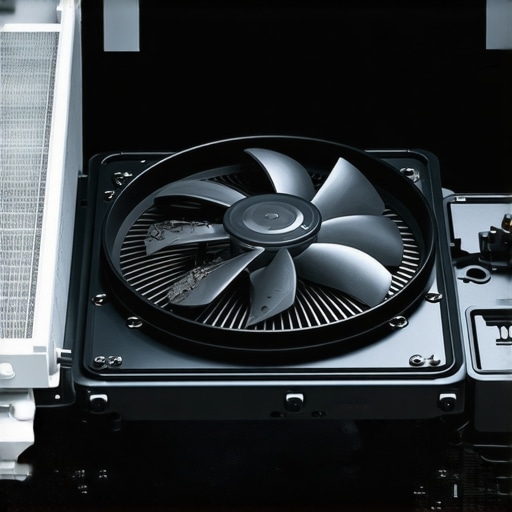
It was a scorching summer afternoon when I first realized my car wasn’t acting right. I was stuck in traffic, the heat reflecting off the asphalt, and suddenly, my dashboard warning light flickered on. A quick look under the hood, and my stomach sank — the radiator was bubbling over, and the fan refused to kick in. I had ignored minor signs for too long, and now I was paying the price. That moment taught me the hard way how critical it is to recognize the warning signs of a clogged radiator or a dead cooling fan. If you’ve ever felt that familiar heat creeping in or noticed your engine running hotter than normal, you’re probably wondering: “Is my radiator clogged or is my fan dead?”
Why Overheating Could Mean Trouble Ahead
Over time, debris, sludge, and mineral deposits can accumulate inside your radiator, impeding coolant flow — a condition known as a clogged radiator. Alternatively, your cooling fan, responsible for drawing air through the radiator, might have failed, rendering your cooling system ineffective. Both issues can cause your engine temperature to spike, leading to serious damage if left unchecked. And trust me, neglecting these signs can lead to costly repairs and even roadside breakdowns. During my early days of DIY auto care, I made a critical mistake — I assumed that occasional overheating was just a fluke. Wrong. Those small signs were my car’s way of crying for help, but I ignored them, and it almost cost me my engine.
Could You Be Missing These Simple Signs?
Before you panic, know that recognizing the difference between a clogged radiator and a dead fan can be straightforward. Small leaks, steam, or coolant odors can point to radiator issues, while inconsistent cooling performance or fan failure symptoms often indicate a dead fan. In my experience, catching these problems early can save you hours of stress and hundreds of dollars. If you’re unsure, check out the comprehensive guide at this resource for expert tips on maintaining your cooling system. But the key is: don’t wait until your car *actually* overheats — start noticing those early warning signs now.
Next up, I’ll walk you through how to troubleshoot your radiator and fan — so you can take action before it’s too late. Because when it comes to your car’s health, being proactive is always better than being reactive. And after all, nothing beats the peace of mind that comes with knowing your vehicle is ready for whatever the road throws at you.
Test the Radiator’s Flow
Start by inspecting the radiator for blockages. Locate the radiator cap when the engine is cool, then carefully remove it, using a rag for safety. Pour a small amount of coolant into a clear container. If the coolant flows unevenly or appears thick and muddy, it indicates a clog. I once drained the radiator, noticed sludge and debris blocking the flow, which confirmed my radiator was clogged. Flushing it with radiator cleaner followed by a water rinse cleared the obstruction, restoring proper flow.
Flush with Purpose
Drain all old coolant from the radiator and the engine block. Fill the system with a radiator flush solution—available at auto parts stores—and run the engine until it reaches operating temperature, then let it cool. Open the drain valve, then thoroughly flush with water until the water runs clear. This removes sludge buildup, preventing future clogs. I once skipped this step during a DIY repair, which led to a quick re-clog. Proper flushing is vital for ongoing health.
Check the Cooling Fan Functionality
Turn on the engine and let it idle. Turn on the air conditioning—this signals the fan to activate if it’s working properly. Observe the fan: it should spin within 30 seconds. If it remains still, the fan motor or relay may be dead. I remember testing mine by disconnecting the fan connector and jumpering the wires to see if it spun manually, which it didn’t, indicating a bad motor. Replacing the fan motor or relay fixed the issue swiftly. Test different fan speeds if your vehicle supports variable speeds.
Diagnose Fan Relay and Sensor Issues
Locate the relay panel (usually under the hood or dashboard). Swap the cooling fan relay with a similar relay from another system (like horn relay). If the fan activates, the relay was faulty. Next, test the coolant temperature sensor—a faulty sensor might not signal the fan to turn on. Use a multimeter to check resistance against the manufacturer’s specifications. In one case, I found a broken wire to the sensor, which I repaired, and the fan operated normally again. Accurate sensor signals are crucial for proper fan operation.
Ensure Proper Coolant Level and Condition
Low coolant levels can make the system think it’s overheating, causing the fan to turn on unnecessarily or not at all. Check the coolant reservoir—ensure it’s between the MIN and MAX marks. Use the recommended coolant type; mixing incompatible coolants can cause deposits. I once added water instead of coolant during a roadside fix, which led to corrosion and clogging. Flushing and replacing coolant at recommended intervals prevent this problem.
Monitor for Leaks and Damage
Inspect hoses, radiator, and water pump for leaks or cracks. Coolant leaks reduce pressure and flow, causing overheating. If you notice puddles or sweet smell, repair or replace damaged components immediately. I caught a small crack in a radiator hose during routine checks, and replacing it prevented a major breakdown. Regular visual inspections save time and money.
By systematically testing each component—radiator flow, fan operation, relays, sensors, and coolant level—you can pinpoint whether the issue is a clog or a dead fan. Early detection and repair prevent engine damage and keep your vehicle running smoothly. For detailed guidance on other essential car checks, visit this resource.
 Many car owners operate under the assumption that brake service is a simple matter of replacing worn pads, but this oversimplification often leads to overlooked nuances that can compromise safety and longevity. Contrary to popular belief, a squealing brake pad doesn’t always indicate new pads are needed; sometimes, its root lies in glazed pads or contaminated rotors, which require specific remedial actions as discussed in this insightful guide. Moreover, many assume that regular brake pad replacement suffices for maintenance, neglecting rotor resurfacing or brake fluid condition, both critical for optimal performance. Advanced technicians know that unnoticed corrosion or uneven pad wear can diminish braking efficiency, leading to increased stopping distances—an issue that’s often dismissed as a minor quirk. The trap here is assuming that all brake noises or vibrations are transient; in reality, they signal early signs of failure, and ignoring them risks catastrophic failure. For instance, a pulsating brake pedal might be mistaken for warped rotors, but in some cases, the issue could stem from contaminated brake fluid or caliper problems, which require different approaches. This is where understanding the real causes of brake squeal helps prevent unnecessary repairs.
But the misconception isn’t limited to brakes alone. Many believe that once a transmission shifts smoothly, no further checks are necessary until symptoms reappear. However, experts emphasize that transmission fluid is often the silent culprit behind shifting issues, even when everything else appears fine. A common mistake is neglecting fluid condition, which can lead to foaming, corrosion, and eventual failure. As highlighted in this detailed analysis, frequent fluid checks and timely flushes are key to ensuring long-term reliability. Overlooking early warning signs—like delayed engagement or strange noises—can accelerate deterioration, making repairs more costly.
Furthermore, many car owners fall prey to the myth that lifetime transmission fluid eliminates the need for maintenance. In reality, there’s no substitute for regular inspection and servicing. Experts caution that even sealed systems benefit from periodic checks, especially considering recent studies showing that neglecting fluid condition reduces transmission lifespan significantly (source). The key takeaway is that a proactive maintenance schedule tailored to your vehicle’s usage habits prevents complex failures down the line.
So, how can you avoid these pitfalls? Periodic comprehensive vehicle diagnostics, including brake and transmission assessments, are essential. Regularly consulting specialized resources—like this ultimate guide—empowers you with knowledge to catch issues early. Remember, a little extra effort in maintenance now can save you from costly repairs later. Have you ever fallen into this trap? Let me know in the comments, and stay vigilant to keep your vehicle running smoothly.
Equip Yourself with the Right Tools for Long-Term Success
Maintaining your vehicle’s transmission, brakes, and cooling systems requires more than just basic wrenches. I personally rely on a high-quality digital multimeter, such as the Fluke 117, which allows me to accurately diagnose electrical issues like faulty sensors or failing relays—a critical step often overlooked in DIY repairs. Pairing this with a dedicated coolant pressure tester helps me confirm radiator leaks or blockages without removing components unnecessarily, saving time and preventing further damage.
In addition, I swear by a mechanical puller set for tasks like rotor resurfacing or brake pad replacement. These specialized tools give you leverage and precision, reducing the risk of damaging parts during maintenance. For software diagnostics, I use an OBD2 scanner compatible with my vehicle make, which provides real-time data and trouble codes. This helps me identify issues such as transmission slip or sensor failures early, aligning with insights from trusted technical documents like the AA1Car diagnostics guide.
Methodology Matters: Embrace Systematic Troubleshooting
Rather than jumping straight into repairs, I follow a structured approach. Start with inspecting fluid levels and conditions—checking the transmission fluid’s color and aroma can reveal if contamination or foaming is present, indicating imminent failure. Then, I perform electrical tests with my multimeter on sensors and actuators, ensuring signals are within manufacturer specs.
For example, when my transmission delayed shifting, I referenced the top tips for transmission care to verify the condition of my fluid and sensors, leading me to a simple sensor recalibration instead of costly overhaul. Consistent checks and understanding the nuances of each component have saved me thousands in repairs over the years.
How do I uphold vehicle performance over time?
Even with the best tools, ongoing maintenance is key. Regularly replacing coolant and transmission fluid according to manufacturer recommendations ensures system longevity. Additionally, investing in quality diagnostic software tailored to your vehicle’s architecture future-proofs your maintenance routine. As technology advances, staying updated with the latest repair methods—like those covered in essential service checks—becomes invaluable, enabling you to catch issues early before they escalate.
Finally, always keep a log of diagnostics and repairs. This habit not only tracks the health of your car but also guides you when consulting professionals for complex problems. I recommend trying out an advanced diagnostic tool for your next service; it can reveal hidden issues and provide peace of mind that your vehicle is truly in top shape. Ready to take your auto maintenance to the next level? Visit our contact page to explore expert support and personalized advice.
What I Wish I Knew Before Ignoring Early Warning Signs
One of my biggest lightbulb moments came when I realized that subtle noises and minor vibrations were actually signals of deeper issues with my brake system and transmission. The most overlooked lesson? That routine inspections can prevent costly repairs and unsafe driving conditions. Ignoring a squealing brake, for instance, doesn’t mean it’s just annoying; it often indicates a need for rotor resurfacing or caliper checks, which can be done during regular service. Similarly, a slipping transmission might seem like a minor inconvenience at first, but it could be a sign of fluid degradation or internal wear—problems that are best addressed early. Learning to listen to my vehicle’s signals has transformed my approach from reactive to proactive, ultimately saving me time, money, and stress.
Tools and Resources That Changed My Maintenance Game
I trust several key tools and sources that make maintenance more manageable. A high-quality OBD2 scanner gives me instant trouble code insights, helping me diagnose issues like a slipping transmission or a sudden brake performance drop. Additionally, a reliable brake caliper piston tool allows me to perform brake pad replacements efficiently. For deep learning, I recommend resources like this comprehensive guide, which covers everything from brake service to transmission care. Books such as Auto Repair for Dummies have provided clear explanations that demystify complex systems, giving me confidence when tackling DIY repairs. Having the right tools and trusted knowledge makes all the difference in maintaining vehicle safety and longevity.
Taking Charge of Your Vehicle’s Well-Being
The final lesson is embracing a mindset of regular care and continuous learning. Schedule proactive inspections—think of them as health check-ups for your car. Don’t wait until you notice an issue; instead, follow a maintenance plan that includes fluid replacements, system diagnostics, and component inspections. Staying curious and informed—by reading blogs, watching tutorial videos, or consulting with experienced technicians—enables you to catch problems early. Every time I perform routine maintenance, I gain a deeper appreciation for how interconnected vehicle systems are, and I feel more in control knowing I can prevent problems before they escalate. Your car’s health depends on your vigilance—so invest in it wisely, and your vehicle will reward you with years of reliable service.