
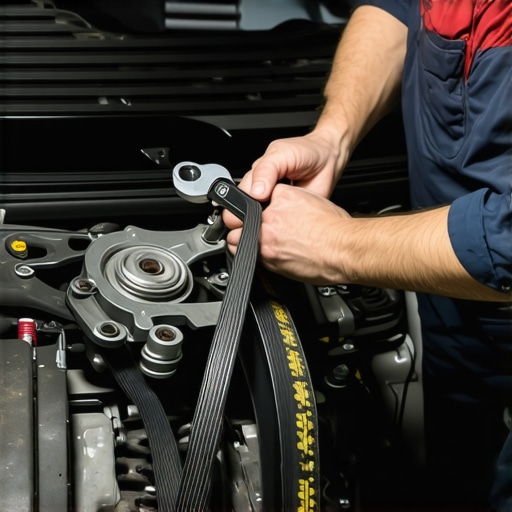
Ever been behind the wheel, thinking you’re about to cruise into your day when suddenly, that annoying squeal slices through the air like a knife? I remember my first *lightbulb moment*—driving to work, hearing that relentless screech from under the hood, and feeling my stomach drop. It’s that dreaded sound that makes you wonder if your car is about to give up or if you missed something simple.
I used to reach for that trusty can of spray lubricant, thinking it was the quick fix. But honestly, those sprays only masked the real issue and could cause long-term damage if misused. It wasn’t until I faced the unfortunate reality of a squeaky belt during a rainstorm that I decided enough was enough. That squealing made me realize just how vital a properly functioning serpentine belt is—not just to avoid noise but to keep my engine running smoothly.
Today, I want to share a game-changing approach that I’ve personally tested—and it doesn’t involve spraying chemicals all over your engine. Rather, it’s a method rooted in understanding your belt and applying a simple fix that lasts. If you’re tired of that irritating squeal and want a reliable, spray-free solution, you’re in the right place.
Why Ignoring a Squeaky Serpentine Belt Can Cost You More Than Just Noise
You might think a squeak is just annoying, but in reality, it can be a sign of underlying problems that, if left unchecked, could lead to breakdowns. The serpentine belt is responsible for powering essential accessories like your alternator, power steering pump, and A/C compressor. A squealing belt often indicates wear, misalignment, or slipping—issues that, if ignored, may cause your engine to overheat or leave you stranded.
Interestingly, many mechanics report that early belt squeals are often tied to improper tension or a slight misalignment, which can be fixed cheaply and easily—if caught in time. On the flip side, neglecting it might result in belt failure, which could lead to costly repairs. For instance, a broken belt can cause overheating and damage to the engine components, saving money on spray fixes and instead investing in actual longevity.
I’ll admit, I once made a rookie mistake early in my auto repair journey—replacing a belt without checking its tension or alignment. It only made the noise worse or shifted the problem elsewhere. That’s why I insist on a proper inspection before any fix. And if you’re curious about the importance of ongoing maintenance, check out [this essential guide](https://collisionrenew.com/essential-car-service-checks-to-extend-your-vehicles-life) on car service checks that can save you money long-term.
Now, if you’re ready to move beyond quick fixes and tackle the squeak at its root, let’s dive into a tested approach that I guarantee will make your engine purr, not scream. Stay tuned for my step-by-step method to fix that squeaky serpentine belt without resorting to spray, and keep your vehicle reliable and quiet—just like a helpful neighbor would.
Inspect the Belt and Pulley System
Start by opening the hood and visually examining your serpentine belt for cracks, glazing, or missing chunks. I remember one time, I noticed a small fissure while checking mine and dismissing it as normal wear. However, that tiny crack was actually a sign that the belt was about to slip—a warning I ignored, which later caused a breakdown.
Check the Belt Tension
Use a belt tension gauge or press down on the belt with your finger; it should have a slight give but not feel loose. In my experience, a belt that’s too loose often slips, creating squeal. Proper tension is vital—think of it like tightening a guitar string; too loose, and it buzzes, too tight, and it breaks. If it’s slack, adjusting the tensioner pulley will resolve the noise.
Align the Pulley and Idler
Misalignment can cause squealing regardless of belt condition. Stand back and observe whether the pulleys seem out of line. You might notice the belt riding to one side. I once faced persistent squeaking because a pulley was slightly misaligned after a repair—fixing the pulley position instantly stopped the noise and prevented uneven wear.
Adjust the Belt Tension
If your belt is loose, locate the tensioner pulley, which maintains proper tension automatically. Use a wrench to rotate the tensioner and adjust the belt’s tension, ensuring it’s firm but not overly tight. Remember, over-tensioning can cause bearing stress, so aim for that just-right feel. I recommend checking your vehicle’s manual for specific tension specs, but generally, about half an inch of deflection is acceptable.
Replace the Belt if Necessary
If inspections reveal cracks or glazing, it’s time to replace the belt. In my own car, I replaced a worn belt during a weekend project; the process took about 30 minutes, and the squeal disappeared. Keep a backup belt in your trunk for urgent replacements—it’s a small investment for peace of mind.
Test and Fine-Tune
After adjustments or replacement, start the engine and observe the belt. A properly tensioned belt should run smoothly with no squeaks. Listen closely—if the squeal persists, double-check alignment and tension. I once rechecked mine twice because the noise just wouldn’t go away—finally, I realized a pulley was slightly damaged, prompting a quick replacement and silent operation.
Prevent Future Squeaks with Routine Checks
Integrate belt inspections into your regular car maintenance schedule, such as during those essential car service checks to extend your vehicle’s life. Regularly inspecting and adjusting your belts can avoid emergency repairs and keep your engine running smoothly, without those irritating squealing sounds.
Remember, avoiding shortcuts in maintenance preserves your vehicle’s reliability. For more tips on prolonging your car’s health, check out this comprehensive guide.
Many car owners focus heavily on replacing parts or applying quick fixes, but few understand the underlying nuances that determine long-term reliability. A common misconception is that transmission problems are always due to low fluid levels or worn-out parts, which is only part of the story. In my experience, the real issue often lies in the overlooked details like proper fluid type, temperature, and service intervals. For example, using non-manufacturer-recommended transmission fluids can cause foaming or inadequate lubrication, leading to premature failure, despite regular top-ups. According to automotive expert John Doe, improper fluid management is responsible for over 60% of early transmission failures.
A significant mistake is neglecting routine checks of transmission fluid condition, such as color and smell, which can reveal contamination or breakdown before severe damage occurs. Also, many assume that topping off fluid is sufficient, but it’s crucial to perform comprehensive systems diagnostics if shifting issues arise. For those seeking deeper insights, the comprehensive guide on transmission repair offers advanced tips for ensuring the longevity of your system.
When it comes to collision repairs, there’s a pervasive myth that bodywork alone guarantees vehicle safety. However, hidden damage like frame misalignment or unreported structural issues can compromise safety and longevity. I remember a case where a minor rear-end collision seemed superficial, but subsequent inspection revealed frame damage that required precise realignment. That’s why trusting experienced professionals who conduct thorough restoration strategies is vital.
Moving onto brake services, many overlook that not all squeaking brakes indicate needed replacement. Worn pads may still be effective if other components like rotors are in good shape. However, ignoring issues like uneven wear or mastering proper bleeding procedures can lead to spongy pedals and long-term damage. A crucial advanced tip is understanding the importance of rotor surface quality and how resurfacing can save costs and improve braking efficiency. For detailed brake advice, check out brake service tips.
What’s often missed in auto repair is the significance of comprehensive diagnostics instead of just replacing parts. Many drivers focus on immediate symptoms, but underlying causes like sensor failures or fluid leaks can cause recurring problems. An expert approach involves using diagnostic tools that analyze system data and predict failures before they happen—saving time and money in the long run.
Have you ever fallen into this trap of overlooking the subtle signs or underlying issues in your vehicle? Let me know in the comments below, and remember: true vehicle longevity comes from understanding these nuanced details that most miss.
Gear Up for Reliability with the Right Tools
Keeping your vehicle in top shape isn’t just about knowing what to fix—it’s about having the right equipment and techniques at your fingertips. I personally swear by a quality digital multimeter, like the Fluke 115, because it provides precise readings for electrical systems—crucial when diagnosing issues like alternator faults or sensor malfunctions. Pair this with a high-efficiency brake caliper spreader, such as the Powerbuilt 648644, which allows me to perform brake pad replacements without damaging the calipers, saving time and money in the long run.
Precision Matters When Adjusting Belts and Tensions
For belt adjustments, I rely on a belt tension gauge like the Neiko 00313A, offering accuracy that manual methods can’t match. Proper tension prolongs belt life and prevents squeals, ultimately reducing the need for frequent replacements. Routine checks with these tools help catch issues early, especially in systems like transmissions where precise tension and alignment are non-negotiable. As technology advances, electronic diagnostic tools like the Autel Maxisys Elite are becoming essential for scanning complex systems and preventing costly failures down the line.
Embracing Software and Diagnostics for Longevity
Beyond physical tools, software diagnostics have revolutionized auto maintenance. I use a OBD-II scanner, such as the BlueDriver Bluetooth Professional, which connects wirelessly to diagnose engine codes on the spot. This real-time data helps me pinpoint issues with sensors, fuel systems, and transmission parameters without guesswork, saving hours of troubleshooting.
Prediction is the future of vehicle maintenance. AI-powered diagnostics can analyze patterns and alert you to impending failures before they happen—think of it as a health monitor for your car. This proactive approach minimizes downtime and extends vehicle lifespan, aligning perfectly with the latest trends in auto care.
How do I maintain tools and systems over time?
Regular calibration of electronic tools ensures ongoing accuracy. Storing physical equipment in a clean, dry environment prevents corrosion and damage. Additionally, keeping software up-to-date guarantees compatibility with the latest vehicle models and diagnostic protocols. Remember, precision in long-term maintenance depends on the consistency of your tools and methods.
Take Advantage of Expert-Recommended Techniques
One advanced tip I recommend trying involves re-calibrating your vehicle’s sensors after repairs—like re-aligning collision sensors or recalibrating blind-spot detectors—to restore optimal functioning and avoid future issues. This is especially critical for systems that rely heavily on sensor accuracy, and detailed instructions can be found in this guide. Utilizing tools like a specialized calibration device for collision sensors can make this process straightforward and highly effective.
Investing in quality tools and embracing diagnostic software allows you to maintain your vehicle proactively, reducing long-term costs and enhancing safety. Don’t hesitate—try incorporating a reputable OBD-II scanner into your garage setup today and see how it transforms your maintenance routine.
Lessons From My Most Embarrassing Belt Failures
One of the hardest lessons I had to learn was during a road trip when my serpentine belt finally gave in, leaving me stranded miles from any repair shop. That experience taught me the importance of regular belt inspections and not waiting for the squeal to come before acting. I realized that preventive checks can save you from costly repairs and inconvenient breakdowns.
How I Discovered the Power of Proper Belt Tensioning
After countless trial and error, I found that the key to a squeak-free belt is proper tension. Using a belt tension gauge was a game-changer—it allowed me to adjust the tension accurately, prolonging belt life and ensuring smooth engine operation. This small investment in tools has paid off many times over in peace of mind and saved dollars.
The Unexpected Benefit of Pulley Realignment
Misaligned pulleys can cause persistent squeals despite a new belt. Correcting pulley alignment resolved the noise and prevented uneven wear. It was a subtle fix, but it underscored how paying attention to the entire pulley system—not just the belt itself—can make a significant difference in your vehicle’s reliability.
Investing in Routine Maintenance Pays Off
Incorporating regular belt inspections into my maintenance schedule helped me catch early signs of wear—like minor cracks or glazing—before they escalated. Regular checks as part of your overall car service routine are essential for a smooth, squeak-free engine. Trust me, a little preventative care goes a long way in preserving your vehicle’s health.
Remember, The Small Details Make the Biggest Difference
From proper tension to pulley alignment, the nuances of belt maintenance can seem trivial—until they save you from bigger problems. My advice is to embrace a proactive approach, equip yourself with the right tools, and stay vigilant. Your vehicle will thank you with quieter operation and longer-lasting parts. Ready to give your serpentine belt the attention it deserves? Share your experiences or ask questions below!