
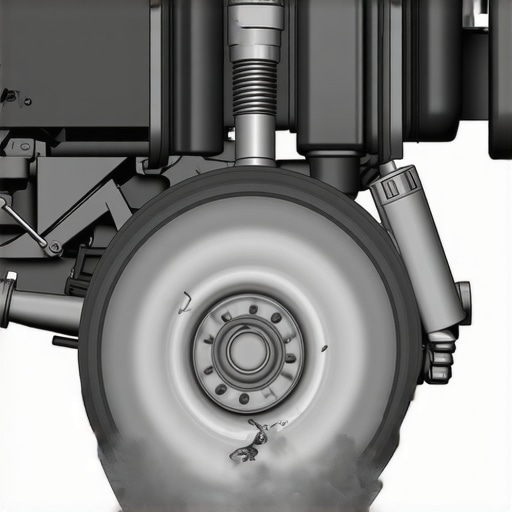
One evening, I was cruising home when I hit the brakes — and suddenly, my steering wheel jerked sharply to the right. It caught me off guard, and for a moment, I wondered if I’d somehow lost control. That lightbulb moment made me realize this wasn’t just a quirk—it’s a common issue many drivers face, and I knew I had to figure out what was really going on. If your car pulls to one side only when you brake, you’re not alone, and more importantly, it’s fixable. Today, I want to share the real reason behind this problem, based on my own experience and what I’ve learned in auto repair circles. We’ll also uncover the common mistakes that trip up even seasoned drivers and show you how to troubleshoot this issue before it turns into a costly repair.
Understanding Why Your Car Pulls When You Hit the Brakes
Inspect Brake Components Thoroughly
Start by examining the brake pads, rotors, and calipers for uneven wear or damage. For instance, I once noticed a warped rotor after a quick visual check, which caused the pulling. Remove the wheel, and compare the thickness of each brake pad—use a brake pad gauge or simply hold a ruler against the pad for accuracy. If uneven wear is detected, replacing or resurfacing the rotors often resolves the issue. Remember, uneven rotor surfaces cause uneven friction, leading to pulling during braking. For comprehensive guidance, check out this brake service guide.
Check for Hydraulic System Issues
Next, verify the brake fluid level and condition. Low or old brake fluid can cause inconsistent brake performance. Open the hood and inspect the brake fluid reservoir—if the fluid is dark or below the minimum line, it’s time for a flush. A contaminated fluid can impair caliper operation, causing pulling. Flushing the brake system with fresh fluid restores consistent pressure and improves safety. For detailed steps, visit essential car maintenance tips.
Assess Wheel Alignment and Suspension
Misaligned wheels or worn suspension parts can mirror brake issues. Take your car for a quick wheel alignment check—if the steering wheel vibrates or pulls even when not braking, alignment might be the culprit. In my experience, a minor alignment correction fixed a persistent pull. Additionally, inspect tie rods, ball joints, and shocks for wear or damage since these components stabilize your vehicle during braking. Proper alignment not only prevents pulling but extends tire life and enhances handling. Consider consulting a professional if unsure; auto repair guides offer excellent troubleshooting advice.
Examine Brake Master Cylinder and ABS System
Malfunctioning master cylinders or ABS sensors can cause irregular brake feedback. Test pedal feel: if the brake pedal feels spongy or sinks under your foot, the master cylinder might be compromised. Also, if your ABS warning light is on, diagnostic trouble codes can reveal sensor failures. I once replaced a faulty ABS sensor following an error code readout, which instantly stopped the car from pulling. Regularly servicing these systems ensures consistent braking force. For more on brake system diagnostics, see collision repairs.
Confirm Proper Tire Pressure and Condition
Lastly, always check your tire pressure and tread depth. Under-inflated tires or uneven tread wear cause directional instability. Use a reliable tire gauge to measure pressure—ensure all tires are inflated to the manufacturer’s recommended PSI, typically found in your owner’s manual or door jamb sticker. Properly inflated tires help maintain straight braking and reduce pulling. Remember, balanced tires and correct pressure complement your brake system in delivering smooth stops. Use this tire inspection method to verify even wear across all four wheels.Many car owners believe that transmission issues are always caused by low or old transmission fluid, but in my experience, this is a misconception. While fluid condition matters, the real culprit often lies in hidden wiring problems or sensor malfunctions that many overlook. For instance, a faulty wheel speed sensor can mimic transmission failure symptoms, leading drivers to unnecessary gear replacements. This highlights the importance of thorough diagnostics rather than jumping straight to costly repairs.
Another widespread myth is that all auto repair shops perform equally well; in reality, expertise, especially in complex systems like transmissions, varies greatly. Choosing a shop with specialized training and tools, such as understanding how a bad ground wire can mimic a transmission failure, can save you time—and money. For advanced tips, check out top transmission repair strategies.
One common mistake drivers make is thinking that ignoring minor slipping or rough shifting will resolve itself. This “wait-and-see” approach can lead to severe damage, especially if caused by overlooked issues like contaminated fluid or worn solenoids. Regular diagnostics, including electronic system checks, are crucial—so don’t delay your scheduled maintenance.
Have you ever fallen into this trap? Let me know in the comments! Remember, understanding the nuances of transmission and auto repair empowers you to make smarter decisions, avoiding costly pitfalls and extending your vehicle’s life. For a deep dive into effective repair strategies, visit this comprehensive guide.Maintaining your vehicle’s transmission, brakes, and overall system health requires not only proper knowledge but also the right tools. As a seasoned DIY enthusiast and auto repair advocate, I can attest that investing in quality equipment makes all the difference in achieving long-term results. For starters, a digital scan tool like the Autel MaxiCOM is invaluable. I personally use it to read and clear diagnostic trouble codes efficiently, especially when monitoring sensor malfunctions that might mimic transmission issues. This device connects via OBD-II port and provides comprehensive live data streams, helping me pinpoint problems quickly.
How do I keep my tools in top shape over time?
Regular calibration and proper storage are key. I store my diagnostic tools in a padded toolbox, away from moisture and extreme temperatures, ensuring their sensors and electronics stay precise. Additionally, I perform periodic updates through manufacturer software—most devices, including the MaxiCOM, support firmware updates that fix bugs and add new functionality, reducing the risk of misdiagnosis.
For fluid management, I recommend a high-quality vacuum pump like the Mityvac MV8000, which I’ve found indispensable for brake bleeds and transmission fluid exchanges. Unlike manual pumps, this electrical model offers consistent vacuum levels, saving time and reducing frustration. When performing a transmission fluid flush, I ensure I follow the steps outlined in top transmission repair tips. Proper tools and careful procedures prevent contaminants from entering your system, prolonging component life.
Threaded with automation and safety, a portable pressure washer is also worth the investment for bodywork and undercarriage cleaning. I use the Sun Joe SPX3000, which delivers adjustable pressure, avoiding damage while removing grime from brake components and suspension parts. This helps maintain optimal braking performance and suspension integrity, reducing the likelihood of uneven wear or accidents. Keep in mind, a clean system ensures your diagnostic readings are more accurate and repairs more effective.
What future trends can improve your maintenance routine?
Automated diagnostic tools integrated with cloud data are on the rise, promising faster fault detection and proactive maintenance suggestions. Incorporating AI-powered apps, like those offered by Tesla or OEM-specific software, will streamline troubleshooting and reduce downtime. As these technologies evolve, having a solid foundation with current tools like scanners and specialty equipment will keep you ahead of the curve.
For those looking to integrate a proactive approach into their DIY toolbox, I highly recommend trying out the electronic torque wrench. These wrenches not only tighten bolts to exact specifications but also log data for future reference. This precision is crucial for critical components like brake calipers or transmission mounts, where improper torque can cause long-term failures. Consistent, accurate tightening ensures your repairs stand the test of time.
Whether you’re a weekend warrior or just want peace of mind on the road, investing in targeted tools and proper maintenance methods is essential. Remember, regular diagnostics combined with quality equipment will save you money and extend your vehicle’s lifespan. For detailed maintenance strategies, explore this comprehensive guide. And don’t forget—try calibrating your scanner firmware periodically; it’s a straightforward step that significantly boosts diagnostic accuracy and reliability.
Lightning Moments That Changed How I Approach Car Repairs
One of my most unforgettable lessons came from an unexpected brake pull that nearly caught me off guard. It made me realize that the nuances of vehicle maintenance aren’t just technical—they’re deeply personal. Over the years, I’ve learned that every pull, squeak, or vibration tells a story about your car’s health, and understanding these signs can save you both money and peace of mind. The key is to listen, observe, and act wisely, knowing that in auto repair, the smallest detail often holds the biggest clue.
Tools and Resources That Transformed My DIY Routine
Investing in the right tools revolutionized my approach. I trust a quality scan tool like the Autel MaxiCOM for accurate diagnostics, which helps me identify issues quickly rather than throwing parts at the problem. A high-grade vacuum pump like the Mityvac MV8000 has been invaluable for fluid exchanges, ensuring thorough maintenance. Additionally, keeping up with industry insights through reputable guides like this comprehensive repair strategy has kept me ahead of common pitfalls. These tools and resources aren’t just accessories—they’re game-changers that empower you to handle complex repairs confidently.
Trust the Lessons Your Car Is Trying to Teach You
When I first started noticing subtle signs—a slightly uneven brake pedal or a faint steering wobble—I dismissed them as minor glitches. But ignoring these hints often leads to bigger problems down the road. My experience has taught me that every vibration or pull is a message from your car, urging you to check specific systems like your brake rotors, calipers, or suspension components. Developing this intuition not only extends your vehicle’s lifespan but also deepens your understanding of how your car truly works. Remember, mastery begins with paying attention to what your vehicle is telling you, and acting before small issues become costly repairs.