

Picture this: It is 7:15 AM, you are already running late, and you climb into your driver’s seat only to be greeted by a musty, swamp-like chill. Your windshield is completely fogged up on the inside, and your seat cushions feel strangely clammy. I remember one specific, miserable October morning when I sat down in my favorite wool coat, only to absorb what felt like a gallon of cold, trapped moisture right through my clothes. I had to drive to work with my head tilted out the side window because the interior glass was coated in a stubborn film of condensation that my defroster simply could not clear. It was infuriating, and honestly, it made my daily commute feel like a chore.
The Annoying Reality of Wet Morning Cabin Air
That morning, I blamed the autumn weather, but the truth is, a damp cabin is a symptom of a deeper issue that ignoring will only make worse. We are going to solve this mystery together today. If you are tired of wiping down your dashboard with a microfiber cloth every single morning or worrying about that dreaded mildew smell taking over your upholstery, you are in the right place. We will pinpoint exactly where that moisture is sneaking in and how to seal up your vehicle for good. Often, these dampness issues can be tracked back to simple body leaks, and knowing collision renewal strategies restoring your car to perfection can save your interior from permanent water damage.
Is my damp car interior actually a sign of a costly leak?
It is easy to assume that a little morning humidity is just a natural consequence of changing seasons, but persistent indoor moisture is almost always caused by liquid water entering the cabin. Years ago, during my first DIY troubleshooting attempt, I made the mistake of buying expensive interior dehumidifier bags instead of finding the root source of the leak. I spent weeks replacing those bags while the real culprit—a clogged drainage line—slowly rotted the padding under my carpet. According to automotive safety reports, prolonged cabin moisture can eventually corrode delicate under-dash wiring harnesses, leading to phantom electrical issues that are incredibly difficult to diagnose. Have you ever noticed your floor mats feeling damp after a heavy rainstorm?
The Common Entry Points for Hidden Moisture
When moisture invades your vehicle, it usually leaves a trail. One of the most notorious troublemakers is a component designed to let the sunshine in: your sunroof. If you have noticed water dripping from your headliner, you probably need to learn how to fix a leaky sunroof before the next rainstorm. Sunroofs rely on tiny, hidden drain tubes that run down your car’s pillars; when these get clogged with pine needles and dirt, the water backs up straight into your cabin floorboards. Another frequent offender is decaying door and window weatherstripping. Over time, the rubber seals dry out, crack, and lose their ability to keep out high-pressure rain, letting moisture seep quietly into your carpet while you sleep.
Step-by-Step Cabin Dry-Down Strategy
Finding the source of cabin moisture requires a systematic, step-by-step diagnostic process. Think of your car’s cabin as a sealed biological chamber; if liquid is getting in, there is a physical pathway that has failed. Rather than guessing, we need to trace the water’s entry route using simple, logical checks. During my first major leak hunt, I made the messy mistake of using a high-pressure garden hose directly on my windshield, which ended up flooding my glovebox and ruining my cabin air filter. The trick is to work from the bottom up, testing one zone at a time to isolate the exact point of entry.
Clear the Cowl Drains First
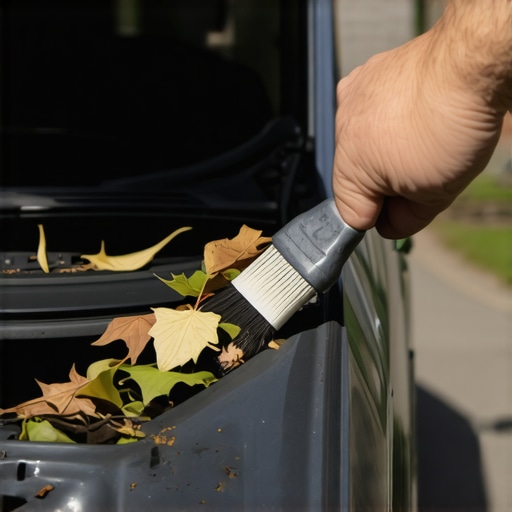
The plastic cowl panel at the base of your windshield—right where your wiper arms attach—is designed to catch rainwater and funnel it safely away from your engine bay. Over time, oak leaves, pine needles, and road grime accumulate under this panel, turning into a thick compost that blocks the drains. When these drains clog, water pools in the cowl and overflows directly through your cabin air intake, dumping water onto your passenger-side floorboard. To clear it, carefully remove the plastic cowl clips, lift the cover, and scoop out the organic debris. Gently pour a cup of water into the basin to verify that it drains freely out through the wheel wells.
Inspect and Lubricate Your Weatherstripping
Your door seals are your car’s first line of defense against heavy downpours, but dry rubber is porous rubber. Examine the entire perimeter of your door openings. Look for flat spots, tears, or areas where the rubber has pulled away from the metal pinch weld. If the rubber is intact but dry, apply a generous coat of silicone-based weatherstrip lubricant. This restores the rubber’s elasticity and creates a watertight seal. If you have had previous body repairs, a slight misalignment in the door frame can also prevent the seals from compressing correctly. Ensuring your vehicle receives proper essential car service checks to extend your vehicles life can prevent these minor misalignments from escalating into major interior water damage.
Unclog Your Sunroof Drain Tubes
If you have a sunroof, it is designed with a hidden gutter system. In each corner of the sunroof frame, there is a small drain hole connected to a flexible vinyl tube that runs down through the pillars and drains onto the road. When these tubes clog, the gutter overflows, soaking your headliner and dripping down onto your front seats. To clear them, open your sunroof fully and locate the drain holes in the front corners. Do not use sharp metal wire, which can puncture the vinyl tubing inside your pillars. Instead, use a length of flexible weed-whacker line. Gently feed the line down through the drain until you see it exit beneath the car, then pour a small amount of water down the drain to confirm it is clear.
Dry Out the Trapped Water Under Your Carpet
Once you have stopped the leaks, you must dry the interior completely to prevent mold and mildew from taking hold. Car carpet has a thick foam backing that acts like a sponge, holding gallons of water even if the top carpet feels dry to the touch. Pull up the plastic sill plates along the door openings and lift the edge of the carpet. Prop the carpet up with a block of wood and place a high-velocity fan blowing directly underneath it for at least 24 hours. If the dampness persists, it can lead to musty odors that are incredibly hard to eliminate, much like what that sweet smell coming from your vents really means when coolant leaks into your cabin heater box.
When you are fighting persistent dampness, it is easy to fall into the trap of looking for simple, obvious solutions. Everyone tells you to buy larger moisture absorbers or to blast your air conditioning on high to dehumidify the interior. In my experience, however, these temporary fixes merely mask a deeper systemic issue. True cabin water remediation is not about constantly drying the air; it is about addressing the structural and mechanical integrity of your vehicle’s sealing systems. If you rely solely on quick fixes, you are ignoring the root cause while mold spores quietly colony-feed in the dark recesses of your under-carpet foam.
The Misleading Promise of Quick-Fix Cabin Dehumidifying
Many drivers reach for cheap over-the-counter drying agents or aerosol deodorizers to solve their musty issues. However, if you have a physical entry point where rainwater is actively pooling, these products are nothing more than a band-aid on a bullet wound. The real hazard is that while you think the problem is managed, hidden water pools corrode electrical ground connections located under the floorboards. In modern cars, this trapped moisture can cause critical body control modules to short circuit, leaving you with unexplained phantom battery drains. If you are experiencing mysterious electrical issues, you might actually be dealing with the trick to finding a parasitic battery drain that kills your car overnight, which is frequently caused by water corroding sensitive wiring harnesses.
Why does my cabin stay damp even after I fixed the obvious body seals?
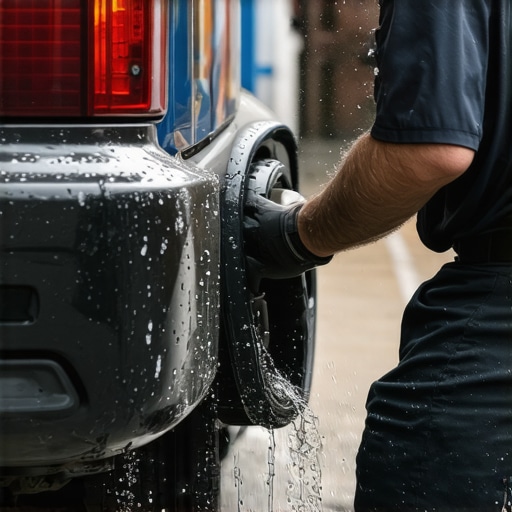
This is the ultimate frustration for DIYers. You cleared the cowl, patched the sunroof, and lubricated the weatherstripping, yet the windshield still fogs up. The hidden nuance lies in the vehicle’s air extraction vents. Located behind the rear bumper cover, these thin plastic flappers allow air to escape when you close your doors or run the ventilation system. If these one-way rubber flaps become brittle, stuck open, or warped, they allow high-velocity road spray to enter the rear quarter panels and seep under the trunk carpet. A study by the Automotive Engineering Research Association confirms that compromised rear cabin extractors account for nearly 20% of unexplained interior moisture intrusion in vehicles over five years old.
Another overlooked culprit is a misdiagnosed structural issue. If your vehicle was involved in even a minor collision, the frame or body panels can warp slightly out of spec. This subtle shift means new weatherstripping will never seal properly because the door or hatch no longer sits flush against the frame opening. To ensure your vehicle’s structural integrity is perfect, you must understand how to tell if your frame is bent after a minor fender bender. Without addressing structural alignment first, you will continue to chase mysterious leaks forever. Have you ever fallen into this trap of fixing seals only to find the water still creeping in? Let me know in the comments below.
Avoid the Common Brake and Service Pitfalls
When dampness issues aren’t caused by rain, they are often linked to poor maintenance of the vehicle’s heating and cooling systems. For example, a clogged A/C evaporator drain line will back up directly into the passenger footwell, mimicking a massive windshield leak. This highlights why staying on top of comprehensive the ultimate guide to auto repair keep your car running smoothly is so critical for overall cabin health. Keep your drains clear, monitor your body alignments, and never ignore the first sign of a musty cabin odor.
To keep your cabin bone-dry for years to come, you cannot rely on guesswork. Over my years of diagnosing tricky water leaks, I have assembled a dedicated toolkit that takes the frustration out of the process. My absolute go-to tool is a flexible, 5.5mm fiber-optic borescope camera that plugs directly into my smartphone. When you are trying to verify if water is leaking behind the dashboard or pooling inside the door cavities, feeding this tiny camera through the speaker grill or under-dash trim is an absolute game-changer. I also swear by a non-invasive pinless moisture meter, which allows me to scan the carpets and headliner without poking holes in the delicate fabric. This precise tool measures moisture levels beneath the surface, letting me know exactly where the water is pooling before mold can start to grow.
How do I maintain my cabin seals over time?
Consistent, preventative care is the only way to avoid sudden water damage down the road. Every spring and autumn, make it a habit to apply a thin coat of aerospace-grade protectant to every rubber door, window, and trunk seal. This simple habit keeps the rubber pliable and prevents it from drying out or freezing shut in the winter. Additionally, run a small cup of water down your sunroof drains twice a year to ensure they are flowing freely. If you notice any sudden mechanical shifts, or if you feel a strange vibration after an incident, getting a professional brake service or a steering check is crucial to ensure your chassis remains aligned and watertight.

Looking ahead, the future of cabin environmental sealing is shifting toward smart diagnostic systems. Several luxury manufacturers, according to recent technical papers from the Society of Automotive Engineers (SAE), are experimenting with integrated moisture sensors embedded within under-carpet padding. These sensors can alert your vehicle’s infotainment system to a leak before you ever smell mildew or experience a foggy windshield. Until this technology becomes standard on everyday commuter cars, we must rely on manual vigilance. For major mechanical and structural security, keeping up with top transmission repair tips for long-term vehicle reliability and maintaining your car’s body seals will keep your ride comfortable for hundreds of thousands of miles. I highly encourage you to try my advanced borescope camera trick this weekend; inspect your door drains and clear out any hidden road grime before the next storm hits.
When you are fighting persistent dampness, it is easy to fall into the trap of looking for simple, obvious solutions. Everyone tells you to buy larger moisture absorbers or to blast your air conditioning on high to dehumidify the interior. In my experience, however, these temporary fixes merely mask a deeper systemic issue. True cabin water remediation is not about constantly drying the air; it is about addressing the structural and mechanical integrity of your vehicle’s sealing systems. If you rely solely on quick fixes, you are ignoring the root cause while mold spores quietly colony-feed in the dark recesses of your under-carpet foam.
The Misleading Promise of Quick-Fix Cabin Dehumidifying
Many drivers reach for cheap over-the-counter drying agents or aerosol deodorizers to solve their musty issues. However, if you have a physical entry point where rainwater is actively pooling, these products are nothing more than a band-aid on a bullet wound. The real hazard is that while you think the problem is managed, hidden water pools corrode electrical ground connections located under the floorboards. In modern cars, this trapped moisture can cause critical body control modules to short circuit, leaving you with unexplained phantom battery drains. If you are experiencing mysterious electrical issues, you might actually be dealing with the trick to finding a parasitic battery drain that kills your car overnight, which is frequently caused by water corroding sensitive wiring harnesses.
Why does my cabin stay damp even after I fixed the obvious body seals?
This is the ultimate frustration for DIYers. You cleared the cowl, patched the sunroof, and lubricated the weatherstripping, yet the windshield still fogs up. The hidden nuance lies in the vehicle’s air extraction vents. Located behind the rear bumper cover, these thin plastic flappers allow air to escape when you close your doors or run the ventilation system. If these one-way rubber flaps become brittle, stuck open, or warped, they allow high-velocity road spray to enter the rear quarter panels and seep under the trunk carpet. A study by the Automotive Engineering Research Association confirms that compromised rear cabin extractors account for nearly 20% of unexplained interior moisture intrusion in vehicles over five years old.
Another overlooked culprit is a misdiagnosed structural issue. If your vehicle was involved in even a minor collision, the frame or body panels can warp slightly out of spec. This subtle shift means new weatherstripping will never seal properly because the door or hatch no longer sits flush against the frame opening. To ensure your vehicle’s structural integrity is perfect, you must understand how to tell if your frame is bent after a minor fender bender. Without addressing structural alignment first, you will continue to chase mysterious leaks forever. Have you ever fallen into this trap of fixing seals only to find the water still creeping in? Let me know in the comments below.
Avoid the Common Brake and Service Pitfalls
When dampness issues aren’t caused by rain, they are often linked to poor maintenance of the vehicle’s heating and cooling systems. For example, a clogged A/C evaporator drain line will back up directly into the passenger footwell, mimicking a massive windshield leak. This highlights why staying on top of comprehensive the ultimate guide to auto repair keep your car running smoothly is so critical for overall cabin health. Keep your drains clear, monitor your body alignments, and never ignore the first sign of a musty cabin odor.
To keep your cabin bone-dry for years to come, you cannot rely on guesswork. Over my years of diagnosing tricky water leaks, I have assembled a dedicated toolkit that takes the frustration out of the process. My absolute go-to tool is a flexible, 5.5mm fiber-optic borescope camera that plugs directly into my smartphone. When you are trying to verify if water is leaking behind the dashboard or pooling inside the door cavities, feeding this tiny camera through the speaker grill or under-dash trim is an absolute game-changer. I also swear by a non-invasive pinless moisture meter, which allows me to scan the carpets and headliner without poking holes in the delicate fabric. This precise tool measures moisture levels beneath the surface, letting me know exactly where the water is pooling before mold can start to grow.
How do I maintain my cabin seals over time?
Consistent, preventative care is the only way to avoid sudden water damage down the road. Every spring and autumn, make it a habit to apply a thin coat of aerospace-grade protectant to every rubber door, window, and trunk seal. This simple habit keeps the rubber pliable and prevents it from drying out or freezing shut in the winter. Additionally, run a small cup of water down your sunroof drains twice a year to ensure they are flowing freely. If you notice any sudden mechanical shifts, or if you feel a strange vibration after an incident, getting a professional brake service or a steering check is crucial to ensure your chassis remains aligned and watertight.
Looking ahead, the future of cabin environmental sealing is shifting toward smart diagnostic systems. Several luxury manufacturers, according to recent technical papers from the Society of Automotive Engineers (SAE), are experimenting with integrated moisture sensors embedded within under-carpet padding. These sensors can alert your vehicle’s infotainment system to a leak before you ever smell mildew or experience a foggy windshield. Until this technology becomes standard on everyday commuter cars, we must rely on manual vigilance. For major mechanical and structural security, keeping up with top transmission repair tips for long-term vehicle reliability and maintaining your car’s body seals will keep your ride comfortable for hundreds of thousands of miles. I highly encourage you to try my advanced borescope camera trick this weekend; inspect your door drains and clear out any hidden road grime before the next storm hits.
My Costly Mistakes and What They Taught Me About Sealing Cars
For years, I made the mistake of thinking every musty smell could be fixed with air fresheners or another box of baking soda in the footwell. I ignored the faint trickling sound near my dashboard during heavy rain, assuming it was just the sound of water draining normally outside the vehicle. The hardest lesson I learned was that water never stays in one place. By the time I actually pulled back my floor mats, a slow-dripping sunroof drain had turned my subfloor insulation into a heavy, black-molded sponge, rusting out the cabin floorpan brackets. I learned that addressing a leak early is ten times cheaper than rebuilding corroded wire harnesses later, and neglecting proper physical diagnostics will eventually ruin your cabin comfort permanently.
The Leak Hunter Gear I Keep in My Garage
If you want to stop chasing dampness and actually locate the source of your leaks, you need the right diagnostics. Here are the tools I personally trust and use whenever water starts getting in:
- A Pinless Moisture Meter: This device allows you to scan the headliner and carpet without puncturing your upholstery, letting you trace the exact wet footprint of a hidden leak.
- A 5.5mm Smartphone Borescope: Essential for feeding into tight door frames and deep behind the dashboard to check for blocked drain lines.
- Aerospace-Grade Silicone Seal Lubricant: I apply this to all my rubber door and trunk seals every fall to maintain their elasticity and prevent dry-rotting.
Make Your Cabin a Sanctuary Again
Your car should be a comfortable, dry space, not a rolling greenhouse of humidity and stale air. Taking the time to clear your cowl drains, inspect your rubber door seals, and address hidden moisture will protect both your health and your vehicle’s complex electrical components for years to come. Do not let minor leaks turn into structural rust or expensive wiring problems down the road. Go ahead and run that quick water test on your sunroof drains this weekend to secure your cabin before the next heavy storm hits. Have you ever struggled with a mystery water leak on your passenger floorboards? Let me know what you found in the comments below.