
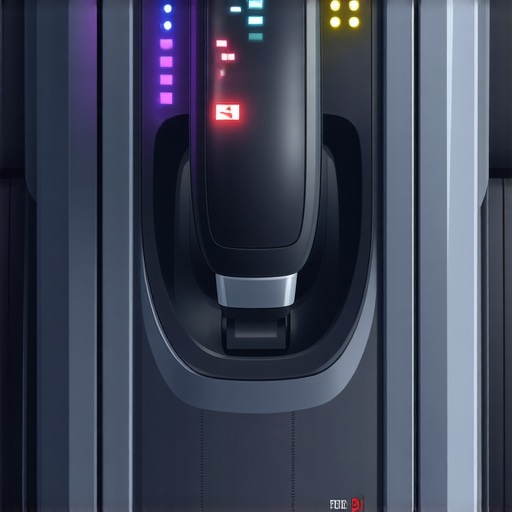
I remember the exact moment I felt my heart skip a beat while on the highway—my car suddenly lurched, and the transmission slipped into neutral without warning. That unsettling experience was a lightbulb moment for me; I realized how dangerous it is when your vehicle unpredictable shifts can compromise safety and lead to costly repairs.
Understanding the Hidden Dangers of Unintentional Neutral Shifts
When your vehicle unexpectedly shifts into neutral while driving, it’s easy to dismiss it as a minor glitch. But in reality, this problem can be a sign of deeper issues lurking beneath the surface—issues that, if left unaddressed, can cause accidents or leave you stranded. The scariest part? Many drivers, including myself early on, ignore these symptoms until they’re too severe.
This is exactly what prompted me to dive into the root causes and actionable solutions. Today, I’ll share what I’ve learned from personal experience and expert insights, so you don’t have to face the same frightening surprises on the road. We’ll explore common reasons behind this behavior and how regular maintenance can help prevent it.
Are you worried about your car unexpectedly shifting gears or slipping into neutral? If so, you’re not alone. Many drivers experience this, and it’s crucial to address it early before it turns into a costly repair or safety hazard. Plus, catching these issues early can save you from more significant headaches down the line.
For a comprehensive understanding of how to keep your car running smoothly and avoid unexpected surprises, I recommend checking out [The Ultimate Guide to Auto Repair](https://collisionrenew.com/the-ultimate-guide-to-auto-repair-keep-your-car-running-smoothly). It offers practical tips and expert advice on maintaining your vehicle’s health.
In the next sections, we’ll get into the nitty-gritty—diagnosing the problem and understanding why your transmission might be acting up. But first, let me share a common mistake I made early in my DIY repair journey that could have made things worse—so you can avoid the same pitfall and approach this issue with confidence.
Identify the Symptoms Clearly
Start by noting when the neutral shifts occur: during acceleration, deceleration, or at specific speeds. For example, I once noticed my car slipped into neutral every time I braked at a red light, which prompted me to investigate further. Recognizing precise patterns helps target the root cause instead of guessing randomly.
Inspect the Transmission Fluid
Low or dirty transmission fluid is often a culprit behind shifting issues. Check the fluid level with the dipstick—ensure the vehicle is on a level surface and the engine warmed up. If the fluid appears dark, gritty, or smells burnt, it’s time for a change. Regularly reviewing and maintaining your transmission fluid—refer to this guide—can prevent many transmission problems.
Examine the Transmission Control Module (TCM)
The TCM acts like the brain of your transmission, managing shifts based on sensor inputs. If it malfunctions, erratic shifting, including unintended neutral shifts, can happen. Use a scan tool to check for error codes related to the TCM. If errors are present, a professional reset or reprogramming may be necessary—consult an expert or visit a trusted auto repair shop.
Test the Shift Linkages and Cables
Loose or worn shift linkages can cause your gear to default into neutral unexpectedly. To test, put the car in park, then move the shifter through all positions, paying attention to any looseness or resistance. Tighten or replace damaged components. Think of it like adjusting a bike’s gear shifter—it must move smoothly for correct gear engagement. During my repair, I cleaned and lubricated the shift linkage, which resolved the slippage issue.
Evaluate the Clutch System (Manual Transmissions)
If your car has a manual transmission, a worn clutch can cause difficulty in shifting and unintentional neutral states. Perform a simple test: while stationary, press the clutch and shift through all gears, noting any slipping or grinding. If necessary, replace the clutch disc or consult a mechanic—this link offers detailed guidance on clutch repairs: clutch troubleshooting.
Consider the Valve Body and Solenoids
The valve body directs hydraulic fluid to activate gears. Worn or clogged valves can cause irregular shifts, leading to unintended neutral. Diagnosing this issue often requires a professional. During my own experience, a mechanic disassembled and cleaned the valve body, restoring proper function. Regular transmission service, as discussed here, can prevent buildup that causes similar problems.
Schedule a Professional Diagnosis
If basic checks don’t resolve the issue, it’s time to consult an expert. A qualified technician can perform a comprehensive diagnosis, including testing wiring, sensors, and internal components. Don’t wait for the problem to worsen; early intervention saves money and enhances safety. When I faced persistent shifting troubles, a detailed inspection by my mechanic uncovered a failing transmission solenoid, which was replaced efficiently.
Preventative Maintenance is Your Best Strategy
Consistent attention to your transmission fluid levels, quality, and regular services significantly reduce the risk of sudden shifts. Think of it like maintaining a bicycle; regular oiling and adjustments keep everything running smoothly.
Many drivers believe that regular oil changes alone will keep their transmission in perfect shape, but in reality, there’s a much deeper nuance that most overlook. The myth that transmission fluid alone determines the longevity of your transmission is widespread, yet studies show that neglecting other critical components can lead to premature failure. For instance, issues like failing to check the condition of the valve body or ignoring warning signs like delayed shifts or slipping can significantly harm your vehicle’s performance. In fact, some car owners assume that a minor hesitation during gear shifts isn’t urgent—this is a dangerous misconception. Advanced diagnostics reveal that symptoms such as erratic shifts often point to worn-out solenoids or clogged filters, which require timely professional attention. Have you ever fallen into this trap? Let me know in the comments. Additionally, many mistakenly believe that all auto repair shops provide the same level of service, but choosing an untrustworthy shop can lead to unnecessary repairs or worse, permanent damage. To avoid this, it’s wise to consult experts who prioritize transparency and quality, such as Collision Renew, which offers comprehensive diagnostics and repairs to restore your vehicle’s reliability. Furthermore, a common oversight involves the brake system. While new brake pads might seem sufficient, neglecting to inspect the hydraulic system or rotors can result in uneven wear and reduced safety. Experts recommend periodic brake fluid flushes and rotor inspections, as outlined in the detailed guides on brake service. Understanding these nuances is crucial for maintaining your vehicle’s health and avoiding costly repairs. Regularly scheduled maintenance, including checking the condition of your transmission’s internal components and brake hydraulics, can save you significant time and money. For a holistic approach, explore how Collision Renew specializes in restoring your car to peak condition through strategic repairs and maintenance strategies. Remember, proactive care and expert advice are your best tools to keep your vehicle running smoothly and safely.
Investing in Your Vehicle’s Longevity with the Right Tools
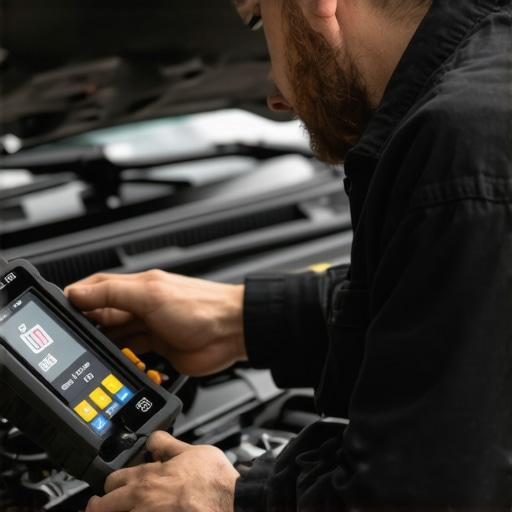
Maintaining your car, especially critical components like the transmission and braking systems, requires more than just routine visits to the shop. As someone deeply involved in auto repair and maintenance, I rely on specialized tools that enhance diagnostic precision and ensure effective repairs. My favorite is the OTC Genisys Auto Diagnostics Scanner. This device offers comprehensive ECU and TCM readings, allowing me to detect issues early, such as erratic shifting patterns or slipping brakes, before they escalate. Its user-friendly interface and extensive compatibility make it indispensable in my toolkit, especially when diagnosing complex transmission control module errors.
Complementing diagnostic tools, I swear by the PowerProbe III for electrical troubleshooting. When dealing with sensor failures or wiring issues that could lead to unintended neutral shifts or brake system malfunctions, this device provides quick, accurate voltage testing without dismantling entire harnesses. It’s a game-changer for long-term maintenance, enabling me to pinpoint problem areas swiftly and accurately, ultimately saving time and reducing unnecessary part replacements.
Routine Maintenance that Keeps Your Transmission and Brakes in Prime Condition
Beyond tools, adopting a disciplined maintenance routine is crucial. Regularly scheduled fluid checks—referencing this guide—ensure that transmission fluid remains clean and at optimal levels. I recommend changing your transmission fluid every 30,000 to 60,000 miles, especially if you notice sluggish shifts or delay in acceleration. Additionally, inspecting brake fluid every six months prevents moisture buildup and corrosion that can impair brake responsiveness. Proactive servicing of components like the valve body and solenoids, as highlighted in these tips, significantly extends your vehicle’s reliability.
Forecasting the Future of Transmission and Brake Maintenance
As automotive technology advances, I anticipate a growing integration of predictive maintenance systems, powered by AI-based diagnostics and IoT sensors. Vehicles will soon self-report issues, allowing for preemptive repairs—think of it as a health tracker for your car. Staying ahead with current diagnostic tools now prepares us for these innovations, ensuring our vehicles remain safe and dependable in the face of evolving technology.
< >
>
Curious how to optimize your maintenance routine? Start by investing in a quality diagnostic scanner like the OTC Genisys. Using such tools routinely helps catch issues early, saving you money and preventing breakdowns. Ready to give it a try? Check out these strategies and make maintenance a proactive part of your vehicle care.
How do I maintain transmission and brake components over time?
The key lies in consistent inspections, fluid replacements, and utilizing advanced diagnostic tools. Regularly check your fluid levels and quality, replace them as recommended, and monitor for warning signs like delayed shifts or unusual brake pedal feel. Embracing modern tools ensures your car stays reliable and safe for years to come.
Over the years, I’ve learned that the smallest oversight in transmission maintenance can snowball into major repairs. The real insight is understanding that proactive, informed care is your best defense against unexpected shifts into neutral or other transmission troubles. Regularly engaging with your vehicle’s health—through routine fluid checks, diagnostic scans, and professional inspections—can make the difference between a smooth ride and costly breakdowns. Remember, your car’s transmission is the heart of its driving experience; nurturing it ensures safety, efficiency, and longevity. Investing in quality tools and staying curious about your vehicle’s behavior helps you catch issues early, saving money and peace of mind. Don’t wait for symptoms to worsen—take charge of your auto health today and enjoy miles of dependable driving.