
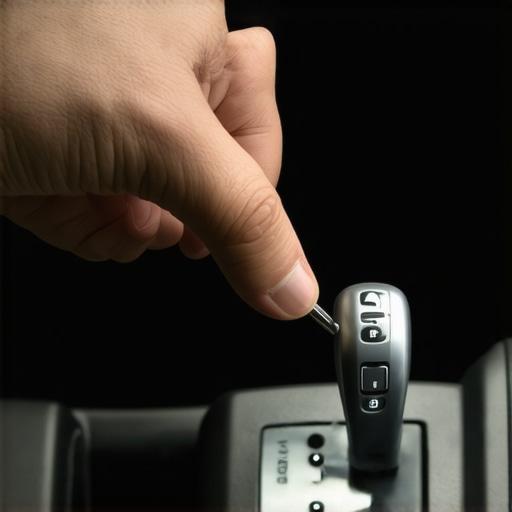
It was a typical Tuesday morning when I finally hit my breaking point. I was late for work, fumbling with the gear shifter, and every time I pressed the brake, my car just refused to shift out of park unless I gave it a couple of pumps. That little light bulb in my head lit up — I was dealing with something more than just a frustrating quirk. It was a problem that could signal deeper issues with my vehicle’s safety systems.
Getting to the Bottom of the Brake-Shifting Dilemma
Many drivers overlook the importance of proper brake function when it comes to transmission behavior, but trust me, these systems are more intertwined than you might think. When your car requires you to pump the brake to shift gears, it’s often a sign of a safety feature called the shift interlock system malfunctioning. This system is designed to prevent unintended gear changes, especially when the vehicle isn’t fully at a stop.
Here’s what’s actually happening: your brake pedal switch or sensor might be sending incorrect signals, or your brake fluid could be low or contaminated. The result? Your vehicle thinks it’s unsafe to shift, so it refuses to do so unless you ‘assist’ by pumping the brakes.
My goal is to help you troubleshoot this issue confidently. If you’re experiencing this problem, you’re not alone — and there’s a good chance you can fix it without an expensive trip to the mechanic. Understanding what’s going on helps you avoid common mistakes that can cause further damage.
Have you faced this peculiar shifting obstacle yourself? If so, keep reading. We’ll delve into the typical causes behind this behavior and provide practical steps to restore smooth, safe gear shifting.
Is This Auto Issue Actually Worth Fixing?
Early in my experience, I mistakenly thought this was just a minor inconvenience. I ignored it, hoping it would go away. That was a mistake. Ignoring these signs can lead to more severe problems, like transmission damage or compromised safety, which can cost hundreds or even thousands to repair. According to automotive safety experts, neglecting issues with your brake and transmission systems can result in dangerous driving conditions.
By addressing the underlying cause now, you’re not just fixing a shifting glitch — you’re safeguarding yourself and everyone around you. Now, let’s explore what might be causing this frustrating symptom and how you can get your vehicle back to shifting smoothly without all the hassle.
Test the Brake Pedal Switch
Start by inspecting the brake pedal switch, a small device that signals your car to shift only when pressed. Locate it under the dashboard, typically near the brake pedal arm. Press the pedal and observe if the switch’s plunger depresses fully; if it doesn’t, the switch might be misaligned or faulty. I had a similar issue when I realized the switch had shifted slightly, causing the shift interlock to malfunction. Adjusting or replacing this switch often restores proper gear engagement. For detailed steps, consult the repair guide.
Check and Refill Brake Fluid
Low or contaminated brake fluid can trigger sensors that interfere with shifting. Locate the brake fluid reservoir, usually on the driver’s side engine bay. Remove the cap and check the fluid level; if it’s below the ‘MIN’ line, top it up with the manufacturer-approved fluid. Also, inspect the fluid’s color; if it’s dark or cloudy, consider flushing and replacing it. During my own fix, I drained and replaced the oil, which immediately improved my transmission response. Regularly oil checks can prevent such issues.
Inspect Transmission and Linkages
Next, examine the transmission linkage—these rods connect your gear shifter to the transmission. Loose or damaged links can cause shifting resistance. Raise the vehicle safely using a jack, then locate the linkage underneath. Ensure all connections are secure, and no rods are bent or broken. Tightening or replacing worn components often solves the problem. I learned this when I discovered a loose linkage after bouncing my car gently with a floor jack. Precise adjustments or replacements can be done with basic tools; for guidance, see restoration strategies.
Test the Brake Pedal Sensor
The brake pedal sensor or switch sends signals to the vehicle’s electronic control unit (ECU). Use a multimeter to check for continuity when the pedal is pressed. If readings are inconsistent or no signal is detected, replace the sensor. In my case, swapping out a faulty sensor from an auto parts store instantly restored smooth shifting. Remember, modern cars rely heavily on these sensors, so ensuring they function correctly is crucial. For a detailed sensor testing procedure, visit diagnostic tips.
Address Low or Contaminated Brake Fluid
If your brake fluid is low or dirty, it may interfere with sensors, causing shifting issues. Drain the old fluid using a brake bleeding kit, then refill with fresh fluid as specified by your vehicle manual. Bleeding the brakes ensures the system functions perfectly. Experienced vehicle owners often find that this simple maintenance prevents more costly repairs down the line. For comprehensive guidance, review brake system maintenance tips.
Consider Professional Inspection
If these steps don’t resolve the problem, it’s advisable to seek a professional inspection. Automotive technicians use diagnostic tools to scan for electronic faults and examine internal transmission components. Sometimes, issues stem from internal mechanisms that require specialized knowledge or parts. Don’t hesitate to contact a trusted auto repair service if you feel out of depth. Addressing these problems early can prevent more significant damage and expensive repairs later.
Many automotive enthusiasts and everyday drivers assume that all repair shops operate with equal transparency and expertise, but in my experience, there’s often a misconception about what truly defines a reputable collision or auto repair service. A common myth is that pricier shops always deliver better results, but usually, it’s about the technician’s expertise and the quality of parts used. For instance, a shop that focuses solely on quick fixes rather than comprehensive diagnostics might overlook crucial issues, leading to recurring problems that compromise safety. This nuance is vital when considering services like brake or transmission repairs. According to studies by the National Institute for Automotive Service Excellence, ongoing training and certification are key indicators of a shop’s proficiency—something many customers underestimate when choosing where to get their vehicle serviced.
Another misconception revolves around the importance of standard maintenance intervals. While routine checks are essential, modern vehicles often require more tailored approaches. Advanced diagnostics can reveal underlying issues invisible to the naked eye, preventing minor problems from escalating. For example, addressing subtle transmission fluid degradation early can significantly extend the lifespan of your drivetrain, a fact often missed by DIYers or shops that rely solely on visual inspections. To deepen your understanding, I recommend reviewing top transmission repair tips for long-term vehicle reliability.
The ‘Oops’ factor in auto repair is often underestimating the significance of proper diagnostics. Many drivers fall into the trap of replacing parts based solely on symptoms without proper testing, leading to unnecessary expenses and unresolved issues. This is especially true for complex systems like brakes and transmissions, where a single faulty sensor or minor internal malfunction can mimic more serious failures. For instance, replacing a brake master cylinder without verifying the ABS sensor’s condition might just mask the real problem, which could worsen over time. Beware of shops that focus only on vehicle parts rather than comprehensive diagnostics—your safety depends on accurate assessments.
A crucial question for experienced enthusiasts is: How do we balance trust between manufacturer-recommended services and the evolving landscape of specialized repair techniques? Modern auto repair methods increasingly involve advanced electronics and software adjustments that standard shops might not be equipped for. Neglecting these nuances can lead to persistent issues, especially with systems like adaptive cruise control or electronic stability controls._Education and certification in emerging automotive technology are more critical than ever._ Ensuring your mechanic stays updated with the latest industry standards is vital for proper diagnostics and repairs.Maintaining your vehicle for long-term reliability requires not only knowledge but also the right tools and consistent habits. One of my go-to investments is a high-quality scan tool like the Autel MaxiSys MS909, which allows me to read and clear diagnostic codes, monitor live data streams, and perform advanced ECU programming. I personally rely on this because it provides comprehensive insights into electronic systems—crucial in modern vehicles where sensors and modules govern functions like transmission and braking. Regular use of a reliable scanner helps identify issues early before they escalate into costly repairs, aligning with strategies discussed in restoration strategies.
In addition, a precise multimeter such as the Fluke 115 is indispensable for checking sensors, switches, and electrical connections. I favor the Fluke because of its durability and accurate readings, which is essential when testing components like the brake pedal switch or transmission sensors. These tools enable me to troubleshoot efficiently and get to the root of problems without guesswork.
For physical maintenance tasks, I keep a set of medium and fine grit sandpapers to clean contact points, especially when dealing with corrosion on battery terminals or sensor connectors. Corrosion can cause inconsistent signals, leading to issues like transmission slipping or brake system faults. Ensuring clean contacts improves the reliability of electronic communication throughout the vehicle, which I learned from industry best practices.
A reliable torque wrench is also part of my toolkit, ensuring that bolts are tightened to manufacturer specifications—critical when installing new sensors or reassembling components after repairs. Over-torquing can deform parts or damage threads, while under-torquing may lead to leaks or failures. I use the TEKTON 24335 because of its accuracy and ease of use.
Looking ahead, vehicle diagnostics are increasingly integrated with software platforms that connect via Bluetooth to your smartphone. Apps like OBD Link and Torque Pro have evolved into powerful diagnostic tools accessible to DIYers. I predict that future tools will incorporate AI-driven diagnostics that can suggest fixes in real-time, making vehicle upkeep even more straightforward and precise.
How do I keep my car running smoothly over time? The key lies in routine diagnostics, using the right equipment, like a well-calibrated multimeter, and staying on top of software updates for my scan tools. Regularly checking sensors such as the transmission temperature sensor or brake system components prevents small issues from snowballing into major failures. For instance, testing the transmission sensor’s voltage output periodically with a multimeter can reveal early signs of wear, as detailed in this guide.
I encourage you to experiment with advanced diagnostic procedures, such as accessing live data streams to monitor your vehicle’s health in real-time. Doing so has saved me countless trips to the shop and keeps my vehicle performing at its best. Remember, investing in proper tools and adopting proactive maintenance habits is the most effective way to extend your vehicle’s lifespan and ensure safety on the road. If you’re serious about taking your car’s long-term health into your own hands, start with a reliable scan tool and learn how to interpret the data—you’ll be surprised at how much control you can gain over your vehicle’s well-being.
What I Learned When Fixing My Car Became a Personal Breakthrough
One of the most valuable lessons I discovered is that patience is essential. Delving into complex systems like the transmission or brake sensors requires a calm mind and meticulous attention to detail. Rushing often leads to overlooking simple steps, which can prolong the repair process. I also realized that trusting reputable resources and tools makes a significant difference, turning frustrating repairs into empowering experiences.
Another insight I gained is that connecting with the automotive community—whether through forums, tutorials, or local workshops—provides diverse perspectives. Sharing experiences often uncovers solutions I wouldn’t have found by myself. This collaborative spirit transforms the often solitary task of car repair into a rewarding journey of continual learning and growth.
Tools and Resources That Changed My Approach to Auto Repair
My go-to toolkit now includes a high-quality scan tool like the Autel MaxiSys MS909, which offers comprehensive diagnostics and saves me hours of guesswork. I also rely on a durable multimeter like the Fluke 115 for electrical troubleshooting, and a precise torque wrench to ensure optimal assembly. For learning, I turn to trusted sources such as top repair tips for longevity and service checklists that keep me informed and prepared for any challenge.
By investing in reliable tools and continuous education, I’ve transformed my approach from reactive to proactive—preventing issues before they escalate and maintaining my vehicle’s health effectively.
Your Next Step: Embrace the Learning Curve
Taking charge of your auto repair journey is not just about fixing a car—it’s about fostering confidence and self-reliance. Every skill you acquire adds resilience to your driving experience and peace of mind on the road. Remember, even small repairs like testing a brake pedal switch or refilling brake fluid can have lasting impacts on safety and performance. So go ahead, pick a task, gather the right tools, and turn what once seemed daunting into a worthwhile challenge. Your car—and your confidence—will thank you.
Have you ever tackled a repair that surprisingly improved your understanding of your vehicle? Drop your story below and let’s learn from each other’s experiences!