

The sun was beating down on the asphalt, and I was stuck in the kind of gridlock that makes you question every life choice that led you to that moment. My old truck was idling, the radio was buzzing, and then I saw it: the temperature needle was twitching upward like it had a pulse. I panicked. My first instinct back in those early days was to keep the A/C blasting—I thought that since I wanted to be cool, the car must too. That was a massive mistake that nearly warped my cylinder heads. I learned the hard way that when airflow stops, your cooling system becomes your best friend or your worst enemy. Today, I am going to show you exactly how to handle that rising needle so you do not end up on the shoulder with a cloud of steam. Have you ever felt that sheer panic of seeing the H symbol glow red while you are trapped between two semi-trucks? [image placeholder]
Pull Your Engine Back from the Brink
When you are stuck in stop-and-go traffic, your engine is working overtime without the benefit of the natural wind that usually cools your radiator. According to data from the National Highway Traffic Safety Administration (NHTSA), cooling system failures are among the top causes of highway breakdowns, and high ambient temperatures only accelerate the risk. It is a silent killer. If you start to smell something sugary, you need to know what that sweet smell coming from your vents really means; it is likely coolant, and it means your car is bleeding. The first thing you need to do is kill the A/C immediately. It puts a massive load on the engine. Instead, roll the windows down and prepare to sweat for the sake of your head gasket. Staying ahead of these issues with essential car service checks to extend your vehicles life can save you thousands in repairs, but in the heat of the moment, you have to be proactive.
Will Blasting the Heat Really Save Your Engine?
I know it sounds like absolute torture when it is 90 degrees out, but turning your heater on full blast and the fan to high can actually pull significant heat away from the engine block. It acts like a secondary radiator. However, if you find that your car heater only blows cold air even when the engine is scorching, you might have a low coolant level or a massive air bubble in the system. Do not just sit there and hope the needle drops. If it keeps climbing, you must find a way to the shoulder. Sometimes the problem is a component failing to regulate flow; you can perform the simple test to see if your thermostat is stuck open or closed once you are safely parked and the engine has cooled. If you have ever noticed that your engine fan runs for 10 minutes after the car is off, that is your vehicle’s way of telling you it was already pushing its thermal limits. Next, we will look at the physical steps to take once you are off the road.
Get Off the Asphalt Before the Damage Becomes Permanent
Once that needle crosses into the red zone, you are on borrowed time. The very first thing you must do is find a safe spot to exit the flow of traffic. Do not try to ‘limp it home’ for another five miles. I remember a humid afternoon in Georgia, stuck on the shoulder of I-95 with a sedan that was ticking like a time bomb. I thought I could make it to the next exit, but the smell of burnt metal told me otherwise. If you smell something acrid, it might not just be coolant; understanding the real cause of your car smelling like hot oil can help you realize that high engine temps are often cooking your gaskets and seals simultaneously. Pull over, shift into neutral or park, and let the engine idle for a minute to see if the fan can bring the temperature down. If the needle keeps rising while idling, shut it off immediately. 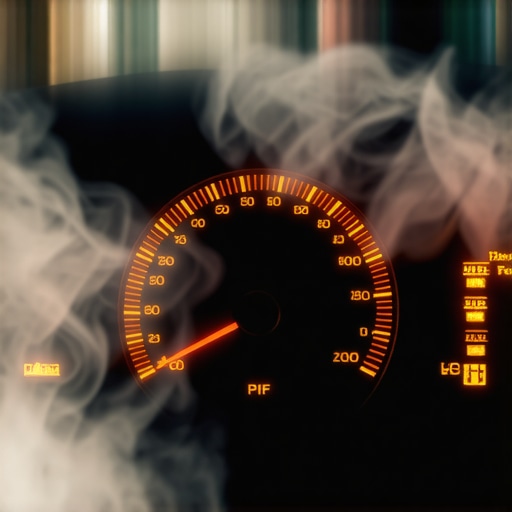
Shut the Engine Down but Keep the Power On
This is a nuance many drivers miss. After you turn the key to the ‘off’ position, immediately turn it back to ‘on’ (or ‘acc’) without cranking the engine. This allows your electric cooling fans to continue spinning. If the fans are working, they will pull heat away from the radiator even without the water pump circulating fluid. However, if you hear a strange whistling, you might be dealing with more than just heat; why your car makes a whistling noise at high speeds can sometimes point to a pressurized vacuum leak or a failing radiator cap that can no longer hold the atmosphere in. If the fans aren’t spinning at all, your relay or motor has likely given up the ghost.
Never Open the Radiator Cap While It Is Hissing
I cannot stress this enough: that radiator cap is holding back a geyser of pressurized, boiling liquid. In my early twenties, I watched a guy at a gas station pop a cap on an overheating truck, and the resulting spray of green fluid narrowly missed his face. It is a lesson you only want to learn by observation. Wait at least 30 to 45 minutes for the system to depressurize. While you wait, check the overflow reservoir—the translucent plastic tank connected to the radiator. If it is bone dry, you have a leak. If you see dark, murky fluid, you might be facing why your transmission fluid smells like burnt toast, which often happens when an internal cooler failure mixes transmission fluid with your coolant.
Look for More Than Just Steam
While you are under the hood, look for secondary signs of distress. Extreme heat affects every component. For instance, if you see blue-tinted smoke when you eventually try to restart the car, you need to investigate why your car produces blue smoke only during hard acceleration, as this often indicates damaged valve seals or piston rings from the overheat event. For those of you driving heavy-duty work trucks, knowing how to keep your diesel engine from overheating in the valley heat is even more critical because the sheer mass of those engines retains heat for hours. If the car won’t restart or if you see a literal pool of fluid under the front bumper, it is time to call for professional help. Before the tow arrives, make sure you know the 7 things to check before you trust a local tow truck with your keys to ensure your vehicle doesn’t suffer further damage during transport.
Stop Pouring Liquid Band-Aids into Your Cooling System
Most people believe that a five-dollar bottle of ‘stop-leak’ is a savvy way to avoid a shop bill, but I have seen those products turn a minor radiator pinhole into a total engine replacement. These additives are designed to coagulate when they hit air, but they do not distinguish between a hole in your radiator and the tiny passages in your heater core. In my experience, why relying on transmission leak repair fluid is often a costly mistake applies just as heavily to the cooling system; these ‘miracle’ fluids create a sludge that restricts flow. According to a report by the Car Care Council, cooling system neglect is the number one cause of roadside breakdowns, and adding non-standard chemicals only exacerbates the risk of clogging your internal components. If you are serious about top transmission repair tips for long-term vehicle reliability, you must understand that your radiator often doubles as a cooler for your transmission. When you clog the cooling fins with stop-leak goop, you are effectively cooking your gearbox as well. 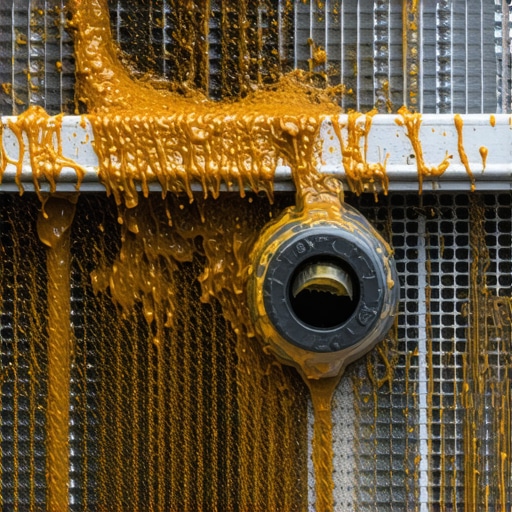
Why Your Transmission Hunts for Gears Before the Needle Moves
One of the most overlooked nuances of an overheating car is the way the transmission behaves. Long before the ‘H’ symbol glows on your dashboard, you might notice that why your transmission hunts for gears while climbing a hill is actually a thermal management issue. Modern vehicles are programmed to shift more frequently to keep engine RPMs in a range that facilitates better water pump flow and fan speed. If your car feels like it cannot decide which gear to stay in, it might be gasping for thermal relief. I once worked on a truck where the driver complained of ‘shifty’ behavior, only to find the transmission fluid was already oxidized. If you reach a point where why your transmission fluid smells like burnt toast becomes a reality, the internal damage to your clutch packs is likely already done.
Why Does My Temperature Gauge Stay in the Middle Until It Is Too Late?
This is a question I get from advanced DIYers all the time. Most modern car manufacturers use ‘buffered’ gauges. This means the computer keeps the needle perfectly centered even if the temperature fluctuates between 190 and 225 degrees Fahrenheit. They do this to stop drivers from panicking over normal variations. The trap here is that by the time the needle actually starts moving toward the red, the engine is already significantly hotter than it should be. This is why you must perform the simple test to see if your thermostat is stuck open or partially closed as part of your regular maintenance. Do not wait for the dashboard to scream at you. Staying on top of essential car service checks to extend your vehicles life is the only way to bypass these electronic filters. Have you ever fallen into this trap where you trusted the gauge only to have the car boil over two minutes later? Let me know in the comments.
The Hidden Connection Between Brakes and Engine Heat
Believe it or not, your braking habits can contribute to an overheat event, especially in hilly terrain. If you are constantly ‘riding’ the brakes, you are generating massive amounts of kinetic heat that radiates into the wheel wells and engine bay. If you find why your brake rotors keep warping every few months, you are likely dragging heat into a system that is already struggling to stay cool. For those who want the absolute best performance, choosing the best brake service in 2025 means looking for components that dissipate heat efficiently, which indirectly helps your engine stay within its thermal limits during heavy-duty use.
Once you have survived the immediate terror of an overheating engine, your focus has to shift from survival to long-term resilience. I have seen too many drivers get their car home, top off the water, and then ignore the problem until the next heatwave. That is a recipe for a permanent trip to the scrap yard. To truly protect your investment, you need to look at the big picture of the ultimate guide to auto repair to keep your car running smoothly. Thermal management is not just about the radiator; it is a holistic dance between your engine, your gearbox, and even your driving style.
The Diagnostic Tools I Never Go Without
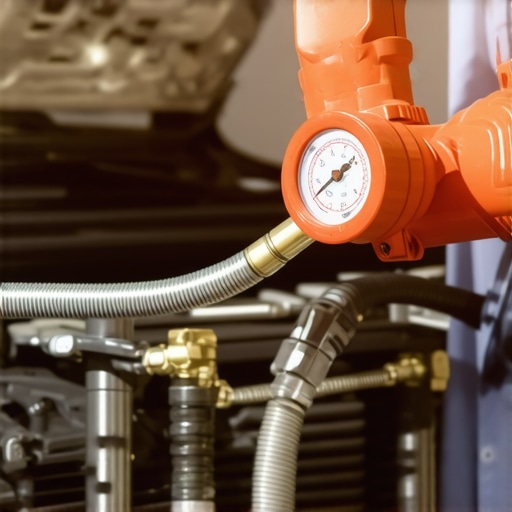
If you are tired of guessing what that needle means, it is time to upgrade your garage. Personally, I never perform a cooling system overhaul without a vacuum coolant refiller. This tool is a game-changer because it pulls a deep vacuum on the entire system, allowing you to check for leaks before you even add a drop of fluid, and then it sucks the coolant in, eliminating those pesky air pockets that lead to hotspots. For those of you who like to dig into the data, an OBD-II scanner with live data streaming is essential. It lets you see the actual temperature sensor readings in real-time, bypassing the ‘buffered’ dashboard gauge entirely. According to technical documentation from Gates Corporation, a leading manufacturer of belts and hoses, serpentine belt wear is often the hidden culprit behind intermittent overheating, as a slipping belt fails to spin the water pump at the required RPMs under load. Always check the tensioner for smooth movement while you are under the hood.
How do I keep my car from ever hitting the red zone again?
The secret to high-mileage reliability is a strict schedule for fluid chemistry. Over time, the corrosion inhibitors in your coolant break down, leading to internal scaling that acts like insulation inside your engine blocks. This is why following essential car service checks to extend your vehicles life is so vital. I recommend a full cooling system flush every three years or 30,000 miles, regardless of what the ‘lifetime fluid’ stickers say. If your vehicle has suffered a major collision or overheating event, you should also look into collision renewal strategies for restoring your car to perfection, as structural tweaks can sometimes restrict airflow to the condenser and radiator. Don’t forget the transmission; keeping your gear-shifting smooth requires following top transmission repair tips for long-term vehicle reliability, especially since the transmission cooler is often the first thing to fail when the main radiator gets clogged with debris. I predict that as we move toward 2030, integrated thermal management systems will become even more software-dependent, making these digital diagnostic tools even more necessary than a set of wrenches. My advanced tip for you today? Spend ten minutes once a month using a low-pressure garden hose to wash the bugs and road salt out of your radiator fins from the back side. You would be shocked at how much cooler your car runs when it can actually breathe. If you have been struggling with braking performance too, make sure you are choosing the best brake service in 2025 to keep that kinetic heat away from your hub assemblies.
Hard-Won Secrets from My Years on the Road
After decades of turning wrenches, I have realized that car owners often overlook the emotional side of overheating. It is usually the panic, not the mechanical failure, that causes the most damage. First, remember that high RPMs are not always your enemy when you are moving; higher revs can actually help the water pump circulate more coolant through the block. Second, never underestimate the impact of your transmission on your engine’s heat; following top transmission repair tips for long-term vehicle reliability is essential because these systems often share a common cooling path. Finally, if you have been in a fender bender, even a small one, you should check your collision renewal strategies for restoring your car to perfection to ensure your radiator support isn’t bent, which can drastically reduce airflow and lead to mystery overheating months later.
Build Your Own Cooling System Rescue Kit
You do not need a professional shop to keep your car safe, but you do need the right resources. I personally trust an OBD-II Bluetooth dongle paired with a phone app to see raw temperature data that the dashboard often hides. I also keep a gallon of distilled water and a non-contact infrared thermometer in my trunk to spot-check radiator temperatures without touching a hot engine. For a deep dive into maintaining your vehicle’s health, the ultimate guide to auto repair to keep your car running smoothly is the single best resource for understanding how these parts interact. I also recommend keeping a physical copy of your car’s service manual for those moments when you are stuck without cell service in the heat.
[image placeholder]
Take Control of Your Car’s Thermal Future
The road ahead does not have to be a stressful journey of watching the dashboard. By integrating essential car service checks to extend your vehicles life into your seasonal routine, you can catch a failing hose or a lazy fan before it leaves you stranded on a bridge. Reliable auto repair is about being proactive, not reactive. Remember, your engine is a precision machine that needs to breathe and stay hydrated just as much as you do during a long summer drive. If you stay on top of your fluids and listen to the subtle warnings your car gives you, you will be the one driving past the steam clouds, not sitting in them. If you’ve been feeling a lack of stopping power lately, it might be related to heat soak too, so check out choosing the best brake service in 2025 to keep every system running cool. Have you ever been stranded by a cooling system failure that you saw coming but ignored? Let me know your story below.