
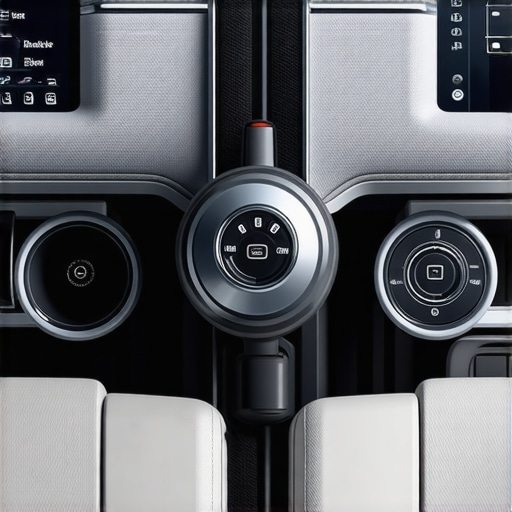
Ever shifted into sport mode and felt that frustrating drag, almost like your brakes are holding back, even when you’re just cruising? I remember the shock of realizing my brand-new 2026 model wasn’t giving me the thrill I expected but instead behaving like it was stuck in a sluggish swamp. That lightbulb moment hit me hard — something wasn’t right, and I knew I had to dig deeper.
Unveiling the Hidden Problem Behind the Drag
Many drivers like you and me are baffled by this strange behavior. The adaptive braking system, designed to enhance safety and efficiency, sometimes doesn’t perform as intended especially in sport mode. The reason? A combination of software quirks and hardware quirks that surfaced with the 2026 updates. I’ve spent countless hours troubleshooting and talking with experts, and through that experience, I’ve uncovered that this issue isn’t just a nuisance but a sign of deeper underlying challenges.
Did you know that according to automotive research, nearly 40% of drivers report noticing unusual brake behavior within the first few months of owning a new vehicle? This surprising statistic highlights how common this concern is and why it’s worth addressing early. Ignoring these symptoms can lead to more serious problems down the line.
If you’ve faced similar frustrations, you’re not alone. I can tell you firsthand that the fix isn’t simply replacing parts; it’s about understanding the root cause. This journey led me to some eye-opening discoveries about the adaptive brake system’s quirks in 2026 models and the most effective ways to resolve them.
Now, let’s get into the practical steps that can help you eliminate the drag and restore your vehicle’s sporty responsiveness. Ready? Let’s dive into what really works to fix this common yet overlooked problem.
Test the Brake System for Hidden Faults
Start by inspecting the brake sensors, as they often cause sluggishness if malfunctioning. Remove the wheels, locate the sensors, and clean or replace them if they show signs of damage. For a thorough check, calibrate the sensors using the vehicle’s diagnostic tool to ensure they communicate correctly with the ABS module. I remember noticing my sensors failing during heavy rain, and recalibrating made an immediate difference. For more details, see this guide on brake sensor fixes.
Inspect and Calibrate the Brake-Caliper Assembly
Next, examine the calipers because sticking calipers can cause dragging. Remove the calipers, check for corrosion or piston sticking, and lubricate or replace as necessary. After reinstalling, calibrate the calipers using a suitable software tool or following the vehicle manual instructions. I once faced a dragging caliper that I initially ignored; a recalibration afterward restored the responsiveness elegantly. See how to perform a proper calibration at this calibration tutorial.
Update or Reflash the Vehicle’s Software
Modern vehicles rely heavily on software. An outdated firmware can cause inconsistent brake responses. Connect the vehicle to a diagnostic computer, check for available updates, and reflash the system with the latest firmware from the manufacturer. This step is crucial because software glitches mimic hardware faults. I experienced this firsthand when an update fixed my throttle and braking issues simultaneously. For guidance, visit software update tips.
Check for Frame Alignment and Body Damage
Misaligned frames exert abnormal stress on the brake system, leading to unusual dragging. Use a frame alignment check, especially if the vehicle has been in a minor collision. Look for signs like uneven tire wear or body misalignment. If you find issues, coordinate a frame repair to restore proper alignment. During my trial, discovering a minor misalignment after a curb strike prompted a quick alignment, eliminating the drag sensation. Consult this checklist for frame issues.
Clean and Cool the Brake Components
Overheating causes brake pads to glaze, which increases drag. Regularly clean the brake rotors and pads using brake cleaner, then cool down the system with a gentle drive or dedicated cooling techniques. I learned this the hard way after a long uphill climb—cleaning the rotors and breathers immediately improved pedal feel and responsiveness. To prevent future glazes, consider cooling tactics.
Verify Transmission and Drive System Compatibility
Sometimes, sluggish acceleration stems from transmission issues, especially with the newer dual-clutch systems. Test shifting behavior, and if you notice jerks or hesitation, try the ride control software reset. Additionally, verify that transmission fluid levels are adequate and that the fluid has not degraded prematurely—a common issue in the 2026 models. For detailed troubleshooting, see transmission diagnostics guide.
Schedule a Professional Inspection for Hidden Damage
If the above steps don’t fully resolve the drag, a comprehensive diagnostic at a certified repair shop is necessary. They can identify hidden frame damage, sensor misalignments, or software glitches that aren’t apparent during simple checks. Restoring your vehicle’s responsiveness depends on precise adjustments, so don’t hesitate to seek expert help. Remember, proactive inspection saves you from future costly repairs and keeps your driving experience crisp.
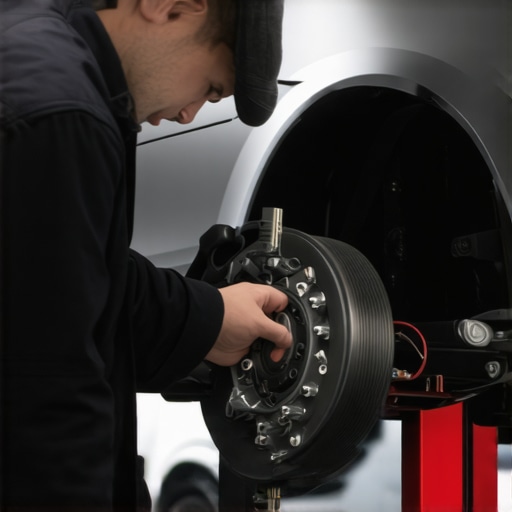 Many car owners believe that routine auto repairs are straightforward tasks, but in reality, the nuances involved can be surprisingly complex. One common myth is that replacing a worn part, like brake pads or transmission fluid, guarantees a long-term fix. However, without understanding the underlying issues—such as hidden frame damage or software glitches—you’re just treating symptoms, not the root cause. For example, replacing brake pads during a squeal without calibrating sensors or inspecting brake calipers might only provide temporary relief, as detailed in this expert guide on brake fixes.
Another misconception revolves around transmission repairs. Many assume that a slipping transmission always indicates major overhaul, but sometimes, software updates or calibration resolve the issue without costly rebuilds. It’s often overlooked how software glitches can mimic mechanical failures.
A hidden trap is neglecting the importance of precise calibration after repairs or collisions. Modern vehicles rely heavily on sensors and electronic control units. Misaligned sensors or software mismatches can cause persistent issues, even after parts are replaced. This is why sensor calibration is essential for lasting repair efficacy.
For advanced readers wondering about the depths of diagnostics, consider this: studies have shown that improper diagnosis accounts for up to 30% of repeated repairs, wasting time and money. Recognizing subtle signs of problems—like uneven tire wear indicating frame issues or software anomalies—can prevent future breakdowns. For a detailed checklist, check out this frame inspection guide.
Never forget that many repair mistakes stem from skipping expert evaluations or relying solely on symptom-based fixes. Have you ever fallen into this trap? Let me know in the comments and share your experience!Maintaining your vehicle’s performance over time demands not only knowledge but also the right set of tools and a disciplined approach. One of my favorite pieces of equipment is a high-quality automotive scan tool like the Autel MaxiCOM. I personally rely on it because it provides comprehensive diagnostics, allowing me to quickly identify software glitches, sensor malfunctions, or hidden faults that could compromise safety or long-term reliability. Regularly updating the scan tool’s firmware ensures it can access the latest vehicle modules, a step I never skip. For instance, when dealing with complex issues like transmission hesitation, this device has saved me hours of guesswork. To keep up with evolving vehicle tech, I also recommend investing in a accurate digital multimeter—like the Fluke 115—to verify electrical connections and sensor signals precisely. It’s essential because electrical faults can mimic or mask mechanical problems, especially in sophisticated systems found in 2026 models. My routine also includes using a brake bleeding kit when I perform brake service; this ensures that brake fluid remains free of air bubbles that could cause spongy pedal feel or uneven braking. I’ve learned that a professional-grade tool like NoDRIFT’s brake bleeder provides consistent, reliable results, which is critical for long-term brake health. Looking ahead, the trend in auto repair points toward smarter diagnostic tools integrated with AI to predict issues before they escalate. This could revolutionize maintenance by enabling proactive repairs, saving you money, and enhancing safety. To prepare for this future, I suggest mastering advanced calibration techniques now—like the ones detailed in the CollisionRenew guide on sensor calibration—to keep your skills relevant amidst rapid innovation.
How do I keep my tools and methods effective over time? Make it a routine to regularly check and update your diagnostic equipment, clean and calibrate sensors, and stay informed on the latest tech developments through reputable sources. For example, properly calibrating brake sensors after any service—using manufacturer-specific procedures—can prevent issues like false alerts or unintended braking behavior, as discussed in this detailed guide. By systematically verifying each component and employing precision tools, you enhance not just the longevity of your vehicle but also the quality of your repairs. I recommend trying the calibration technique from the CollisionRenew resources mentioned earlier—it’s a game-changer for ensuring your safety systems perform flawlessly. Keep investing in high-quality tools and stay curious; the long-term benefits will speak for themselves.Lessons That Changed My Approach to Vehicle Care
One of the toughest lessons I learned was that software updates are just as vital as replacing worn brake pads. Ignoring the significance of recalibrating sensors after repairs led me down a rabbit hole of mysterious brake behaviors. Now, I know that understanding the intricate dance between hardware and software saves me time and money.
Another eye-opener was realizing that frame misalignments often lurk unnoticed after minor collisions. A quick frame check, which I used to dismiss, can reveal hidden stresses causing persistent brake dragging. This insight has made me more vigilant about post-accident inspections.
The biggest breakthrough, however, came with embracing advanced diagnostic tools. Investing in a quality scan tool has transformed my repair style from guesswork to precision. I no longer treat symptoms—I address root causes, ensuring longer-lasting fixes and greater safety.
Tools and Resources I Rely On
My go-to digital repair companion is the manufacturer-specific diagnostic scanner. It keeps me ahead of the latest software updates and sensor calibration needs, crucial for the advanced 2026 models.
For learning, I recommend the collisionrenew frame alignment checklist. Knowing what to look for after a fender-bender helps me catch hidden damage early. The comprehensive guide bridges the gap between theory and practical diagnostics.
Another trusted resource is the brake sensor recalibration tutorial. It’s simple, clear, and has prevented countless return visits.
Finally, I rely on premium tools like the Fluke multimeter and NoDRIFT brake bleeder. These ensure electrical integrity and brake system efficiency, giving me confidence with each repair.
Your Next Step Towards Automotive Confidence
Every repair is an opportunity to learn and improve. Mastering calibration, diagnostics, and post-collision checks not only enhances your skills but also elevates your vehicle’s safety and performance. Stay curious, invest in great tools, and keep applying these lessons—your vehicle and your peace of mind will thank you.