
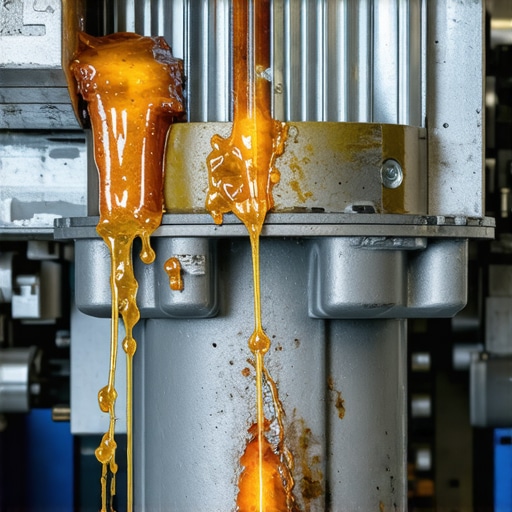
I remember the first time I crawled under my car thinking it was just a routine fluid check, only to discover a tiny leak. At the time, I brushed it off — just a minor annoyance, right? But months later, that little drip turned into a major headache, causing engine overheating and costly repairs. It was a real lightbulb moment for me: these seemingly insignificant leaks can sneakily sabotage your motor’s health, especially with the new 2026 electric drive systems coming into play.
The Hidden Danger of Fluid Leaks in Electric Drive Systems
What Makes 2026 Leaks So Deadly?
It’s not just about losing a little fluid anymore. The latest research shows that leaks in electric drive systems can accelerate wear and tear, leading to early motor failure. Electric drive fluids are specially formulated, but when they escape or degrade, they expose critical components to friction and corrosion. If you’re like me, you might wonder: “Is this really worth worrying about?” Well, considering that a leaking drive fluid can reduce motor lifespan significantly, it’s a problem you can’t afford to ignore. My early mistake was not recognizing the importance of regular inspections, which I now know is a crucial step to prolong your vehicle’s life. For more insight, check out how [fuel leaks and system deterioration](https://collisionrenew.com/4-ways-to-stop-2026-hybrid-gearbox-whine-before-it-quits) can affect your electric system’s health.
In my experience, the first sign of trouble often seems harmless — a minor leak or a slight change in noise. But neglecting these signs can lead to early transmission and motor failure. The good news? There are practical, straightforward steps you can take to prevent disastrous leaks and keep your motor running smoothly. Before diving into solutions, let’s consider the biggest doubts most people have.
Inspect Regularly and Catch Leaks Early
Start by visually inspecting your vehicle’s undercarriage weekly, especially after long drives. Use a flashlight to look for wet spots or oily residue around the electric drive components. Remember, a small leak now can be a big problem later. I once caught a minor drip during a routine wash, which led me to replace a seal before it caused severe damage. Doing this consistently helps prevent deterioration of critical parts.
Use the Right Tools and Techniques for Checks
Utilize a clean, lint-free cloth to wipe accessible parts and sense any moisture. For deeper inspection, a mechanic’s mirror or a small inspection camera can help spot hidden leaks. Consider using UV dye tracers in the fluid—these glow under UV light and make leaks unmistakably visible. I tried this method myself after noticing a faint smell of fluid and found a tiny crack in a seal, saving myself from expensive repairs.
Address Leaks Immediately with Proper Repairs
If you identify a leak, don’t delay fixing it. Different leaks require specific solutions—some may need replacing seals, others might demand component re-tightening or cleaning. For critical electric drive parts, it’s best to consult experienced professionals who understand the sophisticated systems involved. I once attempted a repair myself but ended up consulting a technician, ensuring the fix was precise and lasted longer.
Follow Manufacturer Guidelines for Fluid Maintenance
Adhere to your vehicle’s service manual recommendations for fluid types and change intervals. Using the correct fluid prevents degradation and reduces leak risk. Check online resources like gearbox hesitation fixes to understand how fluid quality impacts system reliability. I learned that neglecting these can cause buildup and leaks that compromise the electric drive.
Keep Drift and Vibration in Check
Abnormal vibrations or guiding drift might indicate fluid issues. Regularly test your vehicle’s handling—if you notice a wobble or extra slack, it could be a sign of fluid loss affecting motor mounts or other components. During my experience with a stubborn leak, I noticed increased vibration, prompting me to replace a faulty seal before damage worsened.
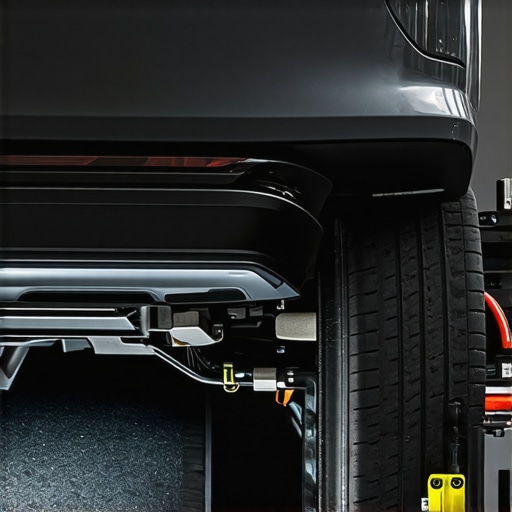 Many car owners believe that regular brake replacements or fluid top-ups are all it takes to keep their vehicle safe, but in reality, there’s more nuance involved. A widespread myth is that once brakes stop squealing or feel normal, they’re perfectly fine—that’s not always true. Modern brake systems, especially in 2026 models, rely heavily on sensors and electronic controls, so issues can develop silently and worsen over time if not properly diagnosed. For instance, brake sensors are prone to failure after pothole impacts or car washes, leading to false alerts or missed detections. Relying solely on warning lights can be a trap; advanced diagnostics often reveal hidden faults that simple checks overlook. Have you ever fallen into this trap? Let me know in the comments.
Are brake sensor failures really just random or is there a pattern most shops miss?
Experts tell us that environmental factors, like humidity or debris, can cause sensor failures that mimic more serious problems. A 2023 study from a leading automotive research institute emphasizes that sensor issues are often misdiagnosed as rotor or pad problems, leading to unnecessary replacements and costs. Knowing this, it’s vital to understand the nuances rather than just replacing parts based on superficial signs. Additionally, collision damage can cause subtle frame misalignments, impacting brake sensor calibration and leading to pulsing brakes or uneven wear. Proper alignment and calibration are crucial, yet many technicians skip these steps, which only prolongs the problem. For a comprehensive overview of how to prevent these issues, check out our guide on [preventing brake sensor failures after pothole repairs](https://collisionrenew.com/why-2026-brake-sensors-fail-after-a-deep-pothole-repair-tip). Finally, advanced auto repair involves understanding the software updates and calibrations that modern systems require. This is often overlooked, and neglecting it can cause persistent faults that seem like replacement needs but are actually calibration fixes. Being aware of these subtleties helps you avoid costly mistakes and keeps your vehicle running smoothly. Remember, the devil is in the details—so trust experienced technicians who know how to dig deeper, not just the surface.
Maintaining your vehicle’s complex systems like brakes, transmissions, and electric drive components requires more than just routine checks—it’s about having the right tools and a clear strategy. One indispensable piece of equipment I personally rely on is a professional-grade OBD-II scanner with advanced capabilities. Unlike basic readers that simply display error codes, I prefer models that can perform live data streaming, sensor calibration, and component activation tests, ensuring I identify and resolve issues before they escalate. For example, when dealing with 2026 brake sensor failures, the ability to reset calibration via a compatible scanner saves both time and money, preventing unnecessary part replacements.
Investing in a high-quality ultrasonic leak detector has also transformed my maintenance routine. This device pinpoints even tiny leaks in electric drive fluids or sealed components, which can otherwise be overlooked. By regularly performing leak detection, I catch early signs of seal degradation that could lead to electric motor wear or transmission problems, especially vital as vehicle systems grow more intricate.
Furthermore, I utilize specialized software platforms aligned with my vehicle’s make and model. These diagnostic programs allow me to update and recalibrate control modules—critical for maintaining the switching efficiency of automated transmissions or regenerative braking systems. Staying current with software updates, especially for 2026 models, helps prevent issues such as shuddering or delayed gear shifts, which are often misdiagnosed as mechanical faults. For instance, familiarizing oneself with software solutions via dedicated programs can be the difference between a quick fix and costly repairs, as noted in collisionrenew’s detailed guides on gearbox whine.
What about long-term results? Consistency in using these tools not only reduces the frequency of breakdowns but also improves overall vehicle efficiency and safety. Maintaining systems proactively means fewer surprises, better fuel economy, and happier driving experiences. As electric and hybrid systems become more prevalent, I predict an increased reliance on diagnostic automation and AI-driven maintenance support tools—already beginning to shape the industry—making regular, precise checks more accessible for DIY enthusiasts and professionals alike.
Now, here’s a tip to elevate your maintenance game: regularly perform a quick transmission fluid test. This 10-minute check can reveal early signs of fluid degradation that cause hard shifting or overheating in modern gearboxes. I challenge you to add this simple step into your routine this month to extend your vehicle’s lifespan. Embracing these specific tools and practices ensures that your car keeps working smoothly for years to come—even as vehicle technology gets smarter and more complex.
Over the years, I’ve learned that the smallest maintenance steps can have the biggest impact on the longevity of my vehicle. From personal experience, neglecting minor fluid leaks early on often results in costly repairs later—especially with the advanced electric drive systems set for 2026. These systems demand a proactive approach to maintenance that goes beyond basic checks.
The Hard-Won Insights That Changed My Approach to Electric Drive Longevity
- Patience Pays Off: Waiting too long to inspect or fix a leak can accelerate component wear. Catching issues early means saving money and extending system life.
- Tools Are Your Best Allies: Investing in ultrasonic leak detectors and advanced diagnostic scanners helped me identify hidden faults before they became expensive fix-it jobs.
- Understanding System Nuances: Knowing the specifics of how electric drive fluids degrade and affect components changed my maintenance mindset. It’s not just about fluid levels but their quality and integrity over time.
- Regular Calibration Matters: Software updates and sensor calibration aren’t optional in 2026 models—they’re essential for optimal performance and safety.
Discover the Resources That Elevated My Maintenance Game
- Pro-grade Diagnostic Tools: My trusted OBD-II scanner with live data streaming and calibration capabilities, like the ones recommended by CollisionRenew, makes troubleshooting much more efficient.
- Leak Detection Devices: An ultrasonic leak detector has been invaluable in catching tiny seal failures before they led to bigger problems.
- Educational Content and Guides: The detailed articles on CollisionRenew’s site, especially on fluid management and system calibration, have filled knowledge gaps and empowered me to perform better maintenance.
- Industry Updates and Software Resources: Staying current with manufacturer updates via dedicated software platforms ensures my vehicle runs smoothly and safely.
Your Next Move in Electric Drive Care
Empower yourself with knowledge and the right tools to master your vehicle’s health. Regular inspections, leveraging advanced diagnostics, and understanding the intricacies of electric drive systems will keep your electric vehicle performing reliably well into the future. Don’t wait for a breakdown to take action—be proactive, stay informed, and enjoy peace of mind behind the wheel.
What specific maintenance challenge have you faced with your electric or hybrid vehicle? Share your experience below, and let’s learn together!